


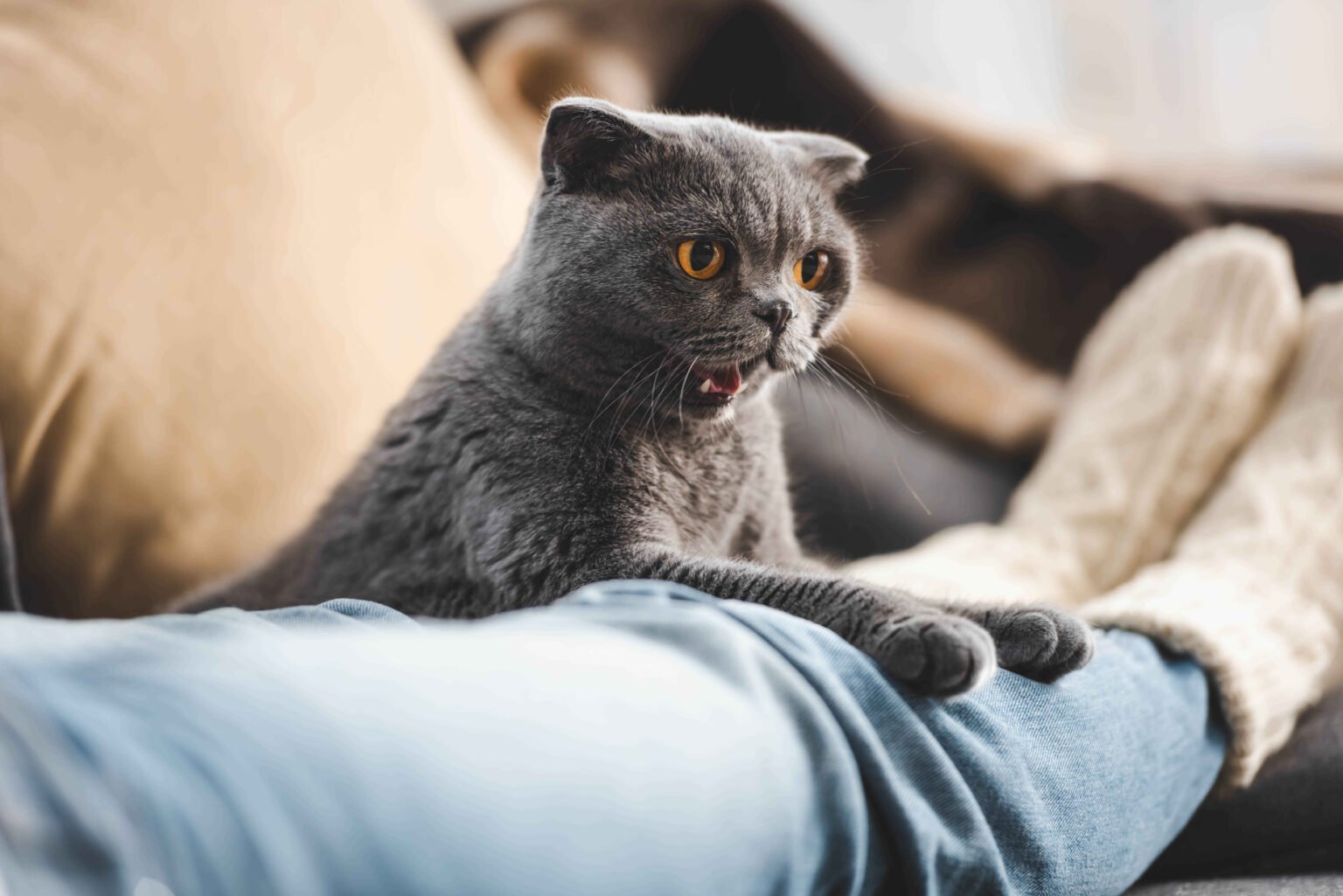
If your cat has suddenly started peeing outside the litter box, aggressively scratching your favorite couch, or yowling loudly at 3 a.m., you are not alone, and your cat is almost certainly not doing it out of spite. Cat behavior problems are among the top reasons pet owners seek veterinary advice, yet the vast majority of these issues can be resolved once you understand what is actually driving them.
- Why Cats Develop Behavior Problems
- Sudden Behavioral Changes in Cats: What They Can Mean
- 1. Litter Box Problems and Urine Marking
- 2. Cat Aggression
- 3. Destructive Scratching
- 4. Excessive Meowing and Vocalization
- 5. Anxiety, Stress, and Hiding Behaviors
- 6. Nighttime Cat Behavior Problems
- 7. Inter-Cat Aggression in Multi-Cat Homes
- How to Prevent Cat Behavior Problems
- When to Call the Vet Immediately
- Frequently Asked Questions (FAQ)
- Why is my cat suddenly peeing outside the litter box?
- How do I stop my cat from scratching my furniture?
- Is fighting between housemate cats ever normal?
- When should I consider medication for my cat’s behavior?
- References & Further Reading
Cats communicate their distress through behavior. What looks like stubborn defiance to a human is usually your furry friend’s way of saying something is wrong. It could be a hidden health issue, an unmet instinctual need, or a stress trigger in their environment. This comprehensive guide walks you through the most common cat behavior problems, their true root causes, and vet-informed strategies that actually work.
Why Cats Develop Behavior Problems
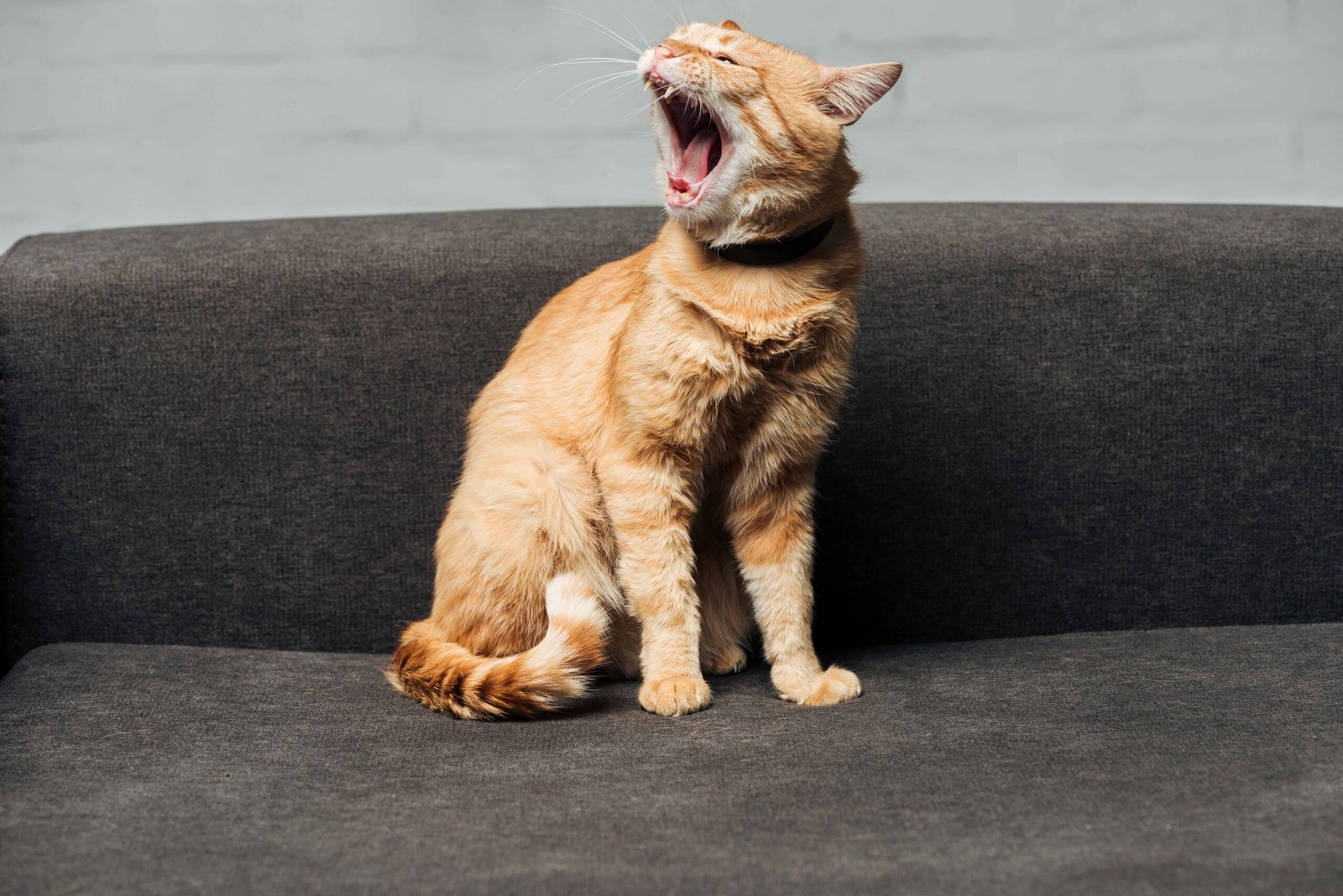

Before jumping straight to the solutions, it helps to understand your cat’s inner world. Cats are not small dogs. They are semi-solitary hunters with incredibly strong territorial instincts and a keen sensitivity to environmental changes. What we label a problem is usually a perfectly logical response from the cat’s perspective.
Three core principles drive nearly every feline behavior:
- Territory Matters: Cats feel safest in a predictable, stable space they can patrol and scent-mark on their own terms.
- Resources Are Survival: Food, water, litter boxes, and resting spots are not just conveniences. Cats treat access to them as vital for survival, and competition creates massive stress.
- Routine is Reassurance: Cats absolutely thrive on predictability. Disruptions, like a new baby, a house move, or even rearranged furniture, can trigger severe anxiety.
Sudden Behavioral Changes in Cats: What They Can Mean
One of the most critical things for any pet owner to understand is that sudden behavior changes in cats are almost always a red flag for an underlying health issue. While a slow behavioral shift might point to a training gap, a rapid transformation requires immediate attention.
When evaluating behavioral changes in cats, you must look for the most common warning signs:
- Sudden Hiding: If your normally social cat refuses to come out from under the bed, they are likely experiencing physical pain or severe illness.
- Sudden Aggression: A cat that suddenly bites when touched in a specific spot is often reacting to joint pain, dental disease, or internal discomfort.
- Sudden Clinginess: Conversely, some cats become overly needy and vocal when they feel unwell, seeking out their owner for comfort and protection.
- Sudden Lethargy: A dramatic drop in energy levels, refusing to play, or sleeping far more than usual are classic signs your cat is sick.
These rapid shifts point to medical causes of behavior changes, meaning a trip to the clinic is essential before assuming your cat is simply acting out.
1. Litter Box Problems and Urine Marking
A cat urinating or defecating outside the litter box is most often a medical issue first and a behavioral issue second. Never assume it is a preference problem until your veterinarian has completely ruled out a physical cause.
Peeing Outside the Box
Medical causes are the most common starting point and include urinary tract infections (UTIs), Feline Idiopathic Cystitis (FIC), bladder stones, or kidney disease. Arthritis can also make climbing into a high-sided litter box agonizing, especially in senior cats.
If the vet rules out medical issues, litter box aversion is the next major cause. Cats are fastidious by nature. They often avoid boxes that are infrequently scooped, filled with heavily scented litters, or placed in noisy, high-traffic locations like next to a loud washing machine.
Cat Spraying and Urine Marking
Spraying is distinctly different from simply peeing outside the box. Urine marking is a territorial behavior where a cat backs up to a vertical surface, such as a wall or a doorframe, and releases a small amount of pungent urine. This is a direct response to stress, territorial insecurity, or the presence of outdoor cats roaming near the house. It is their way of saying, “This is my space, and I am anxious.”
Vet-Approved Solutions
- Book a vet appointment first. A urinalysis and physical exam are required to rule out UTIs and bladder stones. Medical evaluation is the essential first step according to VCA Animal Hospitals.
- Audit your litter setup. Scoop daily and do a full litter change weekly. Offer large, uncovered boxes in quiet locations away from their food.
- Follow the golden rule. You must have one litter box per cat, plus one extra.
- Reduce stress triggers. Using a synthetic feline facial pheromone diffuser can help cats feel territorially settled and greatly reduce urine marking.
2. Cat Aggression
Cat aggression is almost always rooted in fear, pain, overstimulation, or learned behavior, not dominance. Understanding which type of aggression you are dealing with is the key to choosing the correct response.
| Type of Aggression | Common Triggers | Key Warning Signs |
|---|---|---|
| Play Aggression | Undersocialized kittens or owners using hands and feet as toys. | Stalking, pouncing, biting without hissing or growling. |
| Fear Aggression | Feeling cornered, startled, or unable to escape a threat. | Flattened ears, dilated pupils, hissing, puffing up fur. |
| Redirected Aggression | Aroused by an unreachable stimulus like an outdoor cat. | Sudden, unprovoked attack on a nearby person or housemate pet. |
| Petting-Induced | Overstimulation during handling or petting. | Tail lashing, skin rippling, suddenly turning to bite or scratch. |
| Pain-Induced | Underlying injury, dental disease, or severe arthritis. | Sudden onset; reacts violently when touched in a specific area. |
To safely handle these issues, the AVMA recommends evaluating any sudden onset of aggression medically. Furthermore, never use your hands as toys, learn to respect their petting tolerance limits, and block their sightlines to outdoor triggers if redirected aggression is a persistent problem.
3. Destructive Scratching
Scratching is not misbehavior. It is a biological necessity. Cats scratch to shed the dead outer sheath of their claws, stretch their back muscles, and deposit scent from glands in their paws to mark their territory. Your goal is not to stop the scratching, but rather to redirect it to an appropriate surface.
The ideal scratching post must be tall enough for a full-body stretch, which is at least 35 inches high, and completely stable. Wobbly posts will be abandoned immediately. Place the scratcher directly next to the furniture they are currently targeting, as cats prefer to scratch in prominent, socially significant areas of the home. Apply double-sided sticky tape to the corners of your couch to act as a deterrent, and keep your cat’s claws trimmed every few weeks to minimize potential damage.
4. Excessive Meowing and Vocalization
A sudden increase in meowing, yowling, or crying, especially in an older cat, is a medical concern until proven otherwise. Do not dismiss it as mere attention-seeking.
Hyperthyroidism is incredibly common in senior cats, causing increased appetite, restlessness, and persistent vocalizing. Feline Cognitive Dysfunction, which is the feline equivalent of dementia, causes disorientation that often worsens at night, leading to confused yowling. Additionally, cats who suffer from hearing loss may begin to vocalize much louder than usual simply because they can no longer hear themselves.
If your vet clears them medically and it truly is attention-seeking behavior, the hardest but most effective solution is to consistently ignore it. Only give your cat attention or food when they are entirely quiet.
5. Anxiety, Stress, and Hiding Behaviors
Stress in cats does not always look like obvious, cowering fear. It frequently manifests as excessive over-grooming where they lick patches of fur completely bare, or it shows up as chewing on non-food objects like plastic grocery bags.
Why Is My Cat Hiding More Than Usual?
Hiding is the ultimate feline coping mechanism. If a cat feels overwhelmed by loud noises, new visitors, or underlying physical pain, they will retreat to a dark, enclosed space. Never drag a hiding cat out from under a bed. Instead, you must build a less stressful environment to coax them out naturally.
Provide plenty of vertical space. Cat trees, wall-mounted shelves, and window perches give cats a safe observation point. To a feline, height equals absolute security. Ensure they also have ground-level retreats, like covered cave-beds or simple cardboard boxes, placed in quiet corners of the house.
6. Nighttime Cat Behavior Problems
If you are losing sleep over your pet, you are dealing with one of the most frustrating cat behavior issues. Cats are naturally crepuscular, meaning they are most active at dawn and dusk. However, domestic cats can adapt to our schedules if guided properly.
Why Is My Cat Active or Vocal at Night?
Nighttime vocalization or the infamous “midnight zoomies” usually occur because the cat has slept all day and has vast reserves of unburned energy. To fix this, you must reset their internal clock. Engage in a highly active 15-minute play session using a wand toy right before your bedtime. Follow this play session with a large meal. In the wild, cats hunt, eat, groom, and then sleep. Mimicking this natural cycle right before you turn out the lights will encourage them to sleep through the night.
7. Inter-Cat Aggression in Multi-Cat Homes
Conflict between housemate cats is incredibly stressful for everyone involved. Unlike dogs, cats do not naturally form pack bonds. Each cat needs to feel like they have unchallenged, safe access to territory and resources.
True inter-cat aggression typically stems from severe resource competition or an initial introduction that happened much too fast. To resolve this, ensure you have multiple, completely separated feeding stations. Forcing cats to eat right next to each other creates daily, simmering tension. If intense fights are breaking out, you must separate the cats entirely and reintroduce them room-by-room over several weeks using positive reinforcement and scent-swapping techniques.
How to Prevent Cat Behavior Problems
The absolute best way to manage cat behavior problems is to prevent them before they start. Environmental enrichment is the key to a psychologically healthy feline.
Provide a highly predictable daily routine for meals and playtime. Introduce food puzzle toys to challenge their minds while you are away at work. Set up bird feeders outside a designated window to give them “cat TV” during the day. A bored cat will eventually become a destructive or anxious cat, so dedicating time to daily interactive play is non-negotiable for their mental health.
When to Call the Vet Immediately
Knowing exactly when to call the vet for cat behavior problems can literally save your pet’s life. Do not wait on any of the following signs, as they indicate a serious, potentially fatal medical condition disguised as a behavioral change:
- Straining in the litter box or producing no urine: A urinary blockage is a life-threatening emergency, particularly in male cats.
- Blood in the urine or feces.
- Sudden, unprovoked aggression in a previously friendly and calm cat.
- Complete refusal to eat for more than 24 to 48 hours: Cats can develop deadly hepatic lipidosis (fatty liver disease) from very short periods of fasting.
Frequently Asked Questions (FAQ)
Why is my cat suddenly peeing outside the litter box?
Sudden inappropriate urination is most often a medical issue. Conditions such as urinary tract infections, bladder stones, kidney disease, diabetes, or painful arthritis are all common culprits. A vet visit should always come first. If physical causes are ruled out, evaluate the litter box for cleanliness, correct placement, and ensure you are using an unscented clumping litter.
How do I stop my cat from scratching my furniture?
The most effective approach is redirection, not punishment. Place a tall, stable sisal scratching post directly next to the targeted furniture. Apply double-sided tape to the furniture to make the texture unappealing, and reward your cat with treats every time they use the appropriate post. Keep their claws trimmed every two to three weeks.
Is fighting between housemate cats ever normal?
Brief, quiet wrestling followed by mutual grooming or shared relaxation is normal play. However, persistent hissing, growling, chasing that causes one cat to hide, or any physical injury is not normal. True inter-cat aggression signals resource competition or insufficient space. Ensure you provide multiple, separated feeding stations and litter boxes.
When should I consider medication for my cat’s behavior?
Medication is typically considered when the problem severely impacts the cat’s quality of life or when it hasn’t responded to several months of consistent environmental management. It is always used alongside behavioral modification, not as a quick-fix replacement. Always consult a veterinarian, and never use over-the-counter human anti-anxiety medications on cats.
References & Further Reading
- American Veterinary Medical Association (AVMA): Guidance on diagnosing and treating aggression in cats.
- VCA Animal Hospitals: Medical and behavioral approaches to inappropriate elimination in cats.
- ASPCA: Comprehensive resources for managing common cat behavior issues.
- Cornell Feline Health Center: Expert feline behavior resources and environmental enrichment tips.