


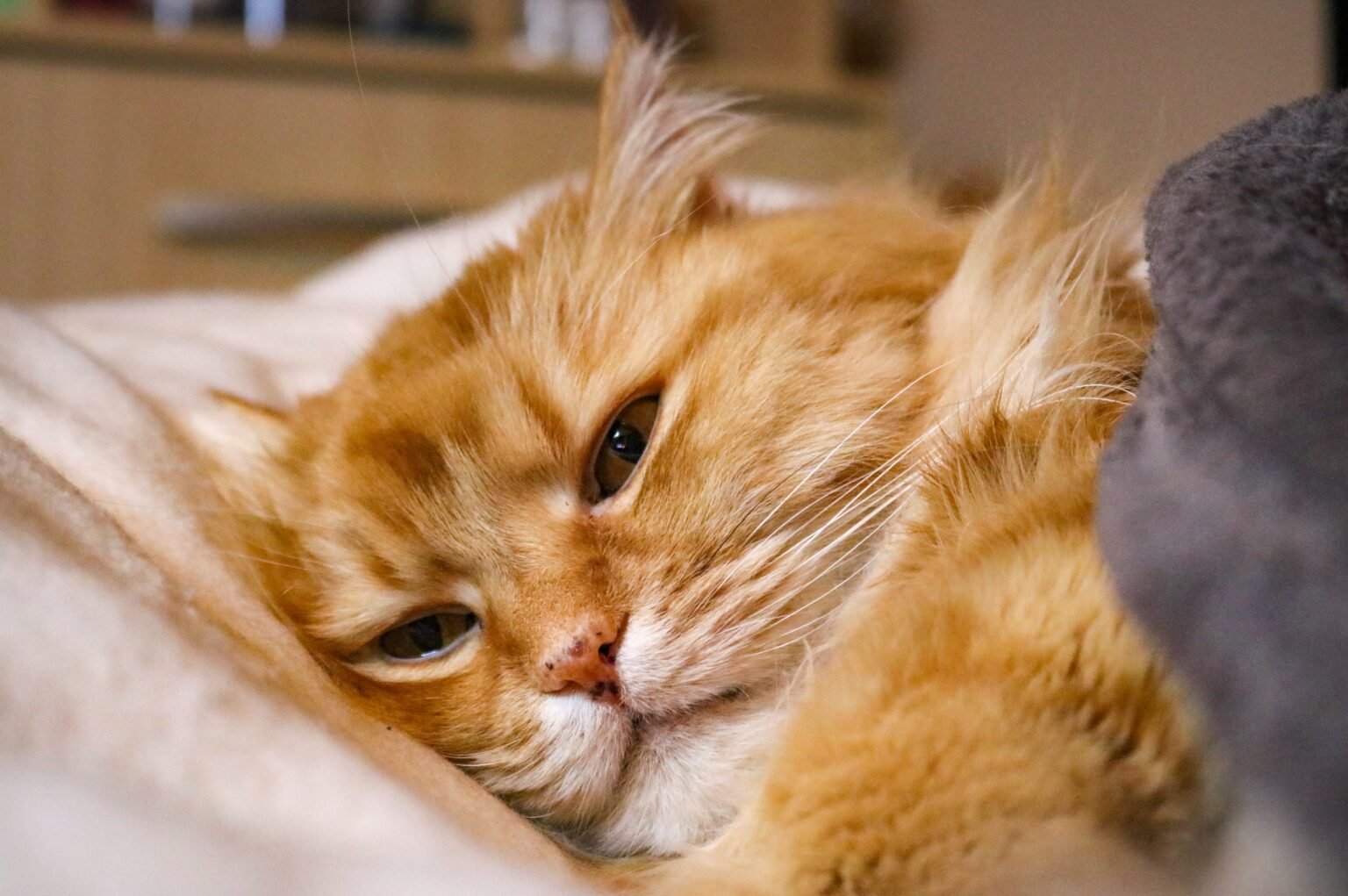
Whether your feline friend has an occasional sensitive stomach or a sudden bout of illness, cat digestive problems can range from temporary dietary upset to chronic conditions requiring veterinary treatment. As an owner, trying to figure out what is wrong can be incredibly stressful.
- What Are Cat Digestive Problems?
- Common Symptoms of Digestive Problems in Cats
- Vomiting
- Vomiting vs. Regurgitation
- Diarrhea
- Constipation
- Changes in Appetite
- Weight Loss
- Abdominal Pain and Bloating
- Changes in Stool Color, Odor, or Appearance
- What Causes Digestive Problems in Cats?
- Sudden Diet Changes
- Food Intolerance or Food Allergy
- Eating Something They Shouldn’t (Dietary Indiscretion)
- Parasites
- Hairballs
- Stress
- Gastroenteritis
- Inflammatory Bowel Disease (IBD)
- Pancreatitis
- Liver and Pancreatic Disease
- Intestinal Obstruction
- Cancer and Other Systemic Diseases
- When Are Cat Digestive Problems an Emergency?
- How Do Vets Diagnose Digestive Problems in Cats?
- Medical History
- Physical Examination
- Fecal Testing
- Blood and Urine Tests
- X-rays (Radiographs)
- Ultrasound
- Endoscopy and Biopsy
- Cat Digestive Problems Treatment
- Dietary Management
- Hydration and Fluid Therapy
- Probiotics
- Parasite Treatment
- Medication
- Treatment for Obstruction
- Long-Term Management
- What Should I Feed a Cat With Digestive Problems?
- Can Cats With Digestive Problems Have Treats?
- What Can I Do at Home for Mild Digestive Upset?
- How to Support Healthy Digestion Long Term
- Cat Digestive Problems by Age
- Cat Digestive Problems: A Simple Decision Guide
- Frequently Asked Questions About Cat Digestive Problems
- What are the most common digestive problems in cats?
- How do I know if my cat is having digestive problems?
- What can I give my cat for digestive problems?
- How do you treat gastrointestinal problems in cats at home?
- How long do gastrointestinal issues last in cats?
- How do I reset my cat’s stomach?
- What is a natural probiotic for a cat?
- What should I feed a cat with digestive problems?
- What does unhealthy cat poop look like?
- Why does my cat vomit but otherwise seem fine?
- When should I worry about my cat vomiting?
- Can stress cause digestive problems in cats?
- Key Takeaways
- References & Further Reading
Digestive issues can present in many ways. The most common signs include vomiting, diarrhea, constipation, appetite changes, abdominal discomfort, weight loss, abnormal stool, and regurgitation. However, it is crucial to understand that digestive symptoms are signs, not diagnoses.
A cat that is vomiting could certainly have a gastrointestinal problem, but vomiting can also occur with non-digestive diseases, such as kidney disease or hyperthyroidism. This practical guide will help you recognize the symptoms, understand the possible causes, learn what you can safely do at home, and know exactly when your cat needs a veterinarian.
What Are Cat Digestive Problems?
The feline digestive system is a complex pathway designed to break down food, absorb nutrients, move waste through the body, and eliminate it. It includes the mouth, esophagus, stomach, small intestine, large intestine (colon), rectum, and anus, along with highly involved accessory organs like the liver and pancreas.
When any part of this system is irritated, inflamed, or functioning poorly, it creates digestive problems. These issues generally fall into two categories:
- Acute digestive problems: Short-lived, sudden symptoms, such as a single bout of diarrhea after eating a new treat.
- Chronic digestive problems: Recurring or persistent symptoms that last for weeks or months.
Recurring vomiting or diarrhea should never be casually dismissed as “normal for my cat.” Frequent vomiting, including recurring episodes over time, should be discussed with a veterinarian, particularly when accompanied by weight loss, appetite changes, lethargy, or other symptoms.
Common Symptoms of Digestive Problems in Cats
Because cats are masters at hiding discomfort, paying close attention to their bathroom habits and eating routines is essential.
Vomiting
Vomiting is one of the most common feline complaints. It involves the forceful expulsion of stomach contents. You may see partially digested food, yellow bile, foam, or hairballs. While an isolated incident might not be alarming, repeated vomiting, vomiting with blood, or vomiting combined with lethargy and appetite loss is a serious concern.
Vomiting vs. Regurgitation
It is vital to understand the difference between vomiting and regurgitation.
- Vomiting is an active process. The cat will usually drool, heave, and show intense abdominal effort before producing vomit.
- Regurgitation is passive. It usually happens shortly after eating, with no abdominal heaving, bringing up tube-shaped, undigested food from the esophagus.
Diarrhea
Diarrhea refers to unformed, loose, or watery stool. You may notice an increased frequency of litter box visits, large volumes of watery stool, or small amounts of stool containing mucus or fresh blood. Common causes of diarrhea in cats can originate in the small intestine (often large volume, normal frequency) or the large intestine (straining, frequent trips, mucus).
Constipation
Constipation in cats occurs when stool moves too slowly through the colon, becoming hard, dry, and difficult to pass. You may notice small, dry stool pellets, infrequent bowel movements, and straining in the litter box. Severe, untreated constipation can lead to a condition called megacolon, where the colon permanently loses its ability to contract. Severe constipation can also lead to vomiting and appetite loss.
Changes in Appetite
Digestive issues often alter a cat’s desire to eat. This can include a significantly reduced appetite, entirely refusing food, or conversely, an increased appetite. A cat that is eating ravenously but still losing weight requires immediate investigation, as this can point to malabsorption or metabolic disease.
Weight Loss
Unexplained weight loss accompanying digestive signs always deserves veterinary investigation. It indicates that the body is either burning too many calories or failing to absorb nutrients effectively.
Abdominal Pain and Bloating
Cats with stomach or intestinal pain may exhibit a hunched posture, a reluctance to move, or vocalization when picked up. You may notice abdominal sensitivity to the touch or visible distension (bloating).
Changes in Stool Color, Odor, or Appearance
Monitoring the litter box is your first line of defense. However, remember that stool appearance is a clue, not a standalone diagnosis.
| Stool Appearance | What It May Indicate |
|---|---|
| Hard/dry, small pellets | Constipation or dehydration. |
| Watery or completely unformed | Diarrhea, rapid intestinal transit time. |
| Mucus or jelly-like coating | Lower intestinal irritation or colitis. |
| Bright red blood | Fresh lower-GI bleeding or irritation. |
| Black, tarry stool | Digested blood from higher in the GI tract (stomach/small intestine). |
| Pale or unusually colored | Biliary or liver issues; requires veterinary context. |
Note: A cat can have more than one of these symptoms, and the combination and severity of signs can help your veterinarian determine how urgently your cat needs to be examined.
What Causes Digestive Problems in Cats?
Digestive symptoms overlap heavily across different conditions. To understand what might be happening, veterinarians group potential causes into several categories.
Sudden Diet Changes
A cat’s digestive tract adapts to their specific diet. Switching a cat’s food abruptly can disrupt their gut microbiome, leading to acute gastroenteritis (inflammation of the stomach and intestines).
Food Intolerance or Food Allergy
A food intolerance is a digestive inability to process a certain ingredient (like dairy). A food allergy involves the immune system reacting to a specific protein (like chicken or fish), causing GI signs and often itchy skin. True food allergies are diagnosed using strict, veterinary-guided elimination diets, not by randomly switching store-bought kibble.
Eating Something They Shouldn’t (Dietary Indiscretion)
Cats are curious. Ingesting spoiled food, inappropriate human table scraps, toxic plants, or foreign objects can cause severe stomach upset or gastritis.
Parasites
Intestinal parasites are a frequent culprit, especially in kittens or outdoor cats. Common offenders include roundworms, tapeworms, Giardia, and coccidia.
Hairballs
While passing an occasional hairball is common, repeated hairball episodes or frequent vomiting of fluid with hair indicates delayed gastric emptying or underlying GI disease and warrants evaluation.
Stress
Feline digestion is highly sensitive to environmental changes. A new pet, moving to a new home, or loud noises can trigger stress colitis and diarrhea.
Gastroenteritis
This is a general term for inflammation of the stomach and intestines. The symptom pattern usually involves sudden vomiting and diarrhea, but the underlying cause could be viral, bacterial, dietary, or parasitic.
Inflammatory Bowel Disease (IBD)
Feline inflammatory bowel disease is characterized by chronic inflammation of the GI tract. Symptoms typically include chronic vomiting, diarrhea, weight loss, and reduced appetite. It is particularly common in middle-aged and senior cats.
Pancreatitis
Inflammation of the pancreas can cause lethargy, appetite loss, abdominal pain, and vomiting. It is an important differential diagnosis because it requires specific medical support.
Liver and Pancreatic Disease
The liver, pancreas, and intestines are physically and functionally connected in cats. Cats can develop concurrent inflammatory disease involving the intestines, liver/biliary system, and pancreas, a combination commonly referred to as triaditis.
Intestinal Obstruction
This is a medical emergency. If a cat ingests a linear foreign body (like string, thread, or tinsel) or a small toy, it can block the intestines. Symptoms include intense abdominal pain, severe vomiting, an inability to pass stool, and profound lethargy.
Cancer and Other Systemic Diseases
Digestive signs can stem from diseases completely outside the GI tract. Kidney disease, hyperthyroidism, diabetes, liver disease, and gastrointestinal cancer (like lymphoma) can all cause vomiting, diarrhea, or appetite changes.
When Are Cat Digestive Problems an Emergency?
While mild diarrhea might resolve on its own, some symptoms indicate a life-threatening crisis.
Seek Urgent Veterinary Care For:
- Repeated, forceful, or severe vomiting
- Blood in the vomit (looks like red streaks or coffee grounds)
- Black, tarry stool or significant fresh blood in the stool
- Severe abdominal pain or a swollen/distended abdomen
- Severe lethargy, weakness, or collapse
- Inability to keep water down
- Suspected ingestion of a toxin, string, or foreign object
- Inability to pass stool accompanied by pain or vomiting
- Repeated straining in the litter box with little or no urine produced
Crucial Warning: Cats straining in the litter box are often incorrectly assumed to be constipated. In reality, they may be suffering from a blocked urethra and are unable to urinate. Urinary obstruction is an emergency that becomes fatal within days if untreated.
How Do Vets Diagnose Digestive Problems in Cats?
You cannot safely diagnose your cat at home. To uncover the root cause, veterinarians use a structured diagnostic process to see how digestive problems are diagnosed and treated.
Medical History
The vet will ask about the duration and frequency of symptoms, recent diet changes, medications, supplements, access to toxins/plants, stool and vomit appearance, and any weight changes.
Physical Examination
The vet will palpate (feel) the abdomen to check for pain, abnormal masses, thickened intestines, or fluid, and assess the cat’s hydration levels.
Fecal Testing
A stool sample may be examined for intestinal parasites such as worms and Giardia. Additional testing may be recommended depending on the suspected cause.
Blood and Urine Tests
Bloodwork and urinalysis are critical. They help identify non-GI conditions like kidney failure, liver disease, diabetes, or hyperthyroidism that could be causing the digestive symptoms.
X-rays (Radiographs)
X-rays are excellent for identifying certain intestinal blockages, foreign bodies, or abnormal organ sizes.
Ultrasound
An abdominal ultrasound provides a detailed view of the internal architecture of the organs, allowing the vet to see thickened intestinal walls (common in IBD or lymphoma), pancreatic inflammation, or liver issues.
Endoscopy and Biopsy
For chronic, unexplained disease, the vet may refer you to an internist for an endoscopy (using a camera to look inside the stomach/intestines) or surgical biopsies to definitively diagnose conditions like IBD or gastrointestinal cancer.
Cat Digestive Problems Treatment
Because the causes are so diverse, cat digestive problems treatment is highly individualized. There is no one-size-fits-all remedy.
Dietary Management
For mild upset, a vet may recommend a temporary, highly digestible bland diet. For chronic issues, they may prescribe therapeutic diets, novel-protein diets, or hydrolyzed-protein diets designed to bypass food allergies.
Hydration and Fluid Therapy
Dehydration is a serious complication of vomiting and diarrhea. Mild cases might be managed with oral hydration, but severe cases require veterinary fluid therapy (subcutaneous or intravenous fluids).
Probiotics
Specific veterinary probiotics can help restore a healthy gut microbiome after stress, dietary indiscretion, or antibiotic use. However, use them cautiously; not every cat with diarrhea needs probiotics, and human probiotics are not optimized for felines.
Parasite Treatment
If fecal testing reveals worms or single-celled parasites, the vet will prescribe targeted deworming medication.
Medication
Depending on the diagnosis, a vet may prescribe anti-nausea medications, gastrointestinal protectants, anti-inflammatories, or antibiotics (if a specific bacterial infection is confirmed).
Treatment for Obstruction
An intestinal obstruction requires urgent veterinary assessment. Depending on the location and type of foreign body, treatment may involve endoscopic removal, surgery, hospitalization, and supportive care.
Long-Term Management
Conditions like IBD, chronic constipation (megacolon), and food sensitivities cannot be “cured” with a single pill. They require lifelong management through strict dietary control, environmental enrichment, and sometimes long-term medication.
What Should I Feed a Cat With Digestive Problems?
One of the most common questions owners ask is what cat food for digestive problems they should buy. The “right” food depends entirely on the underlying cause of the symptoms.
What makes a diet appropriate?
An appropriate GI diet must offer complete and balanced nutrition while maximizing digestibility. Depending on the condition, it may need to be high in moisture (for constipation), or formulated with broken-down proteins (for allergies). Pancreatitis may require a highly digestible diet and careful nutritional management based on the cat’s individual condition.
Best Cat Food for Digestive Problems: Is There One?
Simply put: No, there isn’t one food that is best for every cat with digestive symptoms.
The best cat food for digestive problems is the one that targets your cat’s specific diagnosis. If you suspect an intolerance, you might be researching the best cat food for sensitive stomachs, but a high-fiber diet suitable for a mildly constipated cat could be disastrous for a cat suffering from IBD diarrhea. Always consult your veterinarian before switching to specialized commercial GI diets or prescription foods.
Can Cats With Digestive Problems Have Treats?
Finding safe cat treats for digestive problems can be tricky. If your cat is dealing with a sensitive stomach or undergoing a strict dietary elimination trial for suspected food allergies, you must be incredibly careful.
Standard commercial treats contain mixed proteins, artificial flavors, and preservatives that can trigger GI upset and completely invalidate an elimination diet. If your cat is on a strict food trial, no treats should be given unless they are specifically approved by your vet (such as prescription hydrolyzed treats or a single-ingredient treat that matches their novel protein diet).
What Can I Do at Home for Mild Digestive Upset?
If your cat has a mild, isolated episode of vomiting or loose stool and is otherwise alert, comfortable, eating, and drinking normally, you can monitor them closely:
- Maintain access to fresh water: Hydration is critical.
- Avoid sudden food changes: Do not rapidly switch their kibble hoping to “fix” the stomach.
- Don’t give table scraps: Human food will only exacerbate the inflammation.
- Monitor closely: Record the frequency and appearance of any vomit or diarrhea.
- Monitor appetite and behavior: If they become lethargic or refuse to eat, call the vet.
How to Support Healthy Digestion Long Term
While you cannot prevent every disease, you can reduce avoidable digestive stress by supporting your cat’s overall GI health:
- Consistent diet: Always transition to new foods gradually over 7–10 days.
- Adequate hydration: Incorporate wet food and water fountains to support digestion and kidney health. (Read more about wet vs. dry cat food).
- Healthy body weight: Obesity increases the risk of systemic diseases that affect digestion.
- Regular parasite prevention: Keep up with routine, vet-approved deworming.
- Grooming: Brush hairball-prone or long-haired cats frequently to reduce the amount of fur they ingest.
- Stress reduction: Provide a predictable environment, vertical spaces, and safe hiding spots.
- Litter box hygiene: Keep boxes clean so cats don’t “hold it,” which contributes to constipation.
Cat Digestive Problems by Age
Age provides important context for digestive symptoms:
- Kittens: Have a much higher concern for intestinal parasites, dietary indiscretion (eating things they shouldn’t), viral/bacterial infections, and rapid dehydration.
- Adult cats: Frequently present with dietary issues, hairballs, food sensitivities, and the onset of IBD.
- Senior cats: In older felines, GI symptoms often overlap with systemic diseases like kidney failure, hyperthyroidism, or gastrointestinal cancer. To learn more about navigating these golden years, see our guide on how to keep a senior cat healthy.
Cat Digestive Problems: A Simple Decision Guide
Use this simple framework to help decide your next steps:
| What You Notice | Recommended Action |
|---|---|
| Vomiting once + cat is otherwise acting completely normal | Monitor closely for 24 hours. |
| Repeated vomiting over a few hours or days | Contact your veterinarian. |
| Vomiting + lethargy, appetite loss, or blood | Prompt veterinary attention. |
| Diarrhea that persists for more than 24-48 hours | Veterinary assessment. |
| Constipation + repeated straining for days | Veterinary assessment. |
| Straining in the litter box with little/no urine | Emergency. Seek immediate care. |
| Suspected ingestion of string, toxin, or foreign body | Emergency. Seek immediate care. |
Frequently Asked Questions About Cat Digestive Problems
What are the most common digestive problems in cats?
The most common problems include acute gastroenteritis (from dietary indiscretion or sudden food changes), intestinal parasites, hairballs, inflammatory bowel disease (IBD), and food intolerances.
How do I know if my cat is having digestive problems?
Watch for vomiting, diarrhea, constipation, reduced appetite, weight loss, lethargy, or changes in how they use the litter box. A hunched posture or reluctance to be touched on the belly indicates abdominal pain.
What can I give my cat for digestive problems?
Do not give human medications. For mild upset, ensure access to fresh water and stick to their normal, familiar diet. If the vet prescribes a bland diet or a specific feline probiotic, follow their instructions carefully.
How do you treat gastrointestinal problems in cats at home?
True gastrointestinal diseases cannot be treated at home without a diagnosis. You can manage mild, temporary upset by providing hydration and a quiet environment, but persistent symptoms require veterinary diagnostics and medication.
How long do gastrointestinal issues last in cats?
Acute issues, like a mild dietary upset, may resolve within 24 to 48 hours. Chronic conditions, such as IBD or food allergies, can last a lifetime and require ongoing management.
How do I reset my cat’s stomach?
There is no need to “reset” a cat’s stomach with prolonged fasting. For mild digestive upset, your veterinarian may recommend small, frequent meals using an appropriate, easily digestible food. If your cat refuses food, especially for an extended period, contact your veterinarian rather than continuing to fast them.
What is a natural probiotic for a cat?
While some people suggest plain yogurt, many cats are lactose intolerant. It is far safer and more effective to use a commercial, quality-controlled probiotic specifically formulated for feline gut bacteria, as recommended by your vet.
What should I feed a cat with digestive problems?
It depends entirely on the cause. Food allergies require novel or hydrolyzed proteins; constipation may require modified fiber or moisture. Consult your vet before switching diets.
What does unhealthy cat poop look like?
Unhealthy stool can be watery, unformed, excessively hard and dry (like small pebbles), coated in thick mucus, or contain bright red blood. Black, tarry stool is also a major red flag for upper GI bleeding.
Why does my cat vomit but otherwise seem fine?
Occasional vomiting in an otherwise healthy cat can be caused by eating too fast (“scarf and barf”), hairballs, or minor food sensitivities. However, if it happens frequently (more than once a month), it warrants a vet visit.
When should I worry about my cat vomiting?
Worry if the vomiting is frequent, projectile, contains blood, or is accompanied by lethargy, weight loss, diarrhea, or a refusal to eat or drink.
Can stress cause digestive problems in cats?
Yes. Stress from moving, loud noises, or the addition of a new pet can disrupt a cat’s gastrointestinal motility, frequently resulting in stress colitis (diarrhea) or appetite loss.
Key Takeaways
- Recognize the symptoms: Vomiting, diarrhea, and constipation are signs, not diagnoses.
- Vomiting vs. Regurgitation: Pay attention to whether your cat heaves (vomiting) or passively brings up food (regurgitation).
- No single “best” food: Treatment and diet depend entirely on whether the issue is food allergies, IBD, parasites, or another cause.
- Straining is a red flag: Straining in the litter box without producing urine is a life-threatening emergency, not constipation.
- Avoid home remedies: Never give human medications like laxatives or antidiarrheals to a cat unless instructed by a vet.
References & Further Reading
- Merck Veterinary Manual — Introduction to Digestive Disorders of Cats
- Cornell Feline Health Center — Vomiting
- Cornell Feline Health Center — Diarrhea
- Cornell Feline Health Center — Constipation
- Cornell Feline Health Center — Inflammatory Bowel Disease
- Cats Protection — Digestive Problems in Cats
- Cornell Feline Health Center — Feline Lower Urinary Tract Disease