
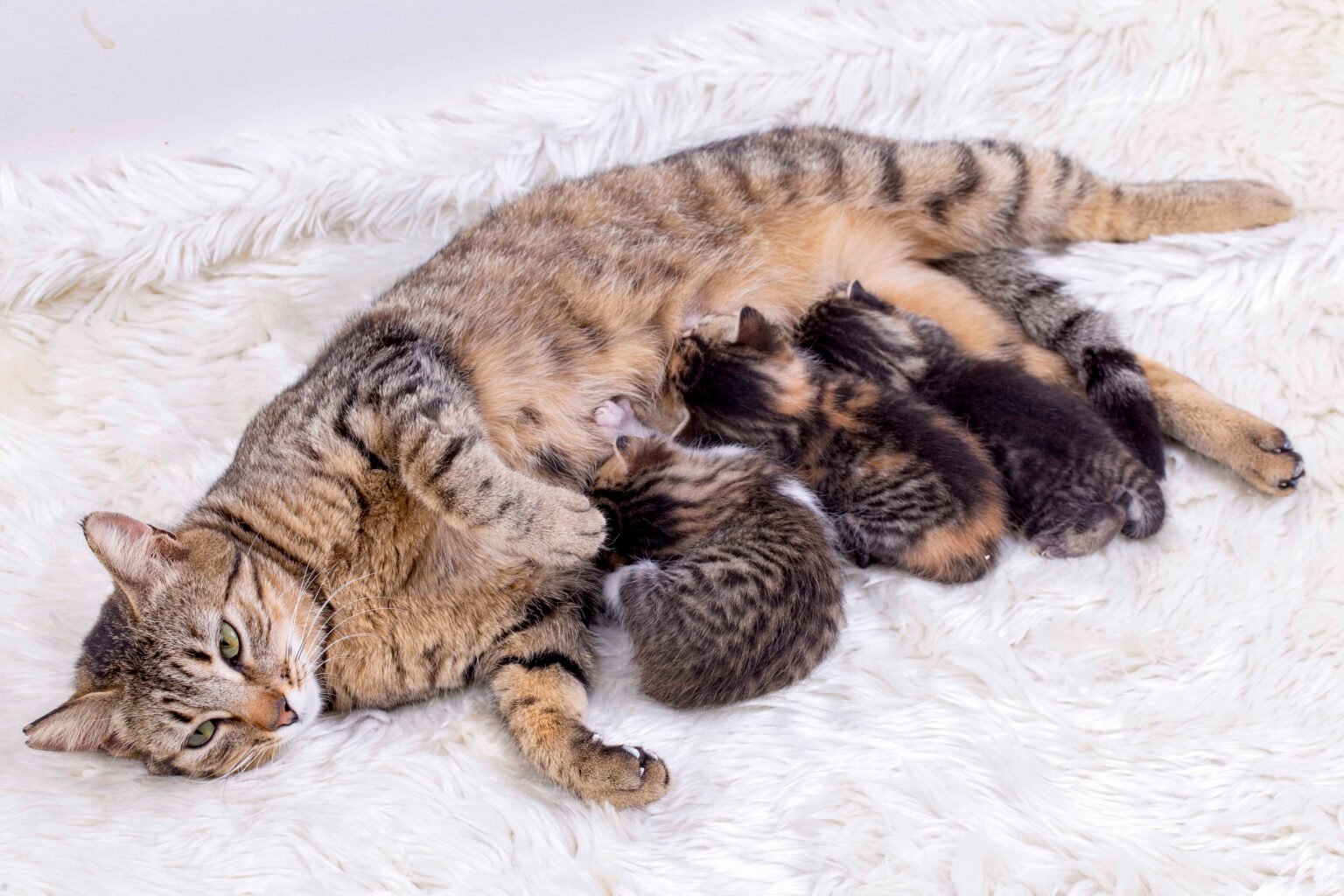
Eclampsia in cats is a severe and potentially life-threatening condition caused by a sudden, dangerous drop in blood calcium levels (hypocalcemia). While it can occasionally happen during late pregnancy, it most commonly strikes nursing mothers.
Calcium is critical for normal muscle and nerve function. When blood calcium drops too low, the nervous system becomes overstimulated. The early signs of feline eclampsia can be subtle, such as unusual restlessness, panting, or slight trembling, but the condition can rapidly escalate to severe muscle spasms, stiffness, seizures, coma, and other life-threatening complications.
Because eclampsia can progress from mild twitching to a life-threatening crisis in a matter of hours, it is always considered a true veterinary emergency. This guide will walk you through what to watch for, what emergency steps to take, how veterinarians treat the condition, and how to safely care for the kittens while the mother recovers.
Is Eclampsia in Cats an Emergency?
Yes. Eclampsia is a veterinary emergency. A recently pregnant or nursing cat that develops tremors, stiffness, weakness, heavy panting, or seizures needs urgent veterinary assessment.
Is my cat at risk?
You can quickly assess your cat’s risk profile based on this combination:
Recently gave birth + actively nursing kittens + showing neurological or muscular signs = urgent veterinary assessment.
What NOT to do
- Do not wait for symptoms to disappear: Eclampsia requires urgent treatment.
- Do not inject calcium yourself: Intravenous calcium requires careful veterinary monitoring.
- Do not give human medications: These can be toxic or interact dangerously.
- Do not force food or water during a seizure: This can cause choking or aspiration.
- Do not put your fingers near a seizing cat’s mouth: You risk severe injury.
- Do not resume nursing until the veterinarian advises that it is safe.
What Should You Do If You Suspect Eclampsia?
1. Stop the kittens from nursing
Continued nursing increases the mother’s calcium demand during an active hypocalcemic crisis, so kittens should be prevented from nursing until the veterinarian advises that it is safe to resume. Place the kittens in a safe, warm box or carrier.
2. Contact a veterinarian immediately
Call your primary vet or an emergency clinic to let them know you are bringing in a suspected eclampsia case. Let them know how many kittens she is nursing and when she gave birth.
3. Keep the mother safe and calm
Keep the environment dark and quiet. Minimize handling. If she is seizing or severely trembling, ensure she is on a low surface where she cannot fall.
4. Don’t administer calcium yourself
Intravenous calcium must be administered by a professional to monitor her heart rhythm.
5. Prepare for kitten feeding
Because the mother will require emergency treatment, the kittens may need an appropriate commercial kitten milk replacer while nursing is interrupted.
What Is Eclampsia in Cats?
Eclampsia, also known medically as puerperal hypocalcemia, postpartum hypocalcemia, lactation tetany, or colloquially as cat milk fever, is a metabolic crisis resulting from dangerously low blood calcium concentrations.
What happens to calcium levels?
Calcium does far more than build strong bones; it is a critical electrolyte required for the transmission of nerve impulses and the contraction of muscles. When blood calcium drops below a certain threshold, normal neurological activity is severely disrupted, leading to the tremors, weakness, and spasms characteristic of the disease.
Is eclampsia the same as low calcium?
Not exactly. While hypocalcemia simply means “low calcium” in the blood, eclampsia refers specifically to the severe clinical syndrome and physical emergency caused by that low calcium, typically occurring in association with pregnancy, birth, or lactation.
When Does Eclampsia Occur in Cats?
Timing is a crucial clue in suspecting feline eclampsia.
After giving birth
According to veterinary literature, eclampsia most often occurs during the first few weeks after giving birth. This window, typically 1 to 4 weeks postpartum, coincides with heavy milk production, which increases the mother’s calcium demands.
During lactation
As kittens grow, their milk requirements increase, placing substantial demands on the mother’s calcium metabolism during lactation.
During pregnancy
While postpartum cases are the primary focus, hypocalcemia can occasionally occur around the time of birth or during late pregnancy. If a pregnant cat shows signs of illness before delivery, a veterinarian must be consulted to rule out eclampsia and other severe complications.
What Are the Early Signs of Eclampsia in Cats?
If you have a nursing cat, knowing what to look for right now can save her life. Early signs may include restlessness, panting, trembling, muscle twitching, weakness, or an abnormal/stiff gait. As hypocalcemia becomes more severe, muscle spasms and seizures can occur.
Early signs
- Restlessness or unusual behavior (pacing, vocalizing)
- Anxiety or apparent distress
- Rapid breathing or heavy panting
- Reduced appetite or refusing food
- Fine muscle twitching (often visible in the face or legs)
- Trembling
Progressing signs
- Stiff, uncoordinated, or “stilted” walking
- Profound weakness
- Incoordination (stumbling)
- Muscle spasms
- Stiffness or tetany (muscles locking up rigidly)
Severe or life-threatening signs
- Full seizures or convulsions
- Collapse
- Loss of consciousness
Can Eclampsia in Cats Be Treated at Home?
No. Suspected eclampsia requires urgent veterinary assessment and treatment. There is no safe home treatment that can replace veterinary calcium therapy and monitoring. Do not attempt to inject calcium or give medications without veterinary direction.
While arranging veterinary care, prevent the kittens from nursing, keep the mother in a quiet and safe environment, and contact an emergency veterinarian immediately.
What Causes Eclampsia in Cats?
Eclampsia occurs when the body’s ability to maintain normal blood calcium levels cannot keep pace with the intense demands of reproduction.
Lactation and calcium demand
Milk production substantially increases the mother’s calcium requirements. When calcium loss through milk exceeds the body’s ability to maintain normal blood calcium levels, hypocalcemia can develop.
Large litters
A large litter can increase milk-production demands and may contribute to the risk of hypocalcemia during peak lactation. However, eclampsia can occur in cats with litters of different sizes.
Nutrition
Providing a complete, balanced diet formulated for gestation and lactation is essential. If the mother does not consume enough calories or appropriate nutrients, her body will struggle to keep up with the overall demands of nursing.
Calcium supplementation
Routine calcium supplementation during pregnancy is not recommended unless a veterinarian specifically advises it. Excessive calcium intake can interfere with normal calcium regulation and may increase the risk of hypocalcemia during peak lactation. Never supplement calcium without veterinary guidance.
How Common Is Eclampsia in Cats?
Eclampsia is uncommon in cats compared with dogs, but it can become life-threatening when it occurs. It is most often associated with nursing mothers during the period of heavy milk production. Because feline eclampsia is relatively uncommon, recognizing the combination of recent birth or lactation and characteristic neurological or muscular signs is more useful than relying on a specific prevalence estimate.
How Is Eclampsia Diagnosed?
Because tremors and seizures can have many causes, a veterinarian must confirm the diagnosis.
Veterinary examination
The veterinarian will evaluate the cat’s history, focusing on recent pregnancy, recent birth, and nursing status, alongside her current clinical signs.
Blood calcium testing
A blood test is required to confirm hypocalcemia. The veterinarian may measure total serum calcium or ionized calcium (the active, freely circulating form in the blood) to determine the severity of the deficit.
Differential diagnosis
The vet will also perform an examination and potentially other blood tests to look for alternative metabolic problems or conditions that can cause similar neurological signs.
Conditions That Can Cause Similar Signs
Because tremors and seizures can have several causes, veterinary assessment is important before assuming that a cat has eclampsia.
| Condition | Typical Clues |
|---|---|
| Eclampsia | Tremors, stiffness, weakness, seizures + recent lactation |
| Hypoglycemia | Weakness or trembling associated with low blood glucose, often seen in exhausted or malnourished mothers |
| Toxin Exposure | Sudden neurological signs after possible exposure to poisons, toxic plants, or inappropriate medications |
| Neurological Disease | Seizures or neurological signs unrelated to lactation (e.g., primary epilepsy) |
How Is Eclampsia in Cats Treated?
The primary treatment for feline eclampsia is veterinary administration of calcium, usually with careful monitoring. Treatment should not be attempted at home.
Intravenous calcium
Treatment commonly involves carefully administered intravenous calcium to restore blood calcium levels and stabilize the cat. Rapid or incorrect administration can cause severe bradycardia or cardiac arrhythmias, which is why veterinary administration is critical.
Monitoring
Because IV calcium can affect the heart, the veterinarian will closely monitor the cat’s heart rate and rhythm (often via ECG) during administration to ensure the deficit is corrected safely.
Supportive treatment
Depending on the cat’s condition, additional supportive treatment may be needed for seizures, dehydration, abnormal body temperature, or other complications.
Follow-up treatment
Following the acute crisis, the veterinarian may prescribe oral calcium supplementation and, when appropriate, vitamin D to support longer-term calcium management.
What Happens to the Kittens?
When a mother cat experiences eclampsia, her kittens are suddenly left without their primary food source. This is a critical period for both the mother and her offspring.
Should kittens continue nursing?
Not during the active crisis, unless the veterinarian specifically instructs otherwise. Continued nursing increases the mother’s calcium demand.
How are kittens fed?
Kittens should generally be prevented from nursing for 12–24 hours after the mother has been treated, according to veterinary guidance. During this period, they may need an appropriate commercial kitten milk replacer.
Returning to nursing
The veterinarian should determine when nursing can safely resume. Whether the kittens can return to the mother depends entirely on her recovery status, the age of the kittens, and the risk of a relapse. In some cases, the vet may recommend beginning the weaning process entirely.
Caring for very young kittens
If the kittens are very young, you must monitor them closely. They cannot regulate their own body temperature and must be kept artificially warm.
Can a Cat Recover From Eclampsia?
What is the prognosis?
The prognosis can be good when eclampsia is recognized and treated promptly. Cats may show substantial clinical improvement after appropriate calcium treatment, although severe cases can require intensive veterinary care.
What makes eclampsia life-threatening?
Severe untreated hypocalcemia can progress to severe muscle spasms, seizures, coma, and death. Delayed treatment increases the risk of serious complications.
Can a cat fully recover?
Many cats can recover well with prompt treatment, but follow-up care is important because calcium levels and the mother’s ability to safely resume nursing need to be monitored.
Can eclampsia happen again?
Yes. A cat that has experienced eclampsia in one pregnancy may be at a higher risk of developing it in subsequent pregnancies. Breeders should discuss recurrence risk with a veterinarian before breeding the cat again.
How Can Eclampsia in Cats Be Prevented?
While you cannot guarantee prevention, excellent husbandry significantly reduces the risk of an eclampsia crisis.
- Nutrition: Feed a complete, balanced diet formulated specifically for gestation and lactation (such as a high-quality kitten diet) throughout pregnancy and nursing.
- Monitoring during lactation: Ensure the mother gets enough calories and has constant access to fresh water. Pay close attention to her behavior during peak lactation.
- Large litters: If the mother is struggling to meet the demands of nursing, a veterinarian may recommend supplemental milk replacer or earlier weaning to reduce lactational demands.
- Calcium supplementation: Do not give calcium supplements without explicit veterinary advice, as inappropriate supplementation during pregnancy can disrupt natural regulation.
Eclampsia vs. Other Postpartum Emergencies
Distinguishing between postpartum emergencies is vital for proper veterinary care.
| Problem | Main Warning Signs |
|---|---|
| Eclampsia | Tremors, stiffness, weakness, panting, seizures |
| Mastitis | Painful, swollen, hot, or abnormal mammary glands; abnormal milk |
| Metritis (Uterine Infection) | Fever, lethargy, abnormal/foul-smelling vaginal discharge, neglecting kittens |
Frequently Asked Questions About Eclampsia in Cats
What are the first signs of eclampsia in cats?
Early signs include unusual restlessness, pacing, heavy panting, reduced appetite, and fine muscle twitching or trembling, particularly in the face and legs.
How quickly can eclampsia become serious?
It can escalate from mild restlessness and twitching to full-blown, life-threatening seizures in a matter of hours. This is why it is considered a true veterinary emergency.
Can eclampsia in cats go away on its own?
Eclampsia requires urgent veterinary treatment. Waiting for symptoms to resolve on their own can allow hypocalcemia to worsen and may lead to seizures or other life-threatening complications.
Can a cat get eclampsia while pregnant?
Yes, though it is much more common during the peak lactation period (1-4 weeks postpartum). Any pregnant cat showing signs of illness should be evaluated promptly.
Can eclampsia be treated at home?
No. Eclampsia requires urgent veterinary treatment. Do not attempt to treat the condition with injectable calcium or medications at home.
Can a cat survive eclampsia?
The prognosis can be good when eclampsia is recognized and treated promptly by a veterinarian, but severe untreated hypocalcemia can progress to seizures, coma, and death. The sooner treatment is provided, the better the chances of recovery.
Can eclampsia happen again?
Yes. A cat that has experienced eclampsia in one pregnancy may be at a higher risk of developing it in subsequent pregnancies.
Can kittens continue nursing after eclampsia?
Kittens must be separated immediately during the crisis. Whether they can resume nursing later depends entirely on the veterinarian’s assessment of the mother’s recovery.
Key Takeaways
- Eclampsia is a serious, life-threatening form of hypocalcemia (low blood calcium).
- It is particularly associated with nursing mothers during peak milk production.
- Trembling, stiffness, weakness, heavy panting, or seizures require urgent veterinary attention.
- Do not attempt to administer injectable calcium treatments yourself.
- Kittens will likely need temporary separation and supplemental feeding with commercial milk replacer.