
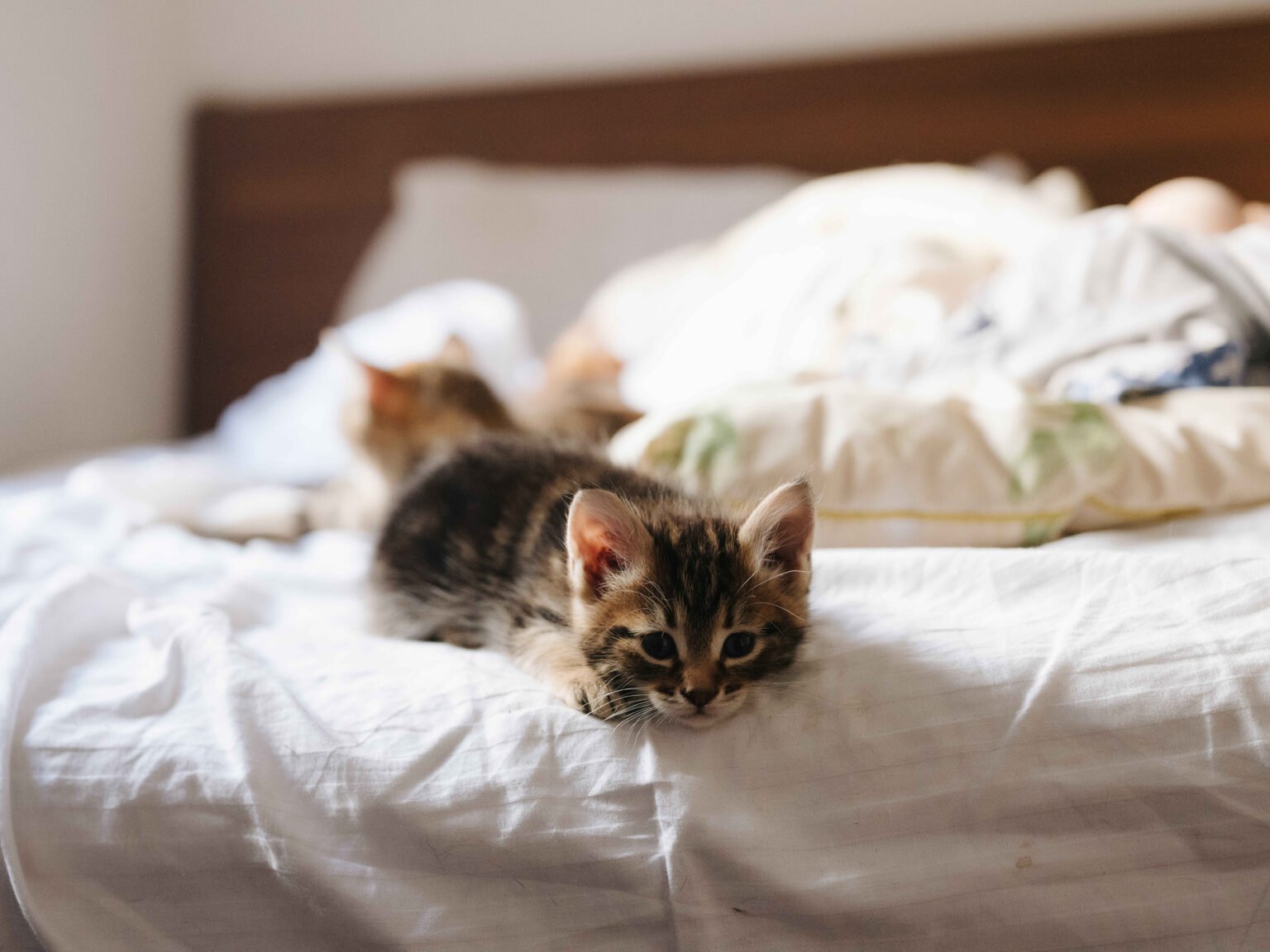
Fading kitten syndrome describes a serious decline in a newborn or very young kitten that is failing to thrive. Affected kittens may stop nursing, lose weight, become weak or lethargic, and develop problems such as hypothermia or low blood sugar. Because newborn kittens can deteriorate quickly, recognizing the early signs and getting veterinary help promptly is important.
Fading kitten syndrome is not a single disease. It can result from several underlying problems, including inadequate nutrition, infection, congenital abnormalities, and problems affecting the mother or litter.
Fading kitten syndrome is a general term used to describe a newborn or very young kitten that fails to thrive and progressively deteriorates. It is not a single disease and can have several underlying causes. Early signs include a failure to gain weight, weakness, and a loss of the nursing reflex. Immediate veterinary assessment is required.
What Is Fading Kitten Syndrome?
To understand what fading kitten syndrome means, you have to look at the developmental timeline of a cat. Newborn kittens are born deaf, blind, and unable to regulate their own body temperature. They rely entirely on their mother for warmth, nutrition, and immune protection.
Fading kitten syndrome is a general term used to describe a newborn or very young kitten that fails to thrive and progressively deteriorates. According to the Merck Veterinary Manual, neonatal mortality can be high in felines, and fading kittens often decline without an immediately obvious external injury or illness.
What Causes Fading Kitten Syndrome?
Because the syndrome describes a pattern of decline rather than a single illness, finding out exactly what causes fading kitten syndrome in a specific litter requires veterinary diagnostics. The causes generally fall into four main categories:
1. Maternal Factors
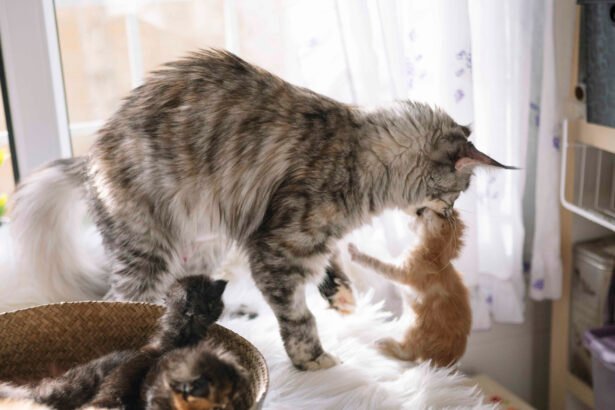
Sometimes, the mother cat is unable to provide the necessary care. If a mother cat suffers from mastitis, the condition can make nursing painful and may interfere with the mother’s ability to care for her kittens. Alternatively, if she is a stressed first-time mother, she may exhibit maternal neglect, pushing the kitten away before it can ingest colostrum (the vital, antibody-rich first milk).
2. Environmental Factors
Because kittens cannot shiver to generate heat, hypothermia is a leading cause of neonatal decline. A kitten that becomes too cold will lose its suckle reflex, meaning it stops eating. This quickly cascades into hypoglycemia (dangerously low blood sugar) and severe dehydration.
3. Congenital Defects
Some kittens are born with congenital abnormalities that interfere with normal feeding, development, or organ function. Examples can include cleft palate and serious heart or other developmental defects.
4. Infectious Agents
A kitten’s immune system is incredibly weak at birth. Bacterial infections (such as sepsis), viral infections (like feline leukemia virus or panleukopenia), and heavy loads of intestinal parasites can overwhelm a tiny kitten’s body.
What Are the First Signs of Fading Kitten Syndrome?
One of the most common questions owners ask is: What does fading kitten syndrome look like?
The decline is often subtle at first. Recognizing the early signs of fading kitten syndrome can help you seek veterinary care before the kitten’s condition becomes more serious. Because newborns sleep the vast majority of the day, owners must look closely for these early signs:
- Failure to Gain Weight: A healthy kitten should gain weight steadily. A kitten that stops gaining weight or begins losing weight needs prompt attention. Weighing kittens daily is strongly recommended; as a general benchmark, healthy kittens generally gain 50 to 100 grams per week.
- Weak Suckle Reflex: A healthy kitten latches onto a nipple or bottle with vigor. A fading kitten will weakly mouth the nipple or let the milk dribble out.
- Excessive Vocalization: While healthy kittens sleep quietly in a pile, a kitten that is cold, in pain, or starving may cry continuously.
- Lethargy and Isolation: A fading kitten may lack the energy to crawl toward the mother’s warmth and is often found sleeping alone on the cooler edges of the nesting box.
- Hypothermia: The kitten feels noticeably cool or cold to the human touch, particularly on their ears and paw pads.
What to Do if You Suspect Fading Kitten Syndrome
If you check search trends, you will see hundreds of people asking how to cure fading kitten syndrome at home. It is critical to address this directly: fading kitten syndrome can have multiple underlying causes and may become life-threatening quickly. A kitten showing signs of fading needs prompt veterinary assessment.
Home care may provide supportive measures in some situations, but it should not be treated as a substitute for veterinary diagnosis and treatment. If your kitten is declining, take these immediate steps while contacting an emergency veterinarian:
- Keep the Kitten Warm: A chilled kitten needs gradual rewarming. Use a controlled, indirect heat source and make sure the kitten cannot come into direct contact with a heating element, as neonatal kittens can easily suffer severe burns. Seek veterinary guidance as soon as possible.
- Do NOT Force Feed: If the kitten is weak, cold, or unable to nurse, do not attempt to force-feed it. They lack the reflex to swallow properly and may inhale the fluid into their lungs, causing fatal aspiration pneumonia.
- Beware of Low Blood Sugar: Hypoglycemia can occur rapidly in neonates and may require immediate veterinary treatment. Contact an emergency veterinarian immediately for instructions while keeping the kitten warm.
How Veterinarians Diagnose Fading Kitten Syndrome
Fading kitten syndrome is not itself the final diagnosis. To treat the kitten effectively, the veterinarian must determine the specific underlying problem. A vet will assess the kitten to see whether the decline involves:
- Infection (bacterial or viral)
- Inadequate nutrition or failure to nurse
- Hypothermia (low body temperature)
- Dehydration
- Congenital abnormalities
- Maternal problems (such as a lack of milk or mastitis)
- Parasites
- Other neonatal disorders
This diagnostic step is vital because the entire treatment strategy depends heavily on the root cause identified by the veterinarian.
Can Fading Kitten Syndrome Be Treated?
Yes, but treatment is highly dependent on the underlying cause. Once at the veterinary clinic, the vet will rapidly assess the kitten’s temperature, hydration status, and blood sugar levels.
Depending on the underlying cause, a veterinarian may provide:
- Warmed fluids to combat severe dehydration.
- Glucose support to stabilize dangerously low blood sugar.
- Assisted feeding (such as safe tube feeding) if the kitten is too weak to suckle.
- Antibiotics if bacterial sepsis or an infection is suspected.
- Oxygen therapy for kittens struggling to breathe.
Can a Kitten Survive Fading Kitten Syndrome?
A major concern for owners is the prognosis. Can fading kittens be saved?
When the underlying problem is identified and treated early, some kittens can recover. Treatment may include warming, nutritional support, fluids, glucose support, or treatment for an underlying infection, depending on the cause.
However, if the kitten is fading due to a severe congenital heart defect or an overwhelming viral infection, the chances of survival are tragically low. The key to giving a kitten the best chance is catching the physical decline—like a lack of weight gain—before the kitten’s organs begin to fail.
When Is It an Emergency?
Fading kitten syndrome is always an emergency. You should seek veterinary help immediately if the kitten is:
- Gasping for air or open-mouth breathing.
- Completely limp or unresponsive when picked up.
- Cold to the touch and unable to be warmed.
- Refusing to swallow or latch onto a nipple.
How to Prevent Fading Kitten Syndrome
While congenital defects cannot be avoided, many environmental and nutritional causes of fading kitten syndrome can be actively prevented through meticulous newborn kitten care.
Weigh Kittens Daily
One of the most useful tools for monitoring newborn kittens is a digital kitchen scale. Weigh every kitten at the same time each day. A failure to gain weight can be an early indicator that something is wrong, often appearing well before the kitten starts acting visibly sick.
Ensure Colostrum Intake
Kittens need to receive colostrum soon after birth because it provides antibodies that support early immune protection. If a kitten is unable to nurse, veterinary guidance is important to determine how it should receive appropriate nutritional and immune support.
Control the Environment
Keep the nesting box in a draft-free, quiet, and consistently warm room. The Cornell Feline Health Center emphasizes that maintaining a proper ambient temperature is critical to preventing hypothermia, which is a leading cascade trigger for neonatal decline.
Monitor the Mother
A healthy mother makes for healthy kittens. Feed the queen a high-quality, high-calorie diet and monitor her closely for signs of mastitis or postpartum infections, which could cause her to abruptly stop caring for the litter.
Conclusion
Fading kitten syndrome is a heartbreaking reality of feline breeding and rescue, but being educated is your best defense. By understanding how to recognize fading kitten syndrome symptoms—such as a weak suckle, weight loss, and hypothermia—you can step in before it is too late. While safe, indirect warming can help initially, prompt veterinary assessment and diagnosis are the true keys to giving these fragile lives a fighting chance.
Sources & References
- Merck Veterinary Manual: Management of the Neonatal Kitten and Causes of Mortality
- Cornell University College of Veterinary Medicine: Fading Kitten Syndrome Information
- ASPCA: Newborn Kitten Care, Bottle Feeding, and Emergency Protocols
Frequently Asked Questions (FAQ)
What is fading kitten syndrome?
Fading kitten syndrome is a general term used to describe a newborn or very young kitten that fails to thrive and progressively deteriorates. It is not a single disease, but a collection of symptoms caused by underlying issues like infections, congenital defects, hypothermia, or lack of maternal care.
How long does fading kitten syndrome last?
Fading kittens can deteriorate very quickly, sometimes over a matter of hours. Prompt veterinary assessment is important, as the condition can become fatal without rapid medical intervention to address the root cause.
Can fading kitten syndrome be reversed?
In some cases, yes. If the underlying cause is hypothermia, low blood sugar, or mild dehydration, safe warming and veterinary fluid/nutritional support can often reverse the decline. However, if the cause is a severe congenital defect or overwhelming infection, it may not be reversible.
What does fading kitten syndrome look like?
A fading kitten will typically feel cold to the touch, exhibit extreme lethargy, fail to gain weight steadily, and lose its nursing reflex. They may sleep away from the litter, cry continuously, or eventually become completely unresponsive.
Can a kitten be saved from fading kitten syndrome?
Yes, many fading kittens can be saved if the signs are caught early and immediate veterinary treatment is administered to identify and treat the exact cause of the decline.
When can you stop worrying about fading kitten syndrome?
Very young kittens are particularly vulnerable because they have limited ability to regulate body temperature and maintain blood glucose. Risk generally decreases as kittens mature, begin eating independently, and develop better thermoregulation.
How do I know if my kitten is fading or just tired?
Healthy kittens sleep a lot, but when they wake, they should be active, vocal, and nurse vigorously. A fading kitten will feel cold, lack the energy to nurse, fail to gain weight, and will either cry continuously or become completely limp when handled.