
Walking down the pet food aisle can be an overwhelming experience for any cat parent. Between the endless rows of shiny cans and colorful bags of kibble, you are inevitably faced with one of the most hotly debated questions in feline nutrition: the great wet vs dry cat food dilemma. Every owner wants to provide the absolute best for their furry companion, but conflicting advice from friends, breeders, and pet store employees often makes the decision incredibly confusing.
If you find yourself wondering, is wet or dry food better for cats, the truth is that there is no single, universal answer that applies to every feline. A cat’s optimal diet depends heavily on their age, lifestyle, weight, and specific medical history. While wet food provides critical hydration that mimics a cat’s natural ancestral diet, dry food offers unparalleled convenience and cost-effectiveness for busy households.
In this comprehensive guide, we will break down the precise nutritional differences, outline the pros and cons of wet cat food compared to kibble, and explore exactly how to establish a healthy mixed feeding for cats routine. By the end of this article, you will have all the vet-approved knowledge you need to determine exactly what the best diet for indoor cats looks like in your home.
What Is the Difference Between Wet and Dry Cat Food?
Before deciding should cats eat wet or dry food, it is crucial to understand how these two diets are manufactured and formulated. The fundamental differences boil down to moisture content, macronutrient balance, and processing methods.
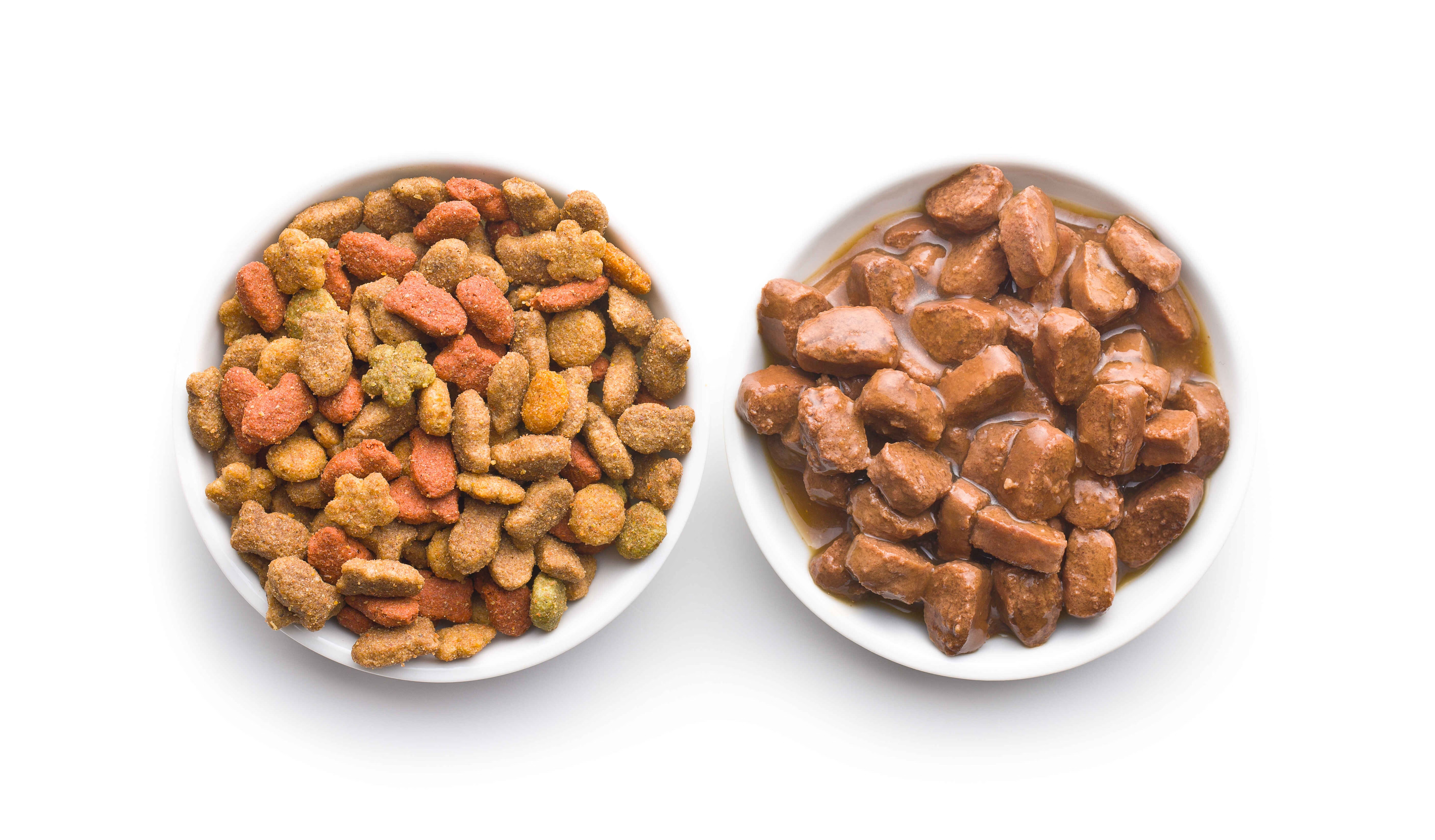
Dry cat food, commonly known as kibble, contains approximately 10 percent water. To achieve that familiar crunchy texture, manufacturers must extrude the ingredients at high temperatures and use carbohydrate-heavy binding agents—like potatoes, peas, corn, or wheat—to hold the shape together. Because of this necessary manufacturing process, dry food is inherently higher in carbohydrates and vastly more calorie-dense than canned diets.
Conversely, wet cat food contains roughly 70 to 80 percent water. Because it is canned and sterilized inside the tin, it does not require heavy carbohydrate binders to hold a shape. This allows wet food to be formulated much closer to a cat’s natural biological diet: high in animal protein, moderate in healthy fats, and incredibly low in carbohydrates.
Benefits of Wet Cat Food
When asking is wet food healthier for cats, many veterinary nutritionists lean toward a resounding yes, primarily due to its close resemblance to natural prey. Exploring the benefits of wet cat food reveals why it is so frequently prescribed for preventative care.
- Superior Hydration: In the wild, cats obtain almost all of their necessary moisture directly from the bodies of their prey. As a result, domestic felines possess a remarkably low natural thirst drive. Wet food for hydration in cats is critical because it forces them to consume water with every meal, protecting their kidneys and urinary tract.
- High Protein and Low Carbs: Wet food is an excellent way to ensure your obligate carnivore is getting the high-quality, meat-based protein they need to build muscle without the empty, fattening carbohydrates found in kibble.
- High Palatability: The strong aroma and soft texture of canned food make it incredibly appealing to felines. It is often the only way to convince a sick, senior, or highly finicky cat to eat.
However, when weighing the pros and cons of wet cat food, there are a few drawbacks. It is significantly more expensive than kibble, spoils rapidly if left out at room temperature for more than a few hours, and requires careful storage and refrigeration after opening.
Benefits of Dry Cat Food
Despite the nutritional advantages of canned diets, kibble remains the most popular choice for pet owners worldwide. The benefits of dry cat food largely revolve around human convenience and financial practicality.
- Cost-Effectiveness: Dry food is undeniably more affordable per serving than wet food, making it the go-to choice for multi-cat households and feral colony caretakers.
- Unmatched Convenience: Kibble is easy to store, does not require refrigeration, and can be measured out quickly on busy mornings.
- Suitable for Puzzle Feeders: Dry food is perfectly suited for use in slow-feeder bowls and interactive puzzle toys. This provides excellent mental stimulation for bored indoor cats, encouraging them to “hunt” for their meals.
When considering the pros and cons of dry cat food, the major downsides are the lack of moisture and the high carbohydrate density. Furthermore, you must address a very common myth: does dry food clean cats teeth? For the vast majority of standard kibble, the answer is no. Most cats swallow kibble whole or shatter it in one bite, providing absolutely no abrasive scraping action on the gumline. Only specific, veterinary-prescribed dental diets are clinically proven to reduce tartar buildup.
Best Wet vs Dry Cat Food Comparison
To help you visualize the differences quickly, here is a clear, side-by-side best wet vs dry cat food comparison to guide your daily feeding decisions.
| Feature | Wet Cat Food | Dry Cat Food (Kibble) |
|---|---|---|
| Moisture Content | 70% to 80% (Excellent hydration) | 10% to 12% (Requires supplemental water) |
| Carbohydrate Level | Very Low (Closest to a natural diet) | Moderate to High (Used as binding agents) |
| Caloric Density | Lower (Great for larger, filling portions) | Higher (Easy to accidentally overfeed) |
| Cost per Serving | Higher | Lower |
| Shelf Life (Opened) | Spoils in a few hours at room temperature; 3-5 days in the fridge | Can be left out safely all day; lasts weeks in a sealed bin |
Wet vs Dry Cat Food for Hydration and Urinary Health
If there is one specific medical area where wet food undeniably outshines dry kibble, it is in the realm of urinary and renal health. Feline Lower Urinary Tract Disease (FLUTD), which encompasses painful conditions like bladder stones, severe crystal formation, and Feline Idiopathic Cystitis (FIC), is incredibly common and highly dangerous.
According to comprehensive veterinary resources provided by the Cornell Feline Health Center regarding urinary tract disease, ensuring your cat consumes a high volume of water is the single most effective way to prevent crystal formation. Wet food acts to dilute the cat’s urine, making it far less concentrated and significantly less likely to form painful blockages. For cats with a history of urinary blockages or chronic kidney disease, an exclusive wet food diet is almost always a strict veterinary mandate.
Which Is Better for Weight Management?
When analyzing dry food vs wet food for weight loss, canned food is generally the winner. The reasoning behind this is two-fold: water volume and carbohydrate density.
Because wet food is roughly 75 percent water, it takes up substantial physical space in the cat’s stomach without adding a single calorie. This creates a strong feeling of satiety, keeping the cat comfortably full and drastically reducing begging behaviors. Furthermore, dry kibble is highly calorically dense. It takes only a tiny, unmeasured handful of extra dry food every day to push an indoor cat into obesity. If you are struggling to manage a chubby feline, transitioning the bulk of their calories to a high-protein wet food is widely considered the best diet for indoor cats seeking to safely shed fat while preserving muscle mass.
Can You Feed Cats Both Wet and Dry Food?
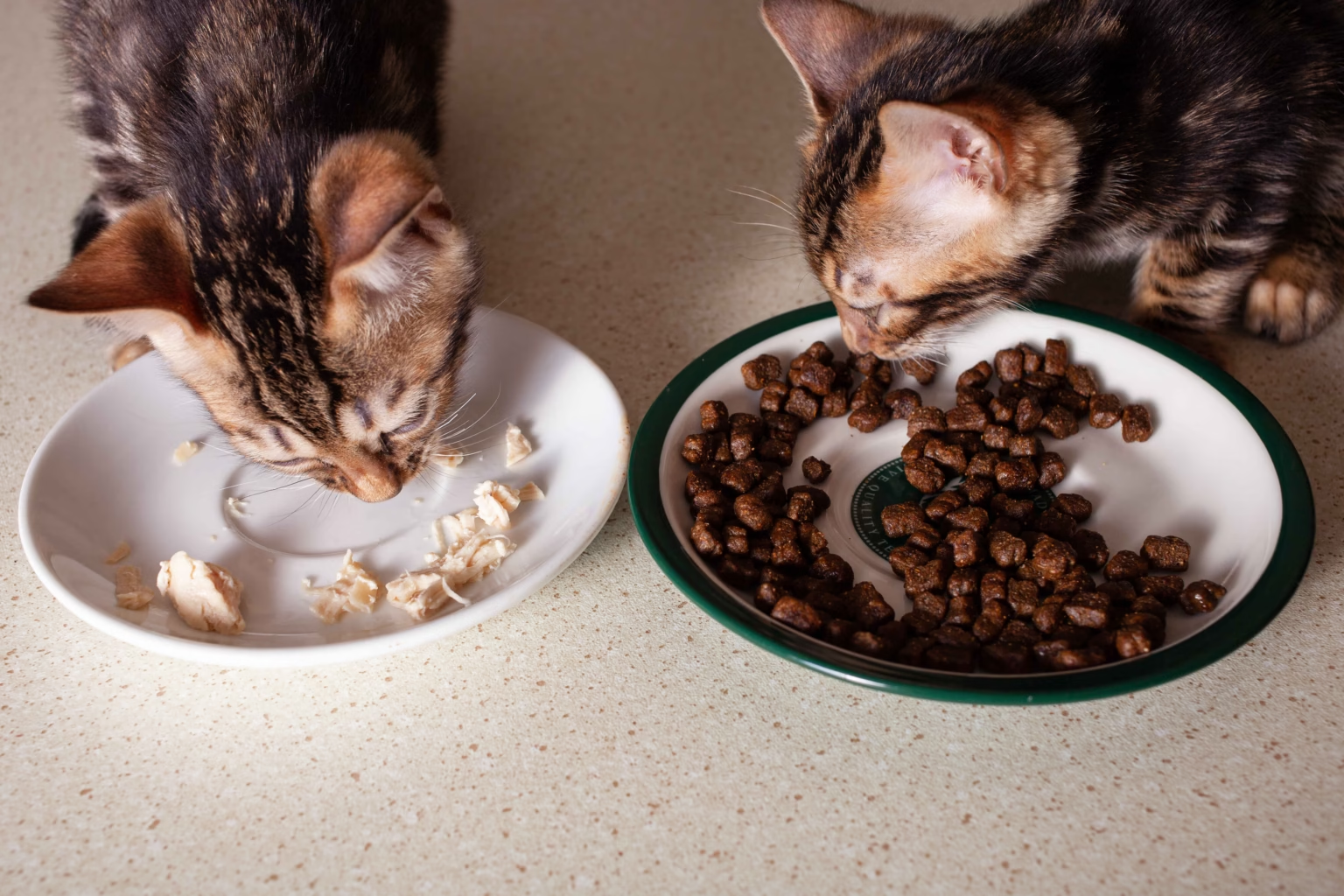
Absolutely. You do not have to choose just one format. In fact, many veterinarians highly recommend mixed feeding for cats. If you are wondering can cats eat both wet and dry food, the answer is yes, and combining them offers a fantastic balance of hydration, high protein, convenience, and affordability.
The trick is learning exactly how much wet and dry food to feed a cat so you do not accidentally double their daily calories. You must calculate their total daily caloric requirement and divide it between the two formats. Here are two highly effective examples of a mixed-feeding routine:
- The Split Schedule: Feed a measured portion of moisture-rich wet food in the morning and evening for breakfast and dinner. Right before you go to bed, place a small, carefully measured portion of dry kibble into a puzzle toy. This provides them with a midnight snack that burns energy and prevents them from waking you up at 4 a.m.
- The Kibble Topper Method: If your budget requires you to rely mostly on dry food, use wet food as a daily supplement. Measure out their daily kibble allowance, and mix a spoonful or two of wet food (or a low-sodium bone broth) directly into the dry kibble to drastically increase their daily water intake and boost the meal’s palatability.
How to Choose the Right Option for Your Cat (Condition-Based)
Ultimately, the wet food vs dry food for cats debate should be settled based on your individual cat’s specific lifestyle and medical needs. Here is a quick guide to condition-based recommendations:
- For Overweight or Obese Cats: Rely heavily on wet food. The high moisture content provides maximum satiety with minimal calories, preventing relentless begging.
- For Cats with Kidney or Urinary Issues: A 100% wet food diet is strongly recommended by veterinarians to maximize hydration and flush the urinary tract constantly.
- For Highly Picky Eaters: Canned food, especially stews or pates warmed slightly in the microwave, provides a potent aroma that is incredibly hard for finicky cats to resist.
- For Budget-Conscious Homes and Feral Colonies: High-quality dry food is the most practical, hygienic, and affordable way to feed multiple cats safely.
- For Dental Issues: If your cat has severe dental decay or has had teeth extracted, soft wet food or kibble softened with warm water is necessary to prevent pain while chewing.
🚨 Crucial Transition Advice
Whether you are switching from dry to wet, wet to dry, or introducing a brand-new mixed feeding routine, never make the change overnight. Feline digestive tracts are incredibly sensitive. As recommended by the AVMA regarding dietary changes, you must transition the food slowly over a 7 to 10-day period. Gradually mix the new food into the old food, slowly increasing the new ratio to prevent severe diarrhea and stomach upset.
Conclusion
When it comes to the wet vs dry cat food debate, knowledge is your most powerful tool. By understanding the profound benefits of wet food for hydration and weight management, alongside the undeniable convenience and affordability of dry kibble, you can confidently craft a diet that perfectly suits your lifestyle and your cat’s biological needs. For most indoor cats, a structured mixed-feeding routine provides the ultimate balance of health and practicality. Always consult your trusted veterinarian to calculate exact caloric needs, and enjoy watching your feline friend thrive on their carefully curated diet.
Frequently Asked Questions (FAQ)
Is wet food healthier than dry food?
In many ways, yes. Veterinary nutritionists generally consider wet food to be healthier because its high moisture content directly protects against chronic kidney disease and painful urinary tract blockages. Additionally, it is naturally much lower in carbohydrates, making it closer to a cat’s biological ancestral diet and vastly superior for preventing feline obesity.
Can cats live on dry food only?
Yes, cats can absolutely survive and live long lives on a high-quality, 100% dry food diet, provided it is labeled “complete and balanced” by AAFCO standards. However, because cats have a very low thirst drive, an owner feeding exclusively dry food must be incredibly vigilant about encouraging water consumption by using multiple water fountains placed throughout the home.
Do vets recommend wet or dry food?
Most modern veterinarians recommend a mixed feeding approach, heavily favoring wet food. They strongly advocate for wet food if a cat has any history of urinary issues, diabetes, or obesity. However, they recognize that high-quality dry food is a perfectly acceptable, practical option for healthy, active cats who drink plenty of fresh water.
Does dry food really clean a cat’s teeth?
This is a very common myth. Standard dry kibble does not effectively clean a cat’s teeth. Most cats either swallow the small kibble pieces whole or shatter them with the very tips of their teeth, providing absolutely no abrasive scraping action along the gumline. Only specific, veterinary-prescribed dental diets with a uniquely engineered matrix are clinically proven to scrape away tartar.
How long can I leave wet cat food out in the bowl?
Wet cat food spoils very quickly when exposed to room temperature air. To prevent harmful bacterial growth and foodborne illness, any uneaten wet food should be picked up, covered, and refrigerated after a maximum of two to four hours. Dry food, however, can safely remain in the bowl all day.
References & Further Reading
- Cornell Feline Health Center: Comprehensive insights into Feline Lower Urinary Tract Disease (FLUTD) and hydration.
- American Veterinary Medical Association (AVMA): Guidelines on preventative healthcare, dietary transitions, and managing senior pet nutrition.
- American Society for the Prevention of Cruelty to Animals (ASPCA): Expert tips on establishing a complete and balanced feline diet.