


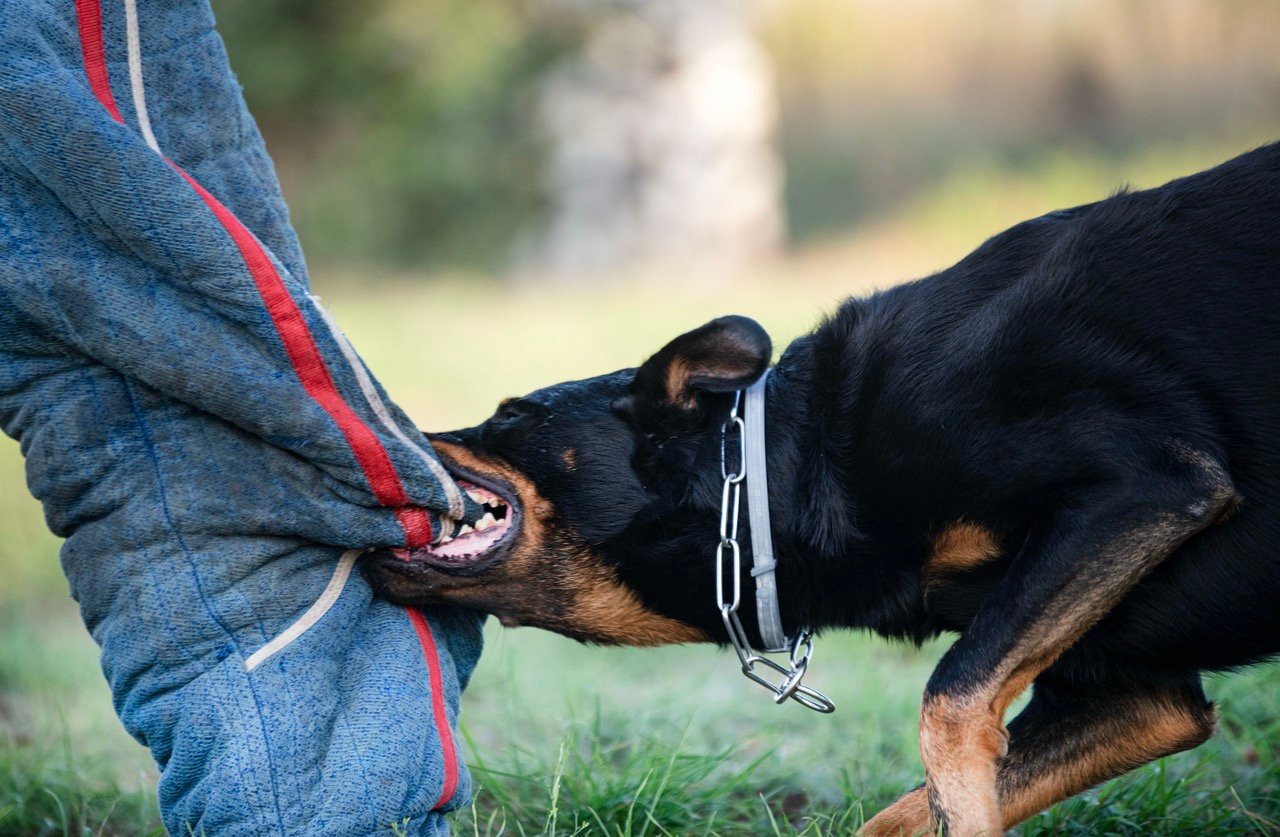
Figuring out how to stop a dog from biting is one of the most urgent and stressful challenges a pet parent can face. Having a dog that bites or nips can be incredibly scary, but a comprehensive training guide isn’t just about yelling commands, it’s about understanding your dog’s behavior, building trust, and creating healthy habits from day one. Learn more about understanding deep-rooted dog behavior problems before they escalate.
- How to Stop a Dog from Biting: First Understand the Root Cause
- Warning Signs a Dog Is About to Bite
- Puppy Biting vs Aggressive Biting (Important Difference)
- What Triggers Dog Bites?
- How to Stop Dog Biting Fast (Quick Fixes That Work)
- What Is the 3-Second Rule for Dogs?
- How to Stop Dog Biting in Puppies (Step-by-Step)
- How to Stop an Adult Dog from Biting
- How Do You Discipline a Dog That Keeps Biting?
- Can an Aggressive Dog Be Trained Not to Bite?
- What NOT to Do
- At What Age Do Dogs Stop Biting?
- What Happens If a Dog Bites You?
- When Should You Worry About Biting?
- Quick Training Checklist
- Final Thoughts: Stopping Dog Biting Starts with Understanding
- Frequently Asked Questions (FAQs)
Learning how to stop dog biting requires you to identify the root cause of the behavior. Whether you are dealing with a teething puppy or an adult dog acting out of fear, this step-by-step guide will show you exactly how to stop the biting safely and effectively.
You stop a dog from biting by identifying the cause (fear, play, pain, or aggression), teaching bite inhibition, redirecting behavior, and using consistent training techniques. Puppies require gentle correction, while adult dogs may need structured training or professional help.
Quick Summary: How to Stop Dog Biting
- Identify the trigger
- Teach bite inhibition
- Redirect behavior
- Avoid punishment
- Reward calm actions
🐶 Real Example: Why Dogs Bite Suddenly
Many owners believe their dog “bit out of nowhere,” but in reality, warning signs were simply missed. For example, a dog that suddenly stiffens, avoids eye contact, or repeatedly licks its lips before snapping is already showing severe stress signals.
In almost all cases I’ve seen, bites happen when a dog feels cornered, especially around food, high-value toys, or when they are in physical pain and someone touches the sensitive area.
How to Stop a Dog from Biting: First Understand the Root Cause
To fix the problem, you first need to understand why dogs bite. Dogs rarely bite “randomly.” A bite is almost always a physical reaction to an overwhelming external stimulus. According to the American Veterinary Medical Association (AVMA), professional trainers and veterinary behaviorists agree that most dog biting behavior can be corrected with early intervention and consistent training.
When evaluating dog biting behavior, consider the context. Dogs usually bite out of fear, physical pain, a need to protect their resources, over-the-top play behavior, or deep frustration. Recognizing these underlying emotions is the first step in knowing how to stop dog biting before it ever happens.
Warning Signs a Dog Is About to Bite
Proper dog bite prevention—and understanding how to stop dog biting entirely—relies heavily on reading canine body language. Dogs will almost always try to warn you before they use their teeth. If you see these signs, back away immediately:
- Stiff body: The dog suddenly freezes and becomes rigid.
- Whale eye: You can see the whites of their eyes as they turn their head slightly away.
- Lip licking or yawning: Done out of context, these are classic appeasement and stress signals.
- Growling or snarling: The clearest vocal warning to back off.
- Tucked tail and pinned ears: A sign of extreme fear, which often leads to defensive biting.
Puppy Biting vs Aggressive Biting (Important Difference)
Not all bites are created equal. Understanding the difference between normal dog nipping behavior and true aggression is vital for your safety and your dog’s training plan.
Puppy Mouthing (Normal)
Puppies explore the world with their mouths. Puppy teething biting and gentle mouthing during playtime are completely normal developmental stages. The ASPCA notes that play biting is not a sign of aggression; it is simply how they play, interact, and relieve gum pain.
Aggressive Biting (Danger)
Conversely, aggressive dog behavior looks entirely different. If the bite is accompanied by a stiff body, intense staring, deep growling, or repeated lunging attacks, this is a dangerous situation that requires immediate, structured intervention.
What Triggers Dog Bites?
Most dog bites are preventable if you know what to look for. Here are the most common dog aggression causes and bite triggers:
Fear and Anxiety
A terrified dog will trigger a “fight or flight” response. If they feel cornered and cannot escape, they will bite to defend themselves. Chronic fear often requires a structured dog anxiety management plan.
Resource Guarding
Dogs instinctively protect what they value. If a dog feels threatened while eating, chewing a high-value bone, or resting in their favorite bed, they may snap to protect their resource.
Pain or Injury
Even the sweetest dog will bite if they are in agonizing pain. Hidden issues, like severe ear infections or painful dog skin problems, can cause a dog to snap defensively when touched.
Overstimulation
Sometimes, play just goes too far. A dog that is overly excited can lose impulse control, turning innocent playtime into painful, bruising nips. You may also see obsessive behavioral stress signals, which is often why dogs lick their paws excessively after getting too worked up.
How to Stop Dog Biting Fast (Quick Fixes That Work)
If you need to know how to stop dog biting fast in the heat of the moment, follow this immediate protocol to de-escalate the situation:
- Stop interaction immediately: The second teeth touch skin, freeze and stop moving.
- Redirect to a toy: Shove a high-value chew toy into their mouth to replace your hand.
- Remove your attention: Stand up, turn your back, and cross your arms.
- Avoid overstimulation: Lower your voice and stop waving your hands around, which only encourages prey drive.
What Is the 3-Second Rule for Dogs?
When socializing a dog or introducing them to new people, professionals use the 3-second rule to prevent escalation and reduce stress-triggered bites.
This rule involves allowing a short, controlled interaction for exactly three seconds, then calling the dog away or stepping back. It prevents the dog from becoming overstimulated or trapped. If the dog wants to continue interacting, they will approach you; if not, you have successfully avoided pushing them past their threshold.
How to Stop Dog Biting in Puppies (Step-by-Step)
If you are struggling with a land-shark at home, learning how to stop dog biting in puppies is all about patience and redirection.
Teach Bite Inhibition
Teaching bite inhibition is critical. It is a dog’s ability to control the force of their mouth. If your puppy bites too hard during play, immediately let out a loud, high-pitched “Yelp!” and let your hand go limp. This mimics how their littermates would react and teaches them that hard bites end the fun.
Redirect to Toys
Never use your bare hands to wrestle. Always keep a toy nearby. When the puppy goes for your fingers, immediately place a chew toy in their mouth instead. Praise them heavily when they chew the toy.
Use the Time-Out Method
If the puppy is too overstimulated and keeps biting, calmly stand up, turn your back, and completely ignore them for 30 seconds. Removing your attention is a powerful training tool that teaches them biting makes their favorite person go away.
How to Stop an Adult Dog from Biting
When looking into how to stop dog biting in older dogs, it requires a structured dog behavior training approach, especially when dealing with aggressive dog training scenarios. Adult bites can cause severe damage, so the tone must be serious.
Identify the Trigger
You cannot stop the behavior if you do not know the cause. Carefully observe what happens right before the bite. Identifying the trigger allows you to manage the environment and prevent the dog from crossing their threshold.
Avoid Punishment (IMPORTANT)
Physical punishment will only escalate aggression. Hitting or yelling at a dog teaches them to fear you, which makes them much more likely to bite out of self-defense.
Use Positive Reinforcement
Reward calm behavior. If your dog gets anxious around strangers, reward them with high-value treats for remaining calm at a distance, slowly closing the gap over time.
How Do You Discipline a Dog That Keeps Biting?

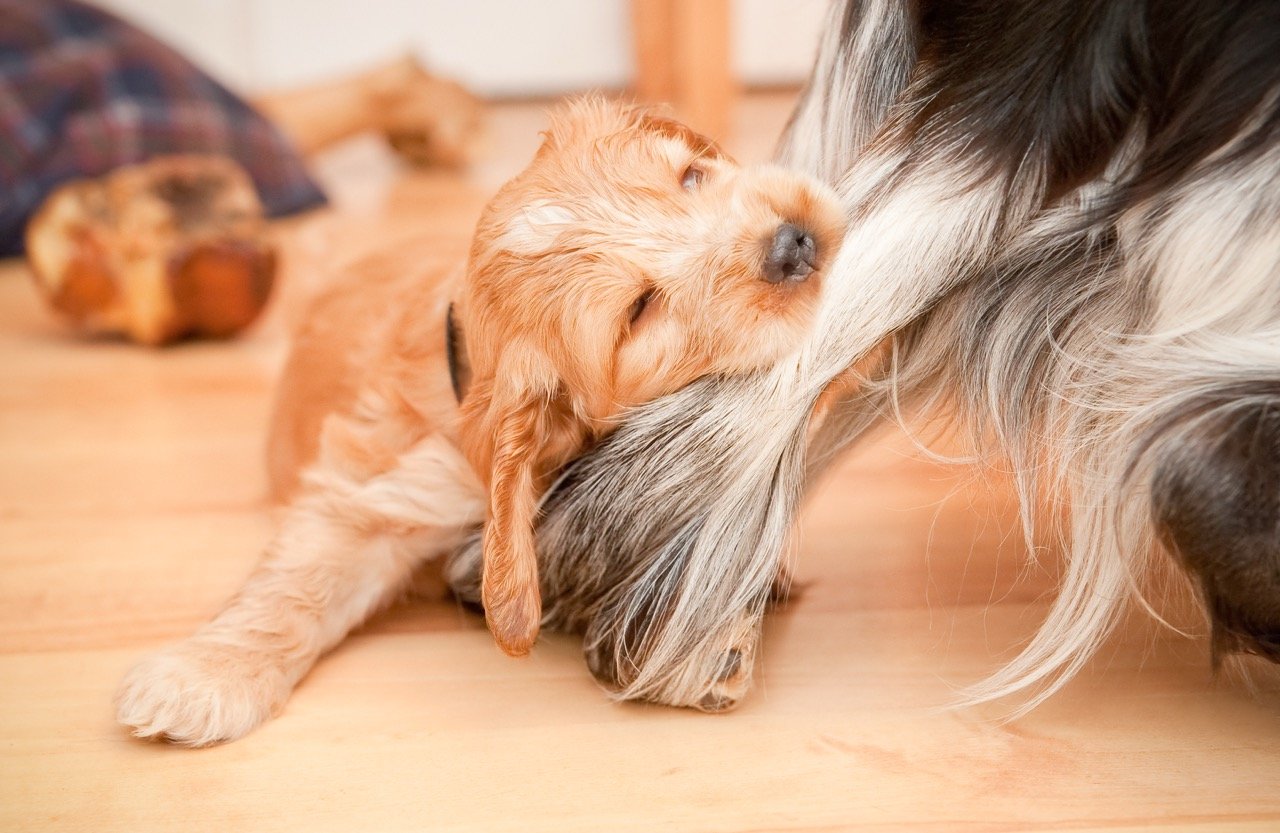
Many dog parents are researching how to stop dog biting wonder how to discipline their pet properly. The key is understanding that true discipline in dog training means teaching, not punishing.
Discipline involves structure and boundaries. If a dog bites, you remove your attention immediately and calmly separate them from the fun. Use calm voice corrections (like a sharp “Ah-ah” or “No”) to interrupt the behavior, then instantly reinforce them when they make a better choice. Ultimately, the foundation of how to stop dog biting involves teaching the dog alternative, positive behaviors.
Can an Aggressive Dog Be Trained Not to Bite?
Yes, but it requires highly structured aggressive dog training. Behavioral rehabilitation definitely exists, but success depends heavily on the severity of the aggression and the owner’s consistency.
Early intervention results in a much higher success rate. If your dog has already broken the skin or acts unpredictably, do not try to fix it alone. Consult a certified veterinary behaviorist or a professional positive-reinforcement trainer immediately.
What NOT to Do
When figuring out how to stop dog biting, your reaction can either defuse the situation or make it permanently worse.
- ❌ Don’t hit or yell: Violence breeds violence. Physical corrections destroy trust.
- ❌ Don’t use “alpha dominance” myths: “Alpha rolling” or pinning a dog down is scientifically debunked and often triggers severe defensive bites.
- ❌ Don’t punish growling: A growl is a dog’s warning system. If you punish the growl, the dog learns to skip the warning and bite without notice.
At What Age Do Dogs Stop Biting?
For puppies, the intense biting and mouthing phase usually peaks around 4 to 6 months of age during their teething phase. Once their adult teeth fully set in, the constant urge to chew usually subsides.
For adult dogs, the behavior does not magically disappear with age; it will only stop when the underlying trigger is addressed through consistent training.
What Happens If a Dog Bites You?
Safety must always come first. According to the CDC, dog bites are more common than most people think, with millions of cases reported each year, many of which are completely preventable through proper training and awareness.
If a dog bites you and breaks the skin, wash the wound immediately with warm soap and water to reduce the infection risk. Dog mouths harbor bacteria that can cause severe infections. You should always seek medical care for deep punctures.
When Should You Worry About Biting?
You need to take immediate action if your dog is exhibiting unpredictable aggression. You should worry if the dog is repeatedly biting, actively breaking the skin, or lunging without any obvious provocation.
A dog that bites without giving prior warning signals (like growling or stiffening) is highly dangerous and requires immediate intervention from a veterinary behaviorist.
Quick Training Checklist
- Stop play immediately: The second teeth touch skin, the fun ends.
- Redirect to toys: Always offer an acceptable chewing alternative.
- Reward calm behavior: Praise your dog when they choose not to bite.
- Stay consistent: Ensure everyone in the house follows the exact same rules.
Final Thoughts: Stopping Dog Biting Starts with Understanding
Behavior is communication. Your dog is not biting to be malicious; they are reacting to their environment, their fears, or their physical state. Consistency always beats punishment when trying to reshape these intense reactions.
The most effective method for how to stop dog biting is proactive socialization. The earlier you address biting behavior, the easier it is to correct. Ignoring the problem often makes it worse. With patience, clear boundaries, and the right training approach, you can teach your dog that a calm demeanor is far more rewarding than using their teeth.References & Scientific Further Reading
- American Veterinary Medical Association (AVMA): Dog Bite Prevention and Canine Behavior
- ASPCA: Mouthing, Nipping and Play Biting in Dogs
- Centers for Disease Control and Prevention (CDC): Preventing Dog Bites and Infection Care
Frequently Asked Questions (FAQs)
How do I stop my dog from biting me?
To stop your dog from biting, you must teach them that teeth on skin means playtime is over. Redirect their mouth to a chew toy immediately. If they persist, stand up and ignore them for 30 seconds to remove all attention.
Can you correct a dog that bites?
Yes, but corrections must be behavioral, not physical. Never hit or yell at a biting dog. Instead, correct the behavior by withdrawing your attention, redirecting them to a toy, and heavily rewarding them when they are calm and gentle.
Can a dog be trained not to bite?
Yes, dogs can be trained not to bite. It requires teaching strong bite inhibition, properly socializing the dog, and consistently redirecting their mouths to appropriate toys so they learn what is and isn’t acceptable to chew on.
How do you stop aggressive dog biting?
Stopping aggressive dog biting requires identifying the dog’s specific triggers, implementing a strict management plan to keep everyone safe, using positive-reinforcement counter-conditioning, and consulting a certified veterinary behaviorist for professional guidance.
Do dogs feel guilty after biting?
Dogs do not feel complex moral guilt like humans do. However, they are experts at reading human body language. If you look angry or upset after a bite, the dog will display appeasement behaviors (like tucking their tail) because they know you are unhappy, not because they feel guilty.
What triggers dog bites?
Dog bites are usually triggered by an intense emotional or physical response. The most common triggers include fear, resource guarding (protecting food or toys), physical pain from an injury, lack of proper socialization, or overwhelming overstimulation during play.
At what age do dogs stop biting?
Most puppies will naturally stop their intense teething and biting behavior between 4 to 6 months of age once their adult teeth have fully emerged. However, they still require bite inhibition training to ensure they do not carry nipping habits into adulthood.