


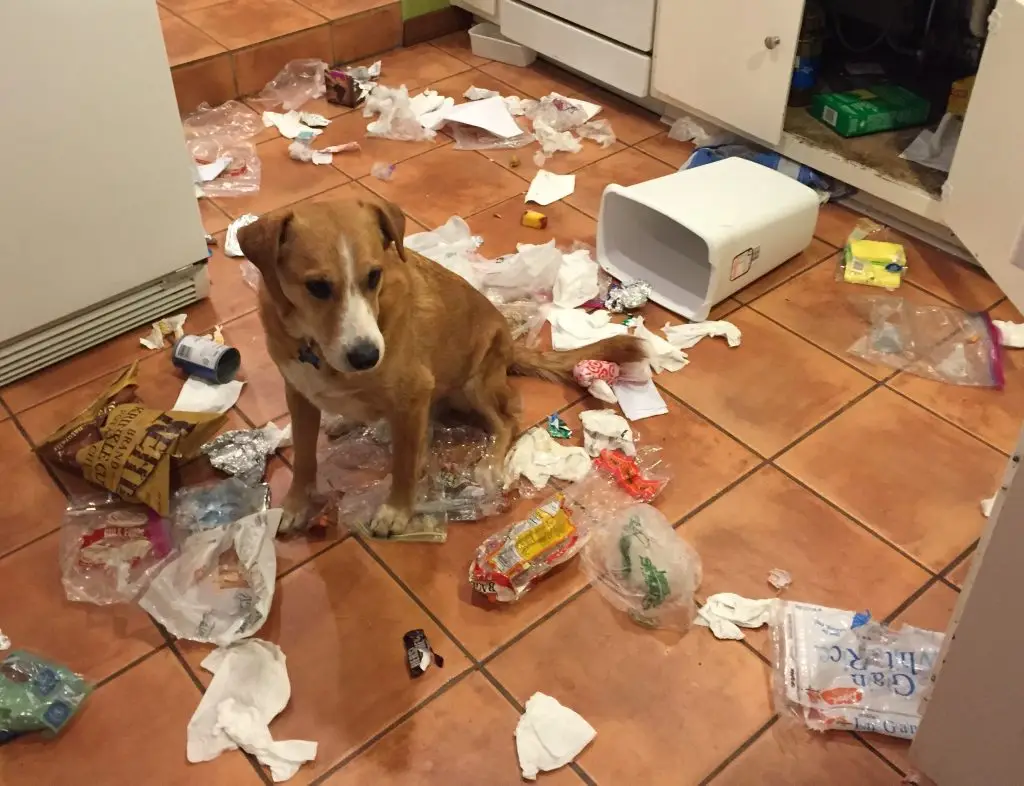
Every day, well-meaning pet parents find themselves incredibly frustrated by their dog’s seemingly unpredictable actions. Whether it is chewing up your favorite pair of shoes, barking endlessly at the mail carrier, or refusing to come when called, dealing with an unruly pup can be exhausting. Many pet owners struggle with their dog’s destructive or stubborn habits, but they often do not realize a fundamental truth: dogs generally do not misbehave out of spite.
- How to Understand What Your Dog’s Behavior Is Telling You
- 1. Identify the Exact Behavior
- 2. Identify When and Where It Happens
- 3. Identify the Trigger (The Antecedent)
- 4. Identify the Reward (The Consequence)
- The Most Common Reasons Dogs Develop Unwanted Behaviors
- Boredom and Lack of Enrichment
- Fear and Anxiety
- Inconsistent Training (Intermittent Reinforcement)
- Lack of Socialization
- Breed and Individual Differences
- Medical Problems
- How to Improve Dog Behavior Step by Step
- Step 1: Set Clear and Consistent Rules
- Step 2: Stop Accidentally Rewarding the Problem
- Step 3: Reward the Behavior You Want (Positive Reinforcement)
- Step 4: Meet Your Dog’s Physical Needs
- Step 5: Provide Mental Enrichment
- How to Deal With Specific Dog Behavior Problems
- How to Stop a Dog From Jumping on People
- How to Reduce Excessive Barking
- How to Stop Destructive Chewing
- How to Improve Recall When Your Dog Ignores You
- Socialization: What It Actually Means
- Why Punishment Can Make Behavior Worse
- When Dog Behavior Is Actually a Medical Problem
- When Should You Hire a Dog Trainer or Veterinary Behaviorist?
- A Practical Dog Behavior Troubleshooting Checklist
- Common Dog Behavior Mistakes Owners Make
- Frequently Asked Questions About Understanding Dog Behavior
- Why does my dog misbehave?
- How can I improve my dog’s behavior?
- How long does dog training take?
- Can an older dog still learn new behaviors?
- Why does my dog suddenly behave differently?
- Should I punish my dog for bad behavior?
- How much exercise does my dog need?
- When should I contact a professional dog behaviorist?
- Conclusion
- References
As highlighted by experts at the American Kennel Club (AKC), your dog’s behavior is a direct product of their environment, their past experiences, and their deep-rooted natural instincts. If you want to permanently stop the leash-pulling and the furniture-chewing, you have to look past the symptom and treat the underlying cause.
Understanding dog behavior is the absolute most critical component of successful dog training. Unwanted behavior can be related to unmet physical needs, boredom, anxiety or fear, insufficient training, inconsistent reinforcement, environmental triggers, normal breed tendencies, learned behaviors, or even pain and underlying medical problems.
By understanding why your dog behaves the way they do, you can effectively address the root of the problem. Let’s look at five practical principles that can help you understand unwanted behavior and teach your dog more appropriate responses.
How to Understand What Your Dog’s Behavior Is Telling You
Before you can fix a behavior, you have to understand the mechanics of why it is happening. Instead of thinking “My dog is bad,” you need to approach the issue like a behavioral detective.
1. Identify the Exact Behavior
What exactly is the dog doing? Be specific. Rather than saying “My dog goes crazy,” say “My dog lunges and barks when a bicycle passes us on a walk.”
2. Identify When and Where It Happens
Does the behavior happen only when the dog is left alone? During walks? Around food? When visitors arrive? Identifying the context is crucial.
3. Identify the Trigger (The Antecedent)
What happens immediately before the behavior starts? This is the trigger. If your dog barks frantically, did they just hear the doorbell? If they growl, did someone just reach for their toy?
4. Identify the Reward (The Consequence)
This is often the hardest part for owners to recognize. What does the dog gain (or avoid) immediately after the behavior? Does the dog receive attention (even if it’s you yelling “no”)? Do they get food? Do they escape a frightening situation? Behaviors that are rewarded are repeated.
The Most Common Reasons Dogs Develop Unwanted Behaviors
Unwanted behaviors rarely appear out of nowhere. They usually stem from one of the following root causes.
Boredom and Lack of Enrichment
Boredom, insufficient exercise, and unmet behavioral needs can contribute to destructive or restless behavior, but they are not the only possible causes. Anxiety, frustration, lack of training, environmental triggers, and medical problems can also play a role. Dogs were historically bred to work, herd, hunt, and guard; sitting in a living room for 10 hours a day leaves them profoundly under-stimulated.
Fear and Anxiety
Many behaviors owners perceive as “stubborn” or “aggressive” are actually rooted in fear. A fearful or anxious dog may exhibit barking, hiding, lunging, avoidance, destructive behavior (especially when left alone), or fear-based aggression.
Inconsistent Training (Intermittent Reinforcement)
If you feed your dog from the dinner table on Thanksgiving but scold them for begging on a Tuesday, you are deeply confusing them. In behavioral psychology, this is called “intermittent reinforcement.” When a dog sometimes gets a reward and sometimes doesn’t, it actually makes the behavior stronger and incredibly difficult to break. It teaches them to keep trying because it might eventually work.
Lack of Socialization
Dogs that missed critical socialization windows during puppyhood often struggle to cope with novel experiences, leading to fear and reactivity when they encounter new people, animals, or environments.
Breed and Individual Differences
Dogs have different inherited tendencies. A Terrier may be prone to digging, a Hound to vocalizing, and a Herding breed to nipping at heels. Recognizing these breed traits is the first step to redirecting them into appropriate outlets.
Medical Problems
A sudden behavior change shouldn’t automatically be treated as a training problem. Pain, illness, or cognitive decline can drastically alter a dog’s behavior.
How to Improve Dog Behavior Step by Step
Once you understand the ‘why,’ you can implement the ‘how.’
Step 1: Set Clear and Consistent Rules
Consistency is the cornerstone of transforming a challenging dog. Dogs are pattern-seeking animals; they learn through repetition, reinforcement, routine, and clear expectations.
This means setting firm boundaries and ensuring every family member follows the same rules as consistently as possible. If the rule is “no jumping on guests,” you cannot allow the dog to jump on you when you are wearing play clothes but scold them when you are wearing work clothes.
Step 2: Stop Accidentally Rewarding the Problem
If a behavior occasionally produces the desired result, the dog will continue trying it. You must identify how you are inadvertently rewarding the bad behavior and stop immediately.
- The Problem: Dog barks at you → The Accidental Reward: You open the door.
- The Problem: Dog begs → The Accidental Reward: You give them a crust of bread.
- The Problem: Dog jumps on you → The Accidental Reward: You push them down (which they interpret as play/attention).
Step 3: Reward the Behavior You Want (Positive Reinforcement)
Veterinary professionals at VCA Animal Hospitals emphasize that positive reinforcement is a scientifically backed training technique. It involves instantly rewarding your dog for executing a good behavior. Animals are biologically wired to repeat behaviors followed by highly positive consequences.
| The Problem Behavior | The Desired Alternative Behavior | The Reward |
|---|---|---|
| Jumping on guests | Sitting calmly (four paws on the floor) | Treats and calm praise |
| Pulling on the leash | Walking beside the owner on a loose leash | Treats and continuing the walk |
| Frantic barking at the door | Going to a designated “place” or mat | High-value reward delivered on the mat |
| Ignoring recall (not coming when called) | Returning promptly to the owner | A jackpot of treats or a favorite game |
Step 4: Meet Your Dog’s Physical Needs
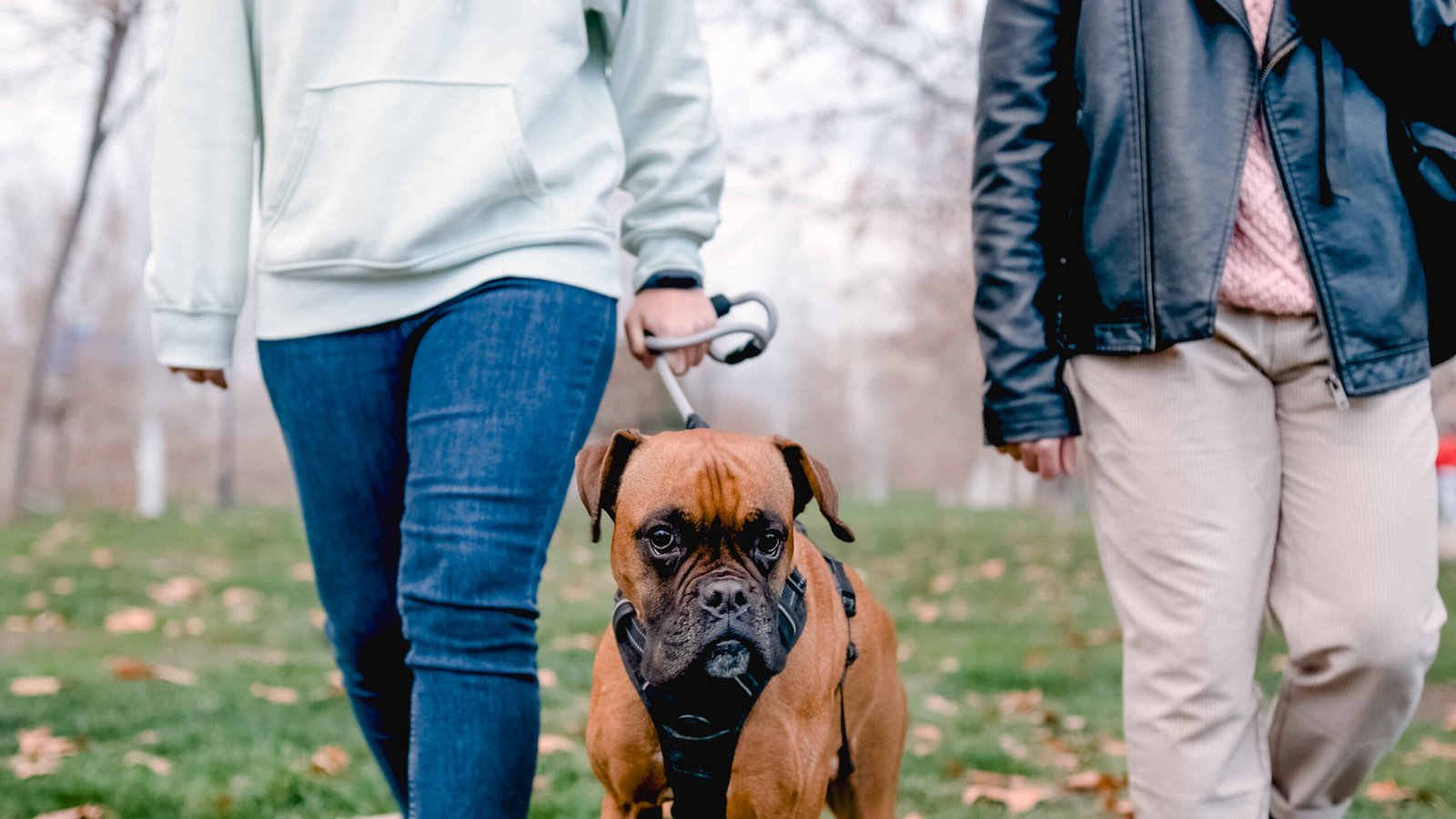
Providing adequate physical exercise is mandatory, but exercise requirements vary wildly according to the dog’s age, breed, health, and individual temperament. A 15-minute walk around the block is rarely enough for a high-energy breed like a Siberian Husky or Border Collie, but it might be plenty for a senior Pug.

Step 5: Provide Mental Enrichment
Physical exercise is only half the battle. Mental enrichment can be physically and mentally demanding for dogs and can complement, rather than replace, appropriate physical exercise.
To curb destructive behaviors, provide canine enrichment:
- Ditch the standard food bowl and use puzzle feeders or a fabric “snuffle mat.”
- Use a Kong stuffed with frozen, dog-safe peanut butter.
- Play scent games like “Find It,” hiding highly scented treats around the house.
- Provide appropriate, safe chew items.
- Engage in short, positive training sessions.
How to Deal With Specific Dog Behavior Problems
How to Stop a Dog From Jumping on People
- Why it happens: Dogs jump to greet faces and demand attention.
- What to do: Turn your back, cross your arms, and completely ignore the dog until all four paws are on the floor. Only then do you reward them with calm praise.
- What not to do: Do not yell, push them down, or knee them; negative attention is still attention.
How to Reduce Excessive Barking
- Why it happens: Alerting to a threat, demanding attention, boredom, or anxiety.
- What to do: Identify the trigger. If they bark for attention, ignore them. If they alert-bark at the window, block their view or teach a “quiet” cue, rewarding them heavily the instant they stop barking. See our full guide on how to stop excessive barking.
- What not to do: Do not yell back at the dog, as they often interpret this as you barking along with them.
How to Stop Destructive Chewing
- Why it happens: Teething (in puppies), boredom, or anxiety.
- What to do: Manage the environment by putting valuable items away. Provide heavily reinforced, appropriate chew toys. Increase physical exercise and mental enrichment. (Learn more about preventing destructive chewing in home-alone dogs).
- What not to do: Do not punish the dog hours after the chewing occurred; they will not connect the punishment to the action.
How to Improve Recall When Your Dog Ignores You
- Why it happens: The environment (smells, other dogs) is currently more rewarding than returning to you.
- What to do: Practice in low-distraction environments first. Make returning to you the absolute best part of their day by showering them with high-value treats (like real chicken) the second they arrive.
- What not to do: Never call your dog to you to do something unpleasant (like giving them a bath or clipping their nails), and never punish them when they finally return.
Socialization: What It Actually Means
When most people hear “socialization,” they picture dogs wrestling at a chaotic dog park. In reality, early socialization should expose puppies gradually and positively to a variety of people, animals, environments, sounds, surfaces, handling experiences, and everyday situations. The goal is not to expose a puppy to as many experiences as possible, but to help them learn that unfamiliar experiences can be safe.
Crucially, exposure should be gradual and positive. Forcing a terrified dog into an overwhelming situation does not socialize them; it traumatizes them.
Why Punishment Can Make Behavior Worse
According to the American Veterinary Society of Animal Behavior (AVSAB), punishing your dog creates negative associations, ruins the bond of trust, and frequently leads to fear-based aggression.
Physical punishment, yelling, or relying on pain-inducing tools may suppress a behavior temporarily out of fear, but it does not resolve the underlying anxiety or teach the dog what they should do instead. Instead of punishing, effective training requires you to: Manage the environment → Redirect the dog → Reward the correct choice → Repeat consistently.
When Dog Behavior Is Actually a Medical Problem
A sudden change in behavior deserves veterinary consideration before assuming the dog simply needs more training.
Medical issues can manifest as behavioral problems. Seek veterinary care if your dog exhibits:
- Sudden aggression or snapping (often a sign of pain).
- Sudden house-soiling in a previously trained dog (often a sign of a UTI or other illness).
- Sudden withdrawal or hiding.
- Unusual pacing or vocalization.
- Sensitivity to touch.
- Sudden changes in appetite or sleep patterns.
- Confusion or disorientation.
When Should You Hire a Dog Trainer or Veterinary Behaviorist?
Sometimes, despite your best efforts, a dog’s behavioral issues are too complex to handle on your own. Seeking out a professional is strongly recommended if your dog’s behavior involves aggression, severe separation distress, intense fear, resource guarding, dangerous escape behavior, or if you feel unable to manage the situation safely.
Dog Trainer vs. Veterinary Behaviorist
For serious behavior problems, consider working with a qualified reward-based trainer or a veterinary behaviorist. A veterinary behaviorist is a veterinarian with advanced training in animal behavior who can also assess whether medical factors are contributing to the problem. Always search for a professional who explicitly uses fear-free, positive reinforcement-based methods.
A Practical Dog Behavior Troubleshooting Checklist
Before becoming frustrated, run through this process:
- What exactly is the behavior?
- When does it happen?
- What triggers it?
- What does the dog gain or avoid afterward?
- Is the dog getting enough physical exercise and mental enrichment?
- Is everyone in the household responding consistently?
- Could pain or illness be contributing?
- Can I safely manage the situation myself?
- Has the behavior improved after consistent training?
- Do I need professional help?
Common Dog Behavior Mistakes Owners Make
- Mistake 1: Punishing the dog after the fact. If you scold a dog for chewing a shoe an hour after they did it, they only learn that you are unpredictable and scary.
- Mistake 2: Inconsistent household rules. If mom says “no couches” but dad invites the dog up, the dog cannot succeed.
- Mistake 3: Expecting exercise alone to fix anxiety. Mental enrichment and counter-conditioning are also required.
- Mistake 4: Rewarding unwanted behavior accidentally. Giving a barking dog a toy to “keep them quiet” trains them to bark for toys.
- Mistake 5: Moving too quickly during socialization. “Flooding” a dog with terrifying stimuli worsens fear.
- Mistake 6: Ignoring sudden behavior changes. Always rule out medical causes first.
- Mistake 7: Expecting instant results. Behavior modification takes time, patience, and repetition.
Frequently Asked Questions About Understanding Dog Behavior
Why does my dog misbehave?
Dogs rarely misbehave out of spite. Unwanted behavior is usually caused by boredom, a lack of physical or mental exercise, fear, anxiety, inconsistent training, or an underlying medical issue.
How can I improve my dog’s behavior?
Improve behavior by identifying the trigger, stopping accidental rewards (like giving attention to a jumping dog), consistently rewarding the behavior you actually want, and ensuring the dog’s physical and mental enrichment needs are met.
How long does dog training take?
Dog training is a lifelong process, not a one-time event. While simple obedience commands can be learned in weeks, modifying deep-rooted behavioral issues (like fear or reactivity) can take months of consistent effort.
Can an older dog still learn new behaviors?
Yes. The idea that “you can’t teach an old dog new tricks” is false. Older dogs are often highly focused and calmer than puppies, making them excellent candidates for positive reinforcement training.
Why does my dog suddenly behave differently?
A sudden change in a dog’s behavior—such as unexpected aggression, new house-soiling, or unusual hiding—is frequently a sign of an underlying medical problem or pain. A veterinary exam is the first required step.
Should I punish my dog for bad behavior?
No. Physical punishment, yelling, or relying on fear-inducing tools damages the bond of trust and often worsens anxiety or fear-based aggression. Instead, manage the environment, remove the reward for bad behavior, and reinforce good choices.
How much exercise does my dog need?
Exercise needs vary dramatically by age, breed, and health. While a senior dog may only need short walks, a high-energy working breed requires vigorous daily activity and significant mental enrichment to prevent destructive boredom.
When should I contact a professional dog behaviorist?
You should seek a certified, positive-reinforcement professional immediately if your dog exhibits any form of aggression, biting, severe separation distress, paralyzing fear, resource guarding, or if you feel unable to manage the situation safely yourself.
Conclusion
Good dog behavior is not created by punishment, dominance, or a single training trick. It comes from understanding why a behavior occurs, preventing unwanted behaviors from being reinforced, teaching an alternative behavior, meeting the dog’s physical and mental needs, and getting professional or veterinary help when necessary. When your dog feels secure, mentally stimulated, and clearly understands the rules of the house, the “bad” behaviors will naturally begin to fade away.