



As our beloved furry friends enter their golden years, observing changes in their daily behavior is entirely normal. However, if your senior dog is staring blankly at walls, getting stuck behind furniture, or suddenly forgetting their house-training, they may be suffering from Cognitive Dysfunction Syndrome in dogs.
- Normal Aging vs. Cognitive Dysfunction
- Symptoms of Dog Dementia (The DISHAA Acronym)
- D – Disorientation and Confusion
- I – Interactions (Changes in Social Behavior)
- S – Sleep-Wake Cycle Alterations
- H – House-Soiling
- A – Activity Level Changes
- A – Anxiety and Agitation
- Causes of Cognitive Dysfunction Syndrome in Dogs
- How Do Veterinarians Diagnose Dog Dementia?
- Treatments for Cognitive Dysfunction Syndrome in Dogs
- Quality of Life and Conclusion
- Frequently Asked Questions (FAQ)
- What is the life expectancy of a dog with dementia?
- Does dog dementia happen suddenly?
- Can I prevent my dog from getting dementia?
- Should I wake my dog up if they are pacing at night?
- Is my dog in physical pain when they stare at the wall?
- References & Further Reading
Frequently referred to as “dog dementia,” this condition is a devastating reality for many aging pets. A little morning stiffness or a preference for long naps is standard aging, but severe behavioral changes require immediate veterinary attention.
In this comprehensive guide, we will take a deep dive into the clinical signs of canine dementia. We will explore the underlying neurological causes, how veterinarians formally diagnose the condition, and the safest, most effective treatments you can use to significantly improve your aging dog’s quality of life.
Normal Aging vs. Cognitive Dysfunction
One of the biggest challenges pet owners face is determining what constitutes normal aging and what is a sign of a serious neurological disease. Many owners accidentally dismiss the early warning signs of dementia.
A healthy senior dog might take a little longer to learn a new trick or command. They will likely sleep a few extra hours during the day and may experience mild age-related hearing loss. However, they still recognize their family and enthusiastically engage in their favorite activities.
Conversely, a dog suffering from dementia experiences a profound, noticeable breakdown in cognitive processing. They may forget people they have known for a decade or become completely lost in their own backyard. These changes are highly disruptive to their daily life and cause the dog visible, constant distress.
Symptoms of Dog Dementia (The DISHAA Acronym)

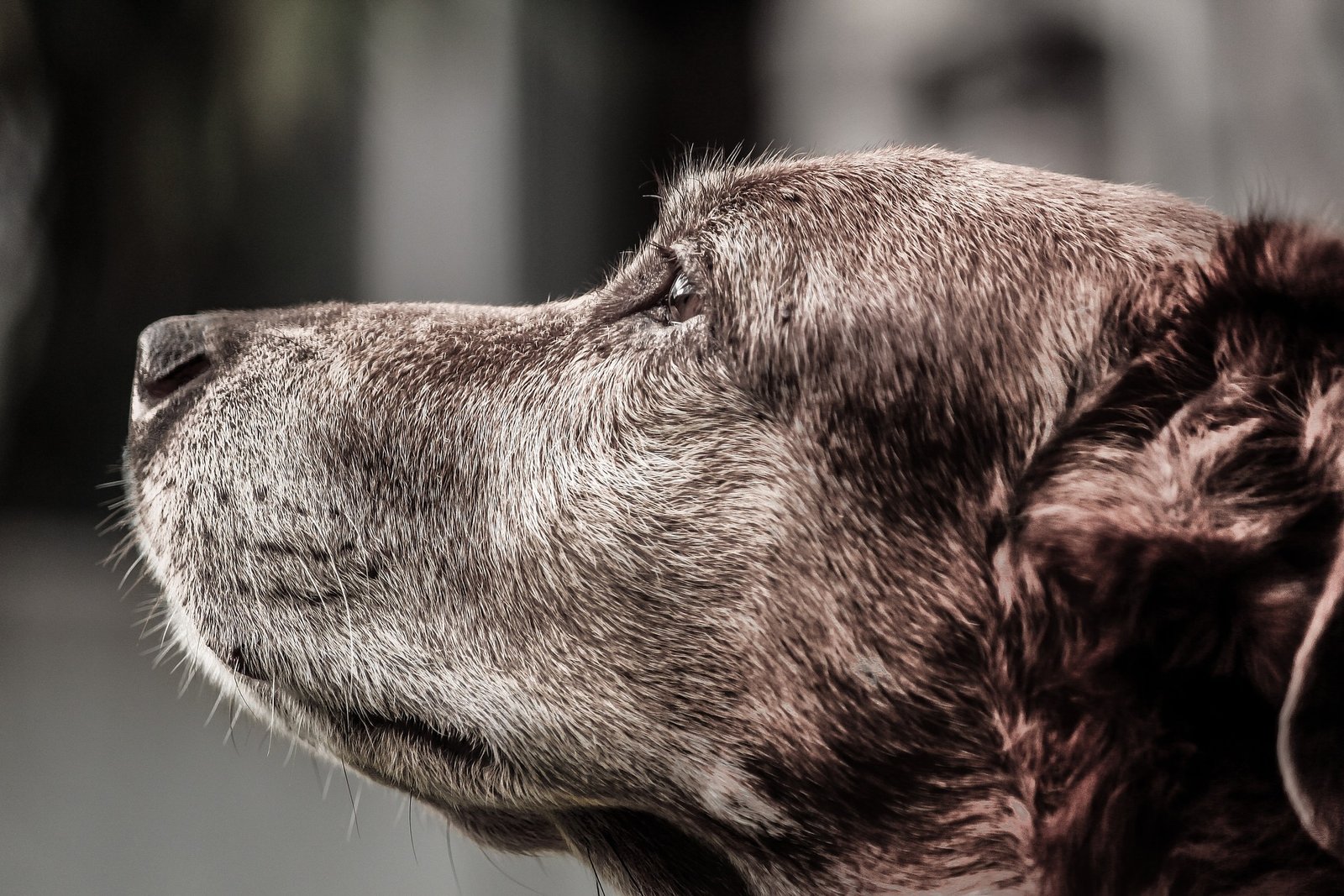
To help pet owners easily identify the clinical signs of dog dementia, the veterinary community utilizes the acronym DISHAA. According to neurological guidelines provided by the American Kennel Club (AKC), exhibiting signs in one or more of these categories warrants a thorough veterinary evaluation.
D – Disorientation and Confusion
This is often the most heartbreaking and obvious symptom for owners to witness. Dogs frequently appear lost or confused, even in their most familiar, lifelong surroundings.
You might find them standing at the wrong side of a door, staring blankly at the hinge instead of the handle. They frequently get “stuck” in corners or under tables because their brain has forgotten how to walk backward.
I – Interactions (Changes in Social Behavior)
A dog that was once highly affectionate might suddenly become aloof and withdrawn. They may lose all interest in socializing with family members or stop greeting you at the door.
Conversely, some highly independent dogs become severely clingy and distressed if you leave their sight. They may also stop responding to their name entirely.
S – Sleep-Wake Cycle Alterations
Senior dogs frequently experience a complete and total inversion of their circadian rhythm. They may sleep deeply throughout the entire day but become highly agitated at night.
Pacing the house, heavy panting, and whining in the dark while the family is sleeping is a classic hallmark sign of advanced cognitive decline.
H – House-Soiling
Dogs may completely forget their house-training, a foundational concept they have known flawlessly for a decade. They may begin to soil indoors without any warning whatsoever.
Sometimes this happens because they forget how to signal to go outside. Other times, they simply forget that the indoors is not the appropriate place to relieve themselves. For more insights into inappropriate elimination, read our guide: Why Does My Dog Pee on My Bed?
A – Activity Level Changes
Activity levels can drastically change in two completely different directions. Some dogs become incredibly lethargic, losing all interest in their favorite chew bones or daily walks.
Other dogs develop aimless, repetitive, and highly compulsive behaviors. You may notice your dog pacing back and forth in a straight line for hours with no clear trigger.
A – Anxiety and Agitation
Because their brain is failing to process the world correctly, affected dogs live in a constant state of confusion, breeding intense anxiety. They may develop new, severe phobias to everyday household noises.
Causes of Cognitive Dysfunction Syndrome in Dogs
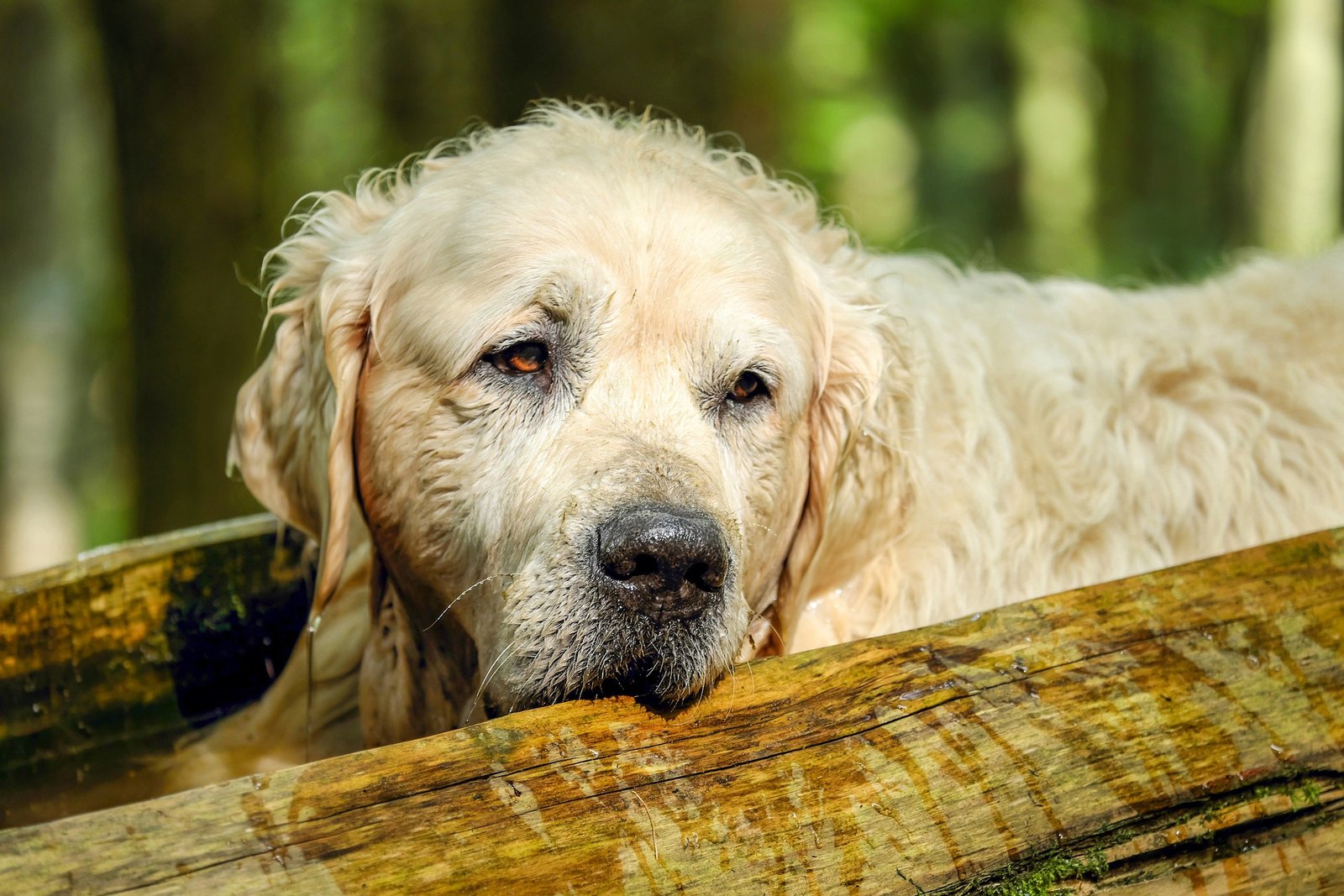
While the exact, singular trigger is not fully understood, veterinary neurologists have discovered major physical changes in the aging canine brain. Research regarding Cognitive Dysfunction Syndrome in dogs points to several interconnected degenerative factors.
- Beta-Amyloid Plaque: A toxic protein known as beta-amyloid begins to accumulate in the brain tissue over time. These sticky plaques build up and physically block the transmission of electrical signals between neurons.
- Oxidative Stress: As the brain ages, it becomes significantly less efficient at clearing out unstable “free radicals.” This causes massive oxidative stress, which literally damages and kills healthy brain cells.
- Decreased Blood Flow: Aging often leads to compromised cardiovascular health. If the tiny blood vessels in the brain become thickened, the brain does not receive enough oxygen to function correctly.
- Brain Atrophy: In advanced cases, MRI scans show actual physical shrinkage of the brain. This atrophy is particularly prominent in the cerebral cortex, the area responsible for memory and learning.
How Do Veterinarians Diagnose Dog Dementia?
There is no single blood test, quick swab, or simple scan that can definitively prove canine dementia. Diagnosing Cognitive Dysfunction Syndrome in dogs is what veterinarians call a diagnosis of exclusion.
Many dementia symptoms perfectly mimic other serious, highly treatable medical conditions. A dog may start urinating in the house because they have a severe urinary tract infection, not because their brain is failing.
According to the American Veterinary Medical Association (AVMA) Senior Pet Care Guidelines, your veterinarian must run a comprehensive blood panel and urinalysis first. If all physical illnesses are successfully ruled out, a clinical diagnosis is confidently made based on your behavioral observations.
Treatments for Cognitive Dysfunction Syndrome in Dogs

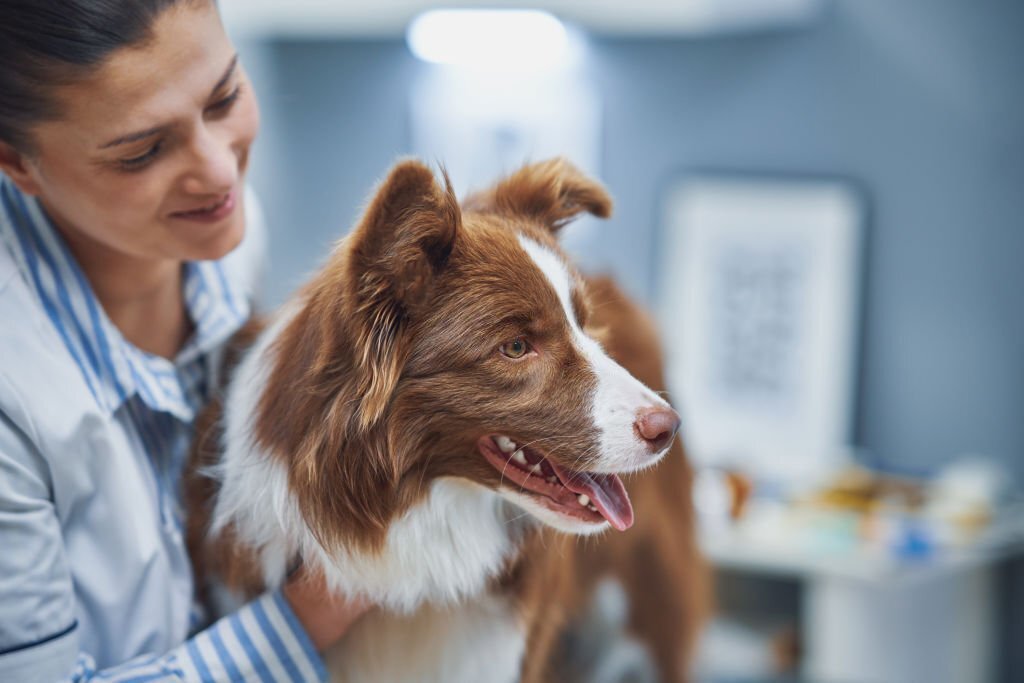
The absolute cornerstone of medical treatment for Cognitive Dysfunction Syndrome in dogs is an FDA-approved drug called Selegiline hydrochloride (Anipryl). Selegiline is an MAO-B inhibitor that works to prolong the action of vital dopamine in the brain.
Many dogs show significant, noticeable improvement in their sleep-wake cycles and general alertness within the first 30 days of starting this medication. If your dog suffers from severe nighttime pacing, your vet may also prescribe targeted anti-anxiety medications like Gabapentin.
Dietary Management and Brain Supplements
Diet plays a massive, scientifically proven role in managing brain health. The Cornell Canine Health Center emphasizes that aging brains struggle to utilize glucose effectively. Switching to a veterinary-prescribed neuro-care diet bypasses this issue.
Diets highly fortified with Medium-Chain Triglycerides (MCTs) provide an alternative, highly efficient energy source for the aging brain. Furthermore, adding high levels of DHA from fish oil significantly reduces dangerous brain inflammation.
Environmental Modifications (Safety First)
A dog suffering from dementia relies heavily on strict routines and a physically safe environment. You must actively adapt your home to accommodate their failing mind.
Use baby gates to block access to dangerous stairs or rooms where your dog frequently gets trapped. Place non-slip rugs down long hallways to give them physical confidence and prevent severe anxiety from slipping.
Keep things highly predictable by never rearranging the furniture. Finally, leave a few nightlights on in the hallways to help combat nighttime disorientation and fear.
Quality of Life and Conclusion
Receiving a diagnosis of Cognitive Dysfunction Syndrome in dogs is heartbreaking for any devoted pet parent. Because the condition does not typically cause physical pain, dogs can live for a very long time with the disease.
However, their mental suffering, anxiety, and profound confusion must be carefully and constantly monitored. You must regularly assess their overall quality of life and maintain an honest dialogue with your veterinarian.
While there is no cure, early detection and aggressive, multi-modal management can grant you years of extra quality time with your dog. By combining medications, brain-boosting diets, and a safe environment, you can help your furry friend navigate their twilight years with dignity and peace.
Frequently Asked Questions (FAQ)
What is the life expectancy of a dog with dementia?
Canine dementia itself is not directly fatal, as it does not cause major organ failure. A dog’s life expectancy depends heavily on their overall physical health and how well their severe anxiety is managed. Many dogs live 1 to 3 years after a formal diagnosis, though owners often make the compassionate decision to euthanize when mental confusion drastically degrades their quality of life.
Does dog dementia happen suddenly?
No, cognitive dysfunction is a slow, progressive, and highly degenerative disease. The symptoms usually start very subtly, like sleeping a bit more or hesitating at a doorway, and gradually worsen over months. If your dog experiences sudden, overnight confusion or rapid pacing, it is much more likely to be a stroke or vestibular disease, which requires emergency veterinary care.
Can I prevent my dog from getting dementia?
While genetics play a large role and you cannot completely guarantee prevention, you can significantly delay the onset. Keeping your dog at a healthy, lean weight, feeding a high-quality diet rich in antioxidants, and providing lifelong mental enrichment builds vital “cognitive reserve” that helps the brain resist degenerative changes.
Should I wake my dog up if they are pacing at night?
If your dog is pacing and seems highly distressed, it is best to gently and calmly guide them to a safe, comfortable resting area. Do not startle them, as dogs with dementia are easily frightened and can react unpredictably if woken suddenly. Discuss safe sleep aids like Melatonin with your vet to help them rest.
Is my dog in physical pain when they stare at the wall?
No, staring blankly at a wall or deep into a corner is not a sign of physical pain. It is a classic sign of profound spatial disorientation. The aging brain is failing to process spatial awareness and geometry, causing the dog to simply forget what they were doing or how to turn their body around.