


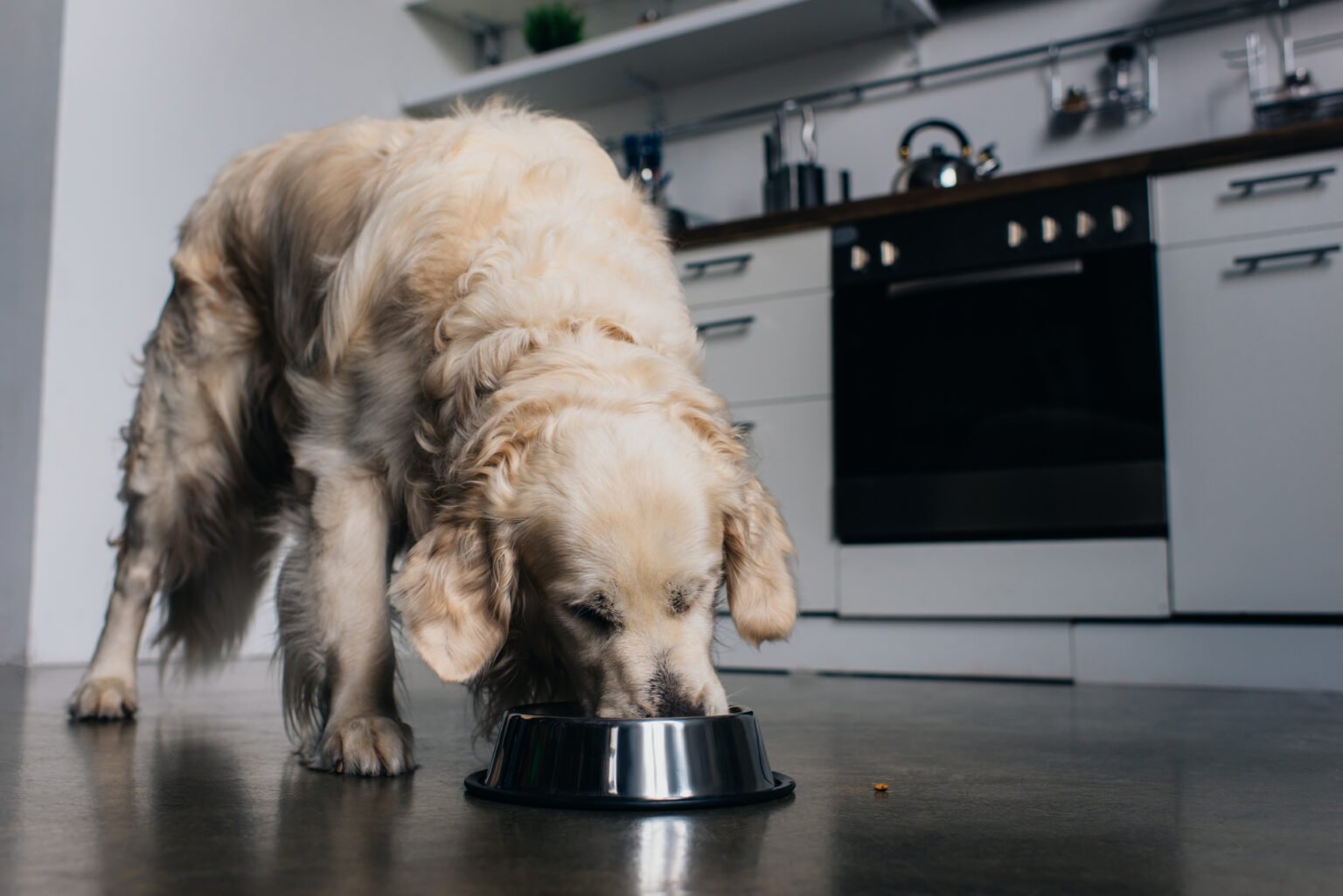
A diabetes diagnosis can feel overwhelming, and figuring out the “perfect” diabetic dog diet is often one of the biggest challenges for new pet parents. However, a diabetic dog does not simply need a “low-sugar” food. Managing diabetes in dogs is about creating a highly predictable routine where food and insulin work together seamlessly.
- Quick Answer: The Core of a Diabetic Diet
- What Is a Diabetic Dog Diet?
- What Should a Diabetic Dog Eat?
- How Many Times a Day Should a Diabetic Dog Eat?
- Why Consistency Matters More Than Chasing the “Perfect” Food
- What Is the Best Diabetic Dog Food?
- What Not to Feed Your Diabetic Dog
- Can Diabetic Dogs Have Treats?
- Is Chicken Good for Diabetic Dogs?
- Are Eggs Good for Diabetic Dogs?
- What Is the Best Homemade Food for a Diabetic Dog?
- Diabetic Dog Diet for Overweight Dogs
- Diabetic Dog Diet for Underweight Dogs
- What Should a Diabetic Dog Eat Between Meals?
- What If My Diabetic Dog Won’t Eat?
- Diabetes, Diet and Exercise
- How Does a Diabetic Dog Diet Work With Insulin?
- Can Changing My Dog’s Food Change Their Insulin Needs?
- Common Mistakes When Feeding a Diabetic Dog
- A Simple Example of a Diabetic Dog’s Daily Routine
- When to Call the Veterinarian
- Frequently Asked Questions About Diabetic Dog Diets
- What is the best food for a diabetic dog?
- What should I not feed my diabetic dog?
- How many times a day should a diabetic dog eat?
- Can diabetic dogs eat chicken?
- Can a diabetic dog eat homemade food?
- What should I do if my diabetic dog won’t eat?
- Do diabetic dogs need a prescription diet?
- Can changing food affect insulin needs?
- References & Further Reading
The most important elements of a diabetic diet are predictable calorie intake, consistent meal timing, an appropriate nutrient profile, body-weight management, and your dog’s insulin plan. According to the American Animal Hospital Association (AAHA), clinical diabetes in dogs requires insulin therapy, while dietary management serves as an essential component of treatment.
In short: diet is a crucial part of the treatment plan, but it is not a replacement for insulin. This guide will walk you through what to feed, how meal timing works, which foods to avoid, and how to create a consistent routine for your diabetic dog.
Quick Answer: The Core of a Diabetic Diet
There is no single “best” diabetic dog food. The most effective diet is one that offers complete and balanced nutrition, is fed in strictly measured amounts at the exact same times each day, and works in tandem with the dog’s prescribed insulin schedule to prevent dramatic blood sugar spikes or drops.
What Is a Diabetic Dog Diet?
A diabetic dog diet isn’t a magical recipe; it is a nutritional strategy designed to keep blood glucose levels as stable as possible throughout the day. This requires balancing:
- Predictable calorie intake
- Consistent meal schedules
- An appropriate carbohydrate and fiber profile
- Appropriate protein levels
- Controlled fat
- Palatability (the dog must actually want to eat it!)
- Appropriate body condition management
Crucial Point: There is no single diabetic diet that is appropriate for every dog. AAHA specifically recommends adjusting dietary recommendations based on the individual dog, especially if they have concurrent diseases such as kidney disease, pancreatitis, or intestinal issues.
What Should a Diabetic Dog Eat?
Complete and Balanced Nutrition Comes First
Just because a bag says “diabetic” or “weight management” on the label doesn’t mean it is the right choice. The diet must first and foremost be nutritionally complete and balanced for your dog’s specific life stage.
Protein
High-quality protein is essential for maintaining lean muscle mass, especially in older dogs or those who have lost weight prior to their diagnosis. However, more protein isn’t automatically better, especially if the dog has concurrent kidney issues.
Carbohydrates and Fiber
For some diabetic dogs, diets with appropriate fiber and carbohydrate characteristics can help manage post-meal blood glucose. However, there is no single carbohydrate profile that is ideal for every dog.
When a dog eats carbohydrates and starches, their body digests them into glucose, which enters the bloodstream. The goal is to manage the post-meal blood glucose response. VCA Animal Hospitals notes that veterinary diabetic diets commonly utilize complex carbohydrates and fiber while avoiding simple sugars because complex carbs digest more slowly, helping to prevent rapid spikes in blood sugar.
Fiber plays a major role in managing glucose absorption. Diets often blend soluble fiber (which slows digestion and glucose absorption) and insoluble fiber (which adds bulk and helps the dog feel full). However, more fiber isn’t automatically better. Some underweight dogs, picky eaters, or dogs with certain gastrointestinal issues may require a lower-fiber formulation.
Fat
Fat intake may need to be restricted in some diabetic dogs, particularly when pancreatitis or other conditions affecting fat tolerance are also present. Because metabolic disorders can make the pancreas more vulnerable, being familiar with dog pancreatitis symptoms can help you act quickly if an issue arises. Your veterinarian can determine the appropriate fat level for your dog’s diet.
How Many Times a Day Should a Diabetic Dog Eat?
When owners ask how many times a day should a diabetic dog eat, the answer is closely tied to their insulin schedule.
Why Meal Timing Matters
Food intake and insulin administration must work together. Insulin acts to lower blood sugar, while food raises it. If a dog receives insulin without eating, their blood sugar can drop to dangerously low levels (hypoglycemia). If they eat a large meal without insulin, their blood sugar spikes (hyperglycemia).
Is 12-Hour Feeding Necessary?
The most common and effective feeding pattern for diabetic dogs is two meals approximately 12 hours apart. Cornell University’s veterinary guidance states that meals 10–12 hours apart work best for most diabetic dogs, often timed to coincide with twice-daily insulin injections. However, “exactly 12 hours” is not a universal law. The veterinary team may adapt the schedule based on the insulin type, the dog’s specific glucose pattern, your work schedule, or concurrent diseases.
Why Consistency Matters More Than Chasing the “Perfect” Food
Many owners spend hours obsessing over finding the “perfect” ingredient list. In reality, veterinary experts emphasize that consistency is the most critical dietary factor in diabetes management. This means providing:
- The same food
- The same exact quantity (weighed or measured)
- The same meal times
- Consistent treats
- A consistent daily exercise routine
What Is the Best Diabetic Dog Food?
There is no universally “best” diabetic dog food. The best choice depends entirely on your dog’s body condition (overweight vs. underweight), appetite, glucose control, other diseases, and the overall treatment plan established with your veterinarian.
Prescription Diabetic Dog Food vs. Regular Dog Food
Are prescription diets mandatory? Not always. AAHA specifically states that dogs with diabetes can do well with a standard complete and balanced diet fed consistently, provided the dietary recommendations are individualized.
| Feature | Therapeutic Veterinary Diet | Standard Complete Diet |
|---|---|---|
| Designed for specific nutritional goals | Often | Usually designed for general maintenance |
| Fiber Profile | Formulated for a specific nutritional purpose | Variable |
| Calorie Density | Formulated according to its intended purpose | Variable |
| Fat Levels | May be specifically managed | Variable |
| Suitable for every diabetic dog? | No | No |
What Not to Feed Your Diabetic Dog
Knowing what not to feed your diabetic dog is just as important as knowing what to feed them.
Sugary Foods and Simple Carbs
Desserts, sweetened treats, syrups, and sugary snacks should be strictly avoided. Simple sugars digest incredibly fast, causing dangerous spikes in blood glucose.
High-Fat Table Scraps
Bacon, cheese, sausage, and fatty trimmings are dangerous. Besides adding empty calories, high-fat foods carry a significant risk of triggering severe gastrointestinal upset. In a dog whose pancreas is already compromised, high-fat human foods can easily lead to a severe bout of pancreatitis.
Unmeasured Treats
Handing out treats arbitrarily throughout the day disrupts the carefully calculated calorie and glucose balance.
Sudden Food Changes
Changing your dog’s food abruptly can alter their calorie intake, appetite, fiber digestion, and potentially their insulin needs. Cornell specifically cautions that major dietary changes may require corresponding insulin adjustments by your vet.
Can Diabetic Dogs Have Treats?
Yes, potentially—but treats must be incorporated into the overall treatment and calorie plan. Rather than relying on commercial treats packed with hidden sugars, discuss low-calorie, low-carbohydrate options with your veterinarian. Some veterinarians may allow small portions of low-calorie foods such as green beans as treats, but the choice and amount should fit your dog’s overall diet and diabetes-management plan.
Is Chicken Good for Diabetic Dogs?
Plain cooked chicken can sometimes be used as a small treat or topper, provided it fits the dog’s overall calorie and nutrition plan. However, plain chicken is not a complete and balanced diabetic diet on its own. Adding significant amounts of chicken to your dog’s meals changes their overall calorie and nutrient intake, so owners should not make large dietary additions without discussing them with their veterinarian.
Are Eggs Good for Diabetic Dogs?
Plain cooked eggs provide highly digestible protein and can sometimes be used as an occasional treat, provided it fits the dog’s overall calorie and nutrition plan. They must be cooked without added butter, oils, or seasonings to avoid introducing unnecessary fats and calories.
What Is the Best Homemade Food for a Diabetic Dog?
When searching for the best homemade food for a diabetic dog, the most important answer is: A homemade diabetic diet should never be improvised from random internet recipes.
Throwing chicken, rice, and vegetables into a pot does not create a nutritionally complete diet. A long-term homemade diet needs to be carefully formulated for the individual dog to ensure correct levels of calcium, phosphorus, essential vitamins, and an appropriate carbohydrate profile.
In a small randomized crossover study of 10 diabetic dogs, a specifically formulated homemade diet produced no difference in insulin dose or overall glycemic control compared with the tested commercial diet, although some continuous glucose measurements differed. The homemade diet in the study was specifically formulated by experts to be nutritionally complete and comparable in key nutrient characteristics. If you wish to cook for your diabetic dog, working directly with a board-certified veterinary nutritionist is essential.
Diabetic Dog Diet for Overweight Dogs
Obesity significantly complicates diabetes management by causing insulin resistance. For overweight diabetic dogs, the goal is controlled, gradual weight reduction under veterinary supervision.
AAHA gives a general canine target of about 1–2% body-weight reduction per week for obese dogs under veterinary management. This requires strict portion control, consistent food intake, regular body-condition scoring, and close monitoring of glucose and insulin response as the dog loses weight.
Diabetic Dog Diet for Underweight Dogs
Many diabetic-diet articles implicitly assume the dog is overweight. However, an underweight diabetic dog has a completely different nutritional priority. The goal is to stabilize the diabetes while restoring and maintaining appropriate body weight and muscle mass.
AAHA explicitly distinguishes underweight diabetic patients and recommends a palatable maintenance or diabetic diet that is not designed for weight loss, aiming to provide predictable caloric intake to rebuild lost muscle.
What Should a Diabetic Dog Eat Between Meals?
Whether snacks are appropriate depends entirely on the dog’s specific insulin regimen and glucose curve. Because every treat introduces calories and potential glucose fluctuations, many dogs do best with strictly structured meals and zero treats in between. However, in some specific situations, a veterinarian may allow a carefully timed, low-carb snack as part of the management plan. Never implement snacks without veterinary approval.
What If My Diabetic Dog Won’t Eat?
This is one of the most critical safety issues in diabetes management. Do not improvise insulin adjustments if your dog refuses a meal.
If your diabetic dog refuses a scheduled meal, contact your veterinarian before giving or changing the insulin dose. Giving insulin when a dog has not eaten can increase the risk of hypoglycemia, and your veterinarian should provide specific instructions for missed meals.
When a Missed Meal Is an Emergency
If your dog develops weakness, shaking, abnormal behavior, disorientation, seizures, or collapse, seek emergency veterinary care and follow your veterinarian’s hypoglycemia instructions.
Diabetes, Diet and Exercise
Consistent moderate activity can affect blood glucose and improve insulin sensitivity. AAHA identifies regular moderate exercise as a crucial part of diabetes management and emphasizes the importance of consistent exercise routines.
The key concept is predictability. A sudden, unusually strenuous hike on a Saturday can drastically alter a dog’s glucose requirements compared to their normal weekday routine. Keep exercise levels as consistent as possible day to day.
How Does a Diabetic Dog Diet Work With Insulin?
Diabetes management relies on ongoing monitoring. According to AAHA, you and your vet will monitor several factors to determine if the diet and insulin plan are working together effectively:
- Body weight and Body Condition Score (BCS)
- Appetite, thirst, and urination levels (uncontrolled glucose leads to excess urination, making it crucial to watch for dog dehydration signs).
- Glucose measurements (via glucose curves or continuous glucose monitoring when prescribed)
- Changes in insulin requirements
- Energy levels and stool quality
Can Changing My Dog’s Food Change Their Insulin Needs?
Yes, potentially. Changes in calories, fiber, carbohydrate type, fat, protein, palatability, portion size, or meal timing can all change glucose patterns and therefore may affect the insulin plan. Cornell explicitly warns that dietary changes may require corresponding insulin adjustments. Never change your dog’s diet abruptly without consulting your vet.
Common Mistakes When Feeding a Diabetic Dog
Avoid these frequent management errors to keep your dog stable and safe:
- Changing food brands suddenly without consulting the vet.
- Free-feeding (leaving food out all day) when the treatment plan requires scheduled meals.
- Giving unmeasured or sugary treats.
- Overfeeding an overweight dog, or inappropriately restricting calories in an underweight dog.
- Giving a full dose of insulin without following the veterinarian’s instructions when the dog refuses to eat.
- Changing the food and the insulin dose simultaneously without veterinary input.
- Assuming a label that says “natural” means the food is diabetes-friendly.
- Treating random homemade recipes as nutritionally complete.
A Simple Example of a Diabetic Dog’s Daily Routine
While the exact schedule must follow your veterinarian’s specific instructions, a successful daily framework often looks like this:
- Morning: Feed according to the veterinarian’s schedule → follow the prescribed insulin plan → normal activity.
- Midday: Access to fresh water → normal activity → strictly limit or avoid unplanned treats.
- Evening: Repeat the veterinarian-directed feeding and insulin routine (often approx. 12 hours later).
- Before Bed: Check behavior and routine according to your veterinary plan.
The order, timing, and insulin instructions vary by the individual dog and insulin product.
When to Call the Veterinarian
Good diabetic management involves diet, insulin, monitoring, and regular veterinary care. The Merck Veterinary Manual notes that diabetes management aims to avoid clinically significant hypoglycemia and that uncontrolled diabetes can lead to serious complications.
Contact your veterinarian about:
- Ongoing weight loss
- Persistent or returning excessive hunger/thirst
- Repeated vomiting or diarrhea
- Changing appetite
- Difficulty maintaining glucose control
Seek emergency care for:
- Collapse, seizures, severe weakness, or profound disorientation (signs of severe hypoglycemia).
- Repeated vomiting, severe lethargy, dehydration, weakness, or a refusal to eat in a diabetic dog can indicate a serious complication such as diabetic ketoacidosis and warrants urgent veterinary assessment.
Frequently Asked Questions About Diabetic Dog Diets
What is the best food for a diabetic dog?
There is no universally “best” food. The best food is a complete and balanced diet chosen by your veterinarian based on your dog’s weight, concurrent diseases, and insulin plan. It often involves controlled carbohydrates, fat, and fiber.
What should I not feed my diabetic dog?
Strictly avoid sugary treats, syrups, desserts, and high-fat table scraps (like bacon or cheese). High-fat foods increase the risk of pancreatitis, while simple sugars cause dangerous spikes in blood glucose.
How many times a day should a diabetic dog eat?
The most common veterinary recommendation is two precisely measured meals per day, spaced approximately 10 to 12 hours apart, timed to coincide with twice-daily insulin injections.
Can diabetic dogs eat chicken?
Plain cooked chicken can sometimes be used as a small treat or topper, provided it fits the dog’s overall calorie and nutrition plan. However, plain chicken is not a complete and balanced diabetic diet on its own.
Can a diabetic dog eat homemade food?
Yes, but only if the diet is specifically formulated by a board-certified veterinary nutritionist. Random internet recipes are rarely nutritionally complete and can dangerously destabilize a diabetic dog’s health.
What should I do if my diabetic dog won’t eat?
If your diabetic dog refuses a scheduled meal, contact your veterinarian before giving or changing the insulin dose. Giving insulin when a dog has not eaten can increase the risk of hypoglycemia.
Do diabetic dogs need a prescription diet?
Not always. While prescription therapeutic diets are specially formulated for specific nutritional goals, some diabetic dogs do well on high-quality, standard commercial diets fed consistently.
Can changing food affect insulin needs?
Yes. Changing a dog’s food alters their calorie, carbohydrate, and fiber intake, which changes how their body processes glucose. Major diet changes often require corresponding insulin adjustments under veterinary supervision.
References & Further Reading
- Cornell University College of Veterinary Medicine: Diets for Diabetic Dogs
- American Animal Hospital Association (AAHA): Diabetes Management Guidelines for Dogs and Cats
- Merck Veterinary Manual: Diabetes Mellitus in Dogs
- VCA Animal Hospitals: Nutrition and Pancreatic Disease in Dogs
- Tardo et al., Journal of Small Animal Practice (2026): Effect of a homemade diet compared to a commercial diet on glycaemic variability and glycaemic control assessed by continuous glucose monitoring system in diabetic dogs