


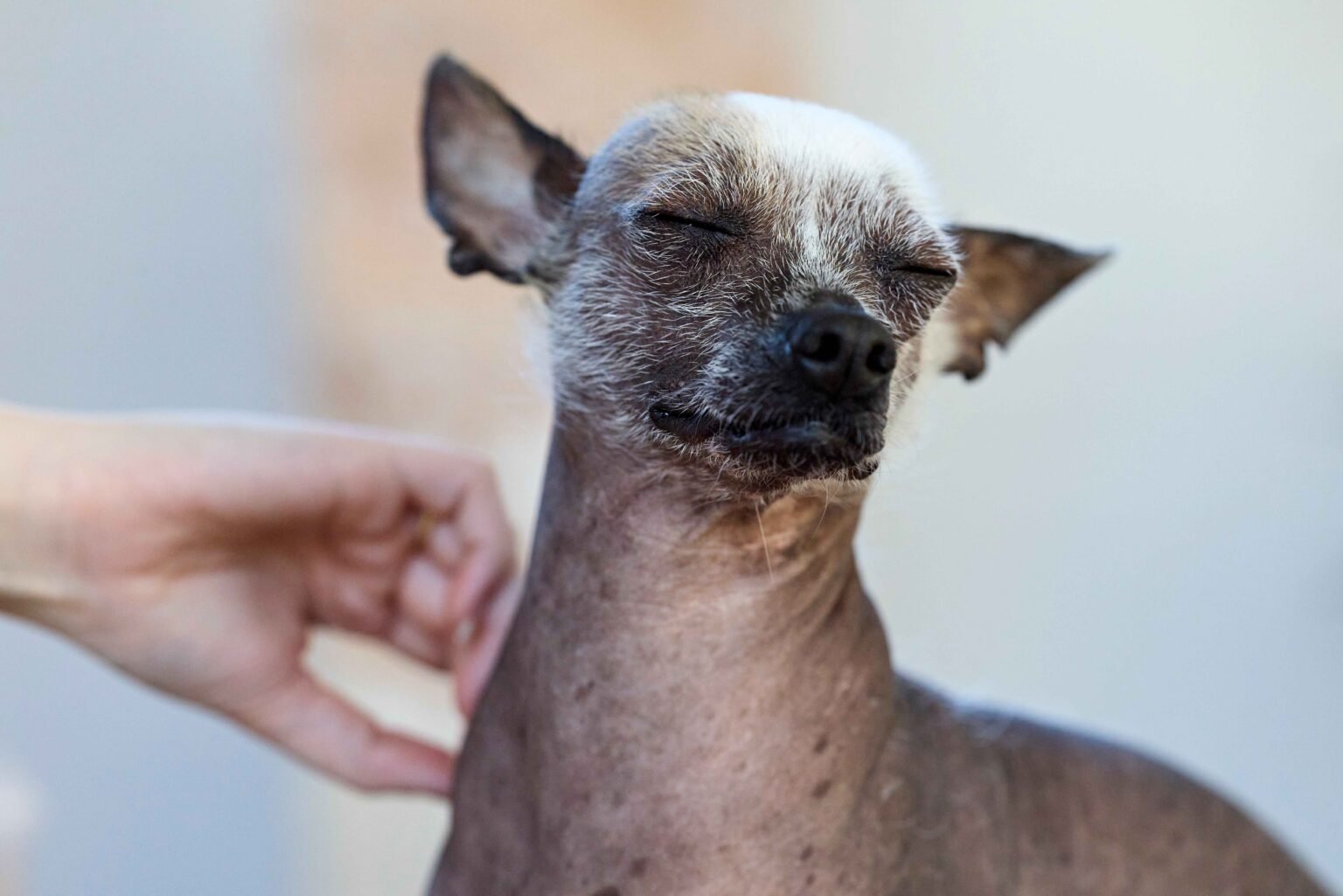
Dog skin problems are one of the most common reasons pet owners visit the veterinarian today. As a loving pet parent, few things are as distressing as watching your canine companion suffer from persistent scratching, redness, or painful irritation. I vividly remember waking up at 2 AM to the relentless sound of my own dog frantically chewing his paws until they were raw. It is a heartbreaking and deeply frustrating experience.
- Common Symptoms of Dog Skin Problems
- Itching and Excessive Scratching
- Red or Inflamed Skin
- Hair Loss or Bald Patches
- Scabs, Sores, or Crusts
- Bad Odor or Greasy Skin
- Excessive Licking (Especially Paws)
- Types of Dog Skin Problems
- Allergic Dermatitis
- Bacterial Infections (Pyoderma)
- Fungal Infections (Yeast, Ringworm)
- Parasites (Fleas, Mites, Mange)
- Dry Skin and Environmental Irritation
- Hormonal Skin Conditions
- Quick Summary of Dog Skin Problems
- Dog Itchy Skin Treatment Without Fleas
- Dog Skin Problems with Hair Loss
- What Causes Dog Skin Problems?
- How Vets Diagnose Dog Skin Problems
- Best Treatment for Dog Skin Problems
- Home Remedies for Dog Skin Problems
- How to Prevent Dog Skin Problems
- When to See a Vet
- Still Not Sure What’s Causing Your Dog’s Skin Problem?
- Frequently Asked Questions (FAQ)
- What is the most common cause of skin problems in dogs?
- Can stress cause skin problems in dogs?
- What dog breeds are prone to skin problems?
- How can I treat my dog’s itchy skin at home?
- When should I take my dog to the vet for skin problems?
- Can dog skin infections go away on their own?
- What foods help improve a dog’s skin and coat health?
- References & Further Reading
Canine dermatitis and related skin issues are incredibly common and highly varied. They range from mild, seasonal annoyances to severe, chronic conditions that significantly impact your dog’s quality of life.
Finding the right approach to treat dog skin problems is absolutely crucial for restoring your dog’s comfort and long-term health. This comprehensive guide from Animastica will dive deep into the world of canine dermatology, offering scientifically backed insights alongside real-world, practical advice from fellow dog owners who have been in your shoes.
The skin is the largest organ of your dog’s body. It serves as a vital protective barrier against environmental threats, actively regulating body temperature, and housing crucial sensory receptors. When this delicate skin barrier is compromised, it quickly leads to a cascade of symptoms. You might notice everything from severe itchy skin in dogs to painful scabs and foul odors.
In this guide, we’ll cover symptoms, causes, treatments, and how to prevent dog skin problems.
The best treatment for dog skin problems depends on the exact cause, but it typically includes medicated shampoos, omega-3 supplements, strict flea control, and targeted veterinary medications such as antibiotics, antifungals, or allergy prescriptions to manage the immune response.
Common Symptoms of Dog Skin Problems
Dogs can’t tell us when they are uncomfortable, so they communicate through their behavior and physical changes. Learning to spot these early warning signs can save your dog from a massive, spreading infection.
Itching and Excessive Scratching
While an occasional scratch is normal, frantically digging at the coat or rubbing against furniture is a major red flag. If your dog is dealing with persistent scratching (medically known as pruritus in dogs), you need a targeted dog itchy skin treatment to repair their compromised skin barrier.
Red or Inflamed Skin
If you part your dog’s fur and see bright pink or angry, dog red irritated skin, severe skin inflammation has set in. This often requires an immediate dog rash treatment to cool the skin before it turns into an open, weeping wound.
Hair Loss or Bald Patches
Known as alopecia, losing fur in distinct patches or experiencing a general thinning of the coat is a classic symptom of underlying parasitic or hormonal issues.
Scabs, Sores, or Crusts
When a dog scratches too hard, they break the skin. This introduces bacteria, leading to crusty, weeping sores and painful scabs that require professional intervention.
Bad Odor or Greasy Skin
If you’ve ever thought your dog smelled strangely like “corn chips” or old gym socks, you are likely smelling a fungal dog rash (often a Malassezia yeast infection). Yeast overgrowth produces a distinct, foul odor and leaves a greasy residue on the fur.
Excessive Licking (Especially Paws)
Dogs lick to self-soothe. If your dog is obsessively licking their paws, groin, or the base of their tail, they are trying to alleviate a deep, localized itch.
Types of Dog Skin Problems
Skin conditions are rarely one-size-fits-all. Understanding the specific type of dermatitis your dog has is the first step toward relief.
Allergic Dermatitis
Just like humans, dogs can suffer from dog skin allergies triggered by pollen, dust mites, and food. This causes widespread, whole-body skin inflammation and relentless discomfort.
Bacterial Infections (Pyoderma)
Usually a secondary issue, a dog skin infection occurs when bacteria enter through micro-tears caused by scratching, leading to pus-filled bumps and yellow crusting.
Fungal Infections (Yeast, Ringworm)
Yeast thrives in warm, dark, moist areas like ear canals and armpits, causing a severely smelly fungal rash. Ringworm, despite the name, is also a fungus that creates highly contagious circular, bald patches.
Parasites (Fleas, Mites, Mange)
Microscopic mites cause mange, resulting in intense pain and hair loss. Meanwhile, fleas cause Flea Allergy Dermatitis (FAD). Learning how to keep fleas off dogs is mandatory for maintaining a healthy coat.
Dry Skin and Environmental Irritation
Winter heating or harsh, stripping shampoos can dry out a dog’s coat, leading to simple, flaky dandruff that looks like canine snow.
Hormonal Skin Conditions
Underlying diseases like hypothyroidism or Cushing’s disease often present as symmetrical hair loss and a darkening of the skin, rather than severe itching.
Quick Summary of Dog Skin Problems
| Problem Type | Main Cause | Key Symptom | Best Treatment |
|---|---|---|---|
| Allergies | Food / pollen | Itching | Allergy meds & diet changes |
| Infection | Bacteria / yeast | Odor, sores | Antibiotics / Antifungals |
| Parasites | Fleas / mites | Intense scratching | Flea control & preventatives |
| Dry skin | Environment | Flaky skin | Moisturizing & Omega-3s |
Dog Itchy Skin Treatment Without Fleas
One of the most frustrating scenarios for an owner is dealing with a dog itching but no fleas can be found. If you have ruled out fleas completely, the relentless scratching is almost always caused by one of three things: environmental allergies, microscopic mites (like Demodex or Sarcoptes), or a blooming yeast infection. In these cases, over-the-counter flea baths won’t help; you need veterinary allergy medications or specialized skin scrapes to identify the invisible culprit causing the allergic reaction in dogs.
Dog Skin Problems with Hair Loss
If your dog’s skin problems are accompanied by severe hair loss (alopecia), it completely changes the diagnostic approach. Hair loss combined with intense itching usually points to mange or a severe bacterial infection. However, if your dog is losing hair symmetrically on both sides of their body without itching, it is a classic hallmark of a hormonal imbalance, such as Cushing’s disease or a thyroid issue, which requires comprehensive blood work to diagnose.
What Causes Dog Skin Problems?
An effective dog skin infection treatment must begin with an accurate, clinical diagnosis of the underlying cause. Many common dog skin conditions present with nearly identical symptoms, making a professional veterinary examination essential.

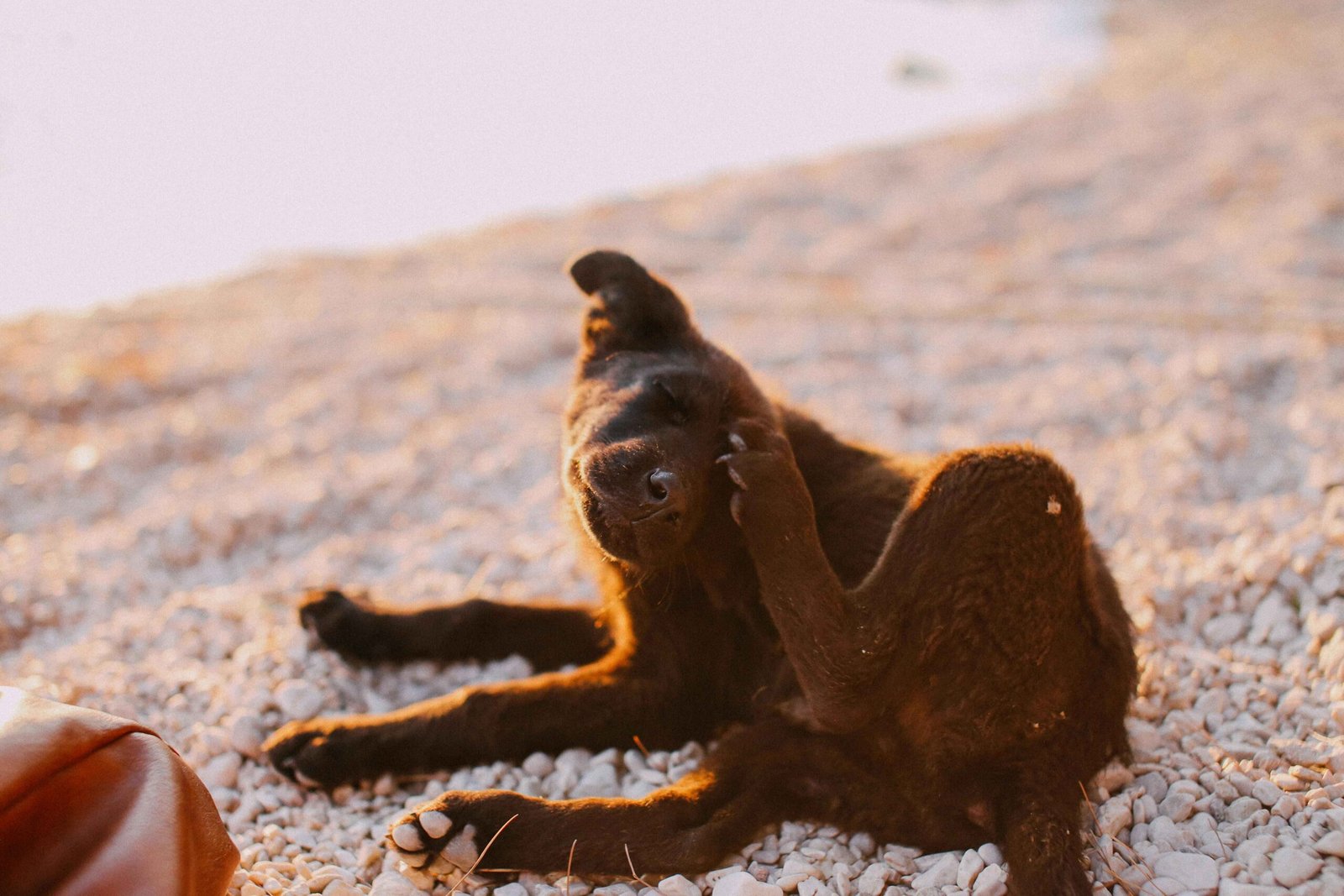
Environmental and Food Allergies
Allergies are a massive, leading cause of skin issues in dogs. They manifest aggressively as intense itching, dog red irritated skin, and widespread inflammation. Environmental allergies in dogs, known as Atopy, are often seasonal. They are triggered heavily by pollen, dust mites, molds, and other common airborne allergens.
Food allergy symptoms in dogs, on the other hand, can cause non-seasonal itching and gastrointestinal upset. Common dietary culprits include large proteins like beef, chicken, dairy, and wheat. Furthermore, flea allergy dermatitis (FAD) is incredibly prevalent; learning to keep fleas off dogs is critical because even a single flea bite can trigger a severe allergic reaction in dogs.
Bacterial and Fungal Infections
A severe dog skin infection often takes hold when the skin barrier is already compromised by relentless allergic scratching. These bacterial and fungal organisms are highly opportunistic invaders.
A bacterial skin infection in dogs usually manifests as painful pustules, crusts, and eventual hair loss. Administering a proper dog rash treatment is crucial to stop the infection from diving into deeper tissues. Similarly, a fungal dog rash thrives in warm, moist environments and requires specific medical intervention to cure.
Parasites and Hot Spots
External parasites are a frequent, deeply frustrating cause of skin irritation. Mange is caused by microscopic mites burrowing into the skin. Hot spots on dogs (acute moist dermatitis) are rapidly developing, painful, oozing skin lesions created entirely by self-trauma from chewing and licking. If you notice an oozing patch, finding the best thing to put on a dog’s rash immediately can prevent it from expanding overnight.
How Vets Diagnose Dog Skin Problems
When I took my dog to the vet for his relentless scratching, I realized that guessing the cause is impossible. Vets use specific diagnostic tools to pinpoint the exact culprit.
Skin Scraping Tests
The vet will gently scrape the surface of the skin with a dull blade and examine the sample under a microscope. This is the definitive way to check for burrowing mites like Demodex or Sarcoptes.
Allergy Testing
For chronic atopy, vets can perform intradermal skin testing (similar to human allergy prick tests) or blood tests to identify exactly which pollens or dust mites are triggering the dog’s abnormal immune response.
Elimination Diets
There is no reliable blood test for food allergies. If a food allergy is suspected, the vet will place your dog on a strict prescription hydrolyzed diet for 8 to 12 weeks to see if the symptoms resolve.
Lab Cultures
If a bacterial or fungal infection isn’t responding to basic treatments, the vet will swab the area and grow a culture in the lab. This ensures they prescribe the exact antibiotic necessary to kill the specific resistant bacteria.
Best Treatment for Dog Skin Problems
Once your veterinarian has accurately identified the root cause, they will recommend a tailored treatment plan. The best approach is almost always multi-modal.
Veterinary Treatments
- Antibiotics: Prescribed for deep bacterial dog skin infections to heal the skin from the inside out.
- Antifungals: Oral medications or targeted creams used to eradicate severe ringworm or heavy yeast overgrowth.
- Allergy Medications: If you want to know how to stop dog itching fast, fast-acting prescriptions (like Apoquel pills or Cytopoint injections) act as an incredible dog itchy skin treatment by turning off the itch signal in the dog’s brain almost instantly.
Topical Treatments
- Medicated Shampoos: Utilizing the best shampoo for dog skin (often containing chlorhexidine or miconazole) physically washes away allergens, kills surface bacteria, and soothes raw tissues.
- Sprays: Corticosteroid sprays offer rapid, localized cooling for acute hot spots.
- Wipes: Antiseptic wipes are perfect for daily cleaning of facial folds, paw pads, and armpits where yeast loves to hide.
Dietary Support & Supplements
- Omega-3 Fatty Acids: High-quality marine fish oil is a powerhouse for reducing systemic inflammation and repairing a damaged, flaky skin barrier.
- Hypoallergenic Food: Switching to a vet-approved, limited-ingredient diet eliminates the proteins triggering the internal allergic reaction.
Home Remedies for Dog Skin Problems
For minor irritations or seasonal dry skin, I often turn to gentle home care. If you need the best thing to put on a dog’s rash while waiting for a vet appointment, these are wonderful supplementary tools.
Oatmeal Baths
Colloidal oatmeal is a phenomenal, all-natural anti-inflammatory. Grinding plain oats into a fine powder and soaking your dog in a lukewarm bath is one of the most effective home remedies for itchy skin. It instantly cools redness and locks in moisture.
Coconut Oil
Extra-virgin coconut oil contains lauric acid, which has mild antibacterial properties. Massaging a small amount into dry, cracked paw pads or flaky elbows can provide great localized relief (just be careful, as dogs love to lick it off!).
Apple Cider Vinegar
A diluted 50/50 mixture of water and apple cider vinegar makes a great rinse for yeasty paws. Because yeast hates acidic environments, using apple cider vinegar for dogs can help balance the skin’s pH. Never apply this to open sores or raw hot spots, as it will sting terribly!
How to Prevent Dog Skin Problems

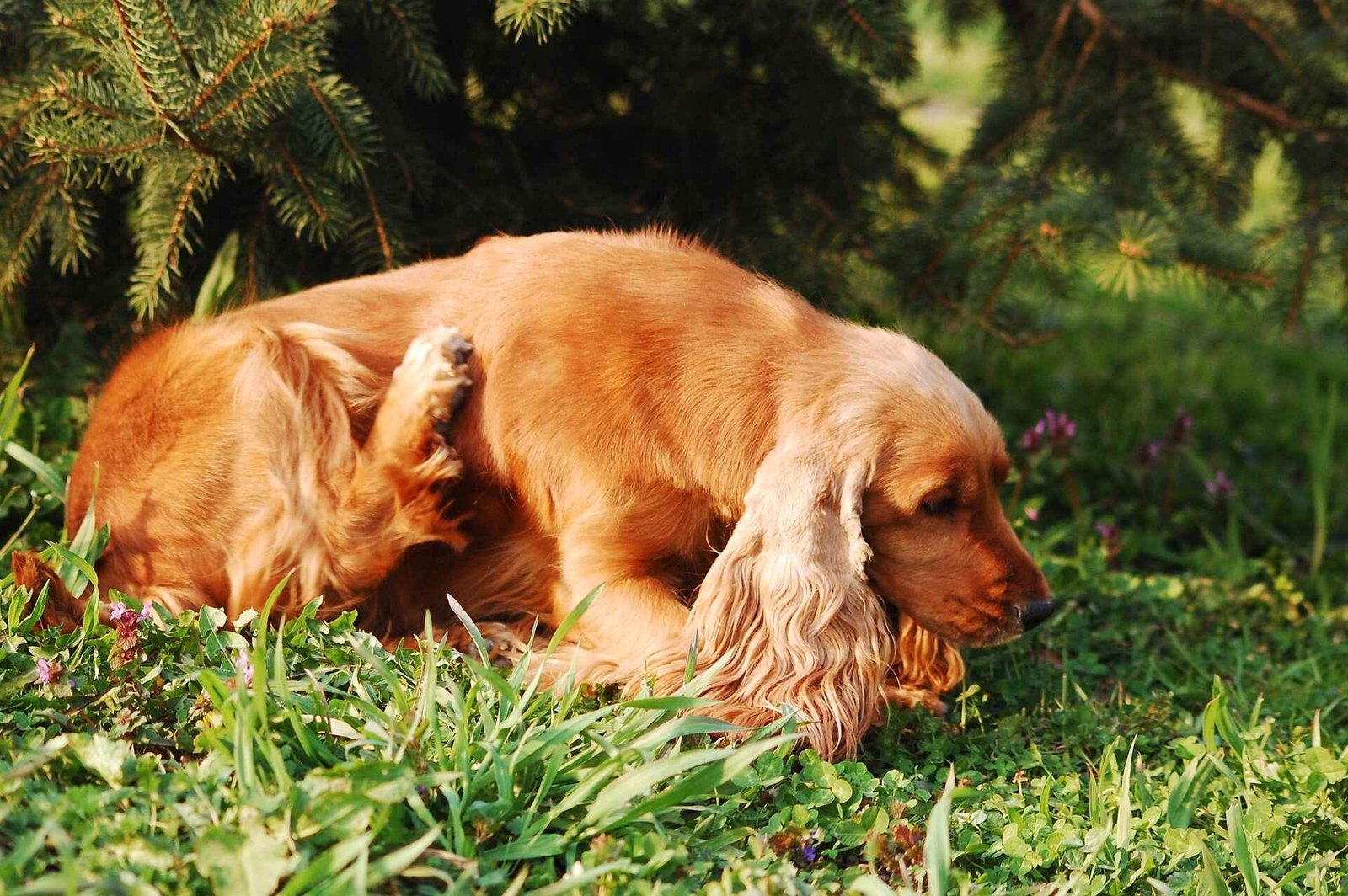
If you want to actively prevent dog skin problems, proactive management is key. Preventing an issue is always far easier, and significantly cheaper, than treating an active infection.
Year-round flea prevention is absolutely non-negotiable. Because flea allergy dermatitis is so highly prevalent, making sure you keep fleas off dogs is your first and strongest line of defense against severe flare-ups. A solid prevention routine naturally serves as the best long-term dog itchy skin treatment. Additionally, regular, gentle grooming removes trapped environmental allergens (like pollen and dust) from their coat after a walk.
Finally, wiping your dog’s paws with a damp cloth when they come inside during peak spring pollen seasons can drastically reduce the allergens they lick and ingest.
When to See a Vet
While minor, flaky skin in dogs might resolve completely with a soothing oatmeal bath, persistent and worsening issues require a professional veterinary eye.
Prompt veterinary attention is vital if you observe relentless scratching, painful open sores, massive hair loss, or distinct foul odors coming from the skin. Ignoring these early warning signs inevitably leads to complex, deep-tissue secondary infections that are miserable for your dog and expensive to treat.
Still Not Sure What’s Causing Your Dog’s Skin Problem?
Because many skin conditions look incredibly similar to the untrained eye, the best way to treat your dog effectively is to identify the exact cause right from the start. If symptoms persist, do not rely on guesswork—consult your veterinarian for proper diagnosis and a targeted treatment plan.
Frequently Asked Questions (FAQ)
What is the most common cause of skin problems in dogs?
Allergies are one of the most common causes of skin problems in dogs, including environmental allergies (pollen, dust mites), food allergies, and flea allergy dermatitis. Other incredibly common causes include external parasites, bacterial infections, yeast overgrowth, and underlying hormonal imbalances.
Can stress cause skin problems in dogs?
Yes, chronic stress and severe anxiety can absolutely cause skin problems in dogs. High stress levels suppress the immune response, making the dog more susceptible to infections. Furthermore, anxious dogs often engage in compulsive licking and chewing (acral lick dermatitis), which creates massive, infected hot spots on their paws and legs.
What dog breeds are prone to skin problems?
Certain breeds are genetically highly prone to severe skin issues and allergies. Golden Retrievers, Bulldogs, French Bulldogs, Pugs, German Shepherds, and Pit Bulls are notorious for suffering from atopic dermatitis and yeasty skin fold infections due to their genetic makeup and physical skin structures.
How can I treat my dog’s itchy skin at home?
Mild, temporary itching may improve with vet-approved colloidal oatmeal baths, moisturizing hypoallergenic shampoos, and daily omega-3 fish oil supplements. If you want to know how to stop dog itching fast, prescription allergy medications from a vet are the only guaranteed method. Persistent, frantic itching should always be evaluated by a professional, as home remedies alone cannot cure an active bacterial or parasitic infection.
When should I take my dog to the vet for skin problems?
You should see a veterinarian immediately if your dog experiences persistent itching, massive hair loss, bright red irritated skin, open oozing sores, foul odors, or skin issues that rapidly worsen despite basic home care. Early veterinary treatment prevents incredibly painful secondary infections.
Can dog skin infections go away on their own?
Minor irritation from dry air may improve on its own, but true bacterial, fungal, or parasitic skin infections almost always require professional veterinary treatment. Untreated skin infections predictably worsen, spread across the body, and become significantly more difficult and expensive to manage.
What foods help improve a dog’s skin and coat health?
High-quality dog foods richly fortified with omega-3 fatty acids, omega-6 fatty acids, zinc, and vitamin E greatly support a healthy skin barrier and a shiny coat. Dogs suffering from severe food allergies will require a specialized, vet-prescribed hypoallergenic or hydrolyzed protein diet to stop the allergic reaction.