


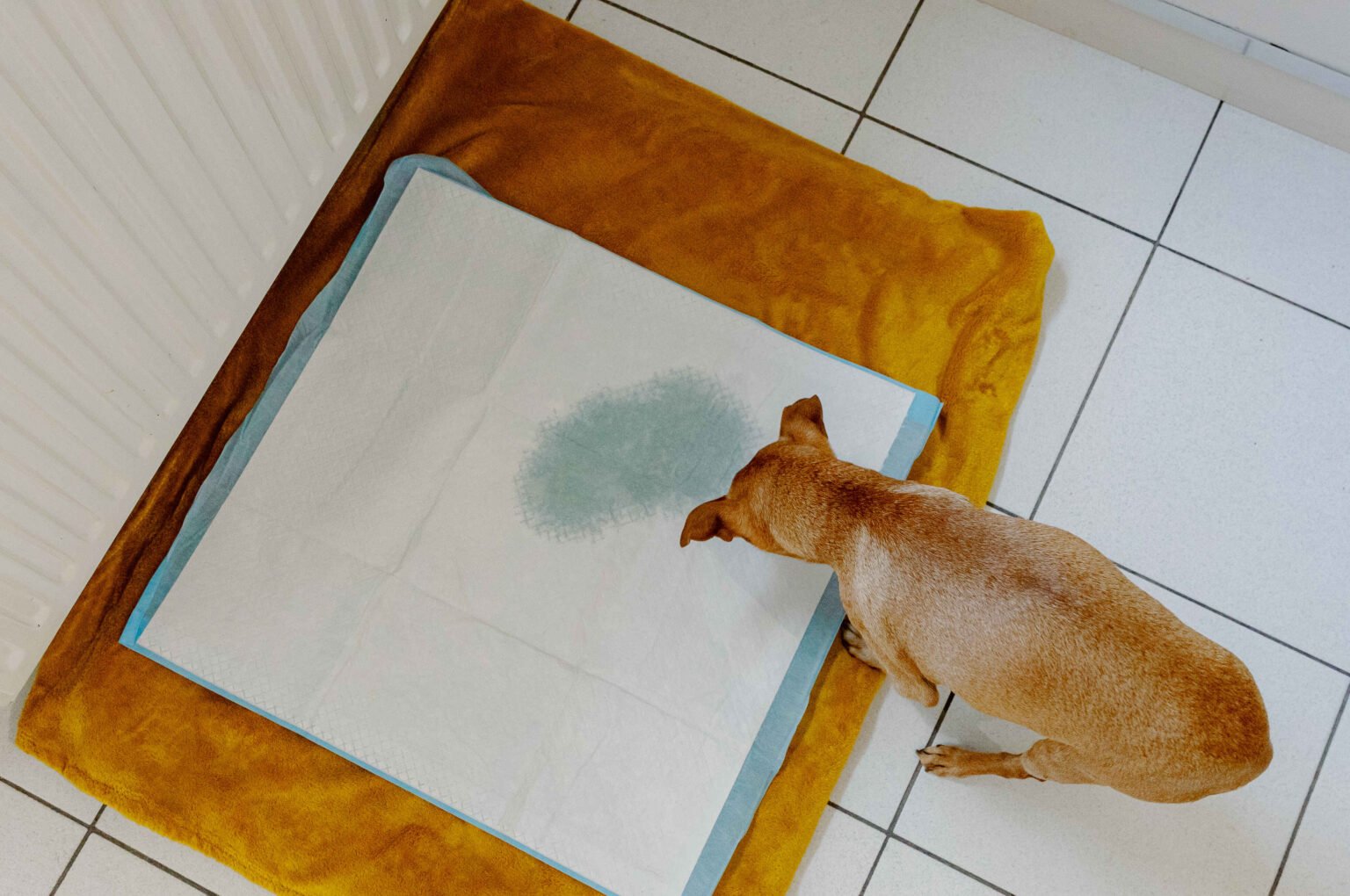
Dogs cannot tell us when they are in pain, which means owners must rely on subtle behavioral and physical clues to detect illness. A urinary tract infection (UTI) is a common condition often caused by bacteria entering and multiplying within a dog’s urinary system.
- What Are the First Signs of a UTI in Dogs?
- How Can I Check If My Dog Has a UTI at Home?
- What Can Be Mistaken for a UTI in Dogs?
- What Causes UTIs in Dogs?
- How Do Veterinarians Diagnose a UTI?
- Does a Dog UTI Require Antibiotics?
- Will a Dog’s UTI Clear Up on Its Own?
- What Should I Do While Waiting for the Vet?
- When Are Urinary Symptoms a Medical Emergency?
- Prevention and Recurrent UTIs
- Conclusion
- Sources & Veterinary References
- Frequently Asked Questions (FAQ)
While a single accident in the house might just be a behavioral slip, a sudden pattern of urinary changes is a strong indicator of a medical problem. Because urinary tract infections can escalate into serious kidney infections or contribute to the formation of bladder stones, recognizing the early warning signs is critical for your dog’s long-term health.
In this guide, we will cover exactly how to identify dog UTI symptoms, what conditions mimic a UTI, how veterinarians diagnose the problem, and why a proper veterinary assessment is essential.
The most common dog UTI symptoms include frequent attempts to urinate, straining or whining while urinating, sudden accidents in the house, excessive licking of the genital area, and urine that is cloudy, foul-smelling, or tinged with blood. If you notice these signs, your dog requires a veterinary evaluation to determine the cause and receive appropriate care.
What Are the First Signs of a UTI in Dogs?
A urinary tract infection irritates the lining of the bladder and urethra, giving the dog an uncomfortable, constant urge to go to the bathroom. If you are watching your dog’s daily habits, you will likely notice these seven primary signs:
- 1. Frequent Urination (Pollakiuria): You may notice your dog asking to go outside repeatedly, but only producing a small amount or just a few drops of urine each time.
- 2. Inappropriate Accidents: Inflammation can cause a sudden, uncomfortable urge to urinate, making it difficult for a previously house-trained dog to hold it until they get outside.
- 3. Straining or Pain (Dysuria): Your dog may hunch their back, posture for an unusually long time, or whine and whimper while trying to pass urine.
- 4. Blood in the Urine (Hematuria): Blood in a dog’s urine is a common symptom due to the irritation of the bladder wall. However, blood can also be caused by bladder stones or other serious urinary tract disorders.
- 5. Excessive Licking: Dogs instinctively lick areas that hurt or feel irritated. A dog with urinary discomfort will frequently lick their genital opening.
- 6. Strong Odor: Infected urine often takes on a noticeably strong, pungent ammonia smell.
- 7. Cloudy Urine: Healthy dog urine is typically transparent and pale yellow. A UTI can make the urine look cloudy or murky due to the presence of cellular debris and bacteria.
How Can I Check If My Dog Has a UTI at Home?
Many pet owners search for ways to test their dogs at home. However, it is vital to understand the difference between observing symptoms and diagnosing an infection.
What you can do at home: You can observe your dog’s urination patterns. You can check the color and smell of their urine. If your veterinarian asks you to collect a urine sample at home, use a clean, dry container to catch a mid-stream sample without touching the container to your dog. Follow the clinic’s instructions about storage and transport, because the handling requirements can vary depending on which tests are being performed.
What you cannot do at home: You cannot definitively diagnose a bacterial UTI. Human over-the-counter UTI test strips are not reliably calibrated for canine urine specific gravity and pH levels. Furthermore, diagnosing a bacterial cystitis (bladder infection) requires proper laboratory testing, including a microscopic evaluation of the urine. Symptoms alone cannot establish a diagnosis.
What Can Be Mistaken for a UTI in Dogs?

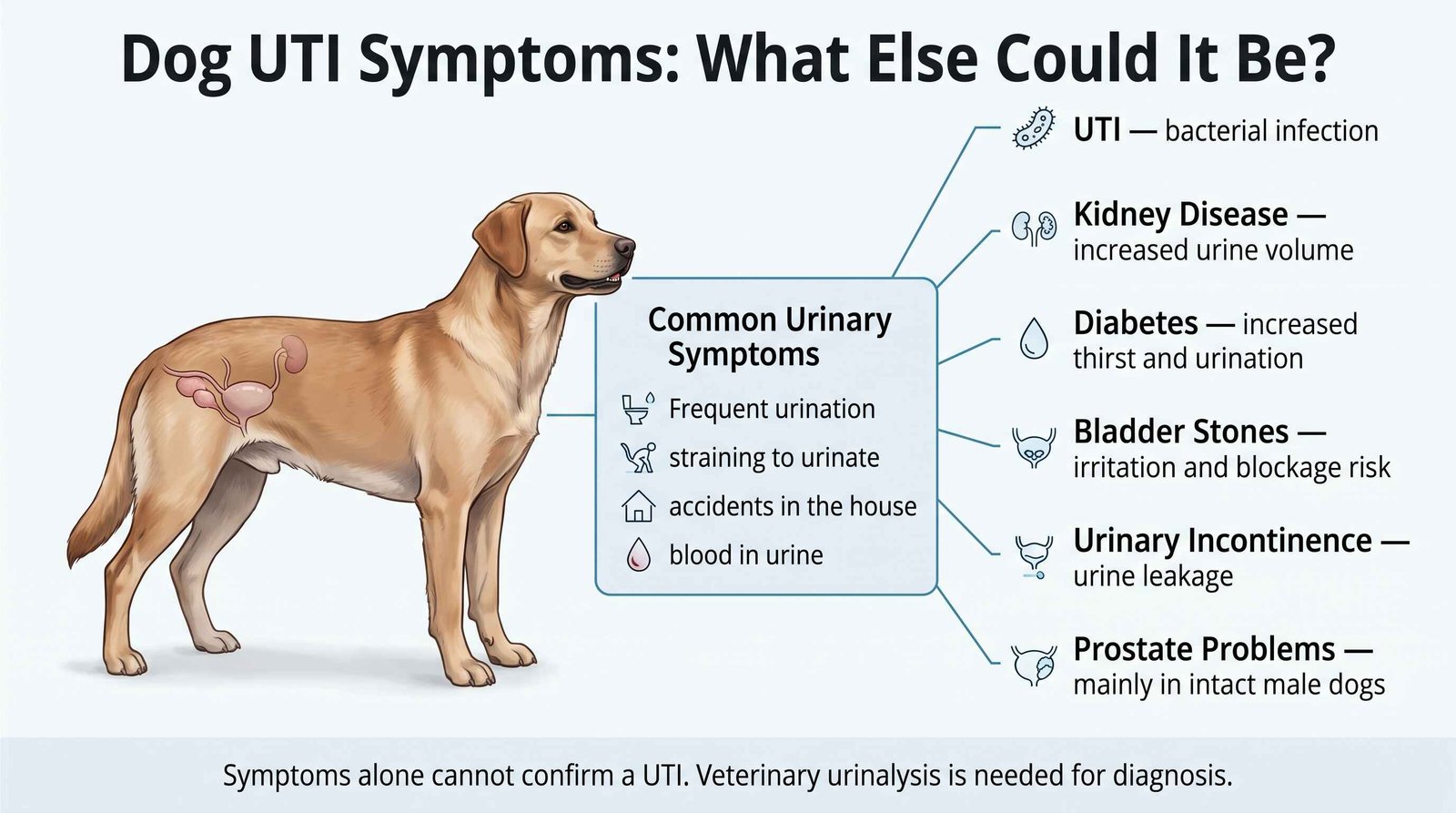
One of the main reasons veterinary diagnosis is essential is that several other serious medical conditions share the exact same symptoms as a UTI.
If your dog is drinking heavily, having accidents, or straining to pee, a veterinarian will also consider other potential causes, including:
- Bladder Stones (Uroliths): Stones can form in the bladder, causing severe pain, bleeding, and straining. They can also create physical blockages.
- Diabetes Mellitus: Diabetic dogs drink excessive amounts of water and urinate frequently, which can lead to house accidents. Diabetic dogs are also highly prone to developing secondary UTIs.
- Kidney Disease: A decline in kidney function limits a dog’s ability to concentrate urine, leading to increased volume and frequency.
- Prostate Issues: In intact (unneutered) male dogs, an enlarged or infected prostate can press against the urethra, causing straining and blood in the urine.
- Urinary Incontinence: Older dogs, particularly spayed females, can develop weakened sphincter muscles, leading to urine leakage while resting. This is a functional issue, not an infection.
- Behavioral Marking: Stress, anxiety, or the introduction of a new pet can cause a dog to inappropriately mark their territory indoors.
What Causes UTIs in Dogs?
A urinary tract infection generally occurs when bacteria, most commonly from the dog’s own gastrointestinal tract or environment, travel up the urethra and into the bladder, where they multiply.
Female dogs are generally more susceptible to UTIs because they have a shorter, wider urethra than males, making it easier for bacteria to reach the bladder. However, male dogs can and do develop urinary infections.
Dogs with underlying health conditions, such as diabetes, Cushing’s disease, or chronic kidney disease, may have compromised immune defenses or altered urine chemistry, making them more susceptible to recurrent infections.
How Do Veterinarians Diagnose a UTI?
To accurately diagnose the issue, your veterinarian will rely on diagnostic testing rather than symptoms alone.
A urinalysis is a core diagnostic test. The veterinarian will analyze the urine’s concentration and pH level, and look under a microscope for red blood cells, white blood cells (which indicate inflammation), crystals, and bacteria.
Depending on the case, a urine culture and susceptibility test may also be recommended. While the Merck Veterinary Manual notes that a culture does not need to be performed in every single case of sporadic bacterial cystitis, it is highly useful. Culturing the urine helps the veterinarian select an appropriate antimicrobial and prevents antibiotic resistance, especially in complicated or recurring cases.
Does a Dog UTI Require Antibiotics?
Not every confirmed presence of bacteria requires an immediate course of antibiotics. Current veterinary guidance distinguishes between sporadic bacterial cystitis (which causes clinical symptoms like pain and straining) and subclinical bacteriuria (where bacteria are detected in a properly collected urine sample without the clinical signs normally associated with a urinary infection).
In cases of subclinical bacteriuria, veterinarians may monitor the dog rather than prescribe antibiotics, as unnecessary treatment can contribute to antimicrobial resistance. However, if your dog is actively showing symptoms of discomfort and infection, targeted antimicrobial therapy is generally required.
Will a Dog’s UTI Clear Up on Its Own?
A suspected UTI should not be left untreated without veterinary assessment. Some urinary signs have causes other than infection, and a bacterial infection can spread to the kidneys or contribute to complications if it is not appropriately managed.
Some bacterial urinary infections can contribute to the formation of struvite bladder stones, particularly when certain bacteria alter the urine environment. This is one reason persistent urinary symptoms should be evaluated by a veterinarian. Do not attempt to treat a suspected UTI with home remedies like cranberry juice or apple cider vinegar; seek proper veterinary diagnosis and care.
What Should I Do While Waiting for the Vet?
If you have scheduled a vet appointment but need to keep your dog comfortable in the meantime, follow these simple steps:
- Provide Fresh Water: Ensure your dog has constant access to clean, fresh water. Encouraging normal hydration supports urinary function.
- Provide Frequent Potty Breaks: Take your dog outside every hour or two so they do not have to hold their urine, which can be painful.
- Do Not Give Human Medication: Never give your dog human pain relievers like ibuprofen or acetaminophen. These are highly toxic and can cause fatal organ failure in dogs.
When Are Urinary Symptoms a Medical Emergency?
Seek Emergency Veterinary Care If:
- Your dog is unable to urinate: If your dog is posturing and straining to pee but absolutely nothing is coming out, this is a sign of a urinary blockage. A blocked bladder is a fatal emergency that requires immediate, life-saving intervention.
- Your dog exhibits severe lethargy or collapse: Extreme weakness can indicate a systemic infection or kidney involvement.
- Your dog is vomiting or refuses to eat: A dog with a simple lower urinary infection usually still wants to eat. Vomiting suggests a more severe systemic issue.
- The mother becomes weak, collapses, or seems confused.
Prevention and Recurrent UTIs
You cannot prevent every UTI, but good urinary habits can support your dog’s overall urinary health. Provide fresh water and regular opportunities to urinate rather than routinely requiring your dog to hold urine for long periods. If UTIs keep returning, the priority is identifying why. Your veterinarian may investigate conditions such as diabetes, kidney disease, urinary stones, anatomical abnormalities, or other factors that increase the risk of recurrent infection.
Conclusion
Recognizing dog UTI symptoms early—such as frequent trips outside, straining, accidents, and discolored urine—allows you to seek veterinary care promptly. Because many serious conditions share these exact symptoms, a proper veterinary urinalysis is the only way to accurately diagnose the problem. By working with your veterinarian to assess the symptoms and implement an appropriate management plan, you can protect your dog from discomfort and prevent more serious urinary complications.
Sources & Veterinary References
- Merck Veterinary Manual: Infectious Diseases of the Urinary System in Dogs
- VCA Animal Hospitals: Urinary Tract Infections (UTIs) in Dogs
- American Kennel Club (AKC): Dog UTI Symptoms: Could It Be Something More?
Frequently Asked Questions (FAQ)
Can a dog have a UTI without obvious symptoms?
Yes. This is known clinically as subclinical bacteriuria. In these cases, bacteria are detected in a properly collected urine sample without the clinical signs normally associated with a urinary infection. It is often discovered during routine veterinary screenings.
What does a dog UTI smell like?
A noticeably stronger or unusual urine odor can occur with urinary disease, but smell alone cannot tell you whether your dog has a UTI.
Are female dogs more likely to get UTIs?
Yes, female dogs generally have a higher incidence of lower urinary tract infections because they have a shorter, wider urethra, making it easier for environmental or gastrointestinal bacteria to reach the bladder.
How do you collect a urine sample from a dog?
If your veterinarian asks you to collect a urine sample at home, use a clean, dry container to catch a mid-stream sample without touching the container to your dog. Follow the clinic’s instructions about storage and transport, because the handling requirements can vary depending on which tests are being performed.
Why is my dog suddenly having accidents in the house?
Inflammation in the bladder or urethra causes a sudden, uncomfortable urge to urinate. This intense urgency makes it difficult for even a perfectly house-trained dog to hold their urine until they can be let outside.