


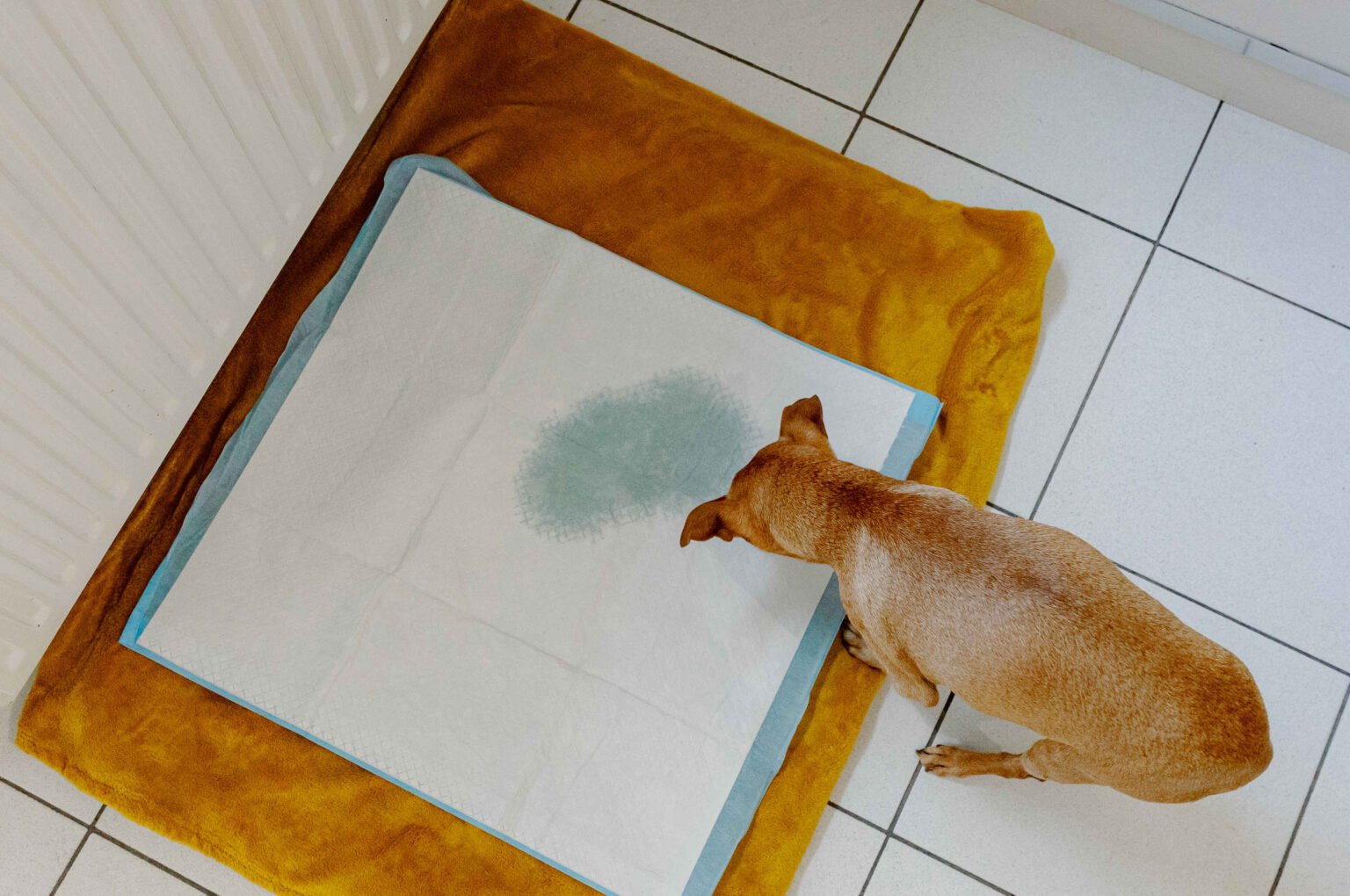
A urinary tract infection (UTI) occurs when bacteria enter and multiply within a dog’s urinary system. For owners, the most recognizable dog UTI symptoms usually involve sudden changes in bathroom habits, such as asking to go out more frequently, having accidents indoors, or visibly struggling to pee.
- Quick Answer: What Are Dog UTI Symptoms?
- What Is a UTI in Dogs?
- What Are the Symptoms of a UTI in Dogs?
- Frequent urination
- Straining to urinate
- Passing only small amounts of urine
- Urinary accidents
- Blood in urine
- Strong-smelling urine
- Genital licking
- Painful urination
- Symptoms that may occur with other urinary diseases
- What Do Dog UTI Symptoms Look Like at Home?
- UTI Symptoms in Female vs. Male Dogs
- What Can Be Mistaken for a UTI in Dogs?
- Bladder stones
- Urinary obstruction
- Cystitis without infection
- Urinary incontinence
- Kidney disease or kidney infection
- Diabetes
- Prostate problems
- Behavioral causes
- Why Do Dogs Get UTIs?
- Bacteria entering the urinary tract
- Female sex
- Age
- Diabetes
- Cushing’s disease
- Kidney disease
- Stones and crystals
- Anatomical abnormalities
- Immunosuppression and Medications
- Recurrent UTIs
- Can Dog UTI Symptoms Come and Go?
- How Is a UTI Diagnosed in Dogs?
- Physical examination
- Urinalysis
- Urine culture and susceptibility
- Urine sample collection
- Blood tests
- X-rays and ultrasound
- How to Help a Dog With UTI Symptoms
- Veterinary evaluation
- Encourage water intake
- Frequent bathroom breaks
- Hygiene
- Monitoring urine
- What not to give your dog
- How Are UTIs in Dogs Treated?
- Can a Dog UTI Go Away on Its Own?
- When Is a Dog UTI an Emergency?
- How Long Does a Dog UTI Last?
- How to Prevent UTIs in Dogs
- What Not to Do If Your Dog Has UTI Symptoms
- Frequently Asked Questions About Dog UTI Symptoms
- What are dog UTI symptoms?
- How can I tell if my dog has a UTI at home?
- Can dog UTI symptoms come and go?
- What can be mistaken for a UTI in dogs?
- Can a dog’s UTI go away on its own?
- How can I help a dog with UTI symptoms at home?
- Are UTI symptoms different in female and male dogs?
- When should I take my dog to the vet for UTI symptoms?
- Key Takeaways
- Veterinary References
However, urinary symptoms should never be automatically assumed to be a simple infection. Several serious conditions, including bladder stones and life-threatening urinary blockages, can look exactly like a UTI. Veterinary testing is essential to get an accurate diagnosis, relieve your dog’s discomfort, and ensure a minor problem does not become an urgent emergency.
Quick Answer: What Are Dog UTI Symptoms?
Possible signs of a UTI in dogs include:
- Frequent urination
- Repeatedly trying to urinate
- Straining to urinate
- Passing only small amounts of urine
- Accidents in the house
- Blood in the urine
- Strong-smelling urine
- Licking the genital area
- Pain or discomfort when urinating
Important: A dog can have more than one of these symptoms, and the combination and severity of signs can help your veterinarian determine how urgently your dog needs to be examined. These symptoms can also occur with bladder stones, urinary obstruction, kidney disease, incontinence, and other urinary conditions, so symptoms alone cannot confirm a UTI.
What Is a UTI in Dogs?
What does UTI mean?
UTI stands for Urinary Tract Infection. It generally refers to a bacterial infection anywhere along the urinary tract. The most common type of UTI in dogs is a bladder infection, medically known as bacterial cystitis (inflammation of the bladder caused by bacteria). It is important to note that a dog can have bladder inflammation (cystitis) without having an active bacterial infection.
Which parts of the urinary tract are affected?
A UTI can affect one or multiple parts of the urinary system:
- Urethra: The tube carrying urine from the bladder to the outside of the body.
- Bladder: The muscular sac that stores urine.
- Ureters: The tubes carrying urine from the kidneys to the bladder.
- Kidneys: The organs that filter waste from the blood. An infection that travels up to the kidneys is more severe and potentially life-threatening.
Are UTIs common in dogs?
Bacterial urinary tract infections are relatively common in dogs, and female dogs are affected more often than male dogs.
What Are the Symptoms of a UTI in Dogs?
Recognizing the early warning signs can help you get your dog veterinary care before the infection worsens. Here are the most common signs you might observe.
Frequent urination
Your dog may suddenly ask to go outside much more often than usual. An irritated bladder can make a dog feel like they urgently need to pee, even if their bladder is nearly empty.
Straining to urinate
Normal urination should be effortless. A dog with a UTI may squat or lift their leg for a prolonged period, pushing noticeably without much result.
Passing only small amounts of urine
Because the urge to urinate is frequent but the bladder is mostly empty, you may see your dog squat repeatedly, producing only a few drops or a tiny trickle of urine each time.
If your dog repeatedly tries to urinate but produces no urine, treat this as an emergency rather than assuming it is a routine UTI.
Urinary accidents
A previously well-house-trained dog may suddenly start having accidents indoors. This happens because the inflammation creates an intense, sudden urge to urinate that the dog simply cannot hold.
Blood in urine
Hematuria (blood in the urine) is a common sign of urinary tract inflammation. The urine may look pink, red, or brownish, or you may see visible blood clots at the end of urination.
Strong-smelling urine
Urine that smells unusually foul, pungent, or “fishy” can sometimes indicate the presence of bacteria and altered urine chemistry. However, odor alone does not definitively establish a UTI.
Genital licking
A dog may repeatedly lick their vulva or penis to soothe the irritation, burning, or discomfort caused by the infection or by urine dribbling.
Painful urination
Dysuria (painful urination) can cause noticeable behavioral changes. Your dog might whine while urinating, look back at their hind end, pace restlessly, or actively try to avoid urinating because it hurts.
Symptoms that may occur with other urinary diseases
You may also notice increased thirst or systemic signs like lethargy, fever, and reduced appetite. While these can sometimes accompany a UTI, they often point toward more significant conditions. Increased thirst plus increased urination can indicate kidney disease or diabetes. Lethargy and fever can indicate a more severe infection (such as a kidney infection) or another serious illness.
Note: A dog can have more than one of these symptoms, and the combination and severity of signs can help your veterinarian determine how urgently your dog needs to be examined.
What Do Dog UTI Symptoms Look Like at Home?
It can be challenging to interpret your dog’s behavior. The table below breaks down what you might notice at home and what it may mean.
| What You Notice | What It May Mean |
|---|---|
| Squatting repeatedly | Urinary irritation, pain, or a sense of urgency. |
| Producing only a few drops | Lower urinary tract problem or potential blockage. |
| Asking to go outside frequently | Increased urinary urgency due to bladder inflammation. |
| Blood in urine | Urinary tract inflammation, stones, or other disease. |
| Urinating indoors suddenly | Urinary urgency overriding house-training, or incontinence. |
| Licking genitals repeatedly | Local irritation, discharge, or discomfort. |
| Strong urine odor | May occur with bacterial infection but is not diagnostic on its own. |
| Straining with little/no urine | Potentially Urgent. Could indicate a life-threatening blockage. |
Warning: Straining without producing any urine can represent a medical emergency, particularly in dogs with a suspected urinary obstruction. Do not wait for symptoms to resolve, seek veterinary care immediately.
UTI Symptoms in Female vs. Male Dogs
Female dogs
Female dogs are significantly more susceptible to UTIs than males due to their shorter, wider urethras, which make it easier for bacteria to travel up into the bladder. Symptoms in females prominently feature frequent squatting, indoor accidents, vulvar licking, and sometimes a visible vaginal discharge. Recurrent infections are a common issue for some female dogs.
Male dogs
While male dogs show similar urinary signs, such as lifting their leg frequently, passing small amounts of bloody urine, and genital licking, they are at a much higher risk for a complete urinary obstruction. Because a male dog’s urethra is longer and narrower, bladder stones can easily become lodged, creating a life-threatening blockage. Prostate-related diseases can also mimic or contribute to UTI symptoms in intact (unneutered) males.
What Can Be Mistaken for a UTI in Dogs?
One of the most important things for an owner to understand is what can be mistaken for a UTI in dogs. The symptoms of urinary irritation overlap heavily across several distinct medical conditions.
| Condition | Common Signs | What Makes It Different? |
|---|---|---|
| Bacterial UTI | Frequent urination, straining, blood | Bacteria confirmed through testing |
| Bladder stones | Blood, straining, frequent urination | May cause a urinary obstruction |
| Urinary obstruction | Repeated attempts with little/no urine | Life-threatening emergency |
| Incontinence | Urine leakage while resting or sleeping | Often involuntary leakage |
| Kidney disease | Increased thirst and urination | Often broader systemic signs |
| Diabetes | Increased thirst and large urine volumes | Metabolic disease |
Bladder stones
Uroliths (bladder stones) scrape against the bladder wall, causing intense irritation. They produce symptoms nearly identical to a UTI, including blood in the urine, straining, frequent urination, and pain. Stones can also harbor bacteria, causing recurrent UTIs.
Urinary obstruction
If a stone or crystal plug blocks the urethra, the dog cannot empty their bladder. This is fatal if not treated quickly. A dog with an obstruction will strain intensely but produce no urine.
Cystitis without infection
Sterile cystitis involves bladder inflammation without the presence of bacteria. It causes the same urgency and discomfort but requires different treatment than a bacterial infection.
Urinary incontinence
If your main symptom is finding puddles of urine where the dog was sleeping, it may be incontinence (a loss of sphincter control) rather than the urgent, conscious urination seen with a UTI.
Kidney disease or kidney infection
Increased thirst and urination are classic signs of kidney failure. A kidney infection (pyelonephritis) is a severe upper urinary tract infection that usually presents with fever, back pain, lethargy, and vomiting alongside urinary changes.
Diabetes
Dogs with diabetes mellitus drink excessive amounts of water and therefore urinate frequently and in large volumes. This increased volume is sometimes mistaken for a UTI, though diabetic dogs are also highly prone to developing secondary UTIs.
Prostate problems
In male dogs, an enlarged or infected prostate gland can press against the urethra, causing straining, blood in the urine, and difficulty defecating.
Behavioral causes
Sometimes, urinating indoors is a result of anxiety, submissive urination, marking behavior, or a lapse in house-training, especially if no other signs of pain or straining are present.
Why Do Dogs Get UTIs?
Bacteria entering the urinary tract
The vast majority of UTIs occur when normal skin or gastrointestinal bacteria (commonly E. coli) travel up the urethra and colonize the bladder.
Female sex
As mentioned, the shorter urethral anatomy in females makes bacterial ascending infections much easier.
Age
Senior dogs are more susceptible due to weaker immune systems, declining sphincter tone, and higher likelihood of underlying systemic diseases.
Diabetes
Diabetic dogs have high levels of sugar in their urine, which provides an ideal food source for rapidly multiplying bacteria.
Cushing’s disease
Hyperadrenocorticism (Cushing’s disease) suppresses the immune system and leads to dilute urine, removing the bladder’s natural defenses against bacterial overgrowth.
Kidney disease
Dogs with kidney disease produce very dilute urine that lacks the normal concentration needed to inhibit bacterial growth.
Stones and crystals
Bladder stones damage the bladder lining, creating a welcoming environment for bacteria, and can physically shield bacteria from antibiotics.
Anatomical abnormalities
Conditions like a recessed vulva, ectopic ureters, or hooded vulvas can trap moisture and bacteria, facilitating frequent infections.
Immunosuppression and Medications
Some medications and conditions that suppress immune function can increase susceptibility to urinary infections. The Merck Veterinary Manual specifically notes immunosuppression among risk factors.
Recurrent UTIs
Repeated episodes of bacterial cystitis are considered recurrent UTIs and may warrant further investigation for an underlying cause.
Can Dog UTI Symptoms Come and Go?
Yes. Many owners ask, can dog UTI symptoms come and go? The answer is yes, but fluctuating symptoms do not mean the problem has resolved.
Why symptoms may improve temporarily
A dog’s immune system may temporarily suppress the bacterial load, or the dog may simply drink more water, diluting the urine and temporarily easing the burning sensation. Symptoms might seem to vanish for a few days.
Why recurring symptoms matter
If symptoms return, it often means the infection was never fully cleared. A simmering infection can slowly ascend to the kidneys, causing permanent organ damage.
When further testing is needed
Recurrent or fluctuating symptoms can indicate:
- Incomplete previous antibiotic treatment.
- Resistant bacteria requiring a different medication.
- Hidden bladder stones or crystals.
- An undiagnosed underlying disease (like diabetes or Cushing’s).
- Anatomical problems.
How Is a UTI Diagnosed in Dogs?
Because so many conditions mimic a UTI, veterinarians rely on diagnostic testing rather than symptoms alone.
Physical examination
The vet will assess the dog’s overall health, feel the bladder and abdomen for pain or stones, and examine the external genitals.
Urinalysis
A urinalysis is an important first diagnostic test. The vet evaluates the urine for white blood cells (indicating inflammation/infection), red blood cells (bleeding), bacteria, crystals, urine concentration (specific gravity), pH levels, and glucose.
Urine culture and susceptibility
Your veterinarian may also recommend a urine culture and susceptibility test, particularly for recurrent, complicated, or nonresponsive infections. A urine culture grows the bacteria in a lab to identify the exact species, and a susceptibility test helps determine which antibiotics are likely to be effective against the bacteria identified.
Urine sample collection
Vets collect urine in a few ways:
- Free-catch: Catching urine in a sterile cup mid-stream.
- Catheterization: Passing a sterile tube up the urethra.
- Cystocentesis: Cystocentesis is the preferred method when a clean urine sample is needed for bacterial culture. A fine needle is passed through the abdominal wall directly into the bladder.
Blood tests
Bloodwork may be required to check kidney function, assess the immune response, or screen for underlying diseases like diabetes.
X-rays and ultrasound
Imaging is particularly important for dogs with recurrent UTIs, suspected bladder stones, prostate issues, or structural abnormalities.
How to Help a Dog With UTI Symptoms
If you are wondering how to help dog UTI symptoms at home, the most important step is distinguishing between supportive care and medical treatment. You cannot cure a bacterial infection with home remedies.
Veterinary evaluation
Scheduling a vet appointment should be your first step. Prompt diagnosis provides the fastest relief.
Encourage water intake
Keeping your dog hydrated helps flush bacteria and inflammatory debris out of the bladder. However, hydration is supportive, it does not cure a bacterial infection.
Frequent bathroom breaks
Give your dog frequent opportunities to urinate rather than making them hold their urine for long periods, particularly when they are already experiencing urinary discomfort.
Hygiene
Keep the genital area clean. If your dog has a recessed vulva or long fur that traps moisture, gently wipe the area with a damp, clean cloth.
Monitoring urine
Observe your dog’s bathroom habits closely so you can give the vet accurate information regarding color, volume, frequency, odor, straining, and blood.
What not to give your dog
Do not give leftover antibiotics. Using old or incorrect antibiotics contributes to antibiotic resistance and may fail to kill the current bacteria.
Do not use human medications. Do not give human pain medications unless your veterinarian specifically instructs you to do so. Some human medications can cause serious poisoning or other complications in dogs, and the appropriate medication and dose depend on the individual dog.
How Are UTIs in Dogs Treated?
Antibiotics
Bacterial UTIs are generally treated with veterinarian-prescribed antibiotics based on clinical assessment and diagnostic testing.
Pain management
UTIs are painful. Your veterinarian may prescribe appropriate, dog-safe pain relief or anti-inflammatory medications to keep your dog comfortable while the antibiotics take effect.
Treating underlying causes
If the UTI is secondary to bladder stones, diet changes or surgery may be required. If it is secondary to diabetes, managing the blood sugar is essential.
Recurrent UTIs
If a UTI keeps coming back, veterinarians will investigate deeper, looking for structural defects, stones, or compromised immunity, rather than just prescribing repeated rounds of basic antibiotics.
Can a Dog UTI Go Away on Its Own?
Do not assume a suspected UTI will resolve on its own. Similar symptoms can be caused by bladder stones, obstruction, kidney disease, sterile cystitis, or other conditions. Veterinary assessment is important because an untreated bacterial infection can spread upward into the kidneys.
When Is a Dog UTI an Emergency?
Seek urgent veterinary care if your dog:
- Cannot urinate.
- Repeatedly strains but produces little or no urine.
- Displays severe pain or cries out.
- Has significant, visible blood or blood clots in the urine.
- Is vomiting.
- Becomes extremely lethargic or unresponsive.
- Has a fever or appears seriously ill.
- Has a swollen, hard, or painful abdomen.
- Suddenly deteriorates.
Why urinary obstruction is dangerous
A urinary blockage (often caused by stones) prevents urine from leaving the body. Toxins build up rapidly in the bloodstream, and the bladder can rupture. This is a fatal condition if not treated immediately.
If your dog is repeatedly trying to urinate but cannot produce urine, do not wait to see whether the symptoms improve. Seek emergency veterinary care.
How Long Does a Dog UTI Last?
The length of treatment depends on whether the infection is a simple sporadic bacterial cystitis or a more complicated/recurrent infection. Current veterinary guidance supports short antibiotic courses of 3–5 days for many uncomplicated cases, while recurrent infections or infections involving the kidneys, prostate, stones, or other underlying conditions may require a different treatment plan.
Expected improvement
Once the correct antibiotic is started, you should see a noticeable improvement in your dog’s symptoms within 24 to 48 hours. The urgency, straining, and blood usually resolve quickly.
When symptoms don’t improve
If symptoms persist after 48 hours of antibiotics, contact your vet. The bacteria may be resistant, or the dog may have stones or a different condition altogether.
Recurrence
It is vital to finish the entire prescription, even if your dog seems perfectly normal. Stopping early is a primary reason infections return.
How to Prevent UTIs in Dogs
While you cannot prevent every infection, you can support a healthy urinary tract.
- Hydration: Encourage adequate water intake to flush the bladder regularly.
- Bathroom breaks: Provide frequent opportunities to urinate so urine does not sit stagnant in the bladder.
- Hygiene: Keep the genital area clean, especially in female dogs with skin folds around the vulva.
- Weight management: Keep your dog at a healthy weight to reduce the risk of skin fold dermatitis and systemic diseases.
- Underlying disease: Tightly manage conditions like diabetes or Cushing’s disease.
- Recurrent UTI monitoring: Follow your veterinarian’s recommendations, which may include periodic urinalysis.
- Urinary diets: If your dog is prone to crystals or stones, strictly feed the veterinary therapeutic diet prescribed to alter urine pH. Do not assume cranberry supplements alone will prevent bacterial UTIs.
What Not to Do If Your Dog Has UTI Symptoms
To protect your dog’s health, make sure you avoid these common mistakes:
- Don’t give leftover antibiotics from a previous illness.
- Don’t give human painkillers without explicit veterinary direction.
- Don’t assume strong-smelling urine absolutely proves a UTI without a vet check.
- Don’t wait indefinitely for symptoms to disappear on their own.
- Don’t assume every sudden urinary accident is a behavioral or training lapse.
- Don’t restrict your dog’s water intake in an attempt to stop accidents.
- Don’t rely on home remedies instead of veterinary diagnosis.
- Don’t stop prescribed medication early just because the dog feels better.
Frequently Asked Questions About Dog UTI Symptoms
What are dog UTI symptoms?
The most common symptoms include a frequent urge to urinate, straining to pee, producing only small drops of urine, having indoor accidents, licking the genital area, and passing cloudy or bloody urine.
How can I tell if my dog has a UTI at home?
While owners can recognize the symptoms of urinary discomfort, such as straining, blood, and accidents, it is impossible to confirm a bacterial infection at home. A veterinarian must perform a urinalysis to diagnose a UTI.
Can dog UTI symptoms come and go?
Yes. Symptoms may temporarily improve if the dog drinks more water or their immune system temporarily suppresses the bacteria, but returning symptoms indicate the underlying infection or issue has not been resolved.
What can be mistaken for a UTI in dogs?
Several conditions mimic UTI symptoms perfectly, including painful bladder stones, life-threatening urinary obstructions, sterile cystitis (inflammation without bacteria), prostate disease in males, and urinary incontinence.
Can a dog’s UTI go away on its own?
It is risky to wait. Do not assume a suspected UTI will resolve on its own. Untreated UTIs can travel to the kidneys and cause severe, permanent organ damage or systemic infection.
How can I help a dog with UTI symptoms at home?
You can support your dog by encouraging them to drink fresh water and providing frequent bathroom breaks. However, home remedies cannot cure a bacterial infection; veterinary antibiotics and pain relief are required.
Are UTI symptoms different in female and male dogs?
The symptoms are largely the same, but female dogs are much more prone to frequent bacterial infections. Male dogs with these symptoms are at a much higher risk of suffering from a life-threatening urinary obstruction.
When should I take my dog to the vet for UTI symptoms?
You should arrange a vet visit as soon as you notice straining, frequent urination, or blood. If your dog is repeatedly trying to pee but producing absolutely nothing, seek emergency veterinary care immediately.
Key Takeaways
- Recognize the signs: Frequent urination, straining, small output, and blood are hallmark symptoms.
- Symptom overlap: UTI symptoms perfectly mimic bladder stones and severe blockages.
- Testing is required: A urinalysis and often a culture are necessary for an accurate diagnosis and proper antibiotic selection.
- Avoid home remedies: Do not rely on human medications or leftover antibiotics to treat your dog.
- Investigate recurrence: UTIs that keep coming back warrant deeper investigation for underlying diseases or structural issues.
- Medical Emergency: If your dog is straining and unable to pass any urine, they may be obstructed. Seek emergency care immediately.