
Home care for an itchy dog should support an appropriate treatment plan and limit further irritation. Pantry mixtures are not reliable substitutes for finding the cause. If scratching is persistent, painful, or disrupting sleep, contact your vet rather than working through a list of remedies.
This guide focuses on practical care at home: checking products, preparing for prescribed bathing, avoiding unsupported remedies, and recording the response. For the diagnostic process, see our dog skin problems guide.
Check urgency first
Difficulty breathing, collapse, or sudden facial swelling with breathing problems requires emergency care. Contact your clinic promptly for raw, bleeding, painful, or spreading lesions, ear pain, or a dog that is otherwise unwell. Tell the clinic if the dog cannot rest or is repeatedly injuring the skin through licking or scratching.
Itching is a sign, not a diagnosis. Parasites, infections, and allergies can produce overlapping symptoms. The Merck Veterinary Manual’s itching guide explains why identifying the cause matters. Temporary comfort does not prove that an infection or allergy has been treated.
Start with a product inventory
Before adding another spray or supplement, list everything already used on or given to your dog. Bring photographs of labels to the clinic. Include shampoo, flea products, ear cleaners, creams, wipes, supplements, and medicines. Add dates and any change noticed after use.
This helps distinguish a new problem from a possible reaction and avoids accidentally combining products with overlapping ingredients. Do not stop prescribed treatment without advice, but contact the clinic if it seems to cause irritation.
If your vet recommends bathing
Ask for the exact product and instructions. A moisturizing shampoo and a medicated shampoo serve different purposes. The Merck overview of topical treatment discusses how formulation and application affect treatment. Do not transfer a contact time or dilution ratio from a different bottle.
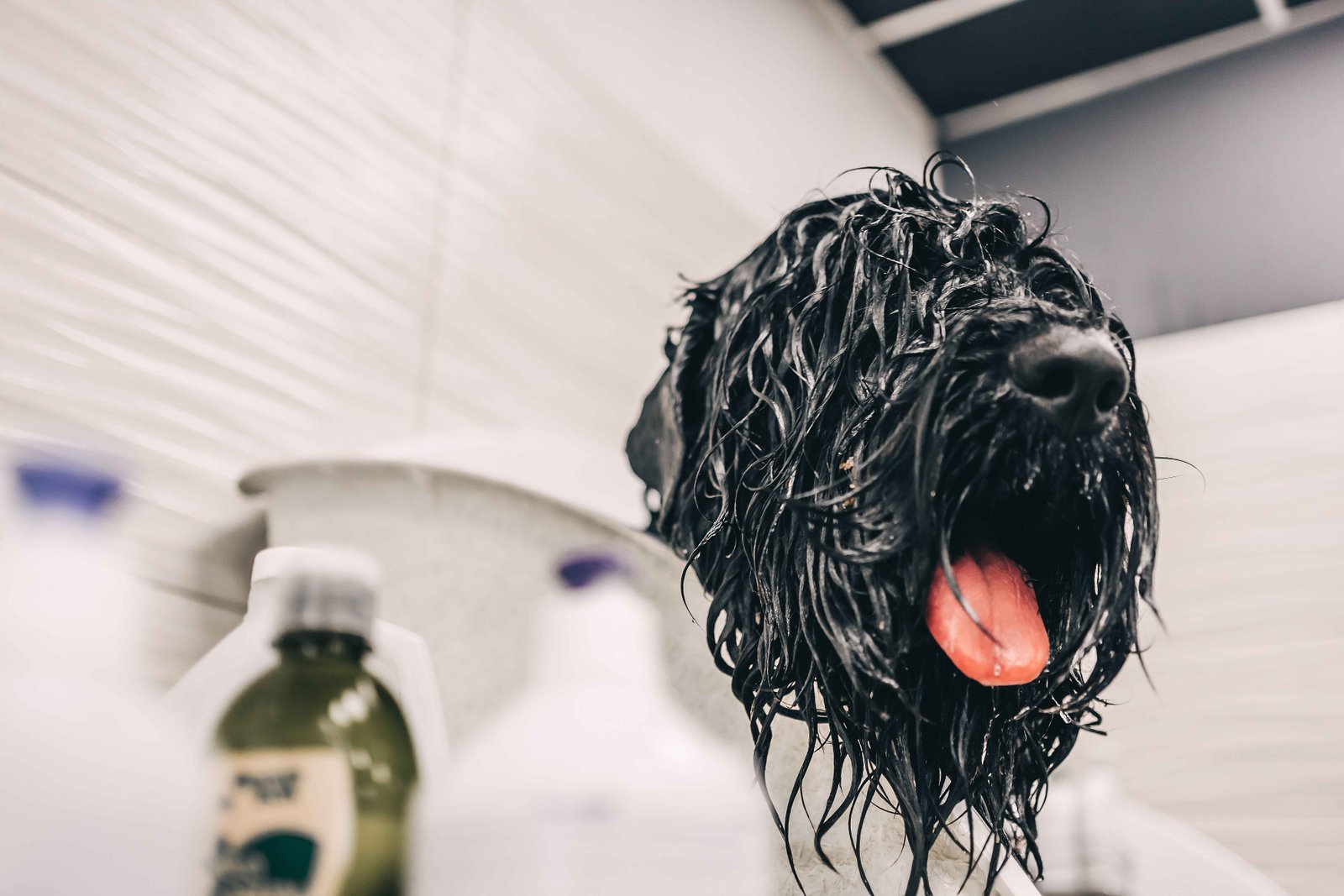
- Before bathing: Confirm whether broken skin, ear problems, or another condition changes the instructions.
- Prepare: Have the product, timer, towels, and a secure non-slip area ready.
- During use: Follow label and veterinary directions, including eye and ear precautions and preventing licking when required.
- Afterward: Rinse and dry as directed. Record any change in redness, discomfort, or scratching.
- If uncomfortable: Stop and contact the clinic rather than forcing a painful bath or adding another ingredient.
See our shampoo comparison for differences between three formulations. It is not a prescription for your dog’s skin condition.
Why the former home-remedy list was removed
The earlier article ranked nine remedies as reliable solutions without evidence supporting that ranking. A kitchen ingredient’s laboratory properties do not establish a safe and effective treatment for diseased canine skin. This guide no longer provides vinegar sprays, baking-soda pastes, tea rinses, aloe applications, or yogurt as treatment for skin yeast.
Our apple cider vinegar article explains concentration-related concerns and evidence limitations. Do not put household vinegar or other improvised mixtures into an ear or onto damaged skin. Avoid essential oils and human creams unless your vet has checked the exact product and intended use.
Supplements, antihistamines, and food changes
These require individual decisions. The AAHA allergic skin disease guidelines describe tailored management, not a single remedy suitable for all itchy dogs. Ask whether a supplement has a useful role, what dose and duration apply, and how improvement will be judged.
Do not use a human antihistamine as a substitute for emergency care or choose a dose from this article. Brand names can cover different ingredients. Likewise, switching casually to a “limited ingredient” food is not the same as carrying out a controlled diagnostic diet trial. Ask the clinic what foods, treats, and flavored medicines are permitted if a trial is prescribed.
Reduce confusion between appointments
Choose one simple observation to track consistently, such as the number of times licking interrupts an evening rest period. Also note location, skin changes, appetite, and whether the dog sleeps normally. Dated photos in similar lighting can make comparisons easier.
| Date | Product or treatment used | Observed response |
|---|---|---|
| Example: Monday evening | Prescribed shampoo; directions followed | Licked the same paw twice during a 30-minute rest period |
| Example: Tuesday evening | No new optional products | More redness noticed; called clinic with photo |
These fictional entries illustrate record-keeping, not expected results. Do not delay contacting the clinic while collecting a week’s worth of notes. Ask how to prevent further self-injury and which changes require an earlier examination.
Leave the appointment with a written plan
- What is each treatment intended to address?
- Which existing products should continue, pause, or change?
- What should improvement look like, and by when?
- What should happen if symptoms return?
- When is the follow-up, even if the dog seems better?
Editorial correction
Updated October 15, 2026: Removed unsupported “vet-backed” wording, ranked natural-cure claims, household treatment recipes, and promises of immediate relief. Replaced them with product checks, a bathing-plan checklist, and practical monitoring guidance. References provide clinical context and do not imply that their authors reviewed this article.