


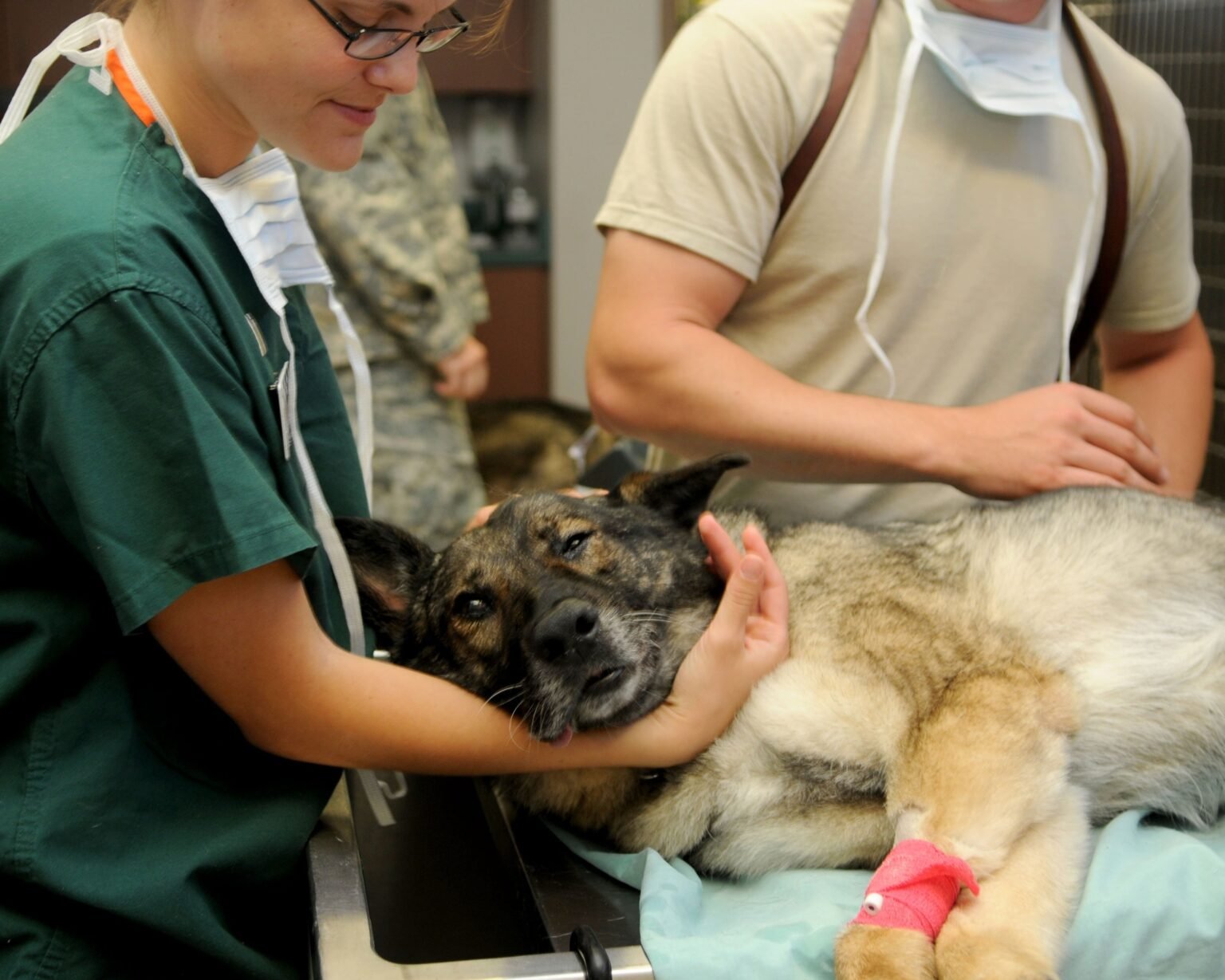
Most dog owners have experienced that exact moment of uncertainty. You put the food bowl down, and your dog just stares at it. Maybe they skip breakfast entirely, sleep an hour longer than usual, or turn their nose away from a favorite treat. You sit there asking yourself: is it just an off day, or is something actually wrong?
- The Small Changes Owners Often Notice First
- Normal vs. Concerning Symptoms
- How Do Dogs Act When They Are Sick?
- My Dog Was Fine Yesterday. Why Is He Suddenly Sick?
- 15 Signs Your Dog Is Sick
- 1. Loss of Appetite
- 2. Vomiting
- 3. Diarrhea
- 4. Lethargy
- 5. Drinking More Water Than Normal
- 6. Frequent Urination
- 7. Weight Loss
- 8. Coughing
- 9. Breathing Difficulties
- 10. Limping
- 11. Itching and Skin Problems
- 12. Ear Problems
- 13. Bad Breath
- 14. Behavior Changes
- 15. Difficulty Urinating
- What Veterinarians Often See
- Why Older Dogs Often Show Different Symptoms
- What Are Signs Your Dog Is Suffering?
- Symptoms Most Dog Owners Ignore
- Real-Life Examples
- When Should I Worry About My Dog?
- Dog Emergencies That Need Immediate Veterinary Care
- How To Help A Dog Who Isn’t Feeling Well
- What Most Owners Get Wrong
- Final Thoughts
- References & Scientific Further Reading
- Frequently Asked Questions (FAQ)
- How can I tell if my dog is sick?
- How Can You Tell If Your Dog Is Unwell?
- How do dogs act when they are sick?
- When should I worry about my dog?
- How can I comfort a sick dog?
- What symptoms require emergency care?
- Why is my dog suddenly sleeping more?
- Why is my dog not eating?
- How long should I wait before calling a vet?
Because dogs cannot talk, they rely entirely on us to notice when they aren’t feeling well. A common pattern is that dogs are biologically hardwired to hide illness and mask pain. In the wild, showing weakness makes an animal a target. Even though your dog sleeps on a comfortable sofa, those deep instincts remain completely intact.
By the time you notice obvious dog health symptoms, the issue has usually been developing for a while. Learning how to spot the early warning signs your dog is sick allows you to catch minor problems before they turn into expensive, stressful emergencies. If you find yourself frequently wondering, “how can I tell if my dog is sick?”, I’ll walk you through exactly what to look for and when to pick up the phone to call your veterinarian.
The Small Changes Owners Often Notice First
In many cases, illness doesn’t begin with a dramatic event like vomiting or diarrhea. Instead, owners notice much smaller, subtle changes.
Years ago, I became concerned when my dog suddenly stopped waiting by the door when I came home from work. At first, it seemed insignificant. A veterinary visit later revealed he was developing joint pain and simply wasn’t moving around as comfortably as before. That experience taught me that small behavioral changes often appear before obvious symptoms.
You might observe that your dog stays in bed longer in the mornings. Perhaps they stop greeting visitors at the front door, seem far less excited when you grab the leash for a walk, or take twice as long to finish their regular meals. Some dogs show a slight hesitation before jumping into the car or onto the bed.
These subtle shifts are often the earliest clues that something isn’t right. Another clue is where your dog chooses to sleep. If a normally velcro-like dog suddenly decides to sleep alone in a dark closet instead of at the foot of the bed, I immediately know something is off. Paying attention to these minor baseline changes gives you a big head start on treating whatever is bothering them.
Daily Dog Health Checklist
Get into the habit of mentally running through this quick list every single day. If you answer “no” to any of these, keep a close eye on your dog for the next 24 hours.
- Eating normally? (Finishing meals at their usual pace)
- Drinking normally? (Not emptying the bowl constantly, but not ignoring it either)
- Normal energy levels? (Ready to play or walk as usual)
- Normal bathroom habits? (Solid stool, normal urine stream, no straining)
- Walking comfortably? (No stiffness, limping, or hesitation on stairs)
- No coughing or breathing changes? (Quiet, even breathing while resting)
Normal vs. Concerning Symptoms
It’s easy to overthink every little thing your dog does. To help clarify, here is a quick breakdown of behaviors that are usually harmless versus those that deserve a closer look.
| Behavior / Change | Usually Normal | Potential Concern |
|---|---|---|
| Sleeping more after heavy exercise | ✔️ | |
| Sleeping more every day for weeks | ✔️ | |
| Drinking extra water after being in the heat | ✔️ | |
| Constant excessive thirst indoors | ✔️ | |
| Occasional soft or loose stool | ✔️ | |
| Diarrhea lasting over 24 hours | ✔️ |
How Do Dogs Act When They Are Sick?
If you want to know how do dogs act when they are sick, you have to look closely at their baseline personality. Every dog is different, but a sick dog almost always changes their daily routine. Many owners expect a sick dog to cry or whine. In reality, dogs often become quieter rather than louder.
You might notice your dog sleeping more than usual, choosing to stay in their bed when they would normally greet you at the door. Hiding is another strong warning sign. If a dog that usually loves the center of the living room suddenly retreats under a bed or into a dark closet, they are likely feeling highly vulnerable due to illness or pain.
On the opposite end of the spectrum, some dogs become incredibly clingy. They might follow you from room to room, leaning heavily against your legs, seeking comfort. You may also see a complete loss of interest in play, avoiding interaction with other pets, or even unusual aggression if someone tries to touch a painful area.
My Dog Was Fine Yesterday. Why Is He Suddenly Sick?
This is an incredibly common scenario. You go to bed with a perfectly healthy dog, and wake up to a dog that is vomiting, lethargic, or refusing to stand. When a dog goes from completely fine to very sick overnight, it usually points to an acute issue rather than a slow-building disease.
Sudden illnesses are frequently caused by gastrointestinal infections or the ingestion of toxins (like getting into the trash, eating chocolate, or finding a dropped medication). Another major culprit is an intestinal blockage; if your dog swallowed a sock or a piece of a toy yesterday, it might just now be causing a severe problem. Acute pancreatitis, often triggered by eating a high-fat human meal the night before, can also cause sudden, severe abdominal discomfort. If your dog crashes this quickly, a veterinary examination should happen the same day.
15 Signs Your Dog Is Sick

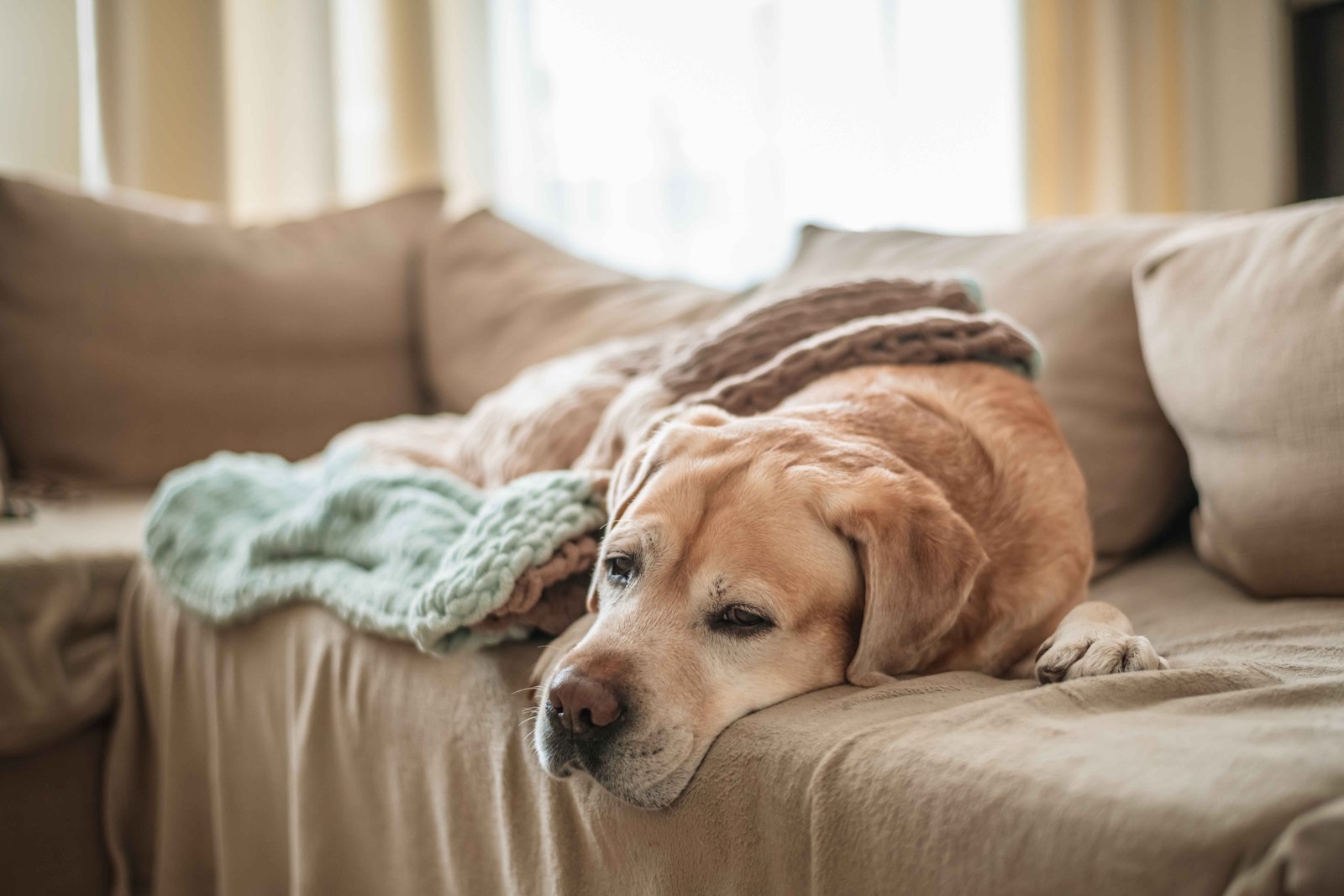
Recognizing sick dog symptoms requires paying attention to the small details. Let’s break down 15 distinct warning signs your dog is sick that you should keep an eye on.
1. Loss of Appetite
I’ve found that dogs are a lot like us when their stomach hurts, they just want to fast. While skipping breakfast might just mean they aren’t hungry, refusing a high-value treat like a piece of cheese is usually a symptom you shouldn’t ignore. Nausea, dental disease causing mouth pain, or a fever are common culprits. If a healthy adult dog skips one meal, just monitor them. But if they refuse food for more than 24 hours, call your vet.
2. Vomiting
Dogs throw up. Sometimes they eat grass, or they eat their dinner too fast, and it comes right back up. However, repeated vomiting, or throwing up yellow bile and white foam multiple times a day, is a cause for concern. A single episode is usually fine, but if you need help managing your dog’s vomiting at home, keeping a close eye on their water intake is crucial. Repeated episodes require a vet to prevent severe dehydration.
3. Diarrhea
It’s easy to overlook a loose stool, waiting days to see if stomach issues resolve. I’ve learned the hard way that treating diarrhea early with a bland diet and a vet call saves a lot of carpet cleaning and stress. Loose stools are usually caused by dietary indiscretion or parasites. When dealing with dog diarrhea, providing a bland diet and ensuring they stay hydrated is key, while there many home remedies, but if you see blood or the condition lasts over 24 hours, professional help is needed.
4. Lethargy
One thing I’ve noticed is that many owners don’t recognize lethargy immediately. They simply describe their dog as “not being themselves.” That’s actually one of the most useful clues. If your dog suddenly loses interest in activities they normally enjoy, it’s worth paying attention. A dog that won’t get up for a walk is telling you they physically cannot handle it, which could point to an infection, fever, or metabolic disease.
5. Drinking More Water Than Normal
It’s easy to dismiss an empty water bowl, assuming your dog is just hot. But excessive thirst is one of the key signs of something systemic. If you find yourself refilling the bowl twice as often, or your dog is suddenly drinking out of the toilet, they may need blood tests. This is one of the primary dog diabetes symptoms you will notice, and it also heavily points to kidney issues.
6. Frequent Urination
Hand-in-hand with drinking more water is peeing more often. If your normally house-trained dog starts having accidents on the rug, or asks to go out every hour, their urinary tract might be compromised. This is a trademark sign of a urinary tract infection or bladder stones. If you spot these dog UTI symptoms, a quick urinalysis at the clinic can clear the infection up fast.
7. Weight Loss
If you can suddenly feel your dog’s ribs and spine easily, or their collar fits loosely despite them eating their normal meals, you have an issue that needs checking. Unexplained weight loss may point to parasites stealing nutrients, gastrointestinal diseases, or other metabolic issues. A 10% drop in body weight requires veterinary attention.
8. Coughing
A persistent, dry, hacking cough (often sounding like a goose honking) or a wet, phlegmy cough is not normal. While humans get colds, a coughing dog might have kennel cough, heart disease, or a collapsing trachea. If the cough worsens at night or after a short burst of exercise, schedule a wellness exam.
9. Breathing Difficulties
Heavy panting while resting, wheezing, shallow breathing, or an actively heaving chest are alarming symptoms. Dog breathing problems usually require prompt attention. Whether it is a heart issue, an asthma attack, or an obstruction, struggling for air means you should strongly consider visiting an emergency clinic.
10. Limping
It’s easy to overlook a slight limp, especially if the dog isn’t crying. But dogs rarely vocalize joint pain. If they are limping, it means it hurts to put weight on the leg. Whether it is a torn ligament, a thorn in the paw, or a sign of dog arthritis impacting their aging joints, a persistent limp needs evaluating.
11. Itching and Skin Problems
Constant scratching, biting at the paws until they are raw, red patches, and hair loss point heavily toward allergies or parasites. According to the AVMA’s guidelines on pet allergies, extreme itching ruins a dog’s quality of life and often leads to secondary bacterial skin infections that may require antibiotics.
12. Ear Problems
If your dog is shaking their head constantly, scratching at their ears, or you notice a foul yeast smell, they are uncomfortable. Ear infections rarely clear up on their own. You will usually need a veterinarian to prescribe the correct medicated drops. It’s important to remember that untreated dog ear infections can eventually lead to permanent hearing damage or hematomas.
13. Bad Breath
We accept bad breath as a funny dog trait, but a sudden, putrid smell coming from the mouth is a symptom of severe dental disease. If their breath smells like ammonia, it may indicate kidney problems; if it smells sweet or fruity, it might be tied to diabetic complications.
14. Behavior Changes
When a normally friendly, patient dog suddenly growls when touched, paces endlessly at night, or acts deeply confused in their own home, it usually stems from a medical issue. Sudden aggression is frequently rooted in pain. Pacing and confusion in older dogs strongly suggest cognitive dysfunction.
15. Difficulty Urinating
If your dog squats or lifts their leg repeatedly, strains hard, and only a few drops or absolutely nothing comes out, this is a symptom that deserves prompt attention. An inability to urinate can quickly become a serious situation, often caused by a urethral blockage. Do not wait until morning; seek veterinary care.
What Veterinarians Often See
According to veterinarians, one of the most common reasons owners delay treatment is assuming symptoms will resolve on their own. Unfortunately, conditions like diabetes, kidney disease, and urinary tract infections often start with subtle signs that are easy to dismiss.
Waiting too long to seek a diagnosis usually means the disease progresses to a much more difficult stage. Catching these early shifts in behavior is the best preventive care you can provide.
Why Older Dogs Often Show Different Symptoms
As dogs age, their bodies go through a multitude of changes that can complicate how illnesses present themselves. If you have a senior pet, staying informed about common senior dog health problems is critical, because the warning signs shift significantly as they get older.
For instance, an older dog may not run a high fever or start vomiting when they get an infection. Instead, their symptoms might look purely behavioral. Cognitive dysfunction (similar to dementia) can cause a dog to stand staring at walls, get stuck behind furniture, or forget their house training. Arthritis often presents not just as a limp, but as a reluctance to climb stairs or a sudden, unexplained grumpiness when being petted.
Additionally, hearing and vision loss can make an older dog easily startled or highly anxious. What looks like a sudden behavioral issue might actually be a slow decline in their sensory organs or early signs of kidney disease. Because care for aging dogs requires a different approach, any subtle change in a senior dog warrants a gentle veterinary checkup.
What Are Signs Your Dog Is Suffering?
Because dogs hide their discomfort so well, signs of suffering are usually behavioral rather than vocal. A dog dealing with chronic pain may start avoiding stairs, refusing walks, or hesitating before jumping into the car. You might notice them trembling even when the house is warm, panting heavily while just lying on the rug, or sitting with a tight, hunched posture.
Reduced activity and a glazed, distant look in their eyes are strong indications that your dog is suffering silently. Learning to recognize subtle dog pain signs can help you determine exactly when your dog needs professional pain management.
Symptoms Most Dog Owners Ignore
What surprises many people is how easily we excuse away real medical symptoms as just “quirks” or “getting old.” Here are a few symptoms that often fly completely under the radar.
Sleeping More Than Usual: It’s easy to assume an older dog just needs more rest, but a sudden spike in sleeping hours often points to an underlying infection or failing organs.
Drinking More Water: Owners often think their dog is just hot, but an empty water bowl is a classic early sign of metabolic disease.
Avoiding Stairs: Many owners don’t realize this isn’t just “slowing down”, it is a direct response to the joint discomfort of arthritis.
Real-Life Examples
To help you put these symptoms into context, here are a few practical scenarios.
The Reluctant Couch Potato: Imagine your dog has jumped onto the couch every evening for years to sit with you. Then one day they hesitate. A week later, they stop trying altogether and lie on the floor. Many owners assume it’s simply aging, but veterinarians often find arthritis is already causing significant discomfort that can easily be treated.
The Thirsty Terrier: A small dog starts drinking twice as much water as usual. The owner just keeps refilling the bowl, thinking the dog is just thirsty. Soon, the dog starts having urine accidents inside the house despite being perfectly potty trained. In many cases, blood tests may reveal diabetes, which requires daily management to keep them healthy.
When Should I Worry About My Dog?
If you are constantly asking yourself when should I worry about my dog, use the “24-hour rule” for mild symptoms. If your dog skips one meal or has one loose stool but acts completely fine otherwise, playing and drinking water, you can usually just monitor them at home for a day.
You should start worrying, and consider calling your vet, if any symptom lasts longer than 24 hours. You should also worry if you see compounding symptoms, like a dog that has diarrhea and refuses to drink water. Repeated vomiting, any visible blood in vomit or stool, severe lethargy, or breathing problems are clear indications that you need professional help.
Dog Emergencies That Need Immediate Veterinary Care
In some situations, you don’t have time to wait and see. These dog emergency symptoms often require an immediate trip to the nearest emergency clinic:
- Bloat (Gastric Dilatation-Volvulus): The dog has a hard, distended stomach, is pacing uncomfortably, and tries to vomit but nothing comes out.
- Seizures: Especially a first-time seizure, or a seizure lasting more than two minutes.
- Poisoning: You know they ate chocolate, grapes, xylitol, rat poison, or dangerous human medications.
- Inability to Urinate: Straining with zero urine output.
- Difficulty Breathing: Gasping, pale or blue gums, or choking.
- Collapse: Fainting, profound weakness, or a sudden inability to stand up.
How To Help A Dog Who Isn’t Feeling Well
When your dog is under the weather with a minor bug, your job is to keep them safe and comfortable. Keep them in a quiet environment, away from loud noises, children, or other energetic pets. Offer a comfortable, warm place to rest where they won’t be disturbed.
Hydration is the most critical factor. Ensure they have access to fresh water, or offer ice cubes if they won’t drink from a bowl. Most importantly, follow veterinary advice. Never give your dog human medications like ibuprofen or acetaminophen, as these are highly dangerous and can cause severe organ damage in dogs.
What Most Owners Get Wrong
A common mistake dog owners make is waiting too long to get help. It’s easy to assume symptoms will pass, especially if money is tight or the vet clinic is far away. But waiting often allows a minor, easily treatable issue to progress into a severe condition.
Another major error is believing dogs always show pain by crying. I’ve seen owners worry about their dog’s limp but say, “He isn’t crying, so it must not hurt.” If a dog is limping, they are experiencing discomfort.
Finally, relying solely on internet advice to diagnose a sick dog instead of a veterinarian can be incredibly risky. While reading about symptoms is helpful for deciding when to go to the clinic, only a vet can run the necessary urinalysis and blood tests to get an accurate diagnosis and prescribe safe medication.
Final Thoughts
The most important thing to remember is that you know your dog better than anyone else.
A veterinarian may see hundreds of dogs each month, but you’re the one who notices when something feels off. Trusting those personal observations can make the difference between catching a problem early and dealing with a much more serious condition later. If your dog is acting differently and you can’t explain why, it’s always safer to ask a veterinarian than to wait and hope things improve on their own.
References & Scientific Further Reading
- American Veterinary Medical Association (AVMA): Allergies in Pets
- Merck Veterinary Manual: Caring for a senior pet
- American Kennel Club (AKC): Dog Health Conditions: Problems and Symptoms
Frequently Asked Questions (FAQ)
How can I tell if my dog is sick?
You can tell if your dog is sick by looking for changes in their normal routine. Watch for a loss of appetite, lethargy, vomiting, diarrhea, hiding, changes in water consumption, or unusual aggression. Any deviation from their baseline behavior is a strong indicator of illness.
How Can You Tell If Your Dog Is Unwell?
You can tell if your dog is unwell by paying attention to subtle signs like sleeping more than usual, avoiding stairs, or refusing a favorite treat. Because dogs often hide pain, minor shifts in energy, bathroom habits, or posture usually appear before major symptoms.
How do dogs act when they are sick?
When sick, dogs often become very quiet and withdrawn. They may sleep more than usual, hide under furniture, or avoid interaction. Alternatively, some dogs become excessively clingy and follow their owners everywhere seeking comfort. They rarely cry or whine unless in acute, sharp pain.
When should I worry about my dog?
You should worry if any mild symptom, like a skipped meal or loose stool, lasts longer than 24 hours. You should be immediately concerned if your dog is completely lethargic, experiencing repeated vomiting, has breathing problems, or shows any signs of blood in their stool or vomit.
How can I comfort a sick dog?
Comfort a sick dog by providing a quiet, warm, and dark place to rest away from household chaos. Keep fresh water nearby to prevent dehydration. Speak to them in a soft, soothing voice, and avoid forcing them to eat or play until you have consulted a veterinarian.
What symptoms require emergency care?
Emergency symptoms include an inability to urinate, unproductive retching with a swollen stomach (signs of bloat), pale or blue gums, severe breathing difficulties, seizures, collapse, or the known ingestion of a toxic substance like chocolate, grapes, or human medication.
Why is my dog suddenly sleeping more?
A sudden increase in sleep is a dog’s natural response to illness, infection, or pain. Their body uses energy to fight off sickness or heal, leaving them exhausted. It can also be an early sign of metabolic issues like diabetes or the onset of joint pain from arthritis.
Why is my dog not eating?
A dog may stop eating due to nausea, a gastrointestinal bug, dental disease causing mouth pain, or severe stress. While skipping one meal is usually not alarming, refusing food for more than 24 hours requires a veterinary checkup to rule out serious illness.
How long should I wait before calling a vet?
For minor issues like a single episode of vomiting with normal energy levels, you can wait 12 to 24 hours. If symptoms persist beyond a day, worsen quickly, or involve breathing issues, extreme weakness, or severe pain, you should call a vet immediately without waiting.