
Few sounds make dog owners move faster than the sudden noise of a dog about to vomit. Whether it’s on the carpet, the couch, or your favorite rug, the first reaction is usually the same: Is this something minor, or should I call the vet?
Every dog throws up at some point. They explore the world with their mouths, and their digestive systems are designed to reject things that don’t belong there. However, knowing the difference between a harmless dietary mistake and a serious medical emergency requires a sharp eye for detail.
If you find yourself staring at a puddle on the floor and asking why is my dog vomiting, this guide will help you read the clues, manage their stomach safely at home, and recognize the exact moment you need to contact a veterinarian.
If your dog vomits once but continues eating, drinking, and behaving normally, the cause is often minor, such as eating too fast or mild stomach irritation. Repeated vomiting, blood in the vomit, extreme lethargy, abdominal pain, or a refusal to drink water are stronger signs that a serious medical issue is present and veterinary care is needed.
Key Takeaways
- One episode of vomiting is often not an emergency.
- Blood, lethargy, or repeated vomiting require veterinary attention.
- Vomit color can provide useful clues.
- Puppies and senior dogs should be monitored more closely.
- When in doubt, contact your veterinarian.
Why Is My Dog Vomiting but Acting Normal?
This is one of the most common scenarios dog owners face. If your dog vomits once but immediately returns to normal behavior, continues drinking water, and shows interest in food, the cause is often less serious than repeated vomiting accompanied by lethargy or pain.
Veterinarians commonly report that healthy, energetic dogs throw up for very benign reasons. The most frequent triggers for a dog that throws up but acts perfectly fine include:
- Eating their food too quickly
- Mild dietary indiscretion (sneaking a harmless table scrap)
- An empty stomach in the morning
- Motion sickness from a recent car ride
- Excitement or stress
If your dog is still happily wagging their tail and playing, closely monitor them for the next few hours. Often, their body has successfully cleared a minor irritant.
Why Dogs Vomit (Vomiting vs. Regurgitation)
Before jumping to conclusions, it helps to confirm your dog is actually vomiting and not just regurgitating.
Vomiting is a highly active process. It involves loud retching, heavy abdominal contractions, and obvious physical effort to expel contents from the stomach and upper intestines. Regurgitation, on the other hand, is a passive process. The dog simply opens their mouth and undigested food or liquid falls out, usually right after eating, with zero heaving or warning.
Regurgitation generally points to an issue in the esophagus, while true vomiting indicates a problem in the stomach or lower digestive tract.
Common Reasons Dogs Vomit
Many owners expect throwing up to automatically mean their dog has a terrible illness. In reality, most isolated incidents stem from simple, everyday mistakes. Here are the most common everyday triggers.
Eating Too Fast
If your dog inhales their dinner in ten seconds flat, they swallow a massive amount of air along with unchewed kibble. The stomach expands rapidly, rejects the heavy load, and the dog throws it right back up. You will usually see whole, unchewed pieces of food in the puddle. If this is a recurring habit, looking into solutions for a dog eating too fast, like slow-feeder bowls, can eliminate the problem entirely.
Dietary Indiscretion
Dogs are notorious scavengers. If they find an old piece of pizza on a walk, raid the bathroom trash can, or chew on a rotting stick in the backyard, their stomach will naturally try to reject the spoiled material. However, if they get into foods dogs should never eat, this elevates from a minor stomach ache to a poisoning emergency. The ASPCA Animal Poison Control Center warns that items like chocolate, grapes, and onions can cause severe, life-threatening vomiting.
Sudden Food Changes
A dog’s digestive system relies on a specific balance of gut flora. If you run out of their normal kibble and suddenly switch to a brand new protein source or formula overnight, the stomach may struggle to process it, resulting in nausea and vomiting. Food transitions should always happen slowly over 5 to 7 days.
Mild Stomach Irritation and Eating Grass
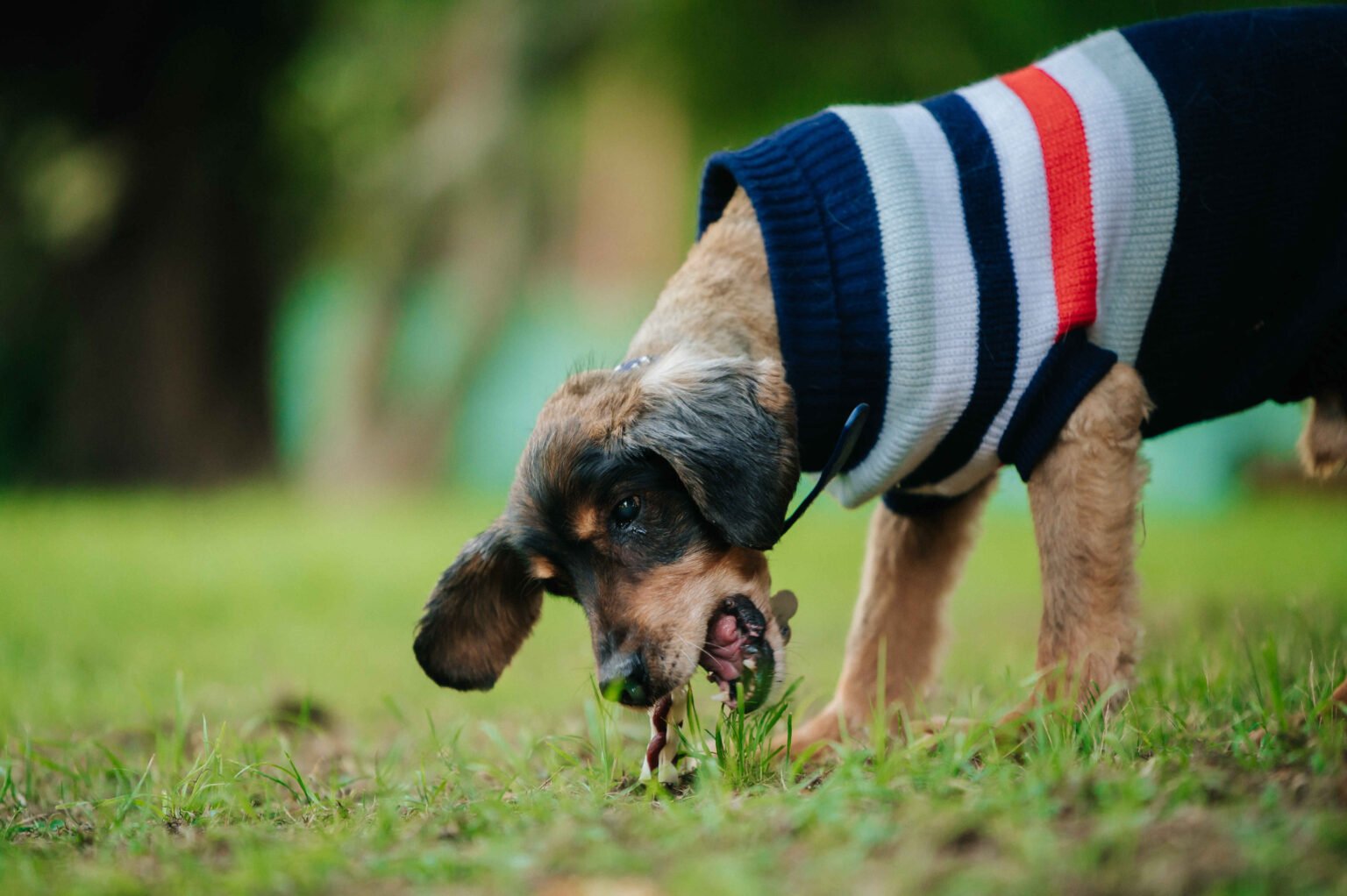
Sometimes, a dog will swallow a small piece of a chew toy, a chunk of bone, or excessive amounts of their own hair. A common pattern owners notice is their dog frantically eating mouthfuls of grass before throwing up. Understanding why dogs eat grass helps explain this: the long blades tickle the throat and stomach lining, inducing vomiting to help them clear out whatever is causing mild nausea.
What Is Your Dog’s Vomit Telling You? (Color Guide)
If you want to know what your dog’s vomit is telling you, look at the color and consistency. The physical appearance of the mess is one of the most useful clues you can provide when speaking to a professional.
Why Is My Dog Vomiting Yellow?
Yellow vomit often contains bile, a digestive fluid produced by the liver and stored in the gallbladder. Why is my dog vomiting bile? It commonly occurs when a dog’s stomach has been completely empty for several hours, but other digestive issues can also be involved. This is frequently known as Bilious Vomiting Syndrome, and many dog owners notice it happens early in the morning before breakfast. Feeding a small, late-night snack often resolves the issue.
Why Is My Dog Vomiting White Foam?
White foam may indicate a buildup of gas and stomach acid. It can happen if a dog has an empty stomach, or if they have been coughing heavily and swallowing a lot of saliva. Warning: If your dog is pacing, highly distressed, and repeatedly trying to vomit but only producing small amounts of thick white foam, this can be a sign of Gastric Dilatation-Volvulus (Bloat), a deadly emergency requiring an immediate trip to the clinic.
Why Is My Dog Vomiting Yellow Foam or Liquid?
Similar to standard yellow vomit, why is my dog vomiting yellow foam or yellow liquid usually points to an empty stomach mixing bile with swallowed air and saliva. If it happens once and the dog is acting perfectly fine, they may just need a bland meal. If it happens repeatedly throughout the day, it may indicate gastrointestinal inflammation or a potential blockage.
Clear Liquid
If your dog throws up a puddle of clear liquid, they may have simply drank too much water, too fast. This is often observed after a dog returns from a heavy run or a trip to the dog park. The stomach fills with water, expands quickly, and triggers a reflex to expel the excess.
Undigested Food
Vomiting tubular, intact kibble usually happens immediately after a meal. It suggests the food never had a chance to start breaking down. It is typically caused by eating too fast or engaging in intense, heavy exercise right after a meal.
Brown Vomit
Brown vomit can mean one of two things. First, your dog may have eaten feces in the yard, which has a distinct, horrible smell. Second, and far more seriously, dark brown vomit that looks like coffee grounds indicates internal bleeding lower down in the digestive tract. The blood has been partially digested, turning it dark brown. This requires prompt veterinary attention.
Green Vomit
Green vomit commonly means your dog has been eating grass or plant material. However, if there is absolutely no plant material in the vomit and it is neon green, it can be a sign that they ingested a toxic substance, like rodent poison, which is often dyed bright green.
Why Is My Dog Vomiting Blood?
Vomiting fresh, bright red blood (hematemesis) usually points to active bleeding in the stomach, esophagus, or mouth. This can be caused by a severe stomach ulcer, a sharp foreign object cutting the stomach lining, poisoning, or a severe bacterial infection. Do not wait to see if it improves; contact a vet immediately.
Quick Summary Table: Decoding Dog Vomit
To help you assess the situation quickly, here is a breakdown of what different vomit appearances generally mean and when they escalate to an emergency.
| Vomit Appearance | Common Cause | Emergency? |
|---|---|---|
| Yellow Bile | Empty stomach, reflux | Usually not |
| White Foam | Stomach irritation, swallowed air | Sometimes (Watch for bloat signs) |
| Undigested Food | Eating too fast, over-activity after meals | Usually not |
| Fresh Blood (Red) | Bleeding ulcer, swallowed sharp object | Yes |
| Coffee Grounds (Dark Brown) | Partially digested blood from lower GI tract | Yes |
| Green | Eating grass or potential toxin exposure | Sometimes (Yes if neon/no grass present) |
When Should You Worry About a Dog Throwing Up?
When to worry if a dog is throwing up depends heavily on context, frequency, and secondary symptoms. A healthy dog throwing up a single piece of a stick and then running off to play with their favorite toy is rarely a cause for concern.
Contact a veterinarian promptly if you observe any of the following warning signs:
- Vomiting continues: The dog throws up multiple times in a row, or cannot keep small sips of water down.
- Blood appears: Any sign of fresh red blood or dark coffee-ground material.
- Lethargy develops: The dog refuses to stand up, hides in dark corners, or seems unusually weak. Reviewing the signs your dog is sick can help you spot subtle behavioral shifts.
- Refuses water: Knowing the dog dehydration signs helps here, as dehydration happens rapidly in vomiting dogs.
- Diarrhea occurs: Vomiting paired with diarrhea drastically increases fluid loss. If you see both, you may try dog diarrhea home remedies if it did not help call your vet.
- Signs of pain appear: The dog whines when you touch their stomach, or paces uncomfortably around the room.
⚠️ Special Warning: Puppy Vomiting
Puppies can become dehydrated much faster than adult dogs. If a puppy vomits repeatedly, refuses food, seems weak, or has diarrhea, contact a veterinarian promptly. Their blood sugar and hydration levels can crash dangerously fast.
How Do I Know If My Dog Throwing Up Is Serious?
To determine if the situation is serious, you need to look past the vomit and focus on how the dog is acting overall. Are they relaxed, or are they standing in the “prayer position”? The prayer position, where the dog’s front legs are flat on the ground, but their rear end is stuck up in the air, is a posture dogs use to stretch out their stomach to relieve intense pressure, often associated with pancreatitis or a total intestinal blockage.
Another helpful clue is checking their gums. Healthy gums are bubblegum pink and slippery. If the gums are pale white, gray, sticky, or dry to the touch, your dog may be in a state of shock or severe dehydration. That means the vomiting requires professional attention.
What Can I Give My Dog for Vomiting?
If you are frantically searching for what can I give my dog for vomiting, the most effective initial treatment is often simply resting the digestive tract.
For adult dogs that have vomited once and are otherwise acting normally, some veterinarians may recommend a short period of digestive rest before gradually reintroducing food. Puppies, senior dogs, diabetic dogs, and dogs with ongoing symptoms should be evaluated by a veterinarian before fasting.
The American Veterinary Medical Association highly cautions against using human medications. Do not give your dog human medications like Pepto Bismol, Imodium, or aspirin. Many human medications contain ingredients that are highly toxic to canines and can cause severe stomach ulcers or liver damage. Only use anti-nausea medications explicitly prescribed by your veterinarian.
Should I Feed My Dog After Vomiting?
Deciding whether to feed your dog after they throw up depends heavily on their age, health status, and how many times it has happened.
- One episode: If a healthy adult dog vomits once and acts perfectly normal afterward, your vet may suggest withholding food for a few hours to let the stomach rest, then offering a small amount of a bland diet (like plain boiled chicken and white rice).
- Repeated episodes: If your dog continues to vomit, do not offer food. Feeding an already inflamed stomach will likely trigger more heaving. Seek veterinary guidance.
- Puppies and Seniors: Puppies, senior dogs, and dogs with medical conditions like diabetes should not be fasted without a vet’s explicit instruction.
How Do You Settle a Dog’s Stomach After Throwing Up?
If your otherwise healthy adult dog has only vomited once, is acting energetic, and your vet has approved home monitoring, follow these steps to gently settle their stomach:
- Temporary Digestive Rest: If recommended by your vet, withhold food for a few hours. This gives the intense inflammation a chance to subside.
- Manage Water Intake: Do not let a vomiting dog gulp a massive bowl of water. It will hit their sensitive stomach and often come right back up. Instead, offer one or two ice cubes every hour to let them hydrate slowly.
- Reintroduce Water Slowly: If they hold down the ice cubes for a few hours without vomiting, offer a few tablespoons of water. Wait an hour to see how their stomach reacts.
- Start a Bland Diet: When reintroducing food, do not go back to their regular kibble immediately. Offer plain, boiled, boneless, skinless chicken breast mixed with plain white rice (50/50 ratio). Ensure there are absolutely no oils, butter, or spices.
- Feed Small, Frequent Meals: Give them a small handful of the bland diet. If they keep it down, offer another small handful a few hours later. Feed this bland diet for 2 to 3 days, then slowly transition back to their normal food.
How Many Times Should a Dog Throw Up Before Going to the Vet?
Veterinarians generally advise paying close attention to the frequency of the episodes. How many times should a dog throw up before going to the vet? If your dog vomits more than twice in a 24-hour period, it is time to make a phone call.
A single episode right after eating something questionable might be expected. Two episodes mean their stomach is highly unsettled. Three or more episodes generally indicate that the body is unable to clear the problem on its own, and the risk of severe dehydration is escalating rapidly. Continuous, non-stop heaving always requires a clinic visit.
References & Scientific Further Reading
- ASPCA Animal Poison Control: People Foods to Avoid Feeding Your Pets
- American Kennel Club (AKC): Bloat (Gastric Dilatation-Volvulus) in Dogs
- American Veterinary Medical Association (AVMA): Household Hazards and Human Medications
- Merck Veterinary Manual: Vomiting in Dogs: Causes and Digestive Disorders
Frequently Asked Questions (FAQ)
What dog vomit is concerning?
Dog vomit is highly concerning if it contains fresh red blood, dark coffee-ground-like material, or large, unidentifiable objects. Vomit accompanied by a swollen abdomen, extreme lethargy, pale gums, or a total refusal to drink water may indicate a serious medical emergency.
What color dog vomit is concerning?
Red, dark brown, and neon green are among the most concerning vomit colors. Red may indicate fresh internal bleeding. Dark brown (resembling coffee grounds) can point to digested blood from a stomach ulcer or blockage. Neon green (without the presence of grass) often points to the ingestion of toxic substances.
When should I worry if my dog is throwing up?
You should worry if your dog throws up more than twice in a single day, is unable to hold down small sips of water or ice cubes, acts deeply lethargic, or shows signs of abdominal pain like pacing, whining, or standing in a hunched position.
What can I give my dog to help stop vomiting?
The safest initial action is often consulting your vet about temporary digestive rest. Withholding food for a short period allows the stomach to settle. Do not give human medications. Once rested, a bland diet of plain boiled chicken and white rice is typically recommended.
What is the immediate remedy to stop vomiting?
There is no safe at-home remedy to immediately stop a dog from vomiting, as the body is often forcefully expelling an irritant. The best approach is a temporary pause on heavy meals to calm the stomach spasms, followed by offering ice cubes to slowly rehydrate them.
How long is too long for a dog to be puking?
If a dog continues puking for more than 24 hours, or vomits multiple times within a few hours, it is too long. Rapid fluid loss leads to severe dehydration, which can cause organ damage. Any vomiting lasting beyond a day requires veterinary diagnostics and support.