

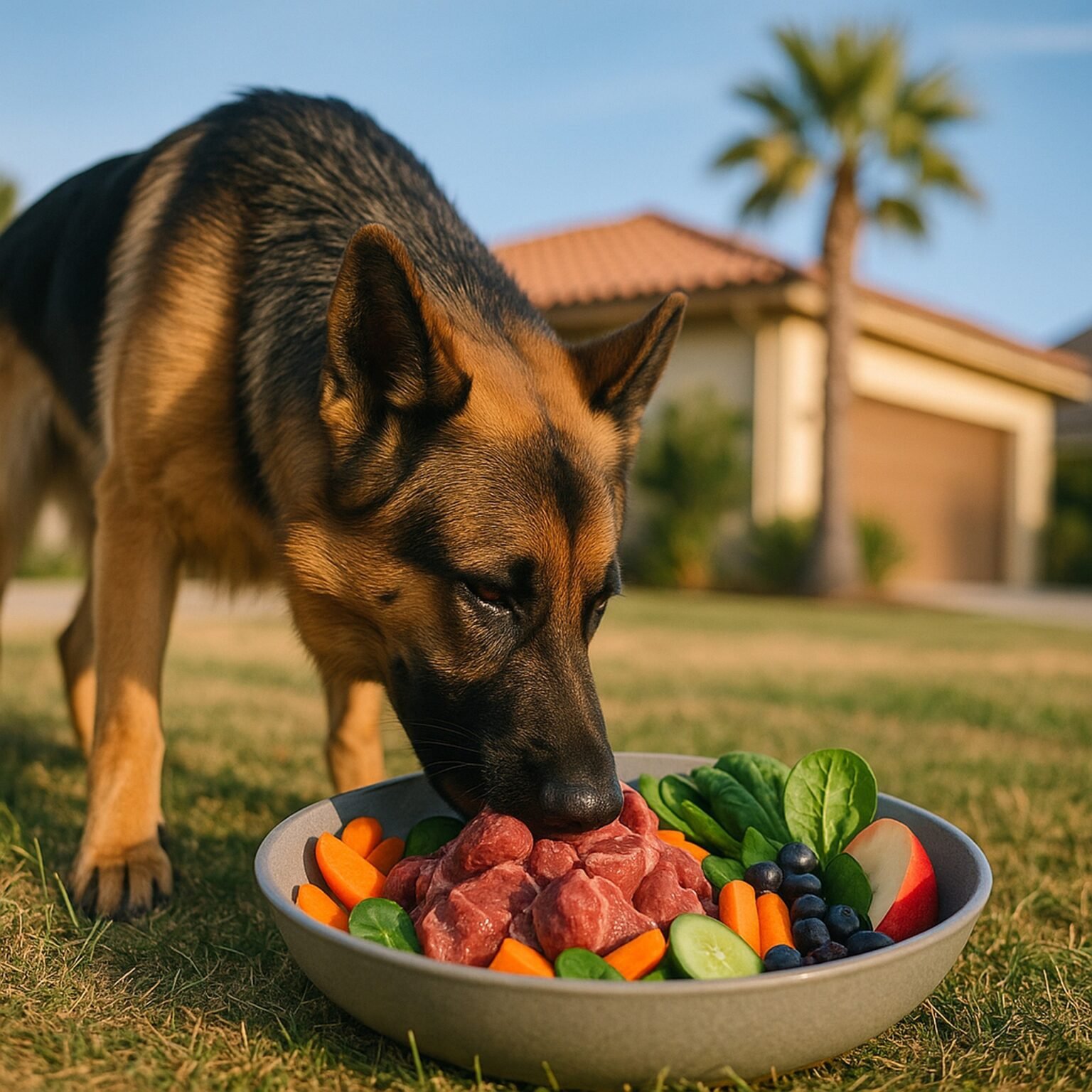
If you share your home with a German Shepherd (GSD), you already know you are living with one of the most intelligent, loyal, and athletic breeds on the planet. From their striking appearance to their unwavering devotion, German Shepherds make phenomenal family pets and unparalleled working dogs.
- Understanding the Unique Nutritional Needs of a German Shepherd
- Key Factors to Consider When Choosing GSD Dog Food
- 1. Prioritize Whole Animal Protein Sources
- 2. Look for Joint-Supporting Additives
- 3. Insist on Large Breed Formulations
- 4. Avoid Fillers, Artificial Preservatives, and Dyes
- 5. The Grain-Free Debate: Is it Right for Your GSD?
- Feeding a German Shepherd Puppy vs. Adult
- Top 4 Recommended Dog Food Brands for German Shepherds
- 1. Orijen Adult Dog Grain-Free Dry Dog Food
- 2. Taste of the Wild Wetlands Grain-Free Dry Dog Food
- 3. Natural Balance Limited Ingredient Diet (Large Breed)
- 4. Purina Pro Plan Large Breed Adult
- A Critical Warning: Preventing Bloat in German Shepherds
- Consulting with Your Veterinarian
- References & Further Reading
- Frequently Asked Questions (FAQ)
However, powering that brilliant mind and muscular 60-to-90-pound frame requires more than just a standard bag of kibble. Choosing the best dog food for German Shepherds is one of the most critical decisions you will make for their long-term health and well-being.
With thousands of options on the market, standing in the pet food aisle can feel incredibly overwhelming. German Shepherds are a large, highly active breed with a unique set of physiological vulnerabilities, specifically concerning their joints and their famously sensitive digestive tracts.
In this comprehensive guide, we will walk you through exactly what your GSD needs to thrive, the ingredients you must avoid, and our top veterinarian-approved brand recommendations to help your best friend live a long, vibrant life.
Understanding the Unique Nutritional Needs of a German Shepherd
German Shepherds are not couch potatoes; they are working dogs originally bred to herd flocks all day long. Today, whether they are working in law enforcement or just chasing tennis balls in your backyard, they burn a massive amount of energy.
A typical adult GSD requires between 1,740 and 2,100 calories per day, depending entirely on their daily activity level. To keep up with this physical demand, their diet must be built on a foundation of high-quality macronutrients.
- High-Quality Protein (22% – 24%+): Protein is the most critical component of your German Shepherd’s diet. Active adult GSDs thrive on diets containing at least 22% protein to build and repair dense muscle mass.
- Healthy Fats (12% – 18%): Fat is a dense source of sustained energy. Look for Omega-3 and Omega-6 fatty acids derived from salmon oil or chicken fat to keep their iconic double coat shiny.
- Digestible Carbohydrates: Complex carbs like sweet potatoes, brown rice, and peas provide quick energy and dietary fiber to keep their sensitive digestive tracts running smoothly.
Key Factors to Consider When Choosing GSD Dog Food
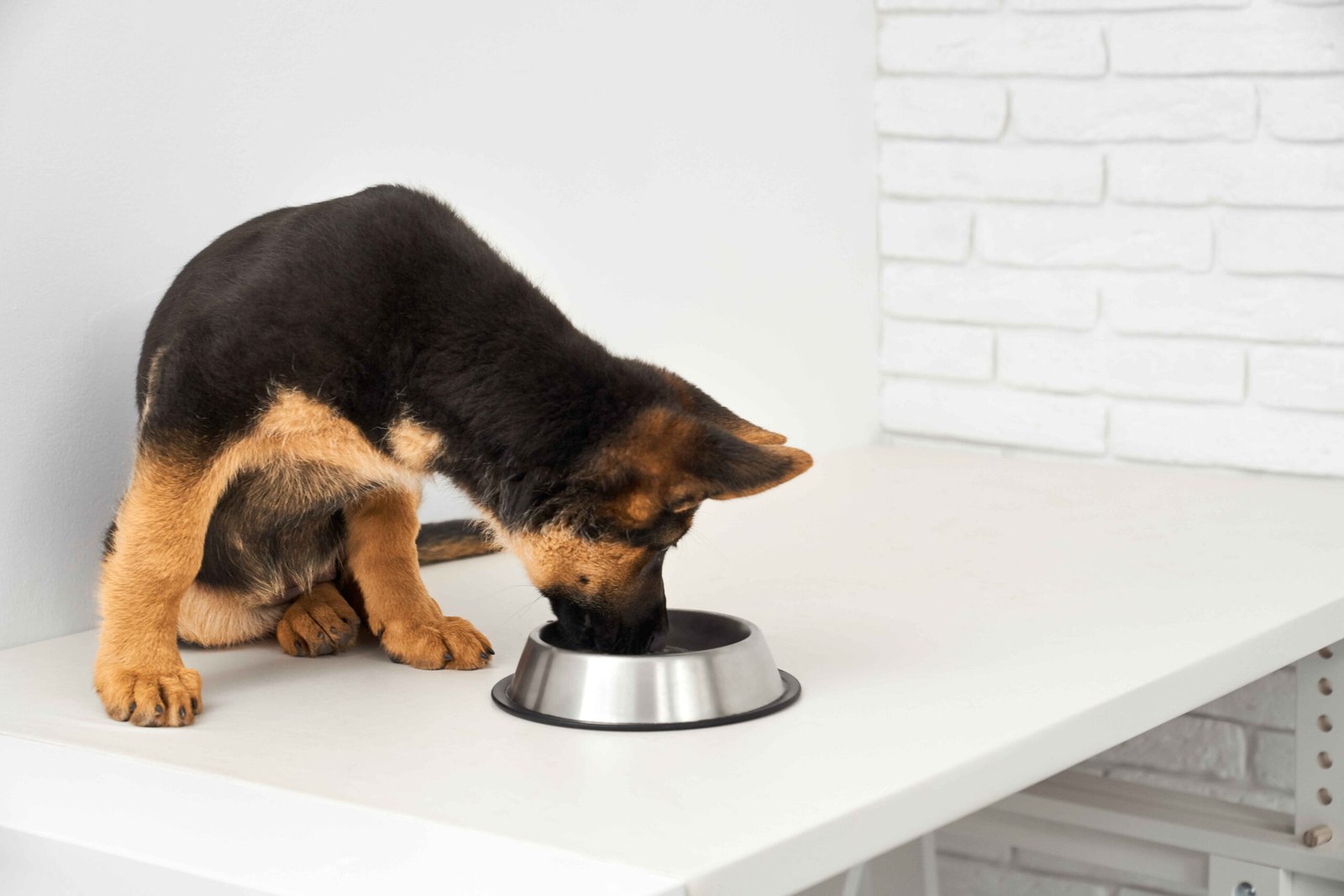

Not all large breed dog foods are created equal. When evaluating a new food for your German Shepherd, use this strict checklist to ensure you are pouring the best possible nutrition into their bowl.
1. Prioritize Whole Animal Protein Sources
When you look at an ingredient label, the first item listed should always be a named, whole animal protein—such as deboned chicken, beef, lamb, or wild-caught salmon. Animal-based proteins are far more biologically appropriate and digestible for your dog than plant-based proteins. Avoid generic, unnamed meats like “meat meal” or “poultry by-products.”
2. Look for Joint-Supporting Additives
It is no secret that German Shepherds are highly susceptible to orthopedic issues, most notably hip dysplasia and elbow dysplasia. To proactively protect your dog’s mobility, the best dog food for German Shepherds will include natural joint supplements. Look for kibble that has guaranteed levels of glucosamine and chondroitin.
3. Insist on Large Breed Formulations
Dog food formulated specifically for large breeds is structurally different from standard food. It contains a lower caloric density to prevent rapid weight gain (which destroys joints) and features a larger kibble size. A larger kibble forces your German Shepherd to actually chew their food rather than inhaling it, significantly reducing the risk of choking and bloat.
4. Avoid Fillers, Artificial Preservatives, and Dyes
German Shepherds are notorious for having tummy troubles. Cheap fillers like corn, wheat, and soy offer very little nutritional value and are common culprits for diarrhea and excessive gas. Furthermore, absolutely avoid artificial preservatives like BHA and BHT, opting instead for natural preservatives like mixed tocopherols.
5. The Grain-Free Debate: Is it Right for Your GSD?
If your German Shepherd suffers from chronic ear infections, itchy skin, or constant gastrointestinal upset, they may have a food allergy. In specific cases of grain intolerance, a grain-free diet utilizing sweet potatoes can be a lifesaver.
The FDA is currently investigating a potential link between certain grain-free diets and a canine heart condition called Dilated Cardiomyopathy (DCM). Unless your veterinarian has explicitly diagnosed a grain allergy, a diet inclusive of healthy, whole grains is generally recommended for optimal heart health.
Feeding a German Shepherd Puppy vs. Adult
German Shepherd puppies are adorable, clumsy, and grow at an astonishing rate. Because of this rapid growth, they have incredibly specific nutritional requirements that differ vastly from adult dogs.
| Nutritional Need | GSD Puppy (Under 18 Months) | GSD Adult (Over 18 Months) |
|---|---|---|
| Protein Level | Minimum 22% (Essential for rapid tissue growth) | Minimum 18% (22-26% is ideal for maintenance) |
| Calcium-to-Phosphorus | Must be strictly controlled to prevent bone disorders. | Important, but bones are already fully formed. |
| DHA (Omega-3) | Crucial for brain and eye development. | Maintains cognitive function and reduces inflammation. |
| Calories | Higher caloric density to fuel growth spurts. | Controlled caloric density to prevent obesity. |
Important Note: Never feed a German Shepherd puppy standard adult dog food or standard puppy food. You must look for food explicitly labeled for Large Breed Puppies to protect their developing joints.
Top 4 Recommended Dog Food Brands for German Shepherds
Every dog is unique, and what works for one Shepherd may not work for another. However, based on ingredient quality and brand reputation, here are our top recommendations for feeding your GSD:
1. Orijen Adult Dog Grain-Free Dry Dog Food
Orijen is widely considered one of the most respected, premium brands on the market. What sets this biologically appropriate diet apart is its staggering 85% quality animal ingredient composition. It targets every nutritional requirement of an active German Shepherd, offering incredibly high protein content from fresh, regional whole-prey sources.
2. Taste of the Wild Wetlands Grain-Free Dry Dog Food
Taste of the Wild is consistently a best-seller for owners who want exceptional quality without breaking the bank. The Wetlands formula uses roasted fowl (duck, quail, and turkey), which is a fantastic novel protein if your GSD is allergic to standard chicken or beef. It includes species-specific probiotics to soothe sensitive stomachs.
3. Natural Balance Limited Ingredient Diet (Large Breed)
If your German Shepherd suffers from severe skin allergies or chronic diarrhea, this is the food for you. Natural Balance utilizes a simplified list of premium ingredients—usually just one animal protein source and one primary carbohydrate. By limiting the ingredients, you eliminate the guesswork of figuring out what is upsetting your dog’s system.
4. Purina Pro Plan Large Breed Adult
Frequently recommended by veterinary nutritionists, Purina Pro Plan is backed by decades of intense scientific research. Their Large Breed formula is optimized with a specific protein-to-fat ratio to maintain a lean body condition, which is vital for protecting your GSD’s hips. It features guaranteed live probiotics for digestive health.
A Critical Warning: Preventing Bloat in German Shepherds
Because of their deep, narrow chests, German Shepherds are at a high risk for Gastric Dilatation-Volvulus (GDV), commonly known as bloat. This is a fatal condition where the stomach fills with gas and twists on itself, requiring immediate emergency surgery.
How you feed your German Shepherd is just as important as what you feed them to prevent bloat:
- Never exercise right after eating: Wait at least one hour after a meal before engaging in rigorous play.
- Feed multiple small meals: Feed your adult GSD two to three smaller meals a day rather than one massive meal.
- Use a slow-feeder bowl: Invest in a puzzle bowl to force them to eat at a safe, measured pace.
- Do not elevate food bowls: Modern veterinary studies suggest that elevated bowls actually increase the risk of bloat in large breeds. Feed them on the floor.
Consulting with Your Veterinarian
While this guide provides a strong foundation, your veterinarian is your greatest ally when it comes to your German Shepherd’s nutrition. They know your dog’s specific health history, exact weight, and genetic risk factors.
Regular wellness exams allow your vet to monitor your dog’s body condition score. This ensures they aren’t getting too heavy for their joints as they transition from a hyperactive puppy to a distinguished senior dog. Never hesitate to ask your vet to review an ingredient label with you.
References & Further Reading
- The Association of American Feed Control Officials (AAFCO) provides comprehensive guidelines on understanding pet food labels.
- The American Kennel Club (AKC) offers an in-depth breakdown of German Shepherd breed traits and health requirements.
- VCA Animal Hospitals details the exact nutritional and caloric requirements needed for large and giant breed dogs.
- The American Veterinary Medical Association (AVMA) explains the severe bacterial risks associated with feeding undercooked or raw animal-source protein diets.
Frequently Asked Questions (FAQ)
How much should a German Shepherd eat a day?
This heavily depends on the caloric density of the specific food, as well as your dog’s age, weight, and activity level. Generally, an adult German Shepherd will eat between 2.5 to 3.5 cups of high-quality dry food per day, split into two meals. Always follow the feeding chart on your dog food bag and adjust based on their body condition.
Why does my German Shepherd have such a sensitive stomach?
German Shepherds are genetically predisposed to digestive issues, including exocrine pancreatic insufficiency (EPI) and general food intolerances. If your dog has chronic diarrhea or vomiting, consult your vet to rule out EPI. If it is a simple intolerance, switching to a limited-ingredient diet often resolves the issue.
Should I feed my German Shepherd raw food?
Raw feeding is a highly debated topic. While proponents claim it improves coat health and digestion, the AVMA strongly discourages feeding raw diets due to the severe risks of bacterial contamination (like Salmonella and Listeria) to both the dog and the human handlers. High-quality commercial kibble is much safer.
Are chicken allergies common in German Shepherds?
Yes, chicken is one of the most common food allergens in dogs. If your GSD is constantly licking their paws, suffering from ear infections, or has red, itchy skin, they may be allergic to the poultry in their food. Transitioning to a beef, fish, or lamb-based diet is usually the first step in diagnosing this.
Can I mix wet food with my German Shepherd’s dry kibble?
Absolutely! Mixing a few spoonfuls of high-quality canned wet food into their kibble is a great way to entice a picky eater and increase their daily hydration. Just remember to slightly reduce the amount of dry kibble you feed to account for the extra calories from the wet food.