

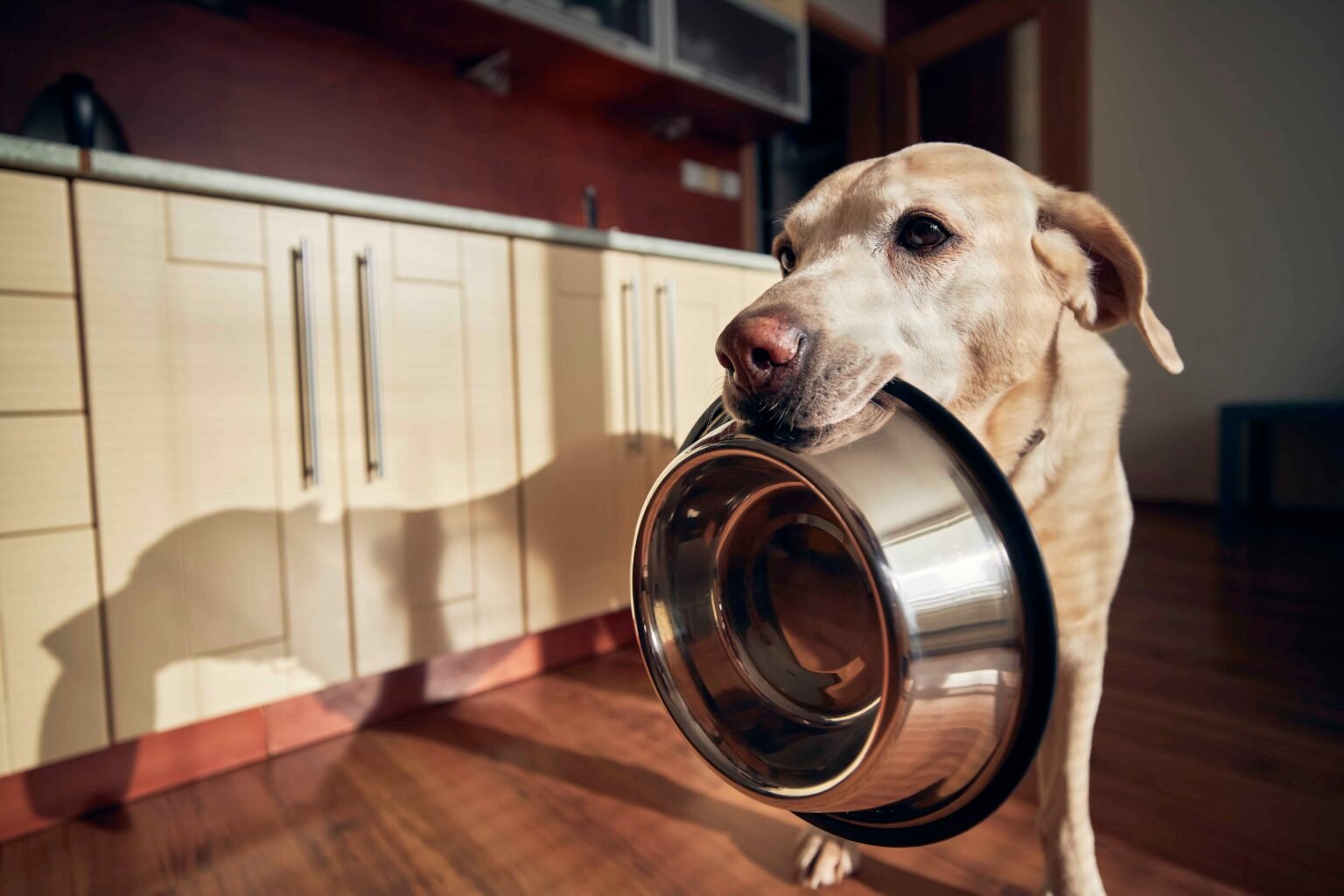
Big dogs bring an immense amount of love, joy, and energy into our homes, but they also bring specific, supersized nutritional requirements. Whether you share your life with a goofy Golden Retriever, a majestic Great Dane, or a fiercely loyal German Shepherd, feeding a large breed dog is not as simple as just pouring more kibble into a bigger bowl.
- Top 5 Best Dry Dog Foods for Large Breeds
- Quick Comparison Table
- 1. Purina Pro Plan Large Breed Adult
- 2. Hill’s Science Diet Large Breed Adult
- 3. Royal Canin Giant Breed Adult
- 4. Blue Buffalo Life Protection Formula Large Breed
- 5. Orijen Large Breed
- What Makes the Best Dry Dog Food for Large Breeds?
- Controlled Calcium & Phosphorus Levels
- Joint Support Ingredients
- High-Quality Animal Protein
- Moderate Calorie Density
- Digestibility & Gut Support
- Kibble Size Designed for Large Dogs
- Why Large Breed Dogs Need Specialized Food
- Joint Stress & Hip Dysplasia Risk
- Rapid Growth in Puppies
- Obesity Risk in Large Dogs
- Bloat / Digestive Concerns
- Vet Recommended Dog Food for Large Breeds
- Healthiest Dry Dog Food for Large Breed Dogs
- Best Dry Dog Food for Large Breeds With Allergies
- Large Breed Puppy Food vs Adult Food
- Why Puppies Need Different Calcium Levels
- When to Switch to Adult Food
- Risks of Feeding Adult Food Too Early
- How Much Dry Food Should a Large Breed Dog Eat?
- Ingredients to Avoid in Dog Food for Large Breeds
- How to Transition to a New Dog Food
- Conclusion: Our Final Verdict
- Frequently Asked Questions (FAQ)
- What is the most vet recommended dry dog food for large breeds?
- What is the healthiest dog food for large breed dogs?
- Is grain-free dog food good for large breeds?
- How much should a 100 lb dog eat daily?
- Do large breed dogs need glucosamine in their food?
- What ingredients help prevent hip dysplasia?
- References & Further Reading
Because of their massive size and unique physical structures, finding the best dry dog food for large breeds is about providing the precise kind of fuel necessary to protect their heavily stressed joints and sensitive digestive tracts. A poor diet can lead to devastating, lifelong skeletal issues, severe obesity, and dangerous digestive emergencies like bloat.
If you are feeling overwhelmed by the endless aisles at the pet store, you are in the right place. This comprehensive, vet-backed guide breaks down everything you need to know. We will review the top-rated large breed adult dog food options, explain exactly what makes a formula healthy, and ensure your heavy-duty companion gets exactly what they need to thrive well into their senior years.
Top 5 Best Dry Dog Foods for Large Breeds
To save you hours of reading ingredient labels, we have evaluated the top commercial brands on the market. Here are the standout formulas that consistently meet the strict nutritional requirements of dogs weighing over 50 pounds.
Quick Comparison Table
| Brand | Best For | Protein % | Joint Support |
|---|---|---|---|
| 1. Purina Pro Plan Large Breed | Best Overall Clinical Diet | 26% | Excellent (Glucosamine/EPA) |
| 2. Hill’s Science Diet Large Breed | Best Vet Recommended | 24% | High (Chondroitin) |
| 3. Royal Canin Giant Breed | Dogs Over 100 lbs | 28% | Excellent (Targeted Macros) |
| 4. Blue Buffalo Life Protection | Best Natural Ingredients | 22% | Moderate |
| 5. Orijen Large Breed | Highest Protein / Working Dogs | 38% | Excellent (Whole Prey Sourced) |
1. Purina Pro Plan Large Breed Adult
- Best For: Best Overall Clinical Diet
- Key Ingredients: Chicken, Rice, Whole Grain Wheat, Poultry By-Product Meal (source of Glucosamine)
- Pros: Backed by extensive WSAVA research, fortified with live probiotics, highly digestible.
- Cons: Contains some by-products which may deter owners seeking “whole ingredient” only labels.
- Why We Recommend It: This is frequently the top vet recommended dog food for large breeds because it delivers perfectly balanced, highly researched nutrition specifically designed to maintain lean muscle mass and protect heavy joints.
2. Hill’s Science Diet Large Breed Adult
- Best For: Optimal Bone Health and Digestibility
- Key Ingredients: Chicken, Cracked Pearled Barley, Whole Grain Wheat, Whole Grain Corn
- Pros: Features a highly precise mineral balance, uses natural sources of glucosamine and chondroitin, highly trusted by veterinary professionals.
- Cons: Lower overall protein percentage compared to premium boutique brands.
- Why We Recommend It: Hill’s formulations are based strictly on biological science. Their large breed formula specifically targets controlled bone growth and utilizes natural fibers to ensure excellent stool quality.
3. Royal Canin Giant Breed Adult
- Best For: Massive Dogs (Great Danes, Mastiffs, Saint Bernards)
- Key Ingredients: Chicken Fat, Chicken By-Product Meal, Brewers Rice, Wheat
- Pros: Features a massive, uniquely shaped kibble to force slow chewing, includes high levels of EPA and DHA for extreme joint stress.
- Cons: Very expensive per pound; not suitable for dogs under 90 lbs.
- Why We Recommend It: Truly giant breeds have entirely different jaw structures and digestive transit times. This specific kibble size forces them to crunch their food, drastically reducing the risk of fatal bloat.
4. Blue Buffalo Life Protection Formula Large Breed
- Best For: Owners Seeking Natural, Whole Ingredients
- Key Ingredients: Deboned Chicken, Chicken Meal, Brown Rice, Oatmeal
- Pros: Contains no corn, wheat, or soy; heavily fortified with their patented antioxidant “LifeSource Bits.”
- Cons: Some dogs are picky and will eat the kibble but spit out the darker LifeSource Bits.
- Why We Recommend It: It provides a phenomenal middle-ground for owners wanting high-quality, recognizable natural ingredients without venturing into risky, completely grain-free territory.
5. Orijen Large Breed
- Best For: Highly Active, Working Large Breeds
- Key Ingredients: Fresh Chicken, Raw Turkey, Fresh Cage-Free Eggs, Raw Flounder
- Pros: Unparalleled protein levels (38%), utilizes 85% quality animal ingredients, incredibly high palatability.
- Cons: The extremely high protein and fat content can cause rapid weight gain in lazy, inactive house dogs.
- Why We Recommend It: If you have a working German Shepherd or a highly active Husky, this biologically appropriate, ultra-high-protein diet provides the massive caloric fuel they need to sustain energy all day.
What Makes the Best Dry Dog Food for Large Breeds?
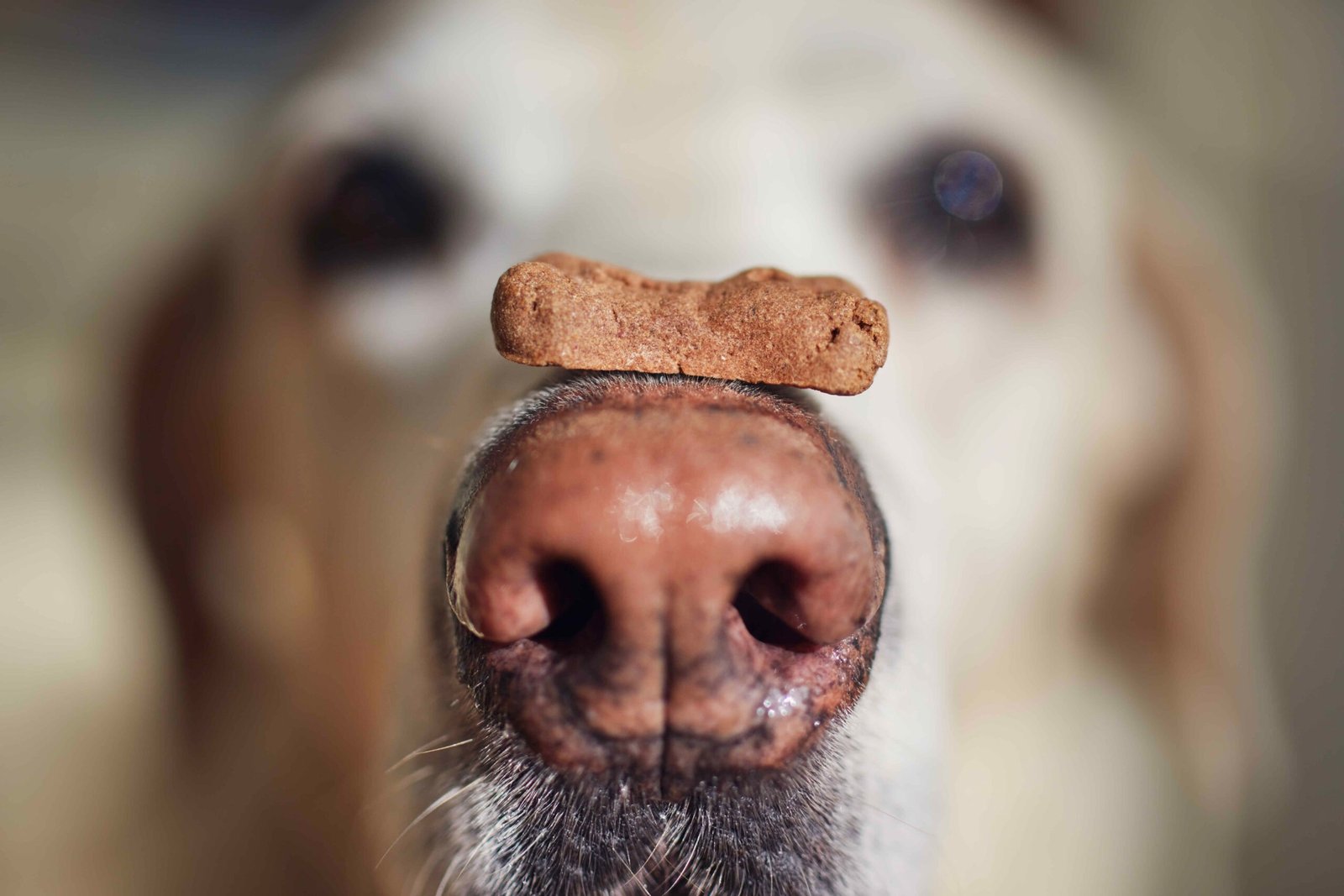

When evaluating dog food for big dogs, you cannot simply look at the marketing on the front of the bag. A perfectly balanced large breed diet hinges on a few highly specific, non-negotiable pillars.
Controlled Calcium & Phosphorus Levels
This is arguably the most critical factor. Large breeds are highly susceptible to severe developmental orthopedic diseases like Osteochondrosis Dissecans (OCD). If they consume too much calcium, their bones grow too rapidly and densely, leading to permanent skeletal damage.
Joint Support Ingredients
Because large dogs carry massive amounts of weight, their food must actively protect their cartilage. You must look for a glucosamine dog food for large breeds. High-quality formulas source natural glucosamine and chondroitin directly from chicken meals or green-lipped mussels to maintain healthy synovial fluid.
High-Quality Animal Protein
Large breeds need ample protein to support strong, lean muscle mass without packing on excess fat. Essential amino acids derived from whole animal proteins are the building blocks that keep their muscles robust enough to support their heavier, larger skeletons.
Moderate Calorie Density
Because large breeds are incredibly prone to obesity, the overall fat and calorie content in their dry food is usually slightly lower than in small-breed formulas. The goal is sustained energy, not rapid weight gain.
Digestibility & Gut Support
Large dogs have surprisingly sensitive digestive tracts relative to their body size. To prevent excessive gas buildup, the food must contain natural, highly digestible fiber from sources like pumpkin, sweet potatoes, or beet pulp, alongside live probiotics.
Kibble Size Designed for Large Dogs
A standard kibble piece is dangerous for a large breed. They will simply inhale the small pieces without chewing, which can lead to choking or bloat. Large breed formulas feature significantly larger, denser kibbles that force the dog to physically crunch their meal, slowing down their eating speed.
Why Large Breed Dogs Need Specialized Food
You might wonder why you cannot just feed your Mastiff a standard bag of “All Life Stages” adult dog food. The answer lies in their unique, supersized physiology.
Joint Stress & Hip Dysplasia Risk
One of the most heartbreaking vulnerabilities in massive dogs is joint degradation. Their joints experience significantly more wear and tear on a daily basis. They require a specific dog food for hip dysplasia prevention that contains high levels of Omega-3 fatty acids (EPA and DHA) to drastically reduce daily joint inflammation.
Rapid Growth in Puppies
A large breed puppy can grow from 10 pounds to 80 pounds in less than a year. This explosive, rapid growth must be strictly controlled through a specialized diet to prevent their bones from outgrowing their supporting muscle tissue.
Obesity Risk in Large Dogs
Carrying just 10 extra pounds is devastating for a Labrador’s hips. Large breeds are incredibly prone to obesity, and standard dog food often contains too much fat for a dog with a slower, large-breed metabolism.
Bloat / Digestive Concerns
Large breeds with deep, narrow chests (like Great Danes and Dobermans) face a terrifying digestive risk: Gastric Dilatation-Volvulus (GDV), commonly known as bloat. Feeding a dense, large-kibble diet designed to slow their eating speed is a critical preventative measure against this fatal condition.
Vet Recommended Dog Food for Large Breeds
When searching for a vet recommended dog food for large breeds, you will quickly notice that veterinarians rarely suggest trendy, boutique, or exotic raw diets. They almost exclusively recommend brands like Purina Pro Plan, Hill’s Science Diet, and Royal Canin.
This is because these specific brands strictly adhere to the global nutritional guidelines established by the World Small Animal Veterinary Association (WSAVA). They employ full-time, board-certified veterinary nutritionists and conduct decades of peer-reviewed feeding trials to prove their food is safe, balanced, and effective for large breeds over a lifetime.
Healthiest Dry Dog Food for Large Breed Dogs
What exactly defines the healthiest dry dog food for large breed dogs? It is not about having the most expensive, exotic ingredients (like kangaroo or wild boar). True canine health is defined by consistent digestibility, strict quality control, and an optimal macronutrient profile.
The healthiest options prioritize named, whole-meat proteins (like deboned chicken or salmon) as the first ingredient, utilize healthy whole grains (like brown rice or oatmeal) for sustained energy, and avoid artificial dyes and chemical preservatives (like BHA or BHT).
Best Dry Dog Food for Large Breeds With Allergies
If your large breed suffers from chronic ear infections, relentless paw licking, or frequent diarrhea, they may be suffering from a food allergy. Finding the best dry dog food for large breeds with allergies requires a shift in protein sources.
True grain allergies in dogs are exceptionally rare; dogs are far more likely to be allergic to the main protein source (most commonly chicken or beef). To resolve this, you must switch to a Limited Ingredient Diet (LID) that utilizes a “novel protein”—a meat your dog has never eaten before, such as lamb, salmon, or venison. This prevents their immune system from reacting to the food.
Large Breed Puppy Food vs Adult Food
Understanding the difference between large breed puppy food vs adult food is critical for your dog’s long-term skeletal development.
Why Puppies Need Different Calcium Levels
Large breed puppies cannot regulate their intestinal absorption of calcium. If you feed a growing puppy a calcium-dense adult food, their bones will rapidly calcify and deform. Large breed puppy formulas heavily restrict calcium to ensure slow, steady, and safe bone growth.
When to Switch to Adult Food
Unlike small dogs that mature at 10 to 12 months, large breeds continue growing their skeletons until they are 18 to 24 months old. You must keep them on a specifically formulated large breed puppy food until their structural growth is fully complete.
Risks of Feeding Adult Food Too Early
Switching a large breed puppy to adult food at 6 months old will flood their system with improper mineral ratios, directly causing severe, painful, and irreversible orthopedic diseases.
How Much Dry Food Should a Large Breed Dog Eat?

Determining exactly how much should a large breed dog eat requires looking past the generic feeding chart printed on the back of the dog food bag. Those charts are broad estimates and frequently overestimate portions.
A healthy, moderately active 80-pound adult dog typically requires between 3.5 to 4.5 cups of high-quality dry food per day, divided into two separate meals to prevent bloat. However, you must adjust this based on their daily activity level and age.
Always utilize the Body Condition Score (BCS) at home. When viewing your dog from above, they should have a noticeable, tucked-in “waist” behind their ribs. When you run your hands along their sides, you should easily feel their ribs beneath a thin layer of fat. If you have to dig your fingers in to find the ribs, you are feeding them too much.
Ingredients to Avoid in Dog Food for Large Breeds
Knowing what to avoid is just as crucial as knowing what to buy. When reading the ingredient label on a bag of giant breed dog food, immediately put the bag down if you see:
- Unnamed Meat Meals: If the label simply says “Meat Meal” or “Poultry Digest” without specifying the exact animal (like “Chicken Meal”), it is a low-quality, untraceable protein source.
- Artificial Preservatives: Avoid chemical preservatives like BHA, BHT, and Ethoxyquin. Look for foods preserved naturally with Mixed Tocopherols (Vitamin E) or Rosemary Extract.
- Excessive Fillers: While whole grains are excellent, if the first three ingredients are all variations of corn (corn gluten meal, whole grain corn, corn bran), the food is heavily utilizing cheap fillers instead of quality meat.
How to Transition to a New Dog Food
Once you have selected the best dry dog food for large breeds, you cannot simply swap their bowls out overnight. Large dogs often have incredibly sensitive gastrointestinal tracts. A sudden, abrupt change in protein sources or fat levels is a fast track to severe diarrhea.
You must transition the food slowly over a strict 7 to 10-day period to allow their gut microbiome to adjust safely:
- Days 1–3: 75% old food + 25% new food.
- Days 4–6: 50% old food + 50% new food.
- Days 7–9: 25% old food + 75% new food.
- Day 10: 100% new food.
Conclusion: Our Final Verdict
Feeding a massive canine companion is a significant responsibility, but selecting the best dry dog food for large breeds does not have to be overwhelming. By prioritizing formulas that feature strictly controlled calcium ratios, natural joint-supporting glucosamine, and highly digestible whole ingredients, you are actively investing in your dog’s long-term health.
For the vast majority of owners, a WSAVA-compliant, vet-recommended diet like Purina Pro Plan Large Breed offers the safest, most scientifically balanced nutrition available. Always measure their portions carefully, monitor their waistline closely, and partner with your veterinarian to ensure your heavy-duty best friend enjoys a long, vibrant, and pain-free life by your side.
Frequently Asked Questions (FAQ)
What is the most vet recommended dry dog food for large breeds?
Veterinarians overwhelmingly recommend brands that adhere strictly to WSAVA global nutrition guidelines, employ full-time board-certified veterinary nutritionists, and conduct extensive feeding trials. The most frequently recommended large breed formulas are Purina Pro Plan Large Breed, Hill’s Science Diet Large Breed, and Royal Canin Giant Breed.
What is the healthiest dog food for large breed dogs?
The healthiest dog food for a large breed provides a precisely controlled calcium-to-phosphorus ratio to protect their bones, incorporates high levels of natural glucosamine and chondroitin for joint support, and utilizes a large, dense kibble size to slow down their eating speed and prevent fatal bloat.
Is grain-free dog food good for large breeds?
Generally, no. Unless your large breed dog has a specific, veterinarian-diagnosed allergy to grains (which is quite rare), healthy whole grains provide excellent, easily digestible energy. Furthermore, the FDA is currently investigating potential links between boutique grain-free diets (heavy in peas and lentils) and a fatal heart condition called Dilated Cardiomyopathy (DCM), which disproportionately affects large breeds.
How much should a 100 lb dog eat daily?
While it depends heavily on the caloric density of the specific food brand and the dog’s daily activity level, a healthy, moderately active 100-pound adult dog typically requires between 4.5 to 5.5 cups of high-quality dry food per day. This must be divided into at least two separate meals to minimize the risk of gastric torsion (bloat).
Do large breed dogs need glucosamine in their food?
Yes, absolutely. Because large and giant breeds carry significantly more weight on their frames, their joints experience massive daily wear and tear. Feeding a diet heavily fortified with natural glucosamine and chondroitin (often sourced from chicken meals or green-lipped mussels) is crucial for repairing damaged cartilage and maintaining healthy joint mobility as they age.
What ingredients help prevent hip dysplasia?
While hip dysplasia is primarily a genetic condition, a diet rich in highly concentrated Omega-3 fatty acids (specifically EPA and DHA sourced from high-quality fish oils) provides powerful, scientifically proven anti-inflammatory properties that drastically reduce joint swelling and alleviate the painful symptoms associated with dysplastic hips.
References & Further Reading
- Association of American Feed Control Officials (AAFCO): Understanding Dog Food Labels and Nutritional Adequacy
- American Kennel Club (AKC): Expert Guidelines on the Best Dog Food for Large Breeds
- World Small Animal Veterinary Association (WSAVA): Global Nutrition Guidelines for Pets
- U.S. Food & Drug Administration (FDA): FDA Investigation into Potential Link between Certain Diets and Canine Dilated Cardiomyopathy