


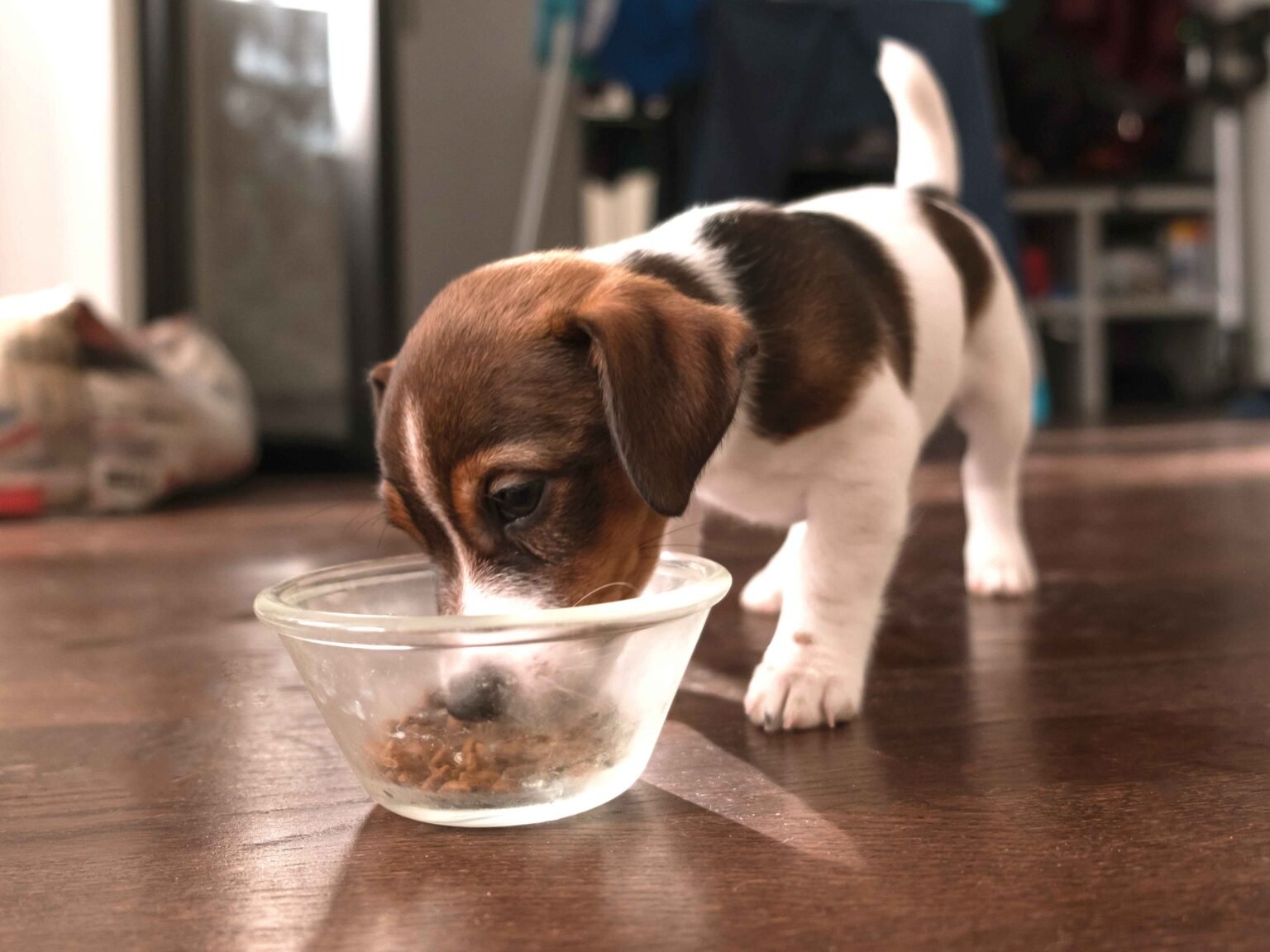
Bringing a new puppy into your home is an incredibly joyful experience. But that joy can quickly turn into anxiety when your furry best friend starts experiencing severe tummy troubles. If you find yourself constantly cleaning up loose stools or comforting a puppy that is vomiting after meals, you are likely dealing with a puppy sensitive stomach.
- Best Puppy Food for Sensitive Stomachs (Quick Comparison)
- 5 Best Puppy Foods for Sensitive Stomachs (Reviewed)
- 1. Purina Pro Plan Puppy Sensitive Skin & Stomach (Best Overall)
- 2. Hill’s Science Diet Puppy Sensitive Stomach & Skin (Best for Skin)
- 3. Royal Canin Gastrointestinal Puppy (Best Vet Option)
- 4. Blue Buffalo Wilderness Puppy (Best Grain-Free)
- 5. Natural Balance Limited Ingredient (L.I.D.) Puppy (Best for Allergies)
- What to Feed a Puppy With a Sensitive Stomach
- What Food Settles a Puppy’s Stomach?
- What Puppy Food Won’t Cause Diarrhea?
- Puppy Sensitive Stomach Symptoms
- What Causes a Sensitive Stomach in Puppies?
- Best Ingredients for Sensitive Stomach Puppies
- Ingredients to Avoid in Puppy Food
- Best Puppy Food for Diarrhea
- Dry vs Wet Food for Sensitive Stomach Puppies
- Vet Recommended Puppy Food for Sensitive Stomach
- How to Safely Transition Puppy Food
- How Much Should You Feed a Puppy With a Sensitive Stomach?
- Common Feeding Mistakes
- When to See a Vet
- Frequently Asked Questions (FAQ)
- What foods settle a puppy’s stomach?
- What is the 15-minute rule for dog food?
- What puppy food won’t cause diarrhea?
- What is the best dog food for a sensitive tummy?
- What to feed a puppy with a sensitive stomach?
- What is the number one vet recommended dog food for puppies?
- What is the healthiest food to feed a puppy?
- What is the 7-7-7 rule for puppies?
- References & Further Reading
Puppies are in a highly critical stage of physical development. Feeding a puppy with a sensitive stomach the wrong type of dog food does not just cause immediate discomfort; it severely interferes with nutrient absorption, potentially stunting their growth.
If you are feeling overwhelmed by the endless options in the pet food aisle, take a deep breath. In this comprehensive guide, we will reveal the absolute best puppy food for sensitive stomachs, break down the exact ingredients to avoid, and provide a step-by-step feeding plan to settle their stomach and stop the diarrhea for good.
The ideal sensitive stomach puppy food utilizes a highly digestible, single-source protein (like salmon or chicken), gentle complex carbohydrates (like brown rice or oatmeal), and guaranteed live probiotics to firmly balance gut health and stop diarrhea.
Best Puppy Food for Sensitive Stomachs (Quick Comparison)
Before diving into the detailed reviews, here is a rapid overview of the top-performing, vet-recommended options designed specifically to soothe digestive upset.
| Brand | Best For | Primary Protein | Key Feature |
|---|---|---|---|
| Purina Pro Plan | Best Overall | Salmon | Guaranteed Live Probiotics |
| Hill’s Science Diet | Skin + Digestion | Chicken | Rich in Omega Fatty Acids |
| Royal Canin Gastro | Severe Issues | Hydrolyzed | Prescription Veterinary Diet |
| Blue Buffalo | Grain-Free Needs | Chicken | High Protein + Antioxidants |
| Natural Balance LID | Food Allergies | Duck | Strict Limited Ingredients |
5 Best Puppy Foods for Sensitive Stomachs (Reviewed)

1. Purina Pro Plan Puppy Sensitive Skin & Stomach (Best Overall)
This is arguably the absolute best puppy food for sensitive stomach issues on the market. With salmon as the primary protein, this food provides a highly digestible meal that naturally reduces gastrointestinal inflammation.
It completely avoids heavy irritants like corn, wheat, and soy. Furthermore, it contains guaranteed live probiotics and prebiotic fiber to intensely promote nutrient absorption and firm up loose stools rapidly.
2. Hill’s Science Diet Puppy Sensitive Stomach & Skin (Best for Skin)
Hill’s Science Diet formulates its kibble based on decades of rigorous biological research. This specific formulation includes a unique blend of highly digestible chicken and gentle brown rice.
What truly sets this apart is its clinical formulation of Vitamin E and Omega-6 fatty acids, which actively nourish the skin—making it the perfect best dog food for sensitive stomach puppy if their digestive issues are accompanied by an itchy, flaky coat.
3. Royal Canin Gastrointestinal Puppy (Best Vet Option)
If your puppy’s digestive issues are severe and unrelenting, this is the vet recommended puppy food for sensitive stomach. It features an adapted, high-calorie energy content.
This means your puppy can eat a much smaller physical portion size and still get all the calories they need to grow, putting far less mechanical stress on their inflamed digestive tract.
4. Blue Buffalo Wilderness Puppy (Best Grain-Free)
If your veterinarian explicitly suspects your puppy has a specific allergy to grains, this high-protein, grain-free option is an excellent choice. It utilizes real chicken and supplements it with sweet potatoes and peas for highly digestible, gentle carbohydrates.
5. Natural Balance Limited Ingredient (L.I.D.) Puppy (Best for Allergies)
When you simply cannot figure out exactly what is upsetting your puppy’s stomach, a Limited Ingredient Diet (L.I.D.) is the answer. This formula uses a single novel animal protein source (like Duck) and a single primary carbohydrate. By drastically reducing the number of ingredients, you dramatically lower the chances of triggering a painful digestive reaction.
What to Feed a Puppy With a Sensitive Stomach
Figuring out exactly what to feed a puppy with a sensitive stomach requires a strategic approach. You cannot simply guess; you must rely on clinically proven, easily digestible ingredients.
You should exclusively feed them a kibble built around lean, highly digestible proteins like whitefish, salmon, or chicken breast. Avoid rich, heavy red meats entirely.
For carbohydrates, prioritize complex, slow-burning options like oatmeal, pumpkin, and brown rice. These ingredients provide essential soluble fiber, which actively absorbs excess water in the gut, helping to firmly resolve diarrhea.
What Food Settles a Puppy’s Stomach?
If your puppy is actively vomiting or experiencing severe distress, you need an immediate puppy upset stomach remedy food to settle their system before transitioning back to kibble.
Veterinarians globally recommend a temporary “bland diet.” This consists of boiling plain, unseasoned, boneless chicken breast and mixing it 50/50 with plain white rice. Adding a tablespoon of 100% pure pumpkin puree (not pie filling) is also a fantastic, natural way to immediately soothe the intestinal lining and settle nausea.
What Puppy Food Won’t Cause Diarrhea?
If you are desperately searching for puppy food for sensitive stomach and diarrhea, you must look for formulas specifically engineered to be low-residue. A low-residue diet means the dog’s body absorbs almost all the nutrients, leaving very little waste behind to cause loose stools.
To guarantee the food will not cause diarrhea, ensure it has strict limited ingredients, avoids all artificial chemical preservatives, and explicitly lists guaranteed live probiotics on the nutritional panel to violently fight off bad gut bacteria.
Puppy Sensitive Stomach Symptoms
Identifying a sensitive stomach can sometimes be tricky, as puppies put everything in their mouths. However, if their digestive system is reacting poorly to their daily diet, you will notice a consistent, undeniable pattern.
- Frequent Diarrhea or Loose Stools: Chronic watery or unformed stools indicate their gut cannot properly process their current kibble.
- Vomiting or Regurgitation: Throwing up completely undigested food shortly after eating is a massive red flag for food intolerance.
- Excessive Gas: If your puppy’s flatulence can clear a room, their food is fermenting poorly in their intestines.
- Changes in Appetite: A puppy experiencing nausea or painful stomach cramps will rapidly lose interest in their meals.
- Itchy Skin and Paws: Food sensitivities and allergies often manifest dermatologically.
What Causes a Sensitive Stomach in Puppies?
Before switching their sensitive stomach dog food, it helps to understand exactly what caused the upset in the first place.
- Food Intolerance/Allergies: A direct biological inability to digest specific proteins (like beef or dairy).
- Intestinal Parasites: Microscopic invaders like Giardia or Coccidia routinely cause severe diarrhea and must be treated with prescription medication, not just a diet change.
- Stress and Anxiety: Moving to a new home or starting training classes can trigger massive stress-induced diarrhea in young pups.
- Poor Quality Diet: Feeding a kibble packed with cheap fillers, corn gluten, and artificial dyes will rapidly destroy a puppy’s delicate gut microbiome.
Best Ingredients for Sensitive Stomach Puppies
When selecting an easily digestible puppy food, you must scrutinize the back of the bag. You want ingredients that deeply nourish the growing body while requiring minimal metabolic effort to break down.
Easy-to-Digest Proteins
Salmon is fantastic for easy digestion and is packed with anti-inflammatory Omega-3s. Lean Chicken is another highly bioavailable protein that is gentle on the stomach (provided the dog does not have a specific poultry allergy).
Gentle Carbs
Brown or White Rice actively firms up watery stool and provides gentle, slow-burning energy. Oatmeal provides gentle soluble fiber that physically soothes the inflamed intestinal lining.
Gut Health Support
Probiotics are non-negotiable. These active, beneficial bacteria are crucial for gut health support, violently competing with bad bacteria and balancing the intestinal microbiome.
Ingredients to Avoid in Puppy Food
Conversely, it is essential to violently avoid ingredients that provoke canine allergies and lead to massive digestive complications.
- Common Protein Allergens: Believe it or not, beef and dairy are two of the most common food allergens for dogs.
- Cheap Fillers: High quantities of corn, wheat gluten, and soy offer exceptionally poor nutritional value and are notoriously difficult for puppies to break down, leading to massive, smelly stools.
- Artificial Additives: Synthetic colors, chemical preservatives (like BHA/BHT), and artificial flavor enhancers can severely irritate the stomach lining.
Best Puppy Food for Diarrhea
If you are actively battling puppy diarrhea after eating food, you cannot feed them rich, high-fat kibbles. The absolute best puppy food for diarrhea is a strict veterinary gastrointestinal diet (like Royal Canin Gastro or Hill’s i/d) or a high-quality, over-the-counter limited ingredient salmon and rice formula.
These diets are specifically engineered to be exceptionally low in fat, as high-fat foods aggressively trigger the bowels to empty rapidly.
Dry vs Wet Food for Sensitive Stomach Puppies
Should you feed kibble or canned food? Best wet food for sensitive stomach puppy options are incredibly palatable and provide massive amounts of hydration, which is vital if the puppy has been losing fluids through diarrhea.
However, the best dry dog food for sensitive stomach puppy options are generally better for long-term feeding. High-quality dry kibble promotes better dental health and usually features a higher concentration of live probiotics sprayed on the outside of the kibble after the cooking process.
Vet Recommended Puppy Food for Sensitive Stomach
When in doubt, always rely on science. A true vet recommended puppy food for sensitive stomach will come from brands that employ full-time, board-certified veterinary nutritionists and conduct rigorous, long-term feeding trials.
This is why veterinarians overwhelmingly recommend Purina Pro Plan, Hill’s Science Diet, and Royal Canin. These brands do not rely on boutique marketing; they rely on clinical data proving their food actively resolves canine digestive issues.
How to Safely Transition Puppy Food
You have bought the best food, but transitioning their diet too quickly will actually cause more diarrhea. You must follow a strict puppy feeding guide and transition their diet slowly over a 7 to 10-day period to allow their gut flora to safely adapt:
- Days 1–3: 75% Old Food mixed with 25% New Food.
- Days 4–6: 50% Old Food mixed with 50% New Food.
- Days 7–9: 25% Old Food mixed with 75% New Food.
- Day 10: 100% New Food.
Pro Tip: If your puppy develops loose stools on Day 4, do not panic. Simply pause the transition and stay at the 50/50 mix for a few extra days until their stool firms up.
How Much Should You Feed a Puppy With a Sensitive Stomach?
Portion control is critical for gut health. Overloading a sensitive stomach with a massive meal will instantly cause it to violently reject the food. Instead of two large meals, a puppy with digestive issues should be fed three to four small, highly measured meals evenly spaced throughout the day.
Always follow the exact caloric feeding chart printed on the back of your specific dog food bag, adjusting slightly based on your veterinarian’s assessment of your puppy’s Body Condition Score.
Common Feeding Mistakes
Avoid these incredibly common pitfalls that frequently trigger a puppy digestion issue:
- Switching Food Too Fast: Changing brands overnight guarantees severe diarrhea.
- Overfeeding: Too much food forces undigested matter into the colon, causing gas and loose stools.
- Cheap Food & Too Many Treats: Feeding high-fat table scraps or highly processed commercial treats will instantly ruin the progress you made with their sensitive stomach kibble.
When to See a Vet
While many sensitive stomachs can be beautifully managed by upgrading to a better diet, you must know when an upset stomach is actually a lethal medical emergency. Puppies have very little body mass and can become fatally dehydrated from diarrhea in a matter of hours.
Seek immediate veterinary care if your puppy exhibits any of the following red flags:
- Vomiting or diarrhea that lasts for more than 24 hours.
- Blood in their stool (it may look like bright red streaks or dark, black, tarry coffee grounds).
- Extreme lethargy, profound weakness, or a total inability to stand.
- A distended, tight, or painful abdomen.
- Complete refusal to drink water.
Your veterinarian possesses specialized knowledge and can run immediate diagnostic tests to rule out fatal viral infections, such as Canine Parvovirus.
Frequently Asked Questions (FAQ)
What foods settle a puppy’s stomach?
Simple, highly digestible whole foods like plain boiled chicken breast, white rice, pure 100% pumpkin puree, and plain oatmeal are the absolute easiest foods to digest and will quickly settle an upset puppy stomach.
What is the 15-minute rule for dog food?
The 15-minute rule dictates that you should put the food bowl down, and if the puppy has not finished eating after exactly 15 minutes, you pick the bowl up and remove it until the next scheduled mealtime. This builds a strict routine and prevents picky eating.
What puppy food won’t cause diarrhea?
To avoid diarrhea, you must feed a strict limited-ingredient diet that utilizes highly digestible, single-source proteins (like salmon) and includes guaranteed live probiotics to fiercely support and balance the gut microbiome.
What is the best dog food for a sensitive tummy?
The best dog food for a sensitive tummy is a high-quality, veterinary-backed formula like Purina Pro Plan Sensitive Skin & Stomach. It provides incredibly simple ingredients, avoids harsh artificial fillers, and provides massive gut health support.
What to feed a puppy with a sensitive stomach?
You should feed them a premium kibble featuring lean protein (avoiding beef and dairy), gentle complex carbohydrates (like rice and oatmeal), and an optimal, low-fat content to prevent aggressive bowel stimulation.
What is the number one vet recommended dog food for puppies?
Veterinarians overwhelmingly recommend brands backed by massive clinical research and full-time veterinary nutritionists. The top recommendations globally are Purina Pro Plan, Hill’s Science Diet, and Royal Canin.
What is the healthiest food to feed a puppy?
The healthiest food is a completely balanced, WSAVA-compliant, nutrient-rich kibble specifically formulated for puppy growth, providing the exact, precise ratios of protein, healthy fats, calcium, and essential vitamins they require to develop properly.
What is the 7-7-7 rule for puppies?
While often confused with potty training, in feeding, a similar “Rule of 7s” emphasizes a highly gradual, structured approach to transitions and socialization, ensuring the puppy adapts slowly to new foods over several days to prevent massive digestive shock.