
Watching your dog constantly scratching, intensely licking their paws, or rubbing their red skin against the furniture is incredibly frustrating and heartbreaking. As a loving owner, your first instinct is likely to search for home remedies for itchy dogs to provide them with instant relief.
While a quick trip to the pantry might seem like the perfect solution, it is vital to proceed with caution. Many natural remedies for dog itching can indeed help soothe inflamed skin, but not all of the “miracle cures” found online are safe or effective. In fact, applying the wrong DIY mixture can damage your dog’s delicate skin barrier and make the itching significantly worse.
In this vet-backed guide, we are separating fact from fiction. We will cover exactly what helps my dog stop itching naturally, the best home treatments, what remedies you should completely avoid, and when it is time to seek professional veterinary care.
Why Is Your Dog Itchy?
Before you apply any topical treatment, you need to understand the root cause of the pruritus (itching). Treating the symptom without addressing the cause means the itching will always return. The most common culprits include:
- Allergies: Environmental allergens (like pollen and dust mites) or food allergies are massive triggers for systemic inflammation.
- Parasites: Fleas, ticks, and microscopic mites (mange) cause intense, localized scratching.
- Dry Skin: Cold weather, harsh shampoos, or a lack of dietary fatty acids can lead to a dry, flaky coat.
- Infections: Bacterial overgrowths or yeast infections thrive on compromised skin.
For a comprehensive breakdown of diagnosing these root causes, read our complete guide to dog skin problems.
Do Home Remedies for Itchy Dogs Really Work?
This is the most important question for any dog owner seeking a dog itchy skin home treatment. The honest, vet-backed answer is: it depends on the severity.
Home remedies are fantastic for providing temporary, soothing relief for mild cases of dry skin or minor seasonal environmental allergies. However, they are not a cure for active bacterial or fungal infections, nor can they stop a severe allergic reaction.
Furthermore, many highly promoted remedies lack strong scientific proof. For example, while apple cider vinegar is often touted as a cure-all, clinical evidence of its effectiveness for severe skin disease is incredibly weak. Setting realistic expectations and using these remedies as supportive care, rather than medical cures—is the key to success.
9 Best Home Remedies for Itchy Dogs
If you are wondering, “what can I put on my dog to relieve itching immediately?” here are the top 9 safest and most effective natural solutions.
1. Oatmeal Baths (The Best Overall Remedy)
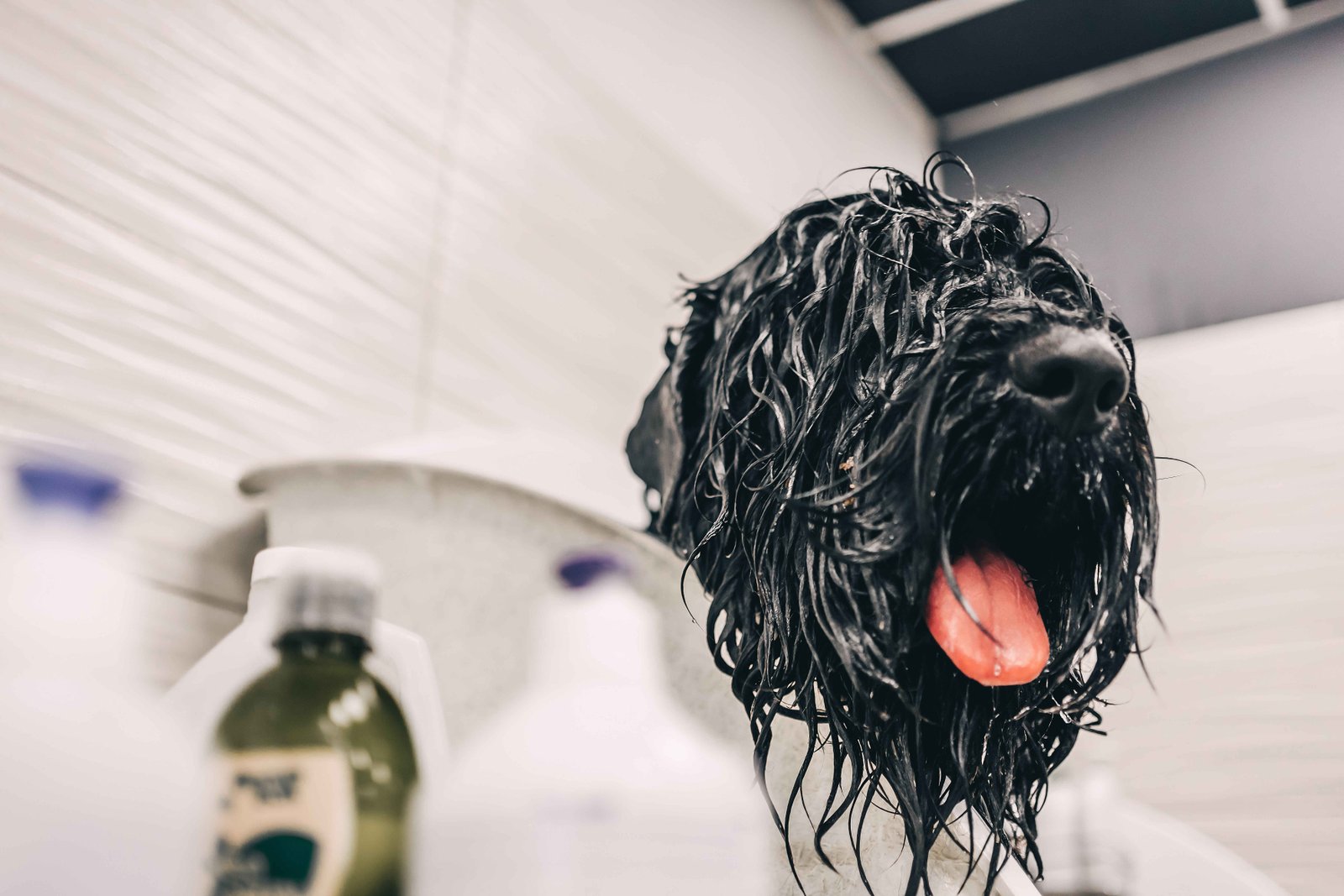
Colloidal oatmeal is arguably the best home remedy for dog itching. According to veterinary dermatologists, colloidal oatmeal is a proven, powerful anti-inflammatory that actively soothes hot, red skin and locks in moisture. Grinding plain, unflavored oats into a fine powder and letting your dog soak in a lukewarm bath for 10–15 minutes will provide rapid, full-body relief.
2. Coconut Oil for Dogs Itching
Many owners ask, can coconut oil relieve dog itching? Yes! Extra-virgin coconut oil is rich in lauric acid, which has mild antibacterial and moisturizing properties. Massaging a small amount into dry, cracked paw pads or flaky elbows can drastically improve the skin barrier.
⚠️ Caution: Do not let your dog ingest large amounts of it. Too much coconut oil is highly greasy and will cause severe diarrhea.
3. Apple Cider Vinegar (Use Carefully)
ACV can help balance skin pH and suppress very mild yeast on the paws, but it must be heavily diluted (50% water to 50% ACV). Never apply it to raw, open, or bleeding skin, as the acidity will cause excruciating pain and irritation. For a full breakdown of safety and dosage, read our guide on apple cider vinegar for dogs.
4. Aloe Vera
Just as it soothes human sunburns, aloe vera provides excellent, cooling relief for localized hot spots and red bug bites on dogs. It actively reduces skin inflammation. Note: You must use 100% pure aloe vera gel containing no added alcohol or xylitol, which is toxic to dogs.
5. Chamomile or Green Tea Rinse
Both chamomile and green tea contain natural, calming compounds that reduce inflammation. Brew a few bags of tea, let the water cool completely (or chill it in the fridge), and use it as a soothing spray or a post-bath rinse for a dog covered in itchy hives.
6. Fish Oil (Omega-3 Fatty Acids)
While not a topical treatment, giving your dog a high-quality marine fish oil supplement is one of the best long-term remedies. Clinical studies show that Omega-3s work from the inside out to drastically reduce systemic inflammation and reinforce the lipid layer of the skin barrier.
7. Baking Soda Paste
For highly localized, intense itching (like a bee sting or a severe bug bite), a baking soda paste is incredibly effective. Mix a 50/50 ratio of baking soda and water to form a thick paste, apply it to the itchy bump, leave it for 20 minutes, and rinse completely. Use this for short-term, targeted relief only.
8. Plain Yogurt (For Yeast Support)
Feeding your dog a small spoonful of plain, unsweetened, xylitol-free yogurt introduces beneficial probiotics into their gut. A healthy gut microbiome can help support the immune system and naturally suppress recurring yeast infections.
9. Cold Compress
Sometimes, the simplest solution is the best. If your dog is frantically scratching a specific red patch, applying a cold, damp washcloth or an ice pack wrapped in a towel for 5 to 10 minutes will instantly numb the nerve endings and stop the itch cycle fast.
What Can I Give My Dog for Itching?
When topical treatments aren’t enough, owners often ask, what can I give my dog for itching internally? Your best options include:
- Fish Oil Supplements: To reduce internal inflammation over time.
- Dietary Changes: Transitioning to a high-quality, limited-ingredient diet can eliminate hidden food allergens.
- Vet-Approved Antihistamines: Many veterinarians will recommend specific dosages of over-the-counter antihistamines (like Benadryl or Zyrtec) to stop an allergic reaction. Always consult your vet for the correct dosage based on your dog’s weight.
What Stops Dog Itching Immediately?

If you need to know how to stop dog itching fast because your dog is completely miserable right now, you need immediate, cooling interventions. The three fastest ways to stop the itch cycle are:
- Applying a cold compress to the localized hot spot.
- Soaking the dog in a lukewarm colloidal oatmeal bath.
- Washing them with a high-quality, soothing medicated shampoo. (Discover our top recommendations in our guide to the best shampoo for dog skin).
Natural Oils That Help Dogs Stop Itching
What oil helps dogs stop itching? When used correctly, certain natural oils are highly beneficial for repairing a dry, compromised skin barrier:
- Coconut Oil: Excellent for topical application on dry elbows, noses, and paw pads.
- Fish Oil: The absolute best oil for oral supplementation to provide Omega-3s.
- Olive Oil: Adding a very small drizzle to your dog’s food can help lubricate their coat from the inside out if you do not have fish oil on hand.
Remedies That DON’T Work (And Can Be Dangerous)
To truly protect your dog, you must know what to avoid. A massive mistake many owners make is falling for internet hype that lacks strong research support.
- Undiluted Apple Cider Vinegar: Treating ACV as a miracle cure and pouring it directly onto a scratching dog will cause severe acid burns and worsen the inflammation.
- Random Essential Oils: According to the ASPCA Animal Poison Control Center, oils like tea tree, pennyroyal, and wintergreen are highly toxic to dogs and should never be used as a DIY itch spray.
- Human Anti-Itch Creams: Hydrocortisone creams meant for humans can be toxic if your dog licks them off their fur.
When Home Remedies Are NOT Enough
Home remedies are fantastic for mild, dry skin, but there is a distinct line where home care must stop and medical care must begin. You should immediately book a vet appointment for a prescription dog itchy skin treatment if you notice:
- Yellow or green pus oozing from the skin (a sign of a dog skin infection).
- A foul, musty, or “cheesy” odor (a sign of a severe fungal dog rash).
- Bleeding, open sores, or massive patches of hair loss.
- The itching is so intense that your dog is losing weight or cannot sleep.
Best Long-Term Solution for Itchy Dogs
Treating the itch after it starts is a losing battle. The ultimate, long-term solution to canine dermatitis lies in proactive care. By optimizing their diet, maintaining a strict grooming routine, and utilizing year-round flea control, you can stop the itch before it begins. To master this approach, read our comprehensive guide on how to prevent dog skin problems.
References & Further Reading
- PetMD: How to Make an Oatmeal Bath for Dogs With Itchy Skin
- American Kennel Club (AKC): Fish Oil for Dogs: Benefits and Uses
- Chewy Education: Apple Cider Vinegar for Dogs: Pet Diet Tips and Safety
- ASPCA Animal Poison Control: Toxic and Non-Toxic Plants & Essential Oils
Frequently Asked Questions (FAQ)
What will help my dog stop itching naturally?
The most effective natural remedies to stop a dog from itching include lukewarm colloidal oatmeal baths to soothe whole-body inflammation, diluted apple cider vinegar sprays for minor paw yeast, and adding Omega-3 fish oil to their diet to strengthen the skin barrier from the inside out.
What can I give my dog if it is itching?
If your dog is itching, you can give them Omega-3 fatty acid supplements (like marine fish oil) to reduce systemic inflammation. For immediate, severe allergic reactions, a veterinarian may recommend a specific, weight-based dose of a dog-safe antihistamine (such as Benadryl).
Can coconut oil relieve dog itching?
Yes, extra-virgin coconut oil can relieve mild dog itching caused by dry skin. It contains lauric acid, which acts as a moisturizer and mild antibacterial agent. It is best applied topically in small amounts to localized dry spots like elbows, noses, and paw pads.
What oil helps dogs stop itching?
Fish oil is the absolute best oil to help dogs stop itching when given orally, as the Omega-3s fight inflammation. For topical relief of dry skin, coconut oil and a very light application of olive oil can help moisturize the skin barrier.
Is coconut oil harmful if dogs lick it?
Coconut oil is not toxic to dogs if they lick a small amount off their paws or fur. However, it is very high in fat. If a dog ingests a large amount of coconut oil, it can cause severe gastrointestinal upset, diarrhea, and potentially trigger pancreatitis.
What can I put on my dog to relieve itching immediately?
To relieve itching immediately, apply a cold compress (like an ice pack wrapped in a towel) directly to the itchy spot to numb the nerve endings. Alternatively, washing the dog with a soothing, soap-free medicated shampoo containing aloe vera or colloidal oatmeal provides fast, full-body relief.