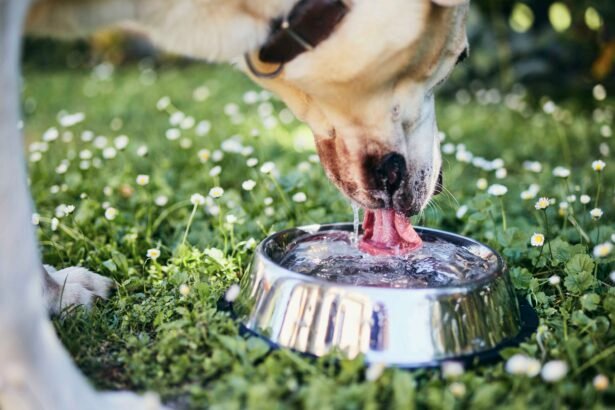

Many owners first notice something unusual when their dog starts drinking far more water than usual, constantly hovering near the bowl, or suddenly needing to go outside several times a night. While these changes may seem harmless at first, perhaps just a reaction to warmer weather or extra exercise, they can sometimes be among the earliest signs of diabetes in dogs.
The most common signs of diabetes in dogs are increased thirst, frequent urination, increased appetite, unexplained weight loss, lethargy, and cloudy eyes. These symptoms often develop gradually and should be evaluated by a veterinarian as soon as possible.
Diabetes mellitus is a chronic condition, but it is one that many dogs manage successfully for years with the right care. Because dogs cannot tell us when they feel off, recognizing the subtle shifts in their daily routine is critical. If you find yourself asking, “What are the first signs of diabetes in dogs?”, this guide will walk you through the 10 most critical symptoms, which breeds are most at risk, and when a vet visit becomes urgent.
What Are the First Signs of Diabetes in Dogs?
The first signs of diabetes in dogs are usually increased thirst, frequent urination, increased appetite, and unexplained weight loss. Many owners notice these symptoms weeks or months before a formal diagnosis. Early veterinary treatment can significantly improve long-term outcomes.
Example: How One Owner Spotted Diabetes Early
Sarah noticed that her 9-year-old Miniature Schnauzer suddenly started emptying his water bowl several times a day and asking to go outside every few hours. At first, she assumed the warmer weather was to blame. Within a few weeks, however, he had lost weight despite eating more than ever. A veterinary examination confirmed diabetes, and early treatment helped him return to a normal, active routine.
Key Takeaways
- Increased thirst and frequent urination are usually the earliest indicators.
- Weight loss despite a ravenous appetite is a major red flag.
- Cloudy eyes or sudden vision changes often develop in diabetic dogs.
- Certain breeds and overweight dogs carry a higher risk.
- Early detection and veterinary management allow most diabetic dogs to live happy, active lives.
When to Call the Vet
Call your veterinarian within 24–48 hours if your dog is:
- Drinking significantly more water
- Urinating excessively
- Losing weight unexpectedly
- Eating more but getting thinner
Seek emergency care immediately if vomiting, collapse, or fruity-smelling breath occurs.
How Diabetes Symptoms Usually Progress
Symptoms do not usually appear all at once. This timeline highlights how diabetes typically advances if left untreated:
| Stage | What Owners Typically Notice |
|---|---|
| Early | Increased thirst and urination |
| Early-Mid | Increased appetite |
| Mid | Weight loss despite eating |
| Mid-Late | Lethargy and reduced activity |
| Late | Cataracts and vision problems |
| Emergency | Vomiting, collapse, fruity breath |
What Is Diabetes in Dogs?
Before diving into the specific symptoms, it helps to understand what is happening inside your dog’s body. Diabetes mellitus in dogs occurs when the pancreas fails to produce enough insulin, or when the dog’s body cannot use insulin properly.
Insulin is the hormone responsible for moving glucose (sugar) from the bloodstream into the body’s cells to be used as energy. Without insulin, the sugar builds up to dangerous levels in the blood, while the cells essentially “starve.” This inability to process energy correctly is what triggers the classic warning signs.
Diabetes by the Numbers
- Approximately 1 in 100–300 dogs develops diabetes.
- Most diagnoses occur between 7 and 10 years of age.
- Female dogs are diagnosed more often than males.
- Cataracts develop in many diabetic dogs if blood sugar remains uncontrolled.
10 Warning Signs of Diabetes in Dogs
If you are wondering what are 10 warning signs of diabetes in dogs, these are the primary symptoms veterinarians look for. They often appear gradually, so close observation is key.
1. Increased Thirst (Often the First Sign)
Known medically as polydipsia, this is usually the very first thing owners notice. As excess sugar builds up in the blood, the kidneys try to flush it out through the urine. This process drags a massive amount of water out of the body, leaving the dog perpetually dehydrated.
How Much Water Is Too Much?
If you are wondering whether your dog is actually drinking too much, keep in mind that normal dogs typically drink about 20–70 mL of water per kilogram of body weight daily. Persistent increases above this baseline deserve veterinary attention. If your dog is guzzling water endlessly, reviewing why is my dog drinking so much water can provide additional insights into potential causes like excessive thirst in dogs.
2. Frequent Urination
Also known as polyuria, this goes hand-in-hand with increased thirst. Because the dog is drinking so much to compensate for the fluid loss, their bladder fills much faster. You will notice them asking to go outside far more frequently. If your previously perfectly house-trained dog suddenly begins having large urine accidents on the floor or in their bed, diabetes is a strong possibility.
3. Increased Appetite
Because the dog’s body cannot move glucose into the cells, their cells are starving for energy. The brain interprets this as a need for more food. Your dog may suddenly act ravenous, begging for food constantly, stealing snacks, or guarding their bowl aggressively, even if they have just eaten a full meal.
4. Unexplained Weight Loss
This is a major red flag when combined with an increased appetite. Despite eating more food than usual, the dog is actively losing weight. Because the body cannot use the sugar in their bloodstream for energy, it begins breaking down its own fat and muscle reserves to survive, leading to rapid, unexplained weight loss.
5. Low Energy and Lethargy
With their cells deprived of the glucose needed for energy, a diabetic dog will often become profoundly tired. You might notice them sleeping much more than usual, lagging behind on walks they used to love, or showing a general lack of enthusiasm for playtime.
6. Cloudy Eyes or Cataracts
This is a very strong and common symptom. Excess sugar in the blood alters the fluid balance within the lens of the eye, causing a rapid development of dog cataracts. You may notice your dog’s eyes look cloudy, blue, or milky. Many diabetic dogs develop cataracts very quickly, which can lead to sudden blindness or bumping into furniture.
7. Recurrent Skin Infections
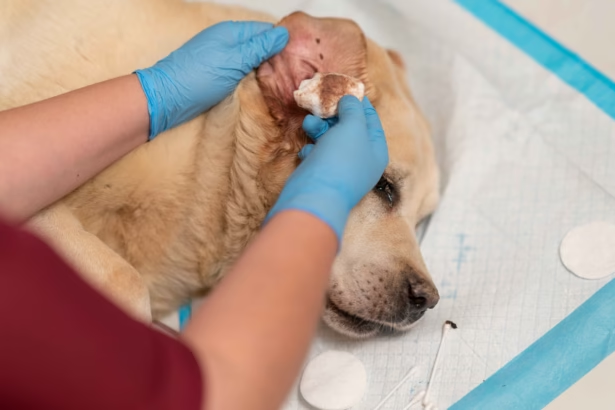
High blood sugar creates an ideal environment for bacteria and yeast to thrive. Diabetic dogs often suffer from chronic, recurring dog skin infections. You might notice chronic itching, hot spots, dry flaky skin, or yeast infections in their ears and paws that return immediately after treatment stops.
8. Slow Wound Healing
Diabetes impairs blood circulation and weakens the immune system. If your dog gets a minor scrape, a bug bite, or a small cut that seems to take weeks to heal or repeatedly becomes infected, it could be due to underlying high blood sugar.
9. Poor Coat Condition
The combination of dehydration, poor nutrient absorption, and skin infections often leaves a diabetic dog’s coat looking dull, dry, and brittle. You may also notice increased shedding or thinning of the hair along their back.
10. Sweet-Smelling Breath (Advanced Cases)
While most dogs have less-than-perfect breath, a dog with advanced, unregulated diabetes may develop breath that smells unusually sweet, fruity, or like nail polish remover (acetone). This is a sign of Diabetic Ketoacidosis (DKA), a critical emergency condition where the body is actively producing toxic ketones. This requires immediate veterinary intervention.
Signs of Diabetes in Dogs at a Glance
Use this quick reference table to determine which symptoms are early warnings versus those that require prompt medical care.
| Symptom | Early Sign? | Vet Visit Needed? |
|---|---|---|
| Increased Thirst | Yes | Yes (Schedule soon) |
| Frequent Urination/Accidents | Yes | Yes |
| Weight Loss + High Appetite | Yes | Yes |
| Cloudy Eyes | Sometimes | Yes |
| Severe Lethargy or Vomiting | No | Urgent/Emergency |
| Sweet/Fruity Breath | No | Urgent/Emergency |
Diabetes Symptom Checklist
- ✓ Drinking more water than usual
- ✓ Urinating more frequently
- ✓ Increased appetite
- ✓ Weight loss
- ✓ Cloudy eyes
- ✓ Low energy
- ✓ Recurrent infections
- ✓ Poor coat condition
If your dog shows two or more of these signs, schedule a veterinary visit.
How Do I Tell If My Dog Is Diabetic at Home?
Many owners search online asking, “How do I tell if my dog is diabetic at home?” The reality is that you cannot definitively diagnose diabetes without professional medical equipment.
What you can do at home is observe and record. If you suspect diabetes, start tracking how many times you fill the water bowl each day and note how often they need to go outside. Weigh your dog weekly to check for unexplained weight loss. If you observe the classic trio, drinking more, peeing more, and losing weight despite eating, you have enough evidence to call the vet.
Do not attempt to use human glucose monitors on your dog without a vet’s instruction, as canine blood requires specific calibration, and interpreting the results without training can lead to dangerous errors.
What Could Be Mistaken for Diabetes in Dogs?
It is important to remember that increased thirst and urination are not exclusive to diabetes. Several other serious conditions present with the exact same early symptoms, which is why a veterinary diagnosis is mandatory. What could be mistaken for diabetes in dogs?
- Kidney Disease: Failing kidneys lose the ability to concentrate urine, leading to massive fluid loss, extreme thirst, and weight loss.
- Cushing’s Disease (Hyperadrenocorticism): An overproduction of cortisol by the adrenal glands causes increased thirst, frequent urination, a ravenous appetite, and a pot-bellied appearance.
- Urinary Tract Infections (UTIs): A severe UTI will cause a dog to urinate frequently and drink more water, though usually without the rapid weight loss seen in diabetes.
- Normal Aging: Sometimes owners mistake the lethargy and cloudy eyes (nuclear sclerosis) of normal aging for diabetes.
Which Dogs Are Most Likely to Get Diabetes?
While any dog can develop diabetes, certain factors significantly increase the risk. If you are wondering what dogs are most likely to get diabetes, consider the following:
High-Risk Breeds
Genetics play a massive role. According to the American Kennel Club (AKC), breeds that show a significantly higher predisposition to diabetes include:
- Miniature Schnauzers
- Dachshunds
- Poodles (Toy and Miniature)
- Beagles
- Samoyeds
- Australian Terriers
- Pugs
Key Risk Factors
- Obesity: Just like in humans, carrying excess weight makes a dog’s cells resistant to insulin, making obesity one of the leading preventable causes of canine diabetes.
- Pancreatitis: Chronic inflammation of the pancreas can permanently destroy the insulin-producing cells. Understanding dog pancreatitis symptoms early is crucial.
- Gender: Unspayed female dogs are twice as likely to develop diabetes as male dogs, due to hormonal fluctuations during their heat cycles.
- Steroid Use: Long-term use of corticosteroid medications (often prescribed for allergies) can induce insulin resistance.
At What Age Do Dogs Develop Diabetes?
If you are asking at what age do dogs develop diabetes, the answer is usually later in life. While juvenile diabetes exists, it is incredibly rare.
The vast majority of dogs are diagnosed when they are middle-aged or seniors, typically between the ages of 7 and 10 years old. If you have a senior dog, tracking their water intake and weight should become a normal part of your routine care.
Can Diabetes in Dogs Be Prevented?
While you cannot control your dog’s genetics or age, you can significantly reduce their risk of developing diabetes by focusing on their lifestyle.
- Maintaining a Healthy Weight: Obesity is the most significant preventable risk factor. Ensure your dog is fed an appropriate amount and gets daily exercise. Consult with your vet about a balanced diabetic dog diet if they are at risk.
- Regular Veterinary Checkups: Annual blood work for senior dogs can catch elevated blood sugar before severe symptoms appear.
- Managing Pancreatitis Early: Because a damaged pancreas cannot produce insulin, addressing any signs of gastrointestinal distress quickly is vital.
- Monitoring High-Risk Breeds: If you own a Miniature Schnauzer or a Poodle, be extra vigilant about their diet and water consumption.
When Is Diabetes an Emergency?
If left untreated, high blood sugar eventually leads to a life-threatening condition called Diabetic Ketoacidosis (DKA). When the body cannot use sugar for energy, it begins breaking down fat so rapidly that it produces toxic acids called ketones. This poisons the dog’s bloodstream.
You must seek emergency veterinary care immediately if your dog displays any of the following DKA symptoms:
- Repeated, severe vomiting
- Extreme weakness or collapse
- A complete refusal to eat or drink
- Sweet, fruity, or acetone-smelling breath
- Severe dog dehydration signs (pale, dry gums and sunken eyes)
How Veterinarians Diagnose Diabetes
Diagnosing diabetes is relatively straightforward for a veterinarian. The American Veterinary Medical Association (AVMA) outlines that they will typically perform three simple steps:
- Physical Examination: Checking weight, coat condition, and eye clarity.
- Blood Glucose Test: A blood draw to check if the sugar levels in the bloodstream are abnormally high.
- Urinalysis: Checking the urine for the presence of glucose and ketones. Glucose in the urine is strongly suggestive of diabetes and, when combined with elevated blood glucose levels, is commonly used to confirm a diagnosis.
Can Dogs Live a Normal Life With Diabetes?
Hearing that your dog has diabetes can be incredibly overwhelming, but a diagnosis is not a death sentence. With dedication and routine, diabetic dogs can absolutely live long, happy, and active lives.
Management typically involves feeding a consistent, specialized diet, maintaining a steady exercise routine, and administering daily insulin injections. While giving injections sounds terrifying to most owners at first, the needles are tiny, and most dogs tolerate it incredibly well. Your veterinarian will teach you exactly how to manage the condition, turning a scary diagnosis into an easily manageable daily routine.
References & Scientific Further Reading
- American Kennel Club (AKC): Diabetes in Dogs: Symptoms, Causes, & Treatment
- Webmd: Cataracts in Dogs
- American Veterinary Medical Association (AVMA): Diabetes in Pets
- Merck Veterinary Manual: Diabetes Mellitus in Dogs
- VCA Animal Hospitals: Diabetes Mellitus in Dogs
Frequently Asked Questions (FAQ)
What are the first signs of diabetes in dogs?
The earliest and most common signs of diabetes in dogs are increased thirst (drinking more water than usual) and frequent urination (needing to go outside more often or having accidents indoors). This is usually followed by a ravenous appetite paired with unexplained weight loss.
How do I tell if my dog is diabetic at home?
You cannot formally diagnose diabetes at home. However, you can monitor for the classic triad of symptoms: excessive drinking, frequent urination, and weight loss despite eating normally. If you observe these three signs together, you should schedule a veterinary exam immediately.
What are 10 warning signs of diabetes in dogs?
The 10 warning signs include: 1) Increased thirst, 2) Frequent urination, 3) Increased appetite, 4) Unexplained weight loss, 5) Lethargy, 6) Cloudy eyes (cataracts), 7) Recurring skin or ear infections, 8) Slow wound healing, 9) Poor, dull coat, and 10) Sweet or fruity-smelling breath.
At what age do dogs get diabetes?
While any dog can develop the disease, canine diabetes most commonly appears in middle-aged to senior dogs, typically between the ages of 7 and 10 years old. Juvenile diabetes in puppies is exceedingly rare.
What dogs are most likely to get diabetes?
Middle-aged to senior dogs, unspayed females, and obese dogs are significantly more likely to develop diabetes. Certain breeds are also genetically predisposed, including Miniature Schnauzers, Dachshunds, Poodles, Beagles, Samoyeds, and Australian Terriers.
Which dog breeds are most prone to diabetes?
Genetics play a large role. Breeds that are considered high-risk for developing diabetes include Miniature Schnauzers, Dachshunds, Poodles, Beagles, Samoyeds, Pugs, and Australian Terriers.
Can diabetes in dogs be misdiagnosed?
The symptoms of diabetes (excessive thirst and urination) are identical to the early symptoms of Kidney Disease and Cushing’s Disease. This is why a veterinarian must perform a blood test and urinalysis to confirm the presence of high blood sugar and correctly diagnose the condition.