


For many devoted dog owners, money is no object when it comes to their furry best friend. We want to give our dogs the absolute best life possible, but the harsh reality of inflation means everyday expenses add up quickly. If you are struggling to balance premium food, routine vet care, and boarding fees, you need practical, affordable dog care tips to keep your budget, and your pup, healthy.
According to the American Pet Products Association (APPA), the average annual cost of keeping a dog routinely exceeds $1,200. Fortunately, you do not have to sacrifice quality to stay on budget. As highlighted by the ASPCA’s general pet care guidelines, an integrated approach to your dog’s physical and mental well-being allows them to thrive while keeping your wallet happy.
1. Prioritize Preventative Vet Care and Vaccinations
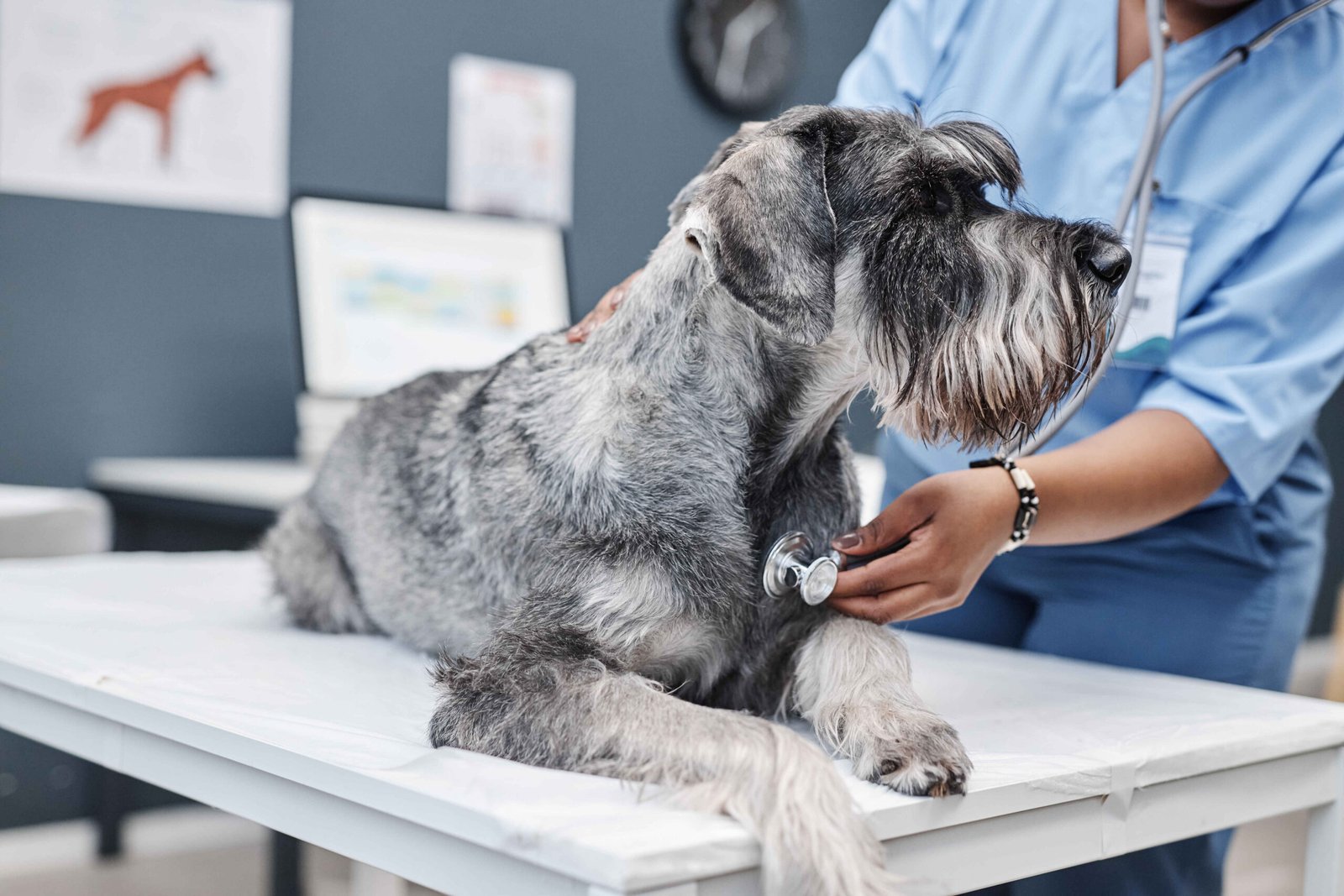
When money gets tight, some owners attempt to cut costs by skipping their dog’s annual veterinary check-up. This is a massive mistake. As heavily advocated by VCA Animal Hospitals and outlined in our dog health guidelines, skipping routine exams will almost certainly cost you much more money in the long run.
The High Cost of Waiting
Routine check-ups allow vets to conduct comprehensive physical examinations—assessing heart rate, respiratory function, weight, and dental health—to catch minor medical problems before they spiral into major, expensive health crises. For example, a vet might notice a minor ear infection and prescribe a cheap bottle of drops. If you wait, that infection could spread deep into the ear canal, resulting in an expensive emergency room visit.
Stay on Track with Vaccinations
Vaccinations play a fundamental role in safeguarding dogs against highly infectious diseases. Core vaccines protect against severe diseases such as rabies, distemper, and parvovirus, while non-core vaccines (like Bordetella) depend on your dog’s environment. According to the American Veterinary Medical Association (AVMA), maintaining a proper immunization schedule is a proactive measure that saves you from catastrophic emergency vet bills later.
Find Low-Cost Clinics
If standard vet clinics fall outside your budget, look for low-cost, community-based options. Local animal shelters, humane societies, and rescue groups frequently host pop-up health clinics. Licensed veterinarians will administer core vaccinations, insert microchips, and perform spay or neuter surgeries at drastically reduced costs.
2. Master At-Home Dog Dental Care

Many owners ignore their pet’s teeth until the dog’s breath smells terrible, which usually indicates advanced periodontal disease. Treating severe dental disease takes a huge toll on your wallet.
Avoid Expensive Vet Cleanings
To perform a thorough, safe dental cleaning, a veterinarian must put your dog under general anesthesia. The cost of the anesthesia, monitoring equipment, bloodwork, and the cleaning routinely runs between $300 and $800. If the vet needs to pull rotten teeth, the bill climbs even higher.
Brushing Your Dog’s Teeth
Buy a soft-bristled dog toothbrush and a tube of dog-safe toothpaste. Never use human toothpaste, as ingredients like xylitol are highly toxic to dogs. Brushing your dog’s teeth gently three times a week physically removes sticky plaque before it hardens into permanent tartar. For extra protection, look for dental chews and water additives officially accepted by the Veterinary Oral Health Council (VOHC).
3. Buying Dog Food: Essential Affordable Dog Care Tips

Food represents your biggest ongoing expense as a dog owner. While it feels tempting to buy the cheapest bag of generic kibble, this strategy often backfires. For a deeper understanding of proper ingredients, review our dog nutrition topics.
Never Compromise on Nutrition
Cheap dog food brands use low-quality fillers that provide very little nutritional value and frequently trigger severe skin allergies or stomach issues. You might save a few dollars on the bag, but you will spend far more at the vet trying to cure your dog’s itchy skin. The American Animal Hospital Association (AAHA) also emphasizes that choosing the right food depends on their current life stage—growing puppies require different nutrients than senior dogs. Quality nutrition, alongside constant access to fresh hydration, acts as preventative medicine.
The Power of Buying in Bulk
Buying the biggest bag of kibble available drastically lowers the cost per ounce. When you buy a large bag, immediately pour the food into an airtight, locking plastic bin to keep it fresh for months and prevent pests. Also, consider subscribing to online delivery programs to save an extra percentage on every order.
4. Learn DIY Dog Grooming Techniques
Depending on your dog’s breed, professional grooming expenses can easily destroy your monthly budget. By implementing DIY affordable dog care tips, you can save a significant amount of money each year. For a full breakdown of the process, read our dog grooming tips.
Basic Bathing and Brushing
Different breeds have highly specific grooming requirements. Dogs with long fur require frequent brushing to prevent painful matting, while short-haired breeds need occasional brushing to reduce shedding. Buy a high-quality dog shampoo designed for their specific coat type and invest in a good slicker brush. Regular maintenance saves you from paying a professional groomer to shave your dog down.
Trimming Nails Safely
Paying someone else to clip your dog’s nails is an unnecessary expense. Buy a sharp pair of dog nail clippers and a small container of styptic powder. Trim just a tiny bit off the tip of the nail every two weeks to prevent painful overgrowth and potential joint injury. The styptic powder will instantly stop any bleeding if you accidentally cut the nail too short.
5. Keep Your Dog Active for Free
Ensuring your dog remains active is crucial for their physical health and mental well-being, and best of all, it costs absolutely nothing. Regular exercise prevents obesity, enhances cardiovascular health, and promotes better digestion.
Dogs that do not receive adequate exercise are highly prone to excessive weight gain, which often leads to serious, expensive medical conditions such as diabetes and severe arthritis. Dedicating time each day for a daily walk, engaging in fetch, or setting up DIY agility courses perfectly meets their physical needs while fostering an unbreakable bond between you and your dog.
6. Handle Preventative Treatments Yourself
Every dog needs regular protection against common parasites. Fleas, ticks, and heartworms carry dangerous diseases that cost a fortune to treat. To learn more about maintaining a healthy schedule, check out our comprehensive dog care guide.
Ask for a Written Prescription
Buying preventative medicines directly from your local vet clinic usually means paying a high markup price. Instead, ask your veterinarian to write a physical paper prescription for their flea, tick, and heartworm medication during their annual check-up.
Shop Online Pharmacies
Take that prescription to a certified online pet pharmacy. These massive online stores buy medication in bulk, allowing them to sell the exact same name-brand treatments for significantly less money. This simple bit of research will save you hundreds of dollars.
7. Get Creative with Mental Health and Bedding

Mental health is a frequently overlooked aspect of dog care. Veterinary experts at PetMD note that a lack of engagement can quickly lead to boredom, anxiety, and severe behavioral issues like destructive chewing. Fortunately, dogs do not care about fancy brands or high price tags.
Repurpose Household Items for Enrichment
Stop buying expensive toys that your dog will destroy in five minutes. Take a few old, ripped t-shirts, cut them into long strips, and braid them tightly together to create a durable tug-of-war rope. You can also create homemade puzzles using old towels or cardboard boxes to promote cognitive stimulation. Additionally, free playdates and socialization expand your dog’s comfort zone and reduce anxiety without costing a dime.
Affordable Bedding Options
Instead of buying a pricey designer dog bed, visit a local thrift store. You can often find thick, comfortable baby crib mattresses for just a few dollars. Just wrap it in a cheap, washable fitted sheet, and your large dog will have a supportive, durable bed.
8. Adjusting to Seasonal Care
As the seasons change, so do the unique care needs of your dog. During the winter, you must be aware of the dangers posed by extreme cold and icy conditions. Limit their outdoor time in frigid weather and ensure they have a warm, insulated place to sleep.
In contrast, high temperatures and humidity in the summer can easily lead to fatal heatstroke, particularly in breeds with thick double coats. It is vital to provide ample shade, fresh water, and curtail outdoor walks during the hottest part of the day.
Conclusion
Raising a healthy, happy dog requires a serious dedication, but it does not have to drain your savings account. By applying these smart, affordable dog care tips, you can cut your expenses drastically without compromising on quality. Remember that taking a proactive approach is the secret to success. Prioritizing preventative vet visits, mastering at-home grooming, keeping them active, and buying food in bulk will protect your dog’s holistic health and your wallet simultaneously. With a little bit of extra effort, you can confidently enjoy a long, fulfilling life with your canine best friend on any budget.
Frequently Asked Questions (FAQ)
How can I save money on my dog’s vaccinations and vet visits?
Look for low-cost community clinics, mobile veterinary services, or local animal shelters. Many of these organizations host affordable pop-up stations inside large pet supply stores on the weekends, offering discounted vaccine packages and basic wellness exams that are significantly cheaper than traditional private practices.
Can I feed my dog homemade food to save money?
Generally, no. High-quality commercial kibble is usually the most cost-effective way to ensure your dog receives a scientifically balanced diet. Homemade diets require specific, often expensive, supplements to prevent nutritional deficiencies. A simple diet of boiled chicken and rice lacks essential vitamins and will lead to severe malnutrition and costly vet bills. Always consult a veterinary nutritionist if you want to cook for your dog.
Is pet insurance really worth the monthly cost?
Pet insurance can save you thousands if your dog suffers a catastrophic injury or develops a chronic illness. If you have a breed prone to expensive health issues, insurance is highly recommended. Otherwise, setting up your own dedicated pet emergency savings account might be a more affordable alternative.
What are some free or cheap ways to mentally stimulate my dog?
You don’t need to buy expensive puzzle toys to keep your dog’s brain active. You can create DIY enrichment games by hiding treats in rolled-up old towels, using empty cardboard boxes for scent games, tossing an empty plastic water bottle inside an old sock for a crinkly toy, or simply dedicating 10 minutes a day to teaching them a new trick.
How often should I groom my dog at home to avoid professional fees?
This depends heavily on the coat type. Short-haired dogs only need a bath every few months and a quick weekly brushing. Dogs with thick double coats need brushing three times a week. Dogs with continuously growing hair must be brushed daily to prevent painful mats from forming. Consistent brushing prevents severe matting and skin issues, which are the most common reasons owners are forced to pay for expensive professional grooming interventions.
References & Further Reading
- American Pet Products Association (APPA): Pet Industry Market Size, Trends & Ownership Statistics
- American Veterinary Medical Association (AVMA): Importance of Preventative Healthcare & Pet Owner Resources
- ASPCA: General Pet Care
- Veterinary Oral Health Council (VOHC): Accepted Products for Dogs
- PetMD: Pet Health & Wellness
- VCA Animal Hospitals: Preventive Care for Pets
- American Animal Hospital Association (AAHA): Pet Care Guidelines