
Why is my dog losing weight? Unexpected weight loss can happen for many reasons, from dental problems and parasites to digestive disease, diabetes, or other chronic conditions. The clue isn’t always how much your dog eats. Some dogs lose weight despite a normal or increased appetite because their bodies cannot properly digest, absorb, or use nutrients.
The important question is not simply how much weight your dog has lost, but how quickly the loss is happening and what other changes are occurring at the same time.
Unexpected weight loss is not something to automatically dismiss as a normal part of aging or a temporary phase. This guide will help you understand the potential causes of unexplained weight loss in dogs, how different symptom patterns point toward different issues, when you need to contact a veterinarian, and how the diagnostic process works.
Quick Answer
Unexplained weight loss occurs when a dog loses body mass without a deliberate reduction in calories. The causes are vast, ranging from simple dental pain or parasites to complex metabolic conditions like diabetes, kidney disease, or malabsorption disorders. Veterinary testing is essential because weight loss is a symptom, not a diagnosis.
What Counts as Unexplained Weight Loss in a Dog?
Before investigating causes, it is important to differentiate between intentional and unintentional weight loss.
- Intentional weight loss: A veterinarian has prescribed a controlled diet and exercise plan for an overweight dog.
- Unintentional (unexplained) weight loss: The dog is losing weight despite no deliberate reduction in their daily calorie intake.
Visible Body Changes vs. Scale Changes
You might not weigh your dog regularly, but you can assess their healthy body condition and weight management by sight and touch. Unexplained weight loss often presents as:
- Ribs becoming more prominent or easily felt without a layer of fat.
- A visible spine or prominent hip bones.
- Muscle loss, particularly over the hind legs or along the back (loss of topline).
- A thinner face or sunken temples.
- A collar or harness that suddenly fits much more loosely.
How Fast Is Too Fast?
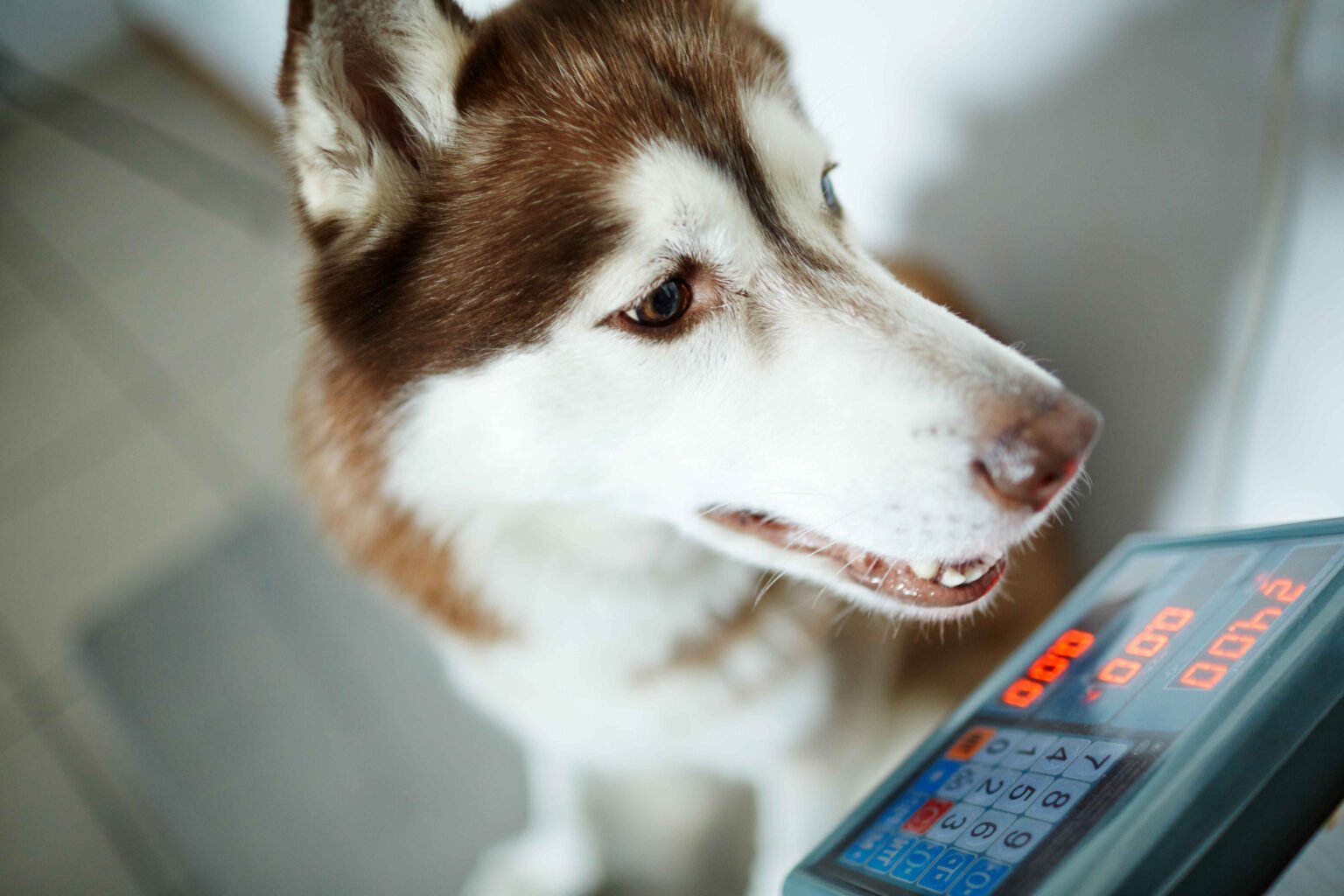
There isn’t one universal rate of weight loss that applies to every dog. The speed at which weight loss becomes concerning depends on the total amount of weight lost, the dog’s starting body condition, age, breed, and whether the loss is accompanied by other symptoms. As a general veterinary benchmark, losing more than about 10% of normal body weight is considered clinically significant, but the speed of loss and the dog’s other symptoms also matter. Rapid or ongoing unintentional weight loss is generally more concerning than a minor, temporary fluctuation and warrants a veterinary exam.
Why Is My Dog Losing Weight But Still Eating?
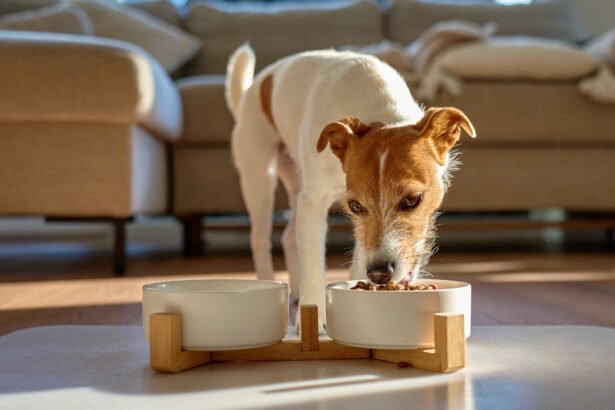
One of the most perplexing situations for an owner is wondering, why is my dog losing weight but still eating? A normal or even increased appetite does not guarantee that your dog is actually absorbing or utilizing the nutrients in their food. A dog can appear to eat normally while still taking in fewer calories than they need because of changes in appetite, food type, meal portions, competition with other pets, or difficulty chewing.
Your Dog Isn’t Absorbing Nutrients Properly
Even if food reaches the stomach, the intestines may be unable to absorb the nutrients into the bloodstream. This is known as malabsorption. Conditions like inflammatory bowel disease (IBD), severe intestinal inflammation, intestinal lymphangiectasia, or some parasites can prevent the body from extracting calories from food.
Your Dog Can’t Digest Food Properly
In Exocrine Pancreatic Insufficiency (EPI), insufficient digestive enzymes impair the breakdown and absorption of nutrients. Dogs may lose weight despite a normal or increased appetite and often develop chronic, bulky stools. According to the Merck Veterinary Manual, dogs with EPI typically present with this specific symptom pattern.
Metabolic or Endocrine Disease
Some diseases alter how the body uses glucose, fat, and protein, so the body begins using stored energy and muscle tissue even when the dog is eating normally or more than usual.
What Causes Unexplained Weight Loss in Dogs?
When asking what causes unexplained weight loss in dogs, it is helpful to group the causes into broader medical categories rather than reading a single, terrifying list.
Not Eating Enough
Sometimes the dog is simply consuming fewer calories, even if they seem interested in their bowl. This can be due to dental pain (making chewing painful), difficulty swallowing, nausea, stress, or a generalized poor appetite due to underlying illness.
Parasites
Some intestinal parasites can contribute to weight loss by causing diarrhea, intestinal inflammation, blood loss, or impaired nutrient absorption. Common parasites include roundworms, hookworms, tapeworms, and Giardia. Risk varies heavily with age, lifestyle, and exposure.
Digestive and Intestinal Disease
Chronic conditions affecting the stomach and intestines lead to weight loss through chronic diarrhea, chronic vomiting, or malabsorption. This includes IBD, severe gastroenteritis, and gastrointestinal cancers.
Exocrine Pancreatic Insufficiency (EPI)
As mentioned, EPI occurs when the pancreas fails to produce sufficient digestive enzymes, leading to weight loss despite food intake.
Diabetes Mellitus
Diabetes is a major metabolic cause of weight loss. When a dog lacks sufficient insulin, their body cannot effectively use glucose (sugar) from the blood for energy. The body compensates by breaking down fat and muscle. Dogs with diabetes commonly develop a classic combination of symptoms: increased thirst, increased urination, increased appetite, and weight loss. You can learn more about the early signs of diabetes in dogs in our detailed guide.
Kidney Disease
Chronic kidney disease can lead to weight loss, often accompanied by increased thirst, increased urination, decreased appetite, and intermittent vomiting. PetMD lists kidney disease alongside many other common medical causes of weight loss.
Liver Disease
The liver is essential for metabolism and digestion. Liver disease can cause profound weight loss, poor appetite, vomiting, and sometimes jaundice (yellowing of the gums/eyes).
Cancer
While cancer is a possibility, especially in senior dogs, it is only one of many potential causes. Tumors can alter metabolism, affect nutrient absorption, or physically interfere with digestion. Weight loss alone cannot identify cancer.
Dental Disease
Often overlooked, severe periodontal disease, cracked teeth, or oral tumors can make eating so agonizing that a dog simply eats less, leading to gradual weight loss.
Heart and Other Systemic Diseases
Chronic heart disease and other systemic illnesses can contribute to weight loss through reduced appetite, increased energy demands, or changes in metabolism. Other endocrine disorders, including Addison’s disease, can also contribute to weight loss.
Stress and Environmental Changes
Moving to a new home, the addition of a new pet, or severe anxiety can suppress a dog’s appetite. However, persistent, unexplained weight loss should never be simply blamed on stress without a veterinary exam.
Why Is My Dog Losing Weight and Eating More Than Usual?
This is an important diagnostic clue. The combination of weight loss and an increased appetite means the dog’s body is essentially starving despite eating. This typically occurs because the dog cannot extract nutrients from the gut (like with EPI or heavy parasite loads), or because a metabolic condition (like diabetes) prevents the body from utilizing the calories circulating in the bloodstream.
Why Is My Dog Losing Weight but Not Eating?
Conversely, the combination of weight loss and a decreased appetite generally points toward illness or pain that makes the dog feel too sick or hurt to eat. This can include severe dental or oral pain, nausea from kidney or liver disease, severe gastrointestinal illness, systemic infections, or high levels of stress.
Why Is My Older Dog Losing Weight?
It is common to ask why a senior dog is getting thinner. While aging does naturally alter body composition, significant weight loss should not automatically be dismissed as “just old age.”
Older dogs are at a much higher risk for chronic conditions like kidney disease, advanced dental disease, endocrine disorders (like diabetes), and cancer. A senior dog can also lose muscle rather than large amounts of total body weight. Changes in the hind legs, shoulders, spine, or topline can therefore be worth discussing with a veterinarian even when the scale has not changed dramatically.
What Does Muscle Loss in the Hind Legs Mean?
Muscle loss in the hind legs can have several causes, including reduced activity, painful orthopedic disease, age-related muscle loss, and neurological conditions. A veterinarian can help determine whether the change is primarily muscular, orthopedic, neurological, or part of a broader illness.
- Sarcopenia: Age-related muscle wasting.
- Reduced Activity: Disuse atrophy due to painful arthritis or joint disease.
- Neurological Disease: Conditions affecting the spine that disrupt nerve signals to the hind muscles.
- Orthopedic Disease: Conditions causing the dog to favor the front legs.
When to Worry About a Dog Losing Weight
Any unexplained, ongoing weight loss deserves veterinary attention. The American Kennel Club advises contacting a veterinarian for sudden weight loss, noting that context—such as the speed of loss, age, and accompanying symptoms, is crucial.
Contact Your Veterinarian Promptly If:
- Weight continues to fall steadily.
- Appetite changes (increases or decreases).
- Thirst or urination significantly increases.
- Vomiting or diarrhea persists.
- Energy heavily decreases.
- The coat becomes dull, dry, or patchy.
- Your dog shows difficulty chewing or drops food.
Seek Urgent/Emergency Care If You Observe:
- Collapse or severe weakness.
- Difficulty breathing.
- Repeated, severe vomiting.
- Significant bleeding or pale gums.
- Severe abdominal pain or a visibly swollen/distended abdomen.
- Suspected toxin or foreign body ingestion.
- An inability to keep any water down.
- Repeated straining to urinate, producing little or no urine. (This is particularly important in male dogs; difficulty passing urine can be a life-threatening emergency, easily confused with constipation).
How Vets Find Out Why a Dog Is Losing Weight
Because weight loss is a symptom with dozens of possible causes, veterinarians rely on a structured diagnostic pathway.
History
Your vet will ask detailed questions about the timeline of the weight loss, appetite, water intake, urination, stool quality, and any recent diet changes or missed parasite preventatives.
Physical Examination
The vet will assess body condition, muscle mass, teeth, gums, lymph nodes, heart, lungs, and abdomen. The veterinarian may also assess body condition and muscle condition to determine whether the dog is losing fat, muscle, or both.
Fecal Testing
Analyzing a stool sample is a basic but vital step to check for intestinal parasites and signs of gastrointestinal disease.
Blood Tests
A Complete Blood Count (CBC) and biochemistry panel assess overall health, checking glucose levels (for diabetes), liver values, kidney markers, and signs of infection or anemia.
Urinalysis
Testing the urine is crucial, especially when diabetes or kidney disease is suspected.
Imaging
X-rays or an abdominal ultrasound may be recommended to look for tumors, organ enlargement, or intestinal abnormalities.
Advanced Tests
Depending on the initial findings, the vet may run specific tests, such as endocrine testing, a cTLI test (specifically for EPI), cobalamin/folate levels to check for malabsorption, or recommend an endoscopy/biopsy for chronic GI disease.
How Do I Get My Dog’s Weight Back Up?
If you are wondering how do I get my dog’s weight back up, the most critical rule is: The best way to restore weight depends entirely on why the weight was lost.
Don’t Simply Double the Food
Aggressively increasing a dog’s food intake before understanding the underlying cause can be dangerous. Overfeeding a dog with a compromised digestive system or certain metabolic conditions can trigger severe diarrhea or a medical crisis.
Treat the Underlying Cause
Weight gain usually follows successful medical management. This might mean initiating parasite treatment, extracting a painful tooth, starting insulin therapy for diabetes, or providing prescription pancreatic enzymes for EPI.
Feeding Strategies
Once your vet has a diagnosis, they will recommend a safe feeding strategy. Depending on the diagnosis, your veterinarian may recommend smaller, more frequent meals, a highly digestible diet, or a therapeutic diet.
Can I Give My Dog Human Food to Help Them Gain Weight?
It is tempting to offer a skinny dog high-calorie human foods like cheese, bacon, or butter. However, high-calorie human foods are not automatically appropriate. They provide unbalanced nutrition, and high-fat foods can cause significant gastrointestinal upset and may increase the risk of pancreatitis in susceptible dogs. Always direct nutritional questions to your veterinarian rather than relying on human table scraps.
What to Record Before Your Vet Appointment
Providing accurate information helps your vet narrow down the diagnosis much faster. Bring a fresh stool sample if your veterinarian recommends one, and take photos of unusual stool or vomit when practical. Consider tracking these details for a few days before your appointment:
- Diet details: Current food brand/type, approximate daily amount, and any treats or table scraps.
- Extras: All current supplements and medications.
- GI events: Exactly how often vomiting or diarrhea occurs.
| What to Track | Why It Matters |
|---|---|
| Body weight | Shows the exact rate of change over time. |
| Appetite | Helps distinguish between metabolic/absorptive issues and illness/pain. |
| Water intake | Highly relevant to diabetes, kidney disease, and other endocrine disorders. |
| Urination | An important metabolic clue, often linked to water intake. |
| Stool quality | Provides vital gastrointestinal, parasitic, and pancreatic clues. |
| Vomiting | Helps assess the severity of digestive or systemic disease. |
| Energy levels | Indicates the degree of overall systemic illness. |
Dog Weight Loss Patterns: What They May Mean
This table offers a quick reference for how different symptom combinations point toward different categories of disease.
Important: These patterns can have multiple causes and cannot be used to diagnose a condition. Your dog requires a veterinary exam.
| Weight Loss Pattern | Possible Causes |
|---|---|
| Losing weight + eating more | Diabetes, EPI, malabsorption, parasites, or other metabolic conditions. |
| Losing weight + eating less | Dental disease, GI illness, pain, systemic disease (liver/kidney), or stress. |
| Losing weight + diarrhea | GI disease (like IBD), parasites, EPI, or malabsorption syndromes. |
| Losing weight + vomiting | GI disease, systemic organ disease (kidney/liver), or partial obstruction. |
| Losing weight + drinking/urinating more | Diabetes, kidney disease, or other metabolic/endocrine disorders. |
| Losing weight + hind-limb muscle loss | Aging (sarcopenia), reduced activity, chronic osteoarthritis, or neurologic disease. |
| Rapid, sudden weight loss | Needs prompt veterinary assessment. |
Why Is My Puppy Losing Weight?
Weight loss in a puppy deserves prompt veterinary attention because puppies have smaller reserves and can deteriorate faster than adult dogs. Puppies also have higher nutritional demands during growth, so inadequate calories or an inappropriate diet can contribute to poor weight gain even when they appear otherwise well. Potential causes include heavy parasite loads, congenital diseases, digestive problems, or severe viral infections. A growing puppy should steadily gain weight, so any loss is a red flag.
Frequently Asked Questions
Why is my dog losing weight but still eating?
A normal appetite does not guarantee that your dog is properly absorbing nutrients. Conditions like Exocrine Pancreatic Insufficiency (EPI), inflammatory bowel disease, heavy parasite loads, or diabetes can cause a dog to lose weight despite eating normal amounts of food.
Why is my dog losing weight and eating more?
This often points to metabolic or absorptive problems. The body is either failing to extract nutrients from the gut (like with EPI) or is unable to utilize the calories in the bloodstream effectively (like with diabetes), leading the dog to eat ravenously while losing weight.
What causes unexplained weight loss in dogs?
Unexplained weight loss can stem from reduced calorie intake, nutrient loss (from chronic diarrhea or parasites), failure to absorb food (intestinal disease), or the body burning excess energy due to metabolic diseases, organ failure, or cancer.
When should I worry about my dog losing weight?
Any persistent, unexplained weight loss warrants a veterinary visit. You should be especially concerned and seek prompt care if the weight loss is rapid, or if it is accompanied by increased thirst, vomiting, diarrhea, severe lethargy, or noticeable muscle wasting.
Why is my older dog losing weight?
While some muscle loss occurs naturally with age, significant weight loss in senior dogs is often a sign of chronic illness, such as kidney disease, advanced dental decay, diabetes, or cancer. Never dismiss substantial weight loss simply as “old age.”
How do I get my dog’s weight back up?
The safest way to restore weight is to treat the underlying medical cause. Do not simply double their food or offer high-fat human table scraps. Work with your veterinarian to establish a safe, highly digestible feeding plan based on their specific diagnosis.
Can worms cause weight loss in dogs?
Yes. Heavy infestations of intestinal parasites, such as roundworms, hookworms, or tapeworms, can contribute to weight loss by causing diarrhea, intestinal inflammation, blood loss, or impaired nutrient absorption.
Can diabetes cause weight loss in dogs?
Yes. Diabetes mellitus is a major cause of weight loss. Without sufficient insulin, a dog’s body cannot use the glucose in its blood for energy effectively. To compensate, the body breaks down fat and muscle tissue, leading to weight loss despite an increased appetite.
References & Further Reading
- VCA Animal Hospitals: Abnormal Weight Loss in Dogs
- Merck Veterinary Manual: Exocrine Pancreatic Insufficiency in Dogs and Cats
- Merck Veterinary Manual: Malabsorption Syndromes in Small Animals
- Merck Veterinary Manual: Disorders of the Stomach and Intestines in Dogs
- Cornell University College of Veterinary Medicine: Obesity and Weight Loss in Dogs
- American Kennel Club: When Should I Call the Vet?
- PetMD: Is Your Dog Losing Weight? Common Causes and When It’s Time for a Vet Visit