
It seems to happen in the blink of an eye. One day, your feline companion is a boundless ball of kitten energy, scaling curtains and fiercely hunting laser pointers. The next, they prefer napping in a warm sunbeam over chasing their favorite toy. Aging is a natural, beautiful process, but it requires a fundamental shift in our daily care routines.
If you are wondering exactly how to keep a senior cat healthy and comfortable, you are taking the most important step in ensuring their golden years are truly their best years.
Unlike humans, who are quick to vocalize complaints about stiff joints, cats are biologically hardwired to hide their pain. In the wild, showing weakness makes a feline vulnerable. In your living room, this evolutionary instinct means that underlying illnesses or chronic arthritis pain often go completely unnoticed. When owners observe an older cat becoming withdrawn, irritable, or less active, it is rarely just “old age”—it is often a silent request for environmental or medical support.
By adapting to their changing physical needs, you can dramatically improve their quality of life. Based on current veterinary guidelines, we have compiled 10 essential care tips to help you support your feline friend as they age gracefully.
Quick Summary
Knowing how to keep a senior cat healthy requires looking beyond just food and veterinary visits. Proactive care involves managing their hydration, maintaining their dental health, monitoring muscle loss, modifying your home for arthritic joints, reducing stress, and engaging them in low-impact mental enrichment.
When Is a Cat Considered a Senior?
Before diving into specific care strategies, it is helpful to understand the feline aging timeline. Advances in veterinary medicine and high-quality indoor diets mean cats are living longer than ever before—often into their late teens or early twenties.
Most veterinary guidelines, including those from the American Association of Feline Practitioners (AAFP), consider cats over 10 years old to be “senior.” However, some cats may benefit from senior-focused care earlier (around 7 or 8 years old) depending on their individual health, breed, and lifestyle. The term “geriatric” is often used for cats over 15, describing a health status where age-related changes become significantly more pronounced.
10 Ways to Keep a Senior Cat Healthy
1. Feed for Their Individual Nutritional Needs
There is no single “best” diet for every senior cat. As cats age, their ability to digest and absorb protein and fat frequently changes. Some older cats become overweight due to decreased activity, while others struggle to maintain healthy body mass. Depending on your cat’s specific health, your veterinarian may recommend adjusting their protein levels, increasing moisture, or switching to a therapeutic diet tailored for kidney or joint support. Complete and balanced nutrition is critical, regardless of whether you feed wet or dry food.
2. Make Hydration Easier
Older felines are notoriously bad at drinking enough water from a bowl, making them highly prone to constipation and kidney issues. Increasing water intake is vital for flushing toxins out of aging kidneys.
- Wet Food: Because canned food is approximately 70% to 80% water, it acts as a passive hydration tool.
- Water Fountains: The bubbling sound of a pet fountain naturally attracts cats to drink more frequently.
- Multiple Stations: An arthritic cat may not want to walk all the way downstairs for a sip of water. Ensure fresh water sources are easily accessible on every level of your home.
3. Prioritize Dental Health
Dental disease is extremely common in older cats, yet frequently overlooked. According to the Cornell Feline Health Center, painful dental issues can significantly interfere with eating and overall quality of life. Watch for bad breath, drooling, dropping food, or a sudden reluctance to eat hard kibble. Regular veterinary dental examinations are crucial, as untreated periodontal disease can introduce bacteria into the bloodstream, straining the aging heart and kidneys.
4. Monitor Weight and Muscle Loss
A healthy senior cat isn’t simply about avoiding obesity. Unintended weight loss or muscle wasting over the back legs and spine are common issues in geriatric felines. Monitor your cat’s body condition closely. If you can suddenly feel their spine or hips prominently, or if they have an increasing appetite alongside rapid weight loss, contact your vet immediately—this combination is a classic hallmark of hyperthyroidism or diabetes.
5. Make Your Home Senior-Cat Friendly
If your once-agile cat is suddenly hesitating before jumping onto the couch, they are highly likely suffering from osteoarthritis. Joint degradation is incredibly common in senior felines. You must rethink how your cat navigates vertical spaces. Place soft, carpeted pet stairs or gently sloping ramps near their favorite elevated resting spots to remove the painful impact of jumping.
6. Make Litter Boxes Easy to Access
Stepping over a high-walled litter box can be agonizing for a cat with arthritic hips, frequently leading to inappropriate elimination outside the box. To solve this, swap their current box for a large tray with a very low, easy-entry opening. Ensure there is an accessible litter box on every floor of your home so they don’t have to navigate stairs when nature calls.
7. Help With Grooming and Nail Care
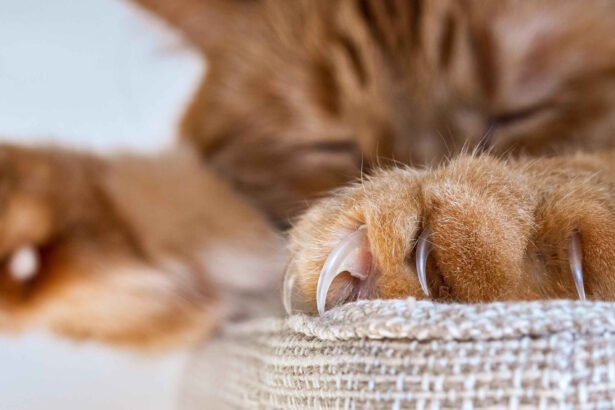
As arthritis sets in and flexibility decreases, older cats often become less effective at grooming themselves, particularly along their lower back and hindquarters. Help them by gently brushing them regularly to prevent painful mats and check for lumps or skin issues. Additionally, an older cat’s claws can become thick, brittle, and overgrown because they don’t use scratching posts as vigorously. Trim their nails regularly to prevent them from curling into the paw pads.
8. Keep Your Senior Cat Comfortable and Active
Mental stimulation is just as important as physical health. A bored senior cat is prone to anxiety and cognitive decline. While they may not sprint after a laser pointer, you can keep an older cat active and engaged through low-impact play.
- Wand Toys on the Floor: Drag a feather wand slowly across the floor right in front of them so they can bat it without standing up.
- Puzzle Feeders: Engage their brain by placing kibble inside a simple puzzle feeder or snuffle mat.
- Heated Beds: Aging cats have less muscle mass and struggle to regulate their body heat. A safe, low-voltage orthopedic heated pet bed will soothe aching joints and keep them cozy.
9. Reduce Stress and Support Cognitive Health
Older cats are much more sensitive to environmental stress. Keep your senior cat’s environment calm and predictable. Avoid unnecessary household changes, keep their food and litter in consistent locations, and avoid suddenly introducing a new, hyperactive pet without careful consideration.
As vision and hearing decline, night lights can help them navigate dark hallways safely. Be aware of Feline Cognitive Dysfunction (similar to human dementia), which can cause confusion, nighttime vocalization, and altered sleep-wake cycles.
10. Schedule Regular Veterinary Checkups
Preventative medicine is your strongest tool in senior cat care. Because cats age much more rapidly than humans, a lot can change internally in just six months. Veterinarians generally recommend transitioning from annual to twice-yearly exams once a cat turns 10. Routine senior bloodwork, blood pressure checks, and urinalysis panels are absolutely vital for catching “silent killers” like kidney disease before visible symptoms appear.
How to Tell If Your Senior Cat Is in Pain
Chronic pain is common in senior cats and often manifests through subtle behavioral changes. These changes should not automatically be dismissed as “normal aging.” Watch closely for:
- Hesitating before jumping, or jumping significantly less
- Sleeping in different, lower, or unusually isolated locations
- Avoiding stairs or moving stiffly
- Difficulty entering the litter box (or missing it entirely)
- Reduced grooming, resulting in a dull or matted coat
- Irritability or aggression when touched or brushed
- Hiding or withdrawing from family interactions
- Decreased overall activity
Signs Your Senior Cat May Be Sick, Not “Just Old”
Because felines hide illness expertly, do not wait for their scheduled checkup if you notice any of the following warning signs:
- Increased Thirst and Urination: Often indicates kidney disease or diabetes.
- Sudden Weight Loss with a Ravenous Appetite: A classic sign of hyperthyroidism.
- Continuous Hiding: A strong indicator of pain or severe illness.
- Vocalizing at Night: Can signal pain, high blood pressure, hearing loss, or cognitive dysfunction.
- Persistent Vomiting or Diarrhea: Never normal; requires veterinary diagnosis.
Frequently Asked Questions (FAQ)
How often should I take my senior cat to the vet?
Once a cat reaches their senior years (typically over 10 years old), veterinarians highly recommend scheduling wellness exams every six months. Bi-annual bloodwork and urinalysis are critical for catching age-related conditions like kidney disease and hyperthyroidism early.
What should a senior cat eat?
A senior cat should eat a complete, balanced diet tailored to their specific health needs. There is no one-size-fits-all answer. Your vet may recommend increasing moisture with wet food, adjusting protein levels, or prescribing a therapeutic diet if kidney or joint issues are present.
How can I get my senior cat to drink more water?
Getting your senior cat to drink more water is vital. Transitioning to wet canned food (which is up to 80% moisture) is highly effective. You can also add a tablespoon of unseasoned, pet-safe broth to meals, use a flowing cat water fountain, and place multiple water bowls around the house.
How can I tell if my senior cat is in pain?
Cats hide pain well. Look for subtle signs: hesitating to jump onto furniture, avoiding stairs, eliminating outside the litter box, a sudden lack of grooming, hiding, or flinching/growling when touched in certain areas.
Why is my senior cat losing weight?
Unintended weight loss is a serious medical red flag, not a normal part of aging. It can indicate hyperthyroidism, kidney disease, dental pain, diabetes, or gastrointestinal issues. Any noticeable weight loss warrants an immediate veterinary exam.
Why is my senior cat sleeping so much?
While it is normal for aging cats to sleep more as their energy levels decrease, excessive sleeping accompanied by hiding, loss of appetite, or an unkempt coat may indicate pain or illness.
How can I make my home easier for an older cat?
Provide carpeted ramps or steps to their favorite resting spots, use low-sided litter boxes on every floor, keep food and water easily accessible without climbing stairs, provide a heated orthopedic bed, and use nightlights to help them navigate in the dark.
Do senior cats need joint supplements?
Many senior cats benefit from joint supplements (like glucosamine/chondroitin or Omega-3 fatty acids from fish oil) to support mobility and manage osteoarthritis. However, you should always discuss supplements with your veterinarian before adding them to your cat’s diet to ensure safety and proper dosing.