
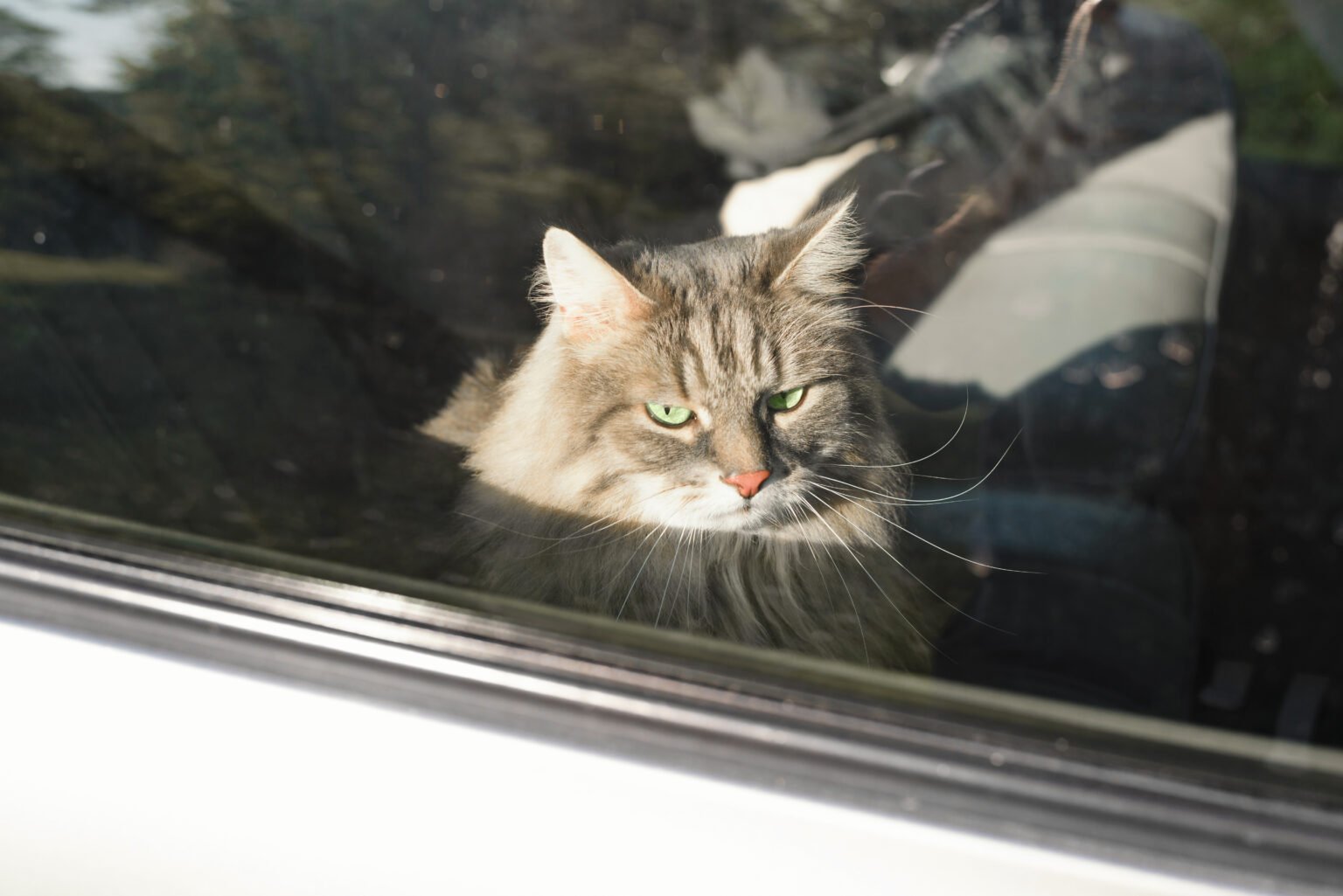
Cat motion sickness is more common than most owners realize, especially during car travel. If your cat drools, cries, or vomits during trips, they may be experiencing severe motion sickness caused by an inner ear imbalance or intense travel anxiety. Watching your feline friend suffer in their carrier is incredibly stressful, but the good news is that it is highly treatable.
Most cats can overcome motion sickness with proper training and preparation, medication is only needed in severe cases. Whether you are driving five minutes to the vet or taking a cross-country road trip, understanding how to manage cat travel nausea makes the journey vastly easier for both of you.
If your cat gets sick during travel, read our full guide on how to travel with a cat safely. In this article, we will focus specifically on how to identify, prevent, and treat feline car sickness.
How to Stop Motion Sickness in Cats (Quick Answer)
If you need to know how to stop cat car sickness quickly, follow this proven checklist:
- Use a secure carrier: Limit their movement to reduce sensory confusion.
- Avoid feeding before travel: Withhold food for 2 to 4 hours prior to a trip.
- Keep the car cool and quiet: Crack a window and keep the radio volume low.
- Use pheromones: Spray synthetic calming pheromones (like Feliway) in the carrier.
- Try gradual training: Take short, positive 5-minute drives before a long trip.
- Ask a vet for medication: Get a prescription anti-nausea medication for severe cases.
What Is Cat Motion Sickness?
At its core, cat motion sickness is caused by a sensory mismatch. When a cat is placed inside a moving vehicle, their eyes tell their brain that they are sitting still inside a box (the carrier). However, the fluid in their inner ear, which controls balance, tells their brain that they are moving, turning, and bouncing.
This massive disconnect between what the eyes see and what the inner ear feels triggers the nausea center in the brain. It is particularly common in kittens because their inner ear structures are still underdeveloped. While many kittens naturally outgrow it by the time they reach one year of age, adult cats can continue to suffer, especially if their nausea becomes deeply linked to cat anxiety.
Symptoms of Motion Sickness in Cats
Unlike humans, cats rarely vocalize that their stomach is upset until it is too late. Knowing the early cat motion sickness symptoms allows you to pull over and give your cat a break before they vomit.
- Drooling: Heavy, excessive hypersalivation is the #1 early warning sign of nausea.
- Lip licking: Constantly smacking their lips or swallowing heavily.
- Crying: Loud, persistent yowling or distressed meowing from the carrier.
- Trembling: Visibly shaking or shivering despite the car being warm.
- Lethargy: Uncharacteristic sluggishness, hiding their face, or looking “depressed.”
- Vomiting: Retching or throwing up food and bile.
Why Do Cats Get Motion Sickness?
If you are wondering why do cats get motion sickness, the answer usually involves a combination of physical and psychological factors.
Inner Ear Imbalance
As mentioned, the vestibular system in the inner ear controls spatial orientation. The constant starting, stopping, and turning of a car overwhelms this delicate system, physically triggering nausea.
Anxiety & Stress
For many indoor cats, the only time they ever enter a car is when they are going to the vet. This triggers a massive spike in adrenaline and cortisol. Severe stress causes stomach upset, meaning their “motion sickness” is actually a panic response.
Negative Travel Association
Cats have incredible memories. If they threw up in the car once as a kitten, the mere smell of the car or the sight of the carrier can trigger anticipatory nausea. The brain expects to feel sick, so it makes the body feel sick.
How to Prevent Motion Sickness in Cats
Prevention is always easier than a messy clean-up. Here is how to set your cat up for success before you ever put the car in drive.
1. Get Your Cat Used to the Car
Desensitization is crucial. Start by feeding your cat treats inside the stationary car. Next, turn the engine on for a few minutes without moving. Finally, take short, 5-minute drives around the block, rewarding them afterward. This breaks the association that “car equals vet.”
2. Use a Secure Carrier
A carrier that slides around the backseat exacerbates the inner ear imbalance. Buckle the carrier securely with a seatbelt. Check our cat carrier guide to find a properly sized, hard-sided carrier that limits excessive movement.
3. Avoid Feeding Before Travel
Do not feed your cat a heavy meal right before a drive. Traveling on an empty stomach drastically reduces the risk of vomiting. Fast your cat for 2 to 4 hours before the trip, but always ensure they have had access to fresh water.
4. Keep the Environment Calm
Cats have sensitive hearing and smell. A hot, stuffy, noisy car is a recipe for nausea. Keep the air conditioning on (or crack a window for fresh air), turn off loud music, and drive smoothly without aggressive braking.
5. Use Familiar Scents
Place a t-shirt that smells like you, or their favorite unwashed blanket, inside the carrier. The familiar scent of home lowers their heart rate and fights travel anxiety.
How to Treat Motion Sickness in Cats
If prevention isn’t enough, you need to intervene with treatment. How to help a cat car sickness depends heavily on whether the issue is mild or severe.
Natural & Home Remedies
- Ginger: Ginger has a mild, natural anti-nausea effect. Consult your vet about giving your cat a highly diluted ginger supplement specifically formulated for pets.
- Calming Sprays: Spraying synthetic feline pheromones (like Feliway) into the carrier 15 minutes before travel mimics the scent a mother cat produces, naturally lowering panic.
- Gradual Desensitization: Time and patience. Continually exposing them to positive, short car rides rewires their brain to tolerate motion.
Medical Treatments (Vet-Approved)
If natural methods fail, do not let your cat suffer. Ask your veterinarian for motion sickness medicine for cats.
- Anti-Nausea Meds (Cerenia): Maropitant citrate (Cerenia) is the gold standard veterinary prescription. It blocks the vomiting signal in the brain and provides 24-hour relief without making the cat sleepy.
- Sedatives: In severe cases where panic drives the nausea, a vet may prescribe a mild sedative (like Gabapentin) to keep the cat calm during long trips.
| Solution | Effectiveness | Best For |
|---|---|---|
| Gradual Training | ⭐⭐⭐⭐ | Long-term prevention of mild anxiety. |
| Calming Pheromones | ⭐⭐⭐ | Stress-induced travel nausea. |
| Prescription Medication | ⭐⭐⭐⭐⭐ | Severe, chronic vomiting and drooling. |
What NOT to Do
When dealing with cat car sickness, some common human responses actually make the situation worse.
- Don’t free-roam in the car: Never let a sick, panicked cat loose in the car. It is incredibly dangerous for the driver and makes the cat’s inner ear imbalance much worse.
- Don’t feed right before travel: Giving a large meal right before a trip guarantees an upset stomach.
- Don’t ignore anxiety: If your cat is screaming in the carrier, do not just turn up the radio. Ignoring their stress cements their fear of the car forever.
Motion Sickness vs Travel Anxiety
It is critical to distinguish between physical sickness and psychological fear, as the treatments differ. Here is a quick guide to help you tell the difference:
| Symptom Profile | Motion Sickness | Travel Anxiety |
|---|---|---|
| Primary Reaction | Vomiting & Heavy Drooling | Vocalizing (Yowling/Crying) |
| Body Language | Nausea, lethargy, stillness | Panic, pacing, trying to escape |
| Root Cause | Inner ear / vestibular mismatch | Emotional fear and stress |
When to See a Vet
While occasional car sickness is normal, you should consult your veterinarian if you experience the following:
- Frequent Vomiting: If your cat vomits violently on every single car ride, regardless of distance.
- Extreme Panic: If your cat soils themselves, hyperventilates, or injures themselves trying to escape the carrier.
- Dehydration: If you are planning a long road trip (see our cat travel checklist) and your cat is vomiting so much that they cannot keep water down.
How Long Does Cat Motion Sickness Last?
Cat motion sickness typically stops shortly after the car stops moving. Once the inner ear fluid settles and the sensory mismatch ends, your cat should stop drooling and return to normal within 30 to 60 minutes. If your cat continues to vomit hours after returning home, contact your vet, as this may indicate a different illness.
References & Scientific Further Reading
- Cornell Feline Health Center: Feline Stress and Travel Nausea
- American Veterinary Medical Association (AVMA): Traveling With Your Pet FAQ
Frequently Asked Questions (FAQ)
Is it normal for cats to get car sick?
Yes, it is very normal. Cat motion sickness is particularly common in young kittens whose inner ear structures are not fully developed. While many outgrow it, adults can also suffer due to travel anxiety and sensory mismatch during car rides.
What can I give my cat for motion sickness?
For mild cases, synthetic pheromones (Feliway) or vet-approved ginger supplements can help. For severe cases, you should ask your veterinarian for a prescription anti-nausea medication like Cerenia (maropitant citrate), which is highly effective and safe.
How do I calm my cat during travel?
To calm your cat, secure their carrier with a seatbelt to prevent sliding, keep the car cool and well-ventilated, play soft classical music, and place a familiar-smelling piece of your clothing inside their carrier to provide comfort.
Do cats grow out of motion sickness?
Many cats do grow out of true motion sickness by the time they are one year old, as their inner ear balance system matures. However, if the sickness was caused by fear or resulted in a negative travel association, it can persist into adulthood without proper desensitization training.