
Insect protein for cats is a highly digestible and sustainable alternative to traditional meat sources like chicken or beef. It is increasingly used as a novel protein in cat food for sensitive stomachs and food allergies.
Finding a safe and digestible protein for cats with sensitive stomachs is becoming a priority for modern pet owners. In recent years, the use of insect protein in pet nutrition has offered a new way to feed our feline companions. As traditional meat sources like beef and chicken can sometimes trigger food sensitivities, many pet parents are searching for an effective alternative.
Insect-based cat food offers an alternative option. Not only does it provide a highly digestible novel protein for cats, but it also champions environmental sustainability. Eco-friendly pet food is no longer just a fringe trend; it is a scientifically studied approach to obligate carnivore nutrition. If your cat suffers from chronic digestive upset, transitioning to a carefully formulated alternative diet, such as insect protein for cats, might offer the relief they need.
In this comprehensive guide, we will explore exactly what this protein is, evaluate its safety and amino acid profile, break down the different types of bugs used in commercial diets, and highlight common mistakes to avoid when making the switch.
Key Takeaway: Insect protein cat food provides a highly digestible, eco-friendly novel protein option. When properly formulated, it supplies a complete amino acid profile while drastically reducing the environmental footprint associated with traditional pet food manufacturing.
Is Insect Protein Safe for Cats?
Safety is the primary concern for any cat owner considering a non-traditional diet. Overall, commercially prepared insect protein is considered highly safe for cats, but there are a few important distinctions to understand.
- Commercial vs. Wild Insects: Formulated insect protein comes from insects farm-raised in strictly controlled, sterile environments. This significantly reduces the risks of exposure to pesticides, parasites, or environmental toxins that wild insects carry.
- Complete and Balanced Formulation: Safety depends on the finished product. A safe insect diet must be formulated to meet AAFCO standards, ensuring it contains all necessary added vitamins, minerals, and amino acids.
- Long-Term Evidence: While short-term clinical studies demonstrate excellent digestibility and safety, decades-long, multi-generational studies on cats fed exclusively insect-based diets are still limited compared to traditional meats.
- Veterinary Involvement: If you are switching to an insect diet to treat a suspected food allergy or gastrointestinal disease, it is always safest to do so under the guidance of a veterinarian.
Is Insect Protein for Cats Good for Their Health?
Yes, insect protein can be a healthy, viable alternative for cats. According to nutritional evaluations of insects published by the National Center for Biotechnology Information (NCBI), insects can provide a highly digestible and safe source of protein that aligns with a feline’s biological needs.
- Protein Quality and Amino Acids: The nutritional adequacy of insect protein depends heavily on the insect species, processing methods, and how the final food is formulated. While insects boast a strong amino acid profile, levels of specific essential amino acids, such as methionine, lysine, and taurine, can vary by species. This is why the finished formulated diet matters more than the raw insect ingredient; properly formulated commercial diets are carefully fortified to ensure the final product meets all obligate carnivore requirements.
- Protein Digestibility: For felines suffering from gastrointestinal issues, digestibility is crucial. Processed insect meal has been clinically shown to be highly digestible, meaning your cat’s body can easily absorb and utilize the nutrients without excessive digestive strain.
- Sustainability Benefits: Farming insects produces a fraction of the greenhouse gases compared to traditional livestock and requires significantly less water and land, making it an excellent choice for eco-conscious owners.
Insect Protein vs Chicken vs Fish: Which Is Better for Cats?
It is inaccurate to say insect protein is universally “better” than chicken or fish; rather, it is a highly effective alternative depending on your cat’s specific needs. Here is how they compare:
| Feature | Insect Protein | Chicken | Fish |
|---|---|---|---|
| Digestibility | High | High | Medium to High |
| Novel-Protein Status | Excellent (rarely eaten previously) | Poor (common in most cat foods) | Moderate |
| Allergy Considerations | May be useful as a novel protein when an established food allergy is suspected | One of the most common feline food allergens | Common allergen |
| Palatability | Varies (some cats need time to adjust) | Generally high | Very high (strong odor) |
| Sustainability | Excellent (low land/water use) | Moderate | Low (overfishing concerns) |
| Evidence Base | Growing short-term clinical support | Decades of multi-generational data | Decades of multi-generational data |
What Is Insect Protein for Cats in Commercial Food?
When we talk about insect protein for cats, we are referring to the highly regulated practice of using farm-raised bugs as a primary meat source in pet food formulation. Rather than tossing whole bugs into a bag of kibble, manufacturers harvest the insects and process them into a highly concentrated, nutrient-dense powder known as insect meal.
This dried insect protein is then blended with essential amino acids, vitamins, minerals, and healthy fats to create a complete and balanced diet. It provides an animal-based protein alternative without the massive land and water usage required by traditional cattle or poultry farming.
Why Insect Protein for Cats Is Ideal for Sensitive Stomachs
Cats are obligate carnivores with notoriously delicate digestive tracts. When commercial cat food uses heavily processed meats or proteins a cat has become sensitized to, their immune system may react, causing chronic vomiting, diarrhea, or skin inflammation.
Because insect protein is rendered into a highly refined, easily absorbed powder, the feline digestive tract has to do very little mechanical work to break it down. Furthermore, we can visualize the sheer density of this alternative protein. The following chart provides a fun, educational estimate of exactly how many insects it takes to yield the protein needed for a standard 4-kilogram adult indoor cat for one day.
Note: This table is an educational estimate only and does not serve as actual feeding guidance. Always feed a commercially prepared, balanced diet.
| Insect Type | Average Protein Percentage | Estimated Daily Count (4kg Cat) |
|---|---|---|
| Black Soldier Fly Larvae | 40 to 45 percent | 150 to 180 larvae |
| Mealworms | 50 to 55 percent | 280 to 320 mealworms |
| Crickets | 60 to 67 percent | 45 to 60 crickets |
| House Fly Larvae | 55 to 60 percent | 250 to 300 larvae |
What Is the Healthiest Protein for Cats?
Because cats are obligate carnivores, the healthiest protein for them must come from animal sources. Their bodies lack the specific biological pathways required to efficiently convert plant-based proteins into all essential nutrients. Specifically, felines require adequate amounts of taurine, an amino acid critical for heart and eye health.
Properly formulated insect-based food can be an appropriate protein source for some cats, particularly when a novel protein is being considered. However, there is no single protein source that is healthiest for every cat. High-quality insect meal provides animal-based protein that, when fortified appropriately, meets a cat’s amino acid requirements while offering high digestibility.
Types of Insect Protein for Cats Used in Cat Food
Not all bugs are utilized equally in obligate carnivore nutrition. The pet food industry currently focuses on a few specific species that yield the most reliable nutritional value.
Black Soldier Fly Larvae
Black soldier fly larvae (BSFL) is currently the most popular and widely researched insect ingredient in pet food. These larvae are packed with high-quality protein, healthy fats, and antimicrobial peptides.
Mealworms
Mealworm protein is another excellent option. Mealworms are relatively palatable to felines, offer a strong amino acid profile, and provide a source of natural fiber (chitin).
Crickets
Cricket protein is gaining traction. Crickets contain up to 67 percent protein by dry weight and provide a sustainable alternative that can be easily processed into a fine, highly digestible meal.
What Cat Foods Use Insect Protein?
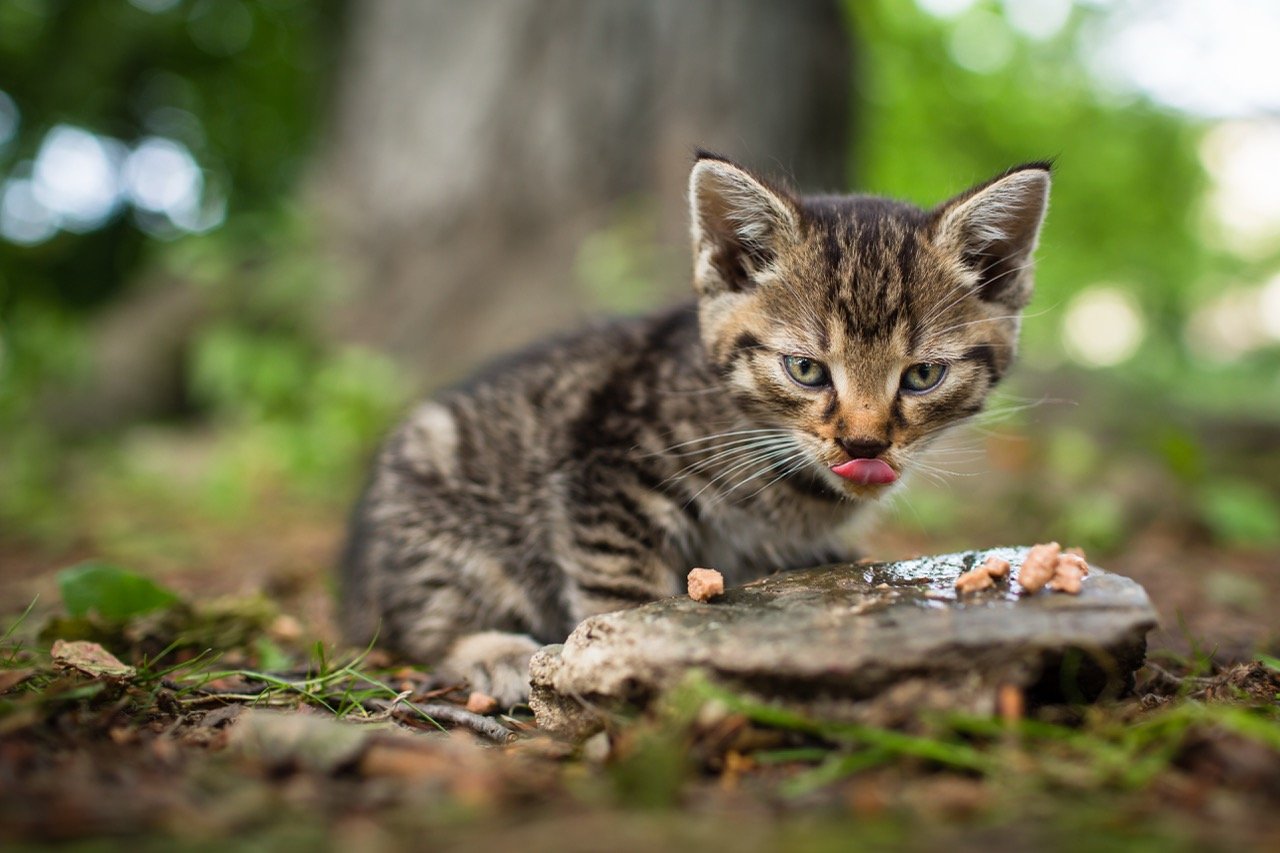
As the demand for eco-friendly pet food surges, you can now find this protein utilized across multiple formats:
- Dry Kibble: Brands are increasingly utilizing dried black soldier fly larvae meal, combining it with complex carbohydrates and essential nutrients to create crunchy, balanced kibble.
- Wet Food Patés: Highly palatable wet foods blend insect protein with broths, providing excellent hydration alongside novel nutrition.
- Specialty Treats: Insect-based treats are a low-risk way to introduce this novel protein to your cat’s digestive system.
Are Insect-Based Treats Safe for Cats?
Insect-based treats are a fantastic way to introduce your cat to the flavor and digestibility of insects without completely overhauling their diet. They are safe and generally well-tolerated. However, keep a few things in mind:
- Calories matter: Treats should remain a small portion of your cat’s daily caloric intake, as they are not formulated to be nutritionally complete.
- Check for hidden allergens: If you are using insect treats because your cat has a chicken allergy, read the label carefully. Some insect treats still use chicken fat or fish oil for flavoring.
- Elimination diets: If your vet has your cat on a strict hypoallergenic elimination diet, do not introduce insect treats without veterinary approval, as any new ingredient can disrupt the trial.
Do Cats Like the Taste of Insect-Based Food?
Cats are notoriously picky eaters, which leads many owners to ask: will my cat actually eat bugs?
Acceptance varies. Dried insect protein has an earthy, slightly nutty flavor profile that is quite different from traditional poultry or fish. While some cats take to it immediately, others may be skeptical. To encourage palatability, many high-quality brands incorporate savory broths or natural animal fats to enhance the aroma and taste. If your cat is undergoing an allergy or elimination trial, always check the entire ingredient list and follow veterinary guidance. If your cat is hesitant, transitioning very gradually and utilizing wet-food formats can greatly improve acceptance.
How to Choose the Best Insect Protein for Cats
When shopping for insect protein for cats, you must read the labels carefully. Here is how to ensure you are buying a premium product:
- Look for Complete and Balanced Formulas: Ensure the packaging explicitly states that the food is formulated to meet the strict nutritional levels established by the Association of American Feed Control Officials (AAFCO).
- Check the Named Insect Source: The ingredient list should clearly name the insect, such as “dried black soldier fly larvae,” rather than a vague term like “insect protein.”
- Review the Nutritional Adequacy: Ensure the food meets the dietary standards recommended by the World Small Animal Veterinary Association (WSAVA) for adult felines.
Is Insect Protein a “Hypoallergenic” Novel Protein?
Many people use the word “hypoallergenic,” but in veterinary medicine, insect meat is best described as a novel protein.
A food allergy in a cat is an overreaction of the immune system to a familiar protein it has developed antibodies against over time (like chicken, beef, or dairy). As the Tufts University Clinical Nutrition Service highlights, domestic cats have rarely consumed concentrated amounts of black soldier fly or cricket meat. Because their immune system hasn’t encountered it before, it does not recognize it as an allergen.
This makes insect meat highly effective at avoiding familiar allergic reactions. However, it is not magically immune to causing allergies; if a cat eats insect protein for years, they could theoretically develop an allergy to it eventually.
Potential Downsides of Insect Protein for Cats
While using insect protein is an amazing innovation, it is important to acknowledge a few potential drawbacks:
- Cost and Availability: Farming insects for premium pet food formulation currently carries a higher production cost, and these diets are primarily found online or in specialty stores.
- Palatability Challenges: As mentioned, the unique flavor profile means stubborn felines may refuse to transition without patience.
- Long-Term Research: While short-term clinical studies are overwhelmingly positive regarding digestibility, there is still limited long-term research tracking felines fed exclusively on insect diets over their entire lifespan.
Can Cats Eat Insects Naturally?
Every cat owner has watched their feline stalk, pounce on, and devour a housefly or a wandering cricket. Hunting insects is deeply ingrained in feline DNA.
However, allowing your cat to eat wild bugs in the garden is not the same as feeding them a formulated insect diet. Wild insects can carry internal parasites or be exposed to toxic agricultural pesticides. Commercial insect protein is farm-raised and strictly processed to ensure it is safe for consumption.
How to Transition to Insect Protein for Cats
Feline stomachs are sensitive, and abrupt changes will cause diarrhea. A gradual 7–10-day transition can help their digestive system adjust:
- Days 1–3: 75% Old Food mixed with 25% Insect Food.
- Days 4–6: 50% Old Food mixed with 50% Insect Food.
- Days 7–9: 25% Old Food mixed with 75% Insect Food.
- Day 10: 100% Insect Food.
Common Mistakes When Feeding Insect Protein to Cats
To keep your cat safe and healthy, rigorously avoid these common owner mistakes:
- Assuming all insect protein is nutritionally equivalent: Different insect species have different amino acid profiles. What works for one brand using crickets may differ from another using BSFL.
- Choosing a food that isn’t complete and balanced: You cannot just buy dried mealworms meant for chickens and feed them to your cat. They lack balanced calcium-to-phosphorus ratios and vital added vitamins like taurine.
- Assuming “novel protein” means hypoallergenic forever: It may be useful now because your cat hasn’t eaten it before, but they can theoretically develop an allergy to it in the future.
- Ignoring the transition period: Rushing the transition will instantly cause gastrointestinal upset, making you falsely believe the cat is allergic to the new insect food.
- Assuming a cat will automatically accept the taste: Expect some hesitation. Use gradual mixing and broth to encourage picky eaters.
- Feeding wild insects or bait-shop bugs: These can carry parasites or pesticides and are not rendered safe for a primary diet.
- Using it as an elimination diet without veterinary guidance: If trying to diagnose a severe allergy, over-the-counter insect diets might still have cross-contamination. Always consult your vet for strict dietary trials.
Frequently Asked Questions (FAQ)
Is insect protein better than chicken for cats?
It depends entirely on the individual cat. For a healthy feline without allergies, both provide excellent, high-quality nutrition. However, if a cat suffers from severe poultry allergies or chronic digestive upset, insect protein may be a superior alternative because it serves as a novel protein, avoiding the familiar allergen while still providing essential amino acids.
What is the healthiest protein for cats?
The healthiest protein for a cat is a highly digestible, animal-based protein that provides a complete amino acid profile, specifically adequate levels of taurine. Traditional lean meats like chicken are excellent, but properly formulated insect protein is a top-tier alternative due to its high digestibility and low risk of triggering existing allergies.
What foods contain insect protein?
Insect protein is found in specialized commercial dry kibbles, wet food patés, and soft treats specifically marketed as eco-friendly or novel-protein pet foods. The ingredient labels will usually list “dried black soldier fly larvae,” “cricket meal,” or “mealworm powder.”
Is insect protein safe for cats long-term?
Yes, provided the food is formulated by veterinary nutritionists to be complete and balanced according to AAFCO standards. While decades-long, multi-generational studies are still limited, current veterinary research confirms that commercially prepared insect meal is highly digestible and safe for daily feline consumption.
Can cats live on insect protein alone?
Cats cannot survive on raw, whole insects alone because they require a highly specific balance of vitamins, minerals, and amino acids (like taurine). However, they can thrive on a commercially prepared insect-based cat food that has been properly fortified with these essential nutrients.
Are insect proteins healthy?
Yes. When processed and formulated correctly, insect proteins are incredibly healthy. They are packed with protein, healthy fats, fiber (chitin), and essential minerals, all while avoiding the heavy use of land and water resources often associated with traditional livestock farming.
References & Further Reading
- Association of American Feed Control Officials (AAFCO): Understanding Pet Food and Nutritional Standards
- World Small Animal Veterinary Association (WSAVA): Global Nutrition Guidelines for Dogs and Cats
- National Center for Biotechnology Information (NCBI): Nutritional Evaluation of Insects as a Novel Protein Source for Dogs and Cats
- Tufts University Clinical Nutrition Service: The Role of Novel Proteins in Hypoallergenic Pet Diets