


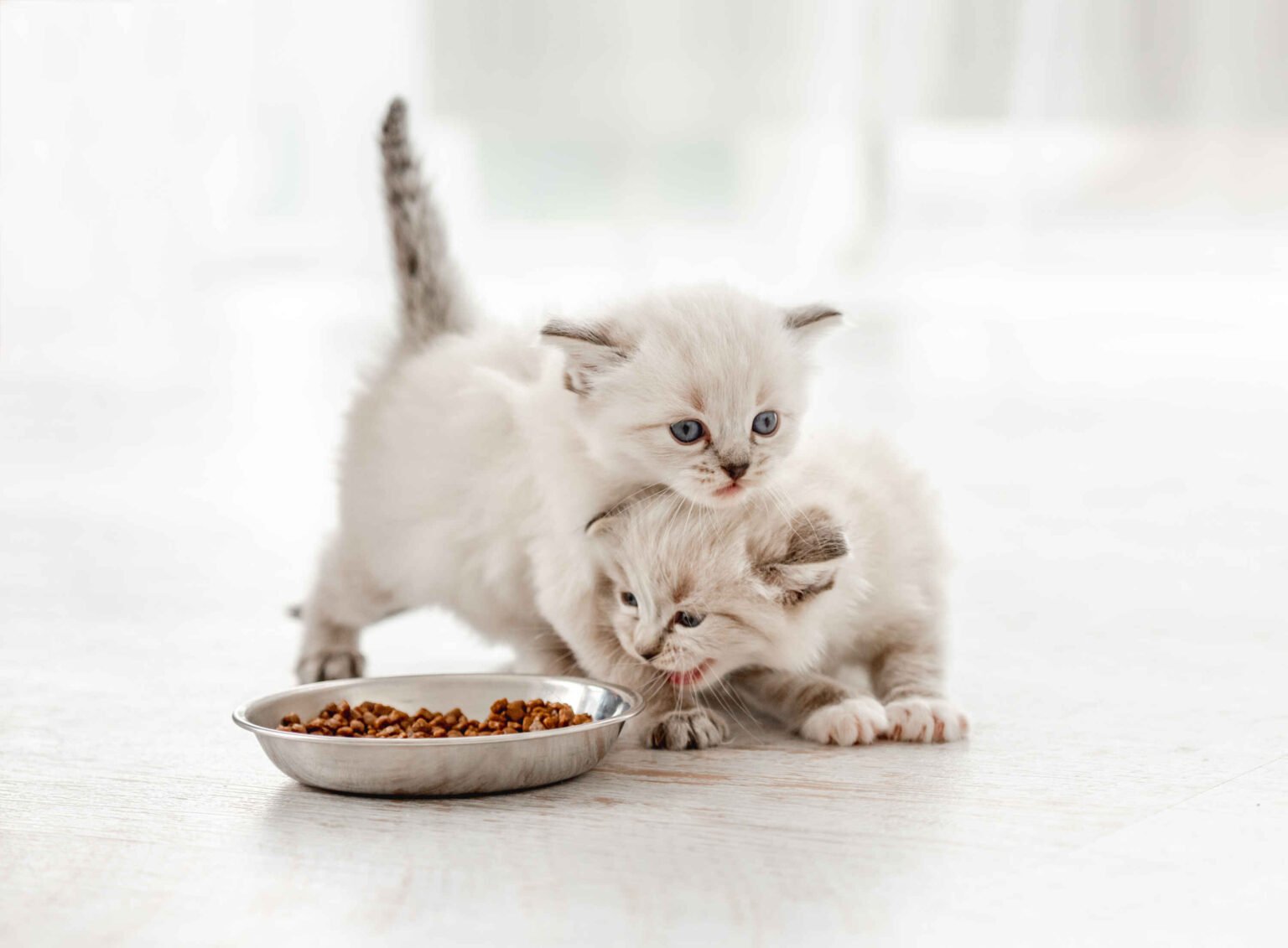
Bringing a neonatal kitten into your home is a huge responsibility, especially when it comes to nutrition. Because newborns have virtually no energy reserves, missing even a single meal can lead to life-threatening drops in blood sugar. Whether you are supporting a nursing mother cat or stepping in as a surrogate for an orphaned litter, knowing exactly what to feed newborn kittens is the most critical factor in their survival.
- What Do Newborn Kittens Eat?
- What to Feed Newborn Kittens Without a Mother
- How Often Do Newborn Kittens Need to Eat?
- Feeding Newborn Kittens in the First Week
- Feeding Kittens at 1–2 Weeks
- Feeding Kittens at 2–4 Weeks
- When Kittens Begin Weaning
- How Much Should a Newborn Kitten Eat?
- How to Bottle-Feed a Newborn Kitten Safely
- Prepare the Kitten Milk Replacer
- Position the Kitten Correctly
- Let the Kitten Feed at Its Own Pace
- Never Force Milk Into a Weak Kitten
- What to Do After Feeding
- What to Feed an Abandoned Kitten
- What If the Mother Cat Is Not Nursing?
- What Should You NOT Feed Newborn Kittens?
- Can Newborn Kittens Survive Without Milk?
- Signs a Newborn Kitten Is Not Getting Enough Nutrition
- When to Contact a Veterinarian
- Newborn Kitten Feeding and Fading Kitten Syndrome
- When Do Newborn Kittens Start Eating Solid Food?
- Sources & References
- Frequently Asked Questions About Feeding Newborn Kittens
- What can you feed a newborn kitten if you don’t have kitten formula?
- What milk is best for newborn kittens?
- How often should you feed a newborn kitten?
- How long can a newborn kitten go without milk?
- Can a newborn kitten survive without its mother?
- What should you feed an abandoned kitten?
- Can newborn kittens drink regular milk?
- How do you know if a newborn kitten is getting enough milk?
- When should you take a newborn kitten to the vet?
In this comprehensive guide, we will cover the safest nutritional options, how to establish a proper feeding schedule, safe bottle-feeding techniques, and how to recognize when a kitten is not getting enough to eat.
Newborn kittens should only be fed their mother’s milk or a high-quality commercial Kitten Milk Replacer (KMR). You should never feed a kitten cow’s milk, goat’s milk, or human infant formula, as these lack the proper nutrients and can cause severe, life-threatening diarrhea. Kittens must be fed every 2 to 3 hours using a specialized pet nursing bottle.
What Do Newborn Kittens Eat?
A neonatal kitten’s digestive system is incredibly delicate. For the first four weeks of life, their diet consists entirely of liquid nutrition.
Mother’s Milk Is the Best Food for Newborn Kittens
There is no substitute that perfectly replicates the nutritional profile of a mother cat’s milk. In the first 24 hours after birth, the mother produces colostrum, a specialized fluid rich in maternal antibodies that provides essential immune protection. If the mother is healthy and attentive, your primary job is simply to keep her well-fed with a high-calorie kitten diet so she can produce enough milk for the litter.
Kitten Milk Replacer for Orphaned Kittens
If the mother is absent, ill, or rejecting the litter, you must intervene. According to the Merck Veterinary Manual, the only safe alternative to mother’s milk is a commercial Kitten Milk Replacer (KMR). These formulas are scientifically balanced to mimic the specific fat, protein, and carbohydrate ratios of feline breast milk.
What to Feed Newborn Kittens Without a Mother
When raising orphaned kittens, always purchase a commercial KMR, available in both powdered and liquid forms at most pet stores and veterinary clinics. Powdered formulas are often preferred by rescues because they have a longer shelf life and can be mixed fresh for each feeding, reducing the risk of bacterial growth.
In a desperate late-night emergency where commercial KMR is unavailable, consult an emergency veterinarian before attempting to make a homemade emergency formula. Many DIY recipes found online contain ingredients that can cause severe gastrointestinal distress.
How Often Do Newborn Kittens Need to Eat?
Newborns have tiny stomachs and extremely fast metabolisms. They require round-the-clock feedings to maintain their blood sugar levels. Establishing a strict kitten feeding schedule is vital for their development.
Feeding Newborn Kittens in the First Week
During days 1 through 7, kittens need to eat every 2 to 3 hours, day and night. Their stomachs can only hold a few milliliters of fluid at a time, making frequent, small meals an absolute necessity.
Feeding Kittens at 1–2 Weeks
As they enter their second week and their eyes begin to open, feedings can generally be spaced out to every 3 to 4 hours. You will notice them consuming slightly larger volumes at each meal.
Feeding Kittens at 2–4 Weeks
By weeks three and four, kittens are becoming more mobile. Feedings can usually be stretched to every 4 to 5 hours. Around this time, their baby teeth will begin to erupt, signaling that their bodies are preparing for the next stage of nutrition.
When Kittens Begin Weaning
Around four to five weeks of age, kittens can begin the weaning process. You can start offering a shallow dish of “slurry”—a mixture of KMR and ultra-soft, high-protein wet kitten food. They will still require supplemental bottle feedings until they are eating enough solid food to sustain their weight.
How Much Should a Newborn Kitten Eat?
The amount a kitten should eat depends entirely on their exact age, daily weight, and the specific brand of milk replacer you are using. Overfeeding can lead to dangerous diarrhea and bloating, while underfeeding leads to starvation. Always follow the caloric and volume guidelines printed on your specific KMR packaging.
How to Monitor a Newborn Kitten’s Weight
One of the most useful tools for neonatal care is a digital kitchen scale. Weigh the kitten at the same time every day. Healthy kittens generally gain about 10 to 15 grams per day. A failure to gain weight is often the very first indicator of a health problem, appearing well before the kitten starts acting visibly sick.
How to Bottle-Feed a Newborn Kitten Safely
Bottle-feeding a kitten requires patience and proper technique. Doing it incorrectly can lead to aspiration pneumonia, a fatal condition where milk enters the lungs.
Prepare the Kitten Milk Replacer
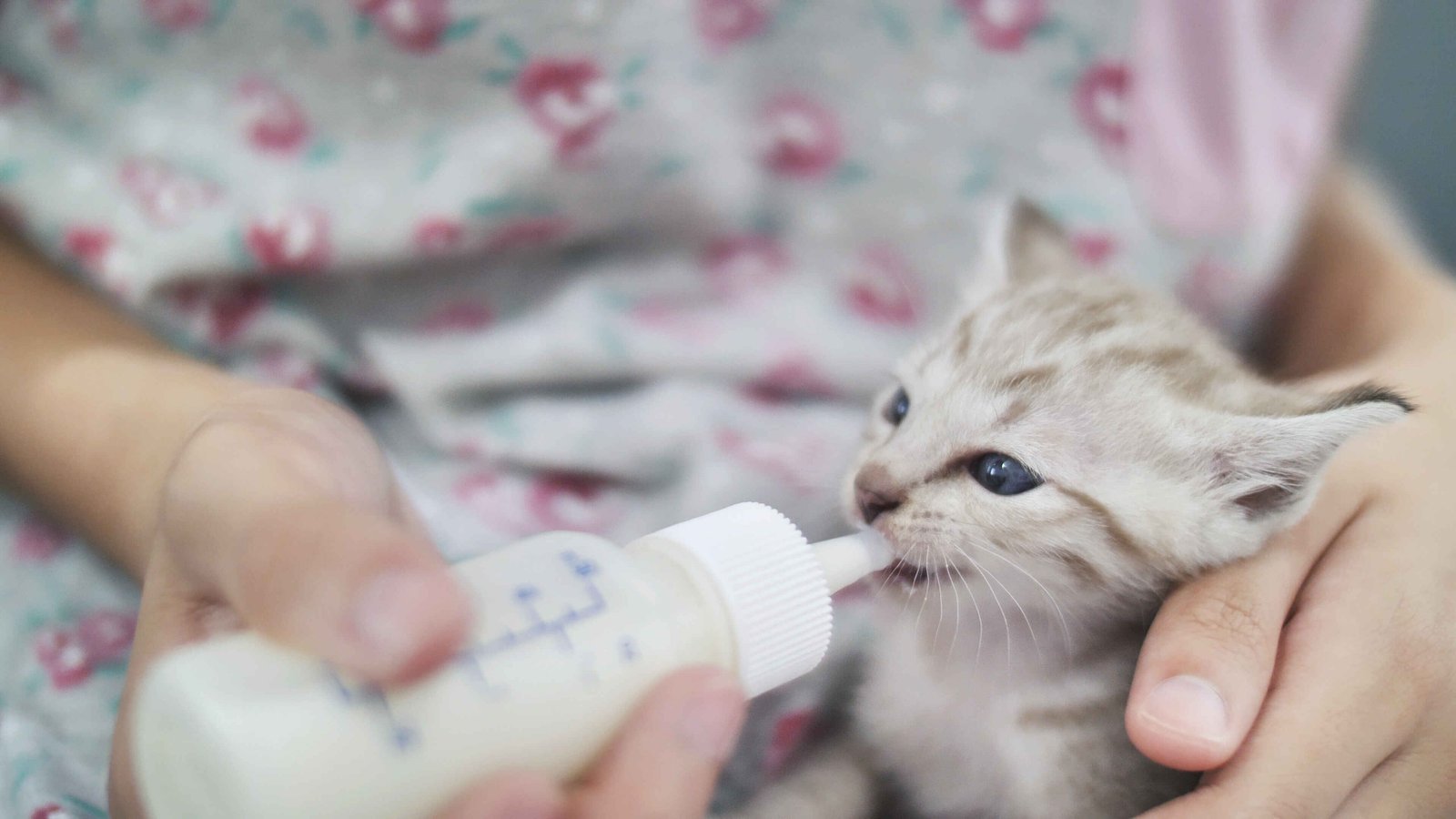
Mix the powdered KMR according to the package directions. Warm the formula gently by placing the bottle in a bowl of warm water. Never microwave the bottle, as it creates dangerous hot spots. Test a few drops on your wrist; it should feel comfortably warm, not hot.
Position the Kitten Correctly
Never feed a kitten on its back. A kitten should always be fed resting on its stomach, with its head slightly elevated, simulating the natural posture they use when nursing from their mother.
Let the Kitten Feed at Its Own Pace
Gently part the kitten’s mouth and insert the nipple. Keep a light grip on the bottle and allow the kitten to actively suck the milk out. Do not squeeze the bottle to force milk into their mouth.
Never Force Milk Into a Weak Kitten
If a kitten is cold to the touch, lethargic, or lacks a swallow reflex, do not attempt to bottle-feed them. Forcing food into a chilled or weak kitten can cause them to inhale the fluid. Safely warm the kitten first and contact a veterinarian immediately.
What to Do After Feeding
Newborns cannot urinate or defecate on their own. After every feeding, you must gently massage their genital and anal area with a warm, damp cotton ball to stimulate elimination. Burping the kitten by gently patting their back can also help release trapped air.
What to Feed an Abandoned Kitten
If you find a kitten outdoors, your immediate reaction might be to feed it, but caution is necessary.
How to Tell if a Kitten Has Been Abandoned
According to guidelines from the ASPCA, mother cats often leave their litters in hidden nests while they hunt. Unless the kitten is in immediate, life-threatening danger, observe the nest from a distance for a few hours. If the mother does not return, or the kitten is freezing and lethargic, intervention is required.
What to Do if the Mother Cat Is Nearby
If the mother is present but seems overwhelmed, you can support her by providing high-quality kitten food and fresh water nearby. Only intervene with bottle-feeding if she actively rejects a kitten or is physically unable to produce milk. For a complete guide on stepping in, read our article on how to care for an abandoned newborn kitten.
What If the Mother Cat Is Not Nursing?
Sometimes a mother cat is present but the kittens are crying continuously and failing to gain weight. This indicates a disruption in nursing.
When a Mother Cat May Need Veterinary Attention
The mother may be suffering from an infection, such as mastitis, which makes nursing incredibly painful. She may also be suffering from extreme stress or a lack of milk production (agalactia). If you notice her pushing the kittens away or acting aggressively, veterinary intervention is necessary for the mother’s health.
When the Kitten Needs Veterinary Attention
If a specific kitten is too weak to latch or is being intentionally pushed out of the nest by the mother, the kitten requires immediate veterinary assessment. You can learn more about this behavior in our guide: Why Is My Cat Rejecting Her Kittens?.
What Should You NOT Feed Newborn Kittens?

Feeding the wrong substance to a neonate can be fatal.
- Cow’s Milk: Too much lactose and inadequate protein/fat; causes severe diarrhea.
- Goat’s Milk: While sometimes used in absolute emergencies, it lacks the specific amino acids (like taurine) that cats need for long-term development.
- Human Infant Formula: Completely inappropriate for feline nutritional needs.
- Raw Eggs or Meat: High risk of bacterial contamination for an underdeveloped immune system.
Can Newborn Kittens Survive Without Milk?
No. Kittens have extremely limited fat reserves. A kitten under a week old can suffer from life-threatening hypoglycemia (low blood sugar) if they go more than a few hours without milk. Hydration and caloric intake must be continuous for their survival.
Signs a Newborn Kitten Is Not Getting Enough Nutrition
Monitoring is your best defense against decline. Warning signs that a kitten is undernourished include:
- Continuous, frantic crying.
- Failure to gain weight or active weight loss over a 24-hour period.
- Lethargy and an inability to root for the nipple.
- A “tented” appearance to the skin when gently pinched, indicating dehydration.
When to Contact a Veterinarian
Because neonates can fade in a matter of hours, do not hesitate to contact a veterinarian if a kitten feels cold, refuses to eat, gasps for air, or has persistent diarrhea. It is always safer to have a professional assess a fragile kitten rather than waiting to see if their condition improves.
Newborn Kitten Feeding and Fading Kitten Syndrome
Inadequate nutrition is a leading trigger for fading kitten syndrome, a general term used to describe a rapid, life-threatening decline in a newborn. A failure to ingest colostrum, hypothermia preventing digestion, or severe dehydration from diarrhea can all cause a kitten to fade. Strict adherence to proper feeding techniques and daily weight monitoring are critical preventative measures.
When Do Newborn Kittens Start Eating Solid Food?
The weaning process generally begins between four and five weeks of age. Once a kitten is actively walking, playing, and their baby teeth have emerged, you can begin offering very soft, wet kitten food mixed with formula. They will gradually transition to fully solid kitten food by the time they are seven to eight weeks old.
Sources & References
- Merck Veterinary Manual: Management of the Neonatal Kitten and Nutritional Requirements
- Cornell Feline Health Center: Caring for Growing Kittens
- ASPCA: Newborn Kitten Care and Bottle Feeding Guidelines
Frequently Asked Questions About Feeding Newborn Kittens
What can you feed a newborn kitten if you don’t have kitten formula?
In a strict emergency, you should contact an emergency veterinarian for guidance. Do not use cow’s milk. Sometimes, unflavored Pedialyte or Karo syrup rubbed on the gums can temporarily prevent a fatal drop in blood sugar while you source proper commercial Kitten Milk Replacer (KMR).
What milk is best for newborn kittens?
A mother cat’s milk is always the best option. If the mother is absent, a commercially prepared, high-quality Kitten Milk Replacer (KMR) is the only safe and nutritionally complete alternative.
How often should you feed a newborn kitten?
Kittens under one week old generally need to be fed every 2 to 3 hours, day and night. As they grow, feedings can gradually be spaced out to every 3 to 4 hours in the second week, and every 4 to 5 hours by the third week.
How long can a newborn kitten go without milk?
Newborn kittens are incredibly fragile and can suffer from fatal hypoglycemia rapidly. A kitten under a week old should generally not go more than 2 to 3 hours without a meal.
Can a newborn kitten survive without its mother?
Yes, but it requires intensive human intervention. You will need to act as a surrogate by providing safe indirect warmth, bottle-feeding them KMR around the clock, and manually stimulating them to go to the bathroom after every meal.
What should you feed an abandoned kitten?
An abandoned kitten must be fed a specialized commercial Kitten Milk Replacer (KMR) using a pet nursing bottle. Never feed them cow’s milk or human baby formula.
Can newborn kittens drink regular milk?
No. Regular cow’s milk lacks the appropriate balance of proteins and fats that felines need, and it contains high levels of lactose, which causes severe and potentially life-threatening diarrhea in kittens.
How do you know if a newborn kitten is getting enough milk?
A well-fed kitten will have a gently rounded, plump belly, sleep quietly between feedings, and steadily gain about 10 to 15 grams of weight every day. Frantic crying and weight loss are signs they are not getting enough nutrition.
When should you take a newborn kitten to the vet?
You should take a kitten to the vet immediately if they are cold to the touch, refusing to nurse, gasping for air, completely limp, failing to gain weight, or experiencing diarrhea or vomiting.