

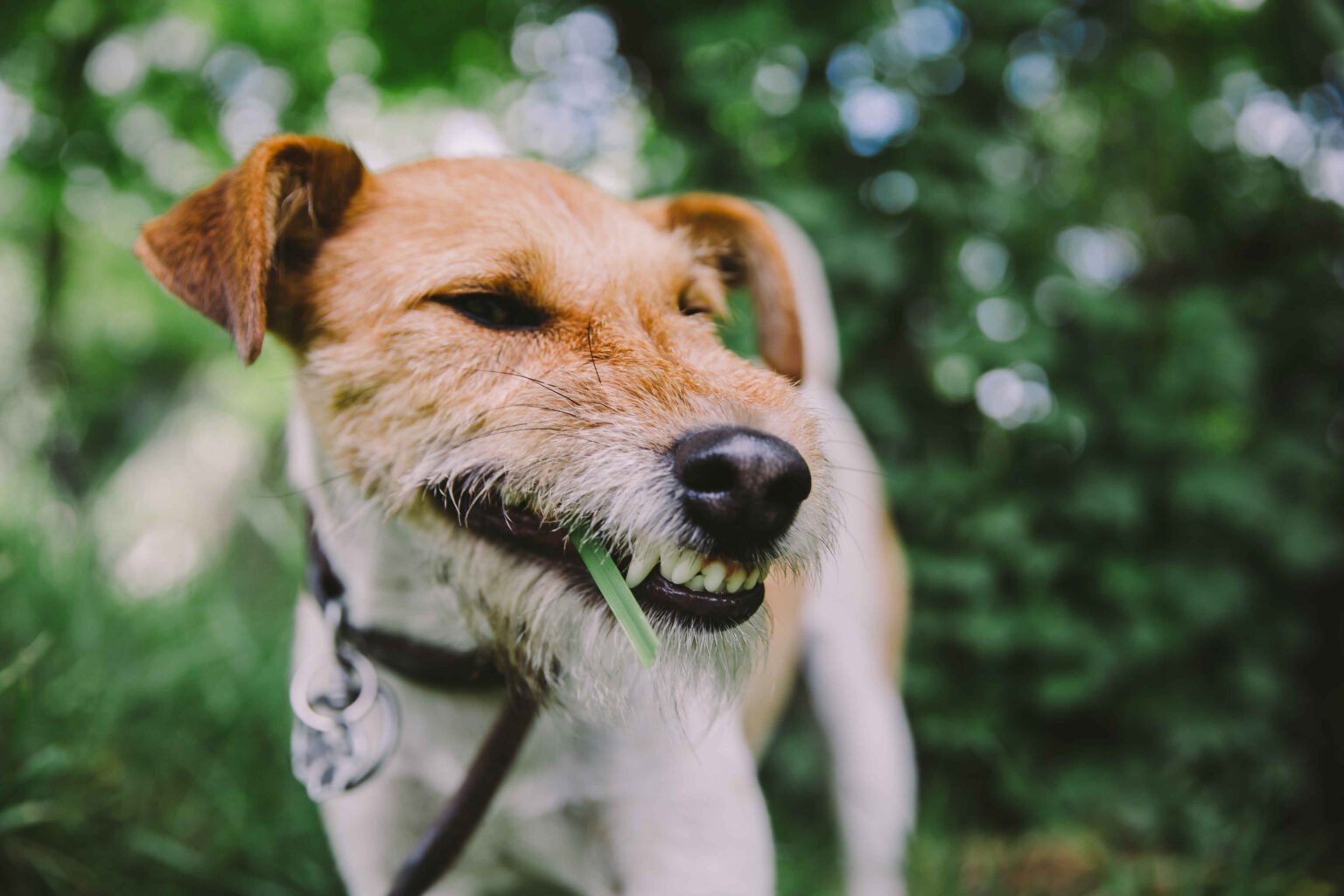
You spend your hard-earned money on premium dog food, organic treats, and carefully baked dental chews. Yet, halfway through your evening walk, your dog completely ignores the expensive treat in your pocket and suddenly becomes obsessed with grazing on a patch of lawn like a tiny cow.
If you have ever stood there holding the leash, watching your dog munch away at the turf, you are definitely not alone. It is a moment that leaves many owners scratching their heads. You immediately start to wonder: Are they sick? Are they trying to make themselves throw up? Are they missing some vital nutrient in their diet, or do they just like the taste?
Grass eating is one of the most common, and most misunderstood, canine behaviors. While it can sometimes be a clue that your dog’s stomach is upset, it is often a completely harmless habit. In this practical guide, we are going to explore exactly why dogs eat grass, what their grazing habits are actually telling you, and how to know when a simple yard snack crosses the line into a warning sign that requires a veterinarian’s attention.
Quick Answer: Why Do Dogs Eat Grass?
Grass eating is an incredibly common and often harmless canine behavior. While it is frequently associated with an upset stomach, dogs eat grass for a variety of reasons. The behavior may relate to natural instinct, curiosity, a preference for the taste and texture of fresh grass, boredom, or mild digestive upset.
For most dogs, occasional grass eating is completely normal and no cause for alarm. However, if your dog is frantically eating grass, if the behavior is sudden and obsessive, or if it is followed by repeated vomiting, diarrhea, or lethargy, it may indicate an underlying illness and requires veterinary attention.
Key Takeaways
- Occasional grass eating is common and usually harmless.
- Dogs may eat grass because of instinct, boredom, taste, or mild digestive discomfort.
- Grass eating does not always mean a dog is sick.
- Vomiting, diarrhea, lethargy, or frantic grazing may require veterinary attention.
- Avoid letting dogs eat chemically treated grass.
What Does It Mean If a Dog Eats Grass?
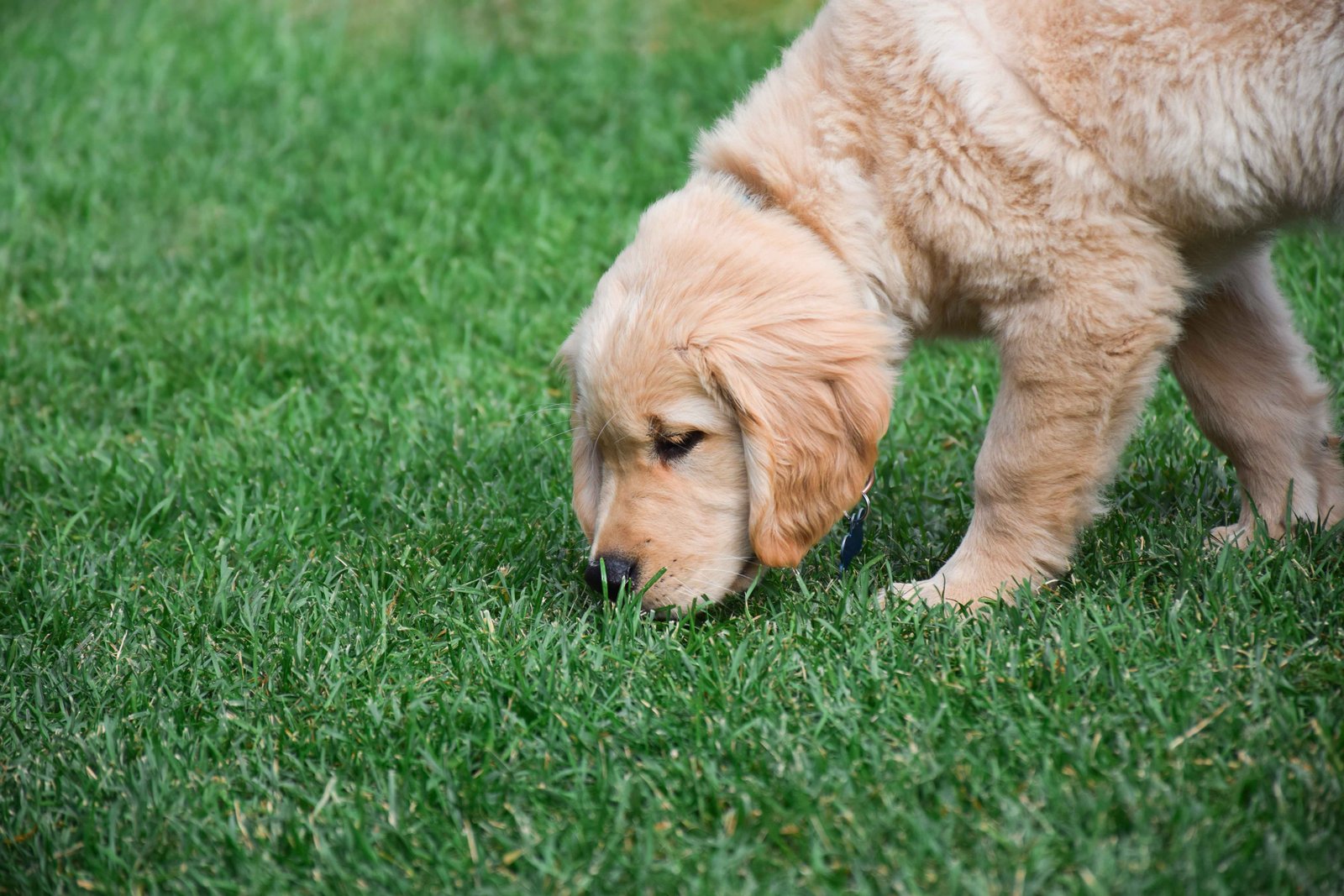
When trying to figure out why your dog is suddenly treating the backyard like a salad bar, it is important to look at the big picture. Dogs do not have just one single reason for eating grass. Depending on your dog’s age, environment, and daily routine, their grazing could mean a few different things. Let’s break down the most common reasons.
Natural Instinct
Long before dogs were sleeping on our couches, their wild ancestors were opportunistic scavengers. While wolves and early canines were primarily carnivores, they regularly consumed the entire bodies of their prey, which often included the plant matter and grass inside the stomachs of herbivores. Furthermore, wild canines naturally graze on plant material to supplement their diets. Many behavioral experts believe that modern domestic dogs still carry this deeply ingrained natural instinct to graze when the opportunity arises.
Curiosity and Texture
Sometimes, the simplest answer is the correct one. Many dogs just enjoy the sensory experience. Have you ever noticed that your dog prefers to eat grass in the early spring, or right after a fresh rain? Fresh, young grass is tender, sweet, and covered in interesting scents and dew. For a dog exploring the world through their mouth, pulling up a few blades of grass offers a satisfying crunch and a unique texture that their everyday kibble simply cannot replicate.
Mild Digestive Upset
This is the reason most owners immediately assume is true, and it does hold weight. Dogs will sometimes use grass as a form of self-medication. If a dog’s stomach is feeling slightly irritated, they might seek relief. For safer alternatives, many owners keep safe dog upset stomach remedies on hand, but nature often calls dogs to the lawn first.
If they have excess acid or gas, they may actively seek out broad blades of grass. The rough texture of the grass can tickle the lining of the throat and stomach, which can stimulate the vomit reflex, helping them clear out whatever is bothering their digestive tract.
Boredom or Anxiety
If a dog is left alone in a backyard for long periods without adequate mental or physical stimulation, they will find ways to entertain themselves. Plucking grass out of the dirt can become a repetitive, self-soothing behavior. Similarly, dogs experiencing mild anxiety might turn to grazing as a coping mechanism. The act of chewing and tearing at the grass provides a physical outlet for their nervous energy.
Attention-Seeking Behavior
Dogs are incredibly smart, and they quickly learn what actions get a reaction from you. If your dog starts eating grass and you immediately run over, talk to them, pull them away, or offer them a toy to distract them, they have successfully captured your full attention. For some dogs, even negative attention (like being told “No!”) is better than being ignored, leading them to eat grass simply to get you to engage with them.
Possible Dietary Imbalances
It is often suggested that dogs eat grass because they are missing vitamins, minerals, or fiber in their diet. While it is a popular theory, it is important to note that this is not fully understood or universally proven by veterinary science. However, it is possible that some dogs seek out grass to fulfill a biological craving for roughage. If your dog is on a well-balanced, high-quality commercial diet, a nutritional deficiency is unlikely, but a lack of sufficient dietary fiber may sometimes drive them to the lawn.
Why Some Dogs Eat Grass Every Day
If you find yourself searching “why do dogs eat grass all the time,” you might have a chronic grazer on your hands. For some dogs, eating grass isn’t a reaction to a stomach ache, it’s just a daily habit.
Some dogs simply love the taste of specific types of grass, especially in the spring when new, sweet shoots emerge. If your dog eats grass every single day but maintains a healthy appetite, normal stool, and high energy levels, it has likely just become an enjoyable part of their outdoor routine. However, if this daily grazing is paired with weight loss or loose stools, it warrants a veterinary checkup to rule out chronic conditions like inflammatory bowel disease.
Why Do Dogs Eat Grass and Throw Up?
One of the most concerning things for an owner to witness is a dog frantically gulping down grass and then immediately vomiting it back up on the living room rug. If you are dealing with this, you are likely searching for answers.
The mechanics behind this are surprisingly simple. Dog stomachs are highly sensitive.
Long, unchewed blades of grass act as an abrasive tickle against the stomach lining. When a dog feels nauseous from eating something they shouldn’t have, or from an empty stomach full of bile, some dogs may appear to use grass to help trigger vomiting.
However, it is crucial to understand that not all dogs eat grass intentionally to vomit. Sometimes, a dog eats grass just because they like it, but they accidentally eat too much. The grass itself can then irritate their digestive tract, resulting in an accidental mess.
Occasional vomiting after eating grass can happen to perfectly healthy dogs. But if you notice your dog is throwing up multiple times, refusing food, or unable to hold down water, you should read our guide to understand why is my dog vomiting, as repeated vomiting is completely different from a single grassy purge.
Do Dogs Eat Grass When They’re Sick?
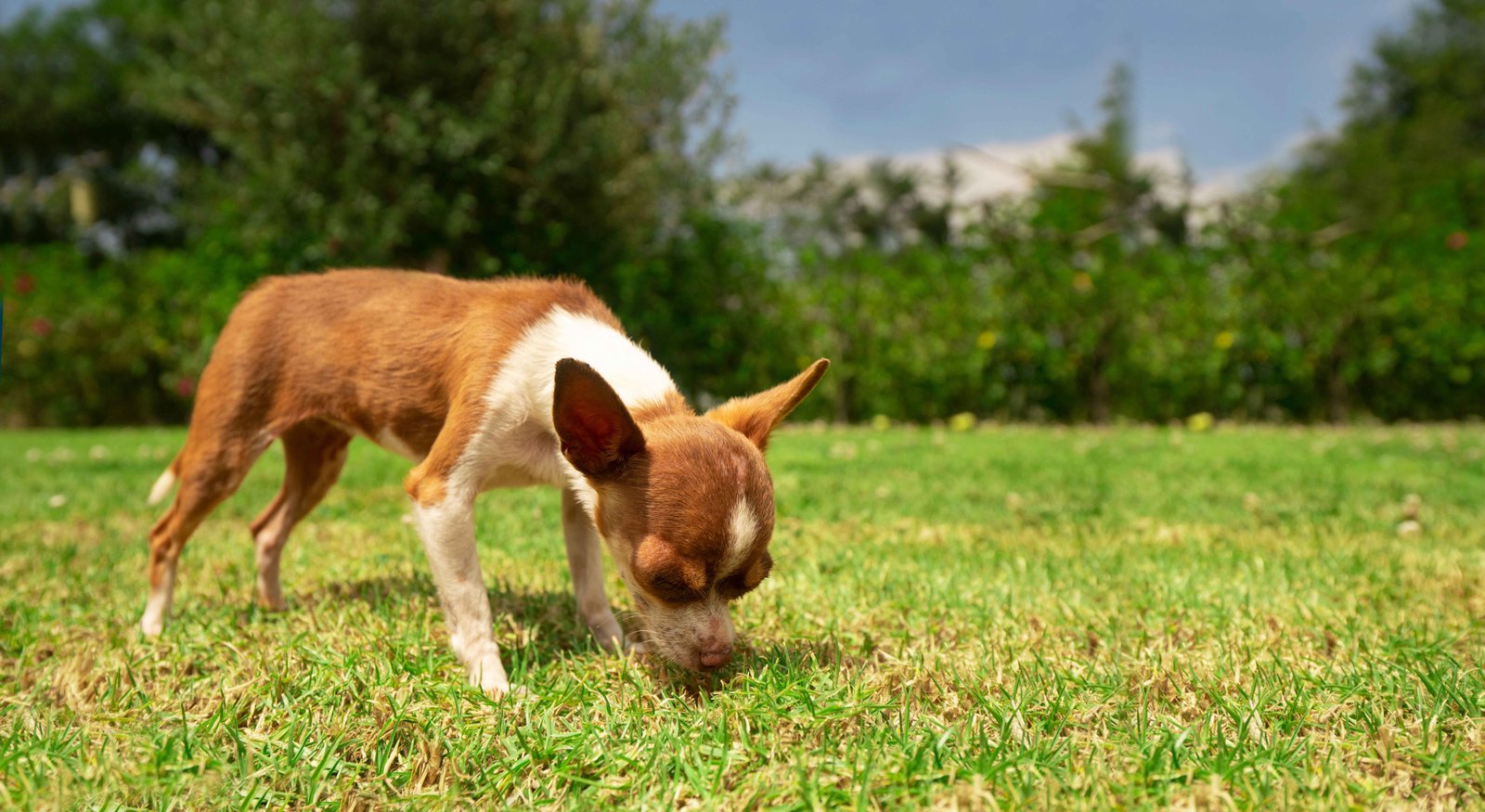
This is a highly nuanced question. The short answer is: sometimes yes, but definitely not always. This balanced reality is what makes grass eating so confusing for owners.
On one hand, dogs absolutely do eat grass when they are feeling unwell. Nausea, mild stomach irritation, acid reflux, or general digestive discomfort can drive a dog to seek out the lawn. If they are feeling bloated or have a minor bacterial imbalance from drinking out of a muddy puddle, a quick grass snack might be their way of trying to settle their stomach.
On the other hand, many healthy dogs eat grass regularly and are never sick a day in their lives. In fact, veterinary researchers at UC Davis have found that most dogs who eat grass appear otherwise healthy beforehand and do not vomit afterward. Therefore, seeing your dog eat grass shouldn’t immediately send you into a panic. To get a better overall picture of your dog’s health, you have to look for secondary clues. If you aren’t sure what to look for, reviewing how can I tell if my dog is sick will help you identify the subtle behavioral shifts that truly indicate illness.
Should You Let Your Dog Eat Grass?
If grass eating is a natural behavior, should you just let them do it? Generally speaking, allowing your dog to graze is usually okay under the right circumstances, but there are times when you must intervene.
Usually Okay If:
- It is untreated grass: The grass is in your own backyard, and you know for an absolute fact that it has not been treated with chemicals.
- It is an occasional behavior: They only grab a few bites here and there during a walk or while lounging in the yard.
- There are no symptoms afterward: Your dog continues to eat their normal food, play, and has solid, normal bowel movements.
Avoid If:
- Pesticides and herbicides are present: Never let your dog eat grass at public parks, golf courses, or neighbors’ lawns where you don’t know the chemical treatment history.
- Toxic plants are nearby: If the grass is mixed with weeds, mushrooms, or flowers that are toxic to canines. For a better understanding of yard dangers, familiarize yourself with foods dogs should never eat and toxic plants.
- It becomes a compulsive behavior: If the dog is tearing up the lawn frantically and cannot be easily distracted.
- It causes vomiting or diarrhea: If grazing always results in an upset stomach later that evening.
Why Is My Dog Suddenly Eating Grass?
If your dog has ignored the lawn for five years and suddenly starts grazing like a sheep, that sudden shift in behavior is worth paying attention to. When a new behavior appears out of nowhere, it usually points to an environmental or physical change.
A sudden obsession with grass can be triggered by acute stress. Did you recently move, bring home a new baby, or change your work schedule? Sudden boredom from a lack of winter walks can also cause a dog to turn to the grass for entertainment.
Physical changes are just as likely. A sudden stomach upset from sneaking table scraps, changes in their daily dog food brand, or starting a new oral medication can cause nausea that they try to soothe with grass. Additionally, a sudden influx of intestinal parasites can irritate their gut, prompting them to graze.
Why Does My Dog Keep Eating Grass but Not Throwing Up?
Many owners ask, “If grass is supposed to make them throw up, why does my dog keep eating grass but not throwing up?”
The answer is simple: because they aren’t eating it to throw up. As mentioned earlier, the idea that dogs only eat grass to induce vomiting is a myth. Many dogs simply enjoy the taste and texture of a fresh blade of grass. Over time, it becomes a habitual, rewarding behavior.
If your dog happily munches on the lawn every morning, keeps their breakfast down, has high energy, and shows no signs of discomfort, they are just enjoying a salad. Grass is not always linked to nausea, and if they aren’t throwing it up, it means their stomach is perfectly content processing the extra roughage.
Can Eating Grass Be Dangerous for Dogs?
While the grass itself is generally non-toxic, the environment the grass grows in can pose significant, hidden dangers to your dog.
The primary danger lies in pesticides, herbicides, and chemical fertilizers. These lawn treatments are highly toxic if ingested. They can cause severe neurological and gastrointestinal issues. Never let your dog eat grass that looks suspiciously perfect or is in a highly manicured public space.
Parasites are another major concern.
If you let your dog eat grass in areas where other dogs or wild animals defecate (like dog parks or hiking trails), they are at high risk. They can easily ingest microscopic hookworm, roundworm, or whipworm eggs left behind in the soil and on the grass blades.
While rare, excessive consumption of tough, fibrous grass can theoretically cause an intestinal blockage. This happens if it wads up in the digestive tract, especially in small dogs or puppies.
Finally, always be aware of toxic plants. The ASPCA Animal Poison Control Center maintains extensive lists of toxic foliage. Sometimes what looks like a harmless clump of grass actually contains toxic weeds, wild mushrooms, or poisonous flower sprouts hidden within the green blades.
When Grass Eating Is a Warning Sign
How do you know when a simple grazing habit has crossed the line into a medical issue? You have to look at how the grass eating is happening, and what happens directly afterward. You should call the vet if you notice any of the following warning signs:
- Frantic grass eating: The dog is urgently tearing at the grass, swallowing it whole, pacing, and seems distressed or unable to stop.
- Repeated vomiting: Throwing up once is one thing. If they are vomiting continuously, cannot keep water down, and keep going back to the grass, it is an emergency.
- Diarrhea: If the grazing is followed by liquid stools, you need to manage their gut health. Reviewing dog diarrhea home remedies can help, but persistent issues require a vet visit.
- Lethargy and appetite changes: If they eat grass but refuse their favorite dinner, or hide in the bedroom instead of playing. If you are struggling with a sudden loss of appetite, reading up on why is my dog not eating can help you pinpoint the issue.
- Abdominal pain: Whining, a hunched posture, or a stomach that feels hard and tight to the touch.
- Signs of fluid loss: Knowing the dog dehydration signs is critical if your dog is vomiting up the grass they eat. Pale gums and dry mouth are serious red flags.
How to Stop a Dog From Eating Grass Excessively
If your dog’s grazing has become a nuisance, or if you are worried about the chemicals on your local walking route, there are several practical steps you can take to curb the behavior.
More exercise and mental stimulation: A tired dog is a good dog. If the grazing is rooted in boredom or anxiety, increasing the length of their daily walks, playing fetch, or teaching them new tricks can burn off that nervous energy.
Better feeding routine: If they are eating grass because they are hungry or have an empty, acidic stomach in the mornings, try splitting their daily kibble into three or four smaller meals throughout the day. Using slow feeder bowls can also help them digest their food more comfortably, reducing nausea.
Dietary review: Take a close look at what you are feeding them. If you suspect they are seeking fiber, you can ask your vet about switching to a high-fiber kibble or safely adding dog-approved steamed green beans or plain canned pumpkin to their meals.
Veterinary evaluation: If you have tried redirecting their attention, changing their diet, and exercising them more, but they are still compulsively eating grass, it is time for a veterinary evaluation. Persistent, obsessive grazing warrants a physical exam to rule out inflammatory bowel disease, parasites, or chronic reflux.
References & Scientific Further Reading
- UC Davis Veterinary Medicine: Why Dogs Eat Grass (Study on Plant-Eating Behavior)
- VCA Animal Hospitals: Why Do Dogs Eat Grass?
- ASPCA Animal Poison Control: Toxic and Non-Toxic Plants List
- American Kennel Club (AKC): Why Does My Dog Eat Grass?
Frequently Asked Questions (FAQ)
Why do dogs eat grass to throw up?
Dogs with an upset stomach may eat grass because the long, unchewed blades create a rough, physical tickle against their throat and stomach lining. This abrasive sensation stimulates the vomit reflex, helping the dog purge whatever is causing their nausea or digestive discomfort.
Should I worry if my dog eats grass?
In most cases, occasional grass eating is completely normal and not a cause for worry, especially if the dog acts happy and energetic afterward. However, you should worry if the grass eating is frantic, sudden, or accompanied by symptoms like repeated vomiting, diarrhea, lethargy, or a loss of appetite.
Do dogs eat grass to settle an upset stomach?
Yes, sometimes dogs eat grass to settle an upset stomach. If they have mild acid reflux, gas, or have eaten something disagreeable, they may instinctively seek out grass to either induce vomiting or add soothing fiber to their digestive tract to help move the irritant along.
Why does my dog keep eating grass but not throwing up?
If your dog eats grass but does not throw up, it simply means they are not eating it because they are nauseous. Many dogs eat grass out of habit, boredom, or because they genuinely enjoy the taste, texture, and moisture of fresh grass. If they are acting healthy, it is usually just a harmless preference.
What should I give my dog if he keeps eating grass?
If you want to offer a safer alternative to yard grass, you can provide dog-safe vegetables that offer a similar satisfying crunch and fiber. Steamed green beans, fresh carrot sticks, or slices of cucumber are excellent, healthy alternatives. You can also consult your vet about adding a canine probiotic to settle any underlying gut imbalance.
Is grass bad for dogs?
The grass itself is not inherently bad for dogs and is generally non-toxic. The real danger comes from what is on the grass. Grass treated with chemical pesticides, herbicides, or fertilizers is highly toxic. Additionally, grass in public areas can harbor dangerous intestinal parasites from other animal feces.
Can eating grass cause diarrhea?
Yes, eating grass can occasionally cause diarrhea in dogs. A large amount of tough, fibrous plant material can be difficult for a dog’s stomach to digest, leading to mild intestinal inflammation and loose stools. Furthermore, if the grass was contaminated with parasites or bacteria, it can quickly trigger an episode of diarrhea.