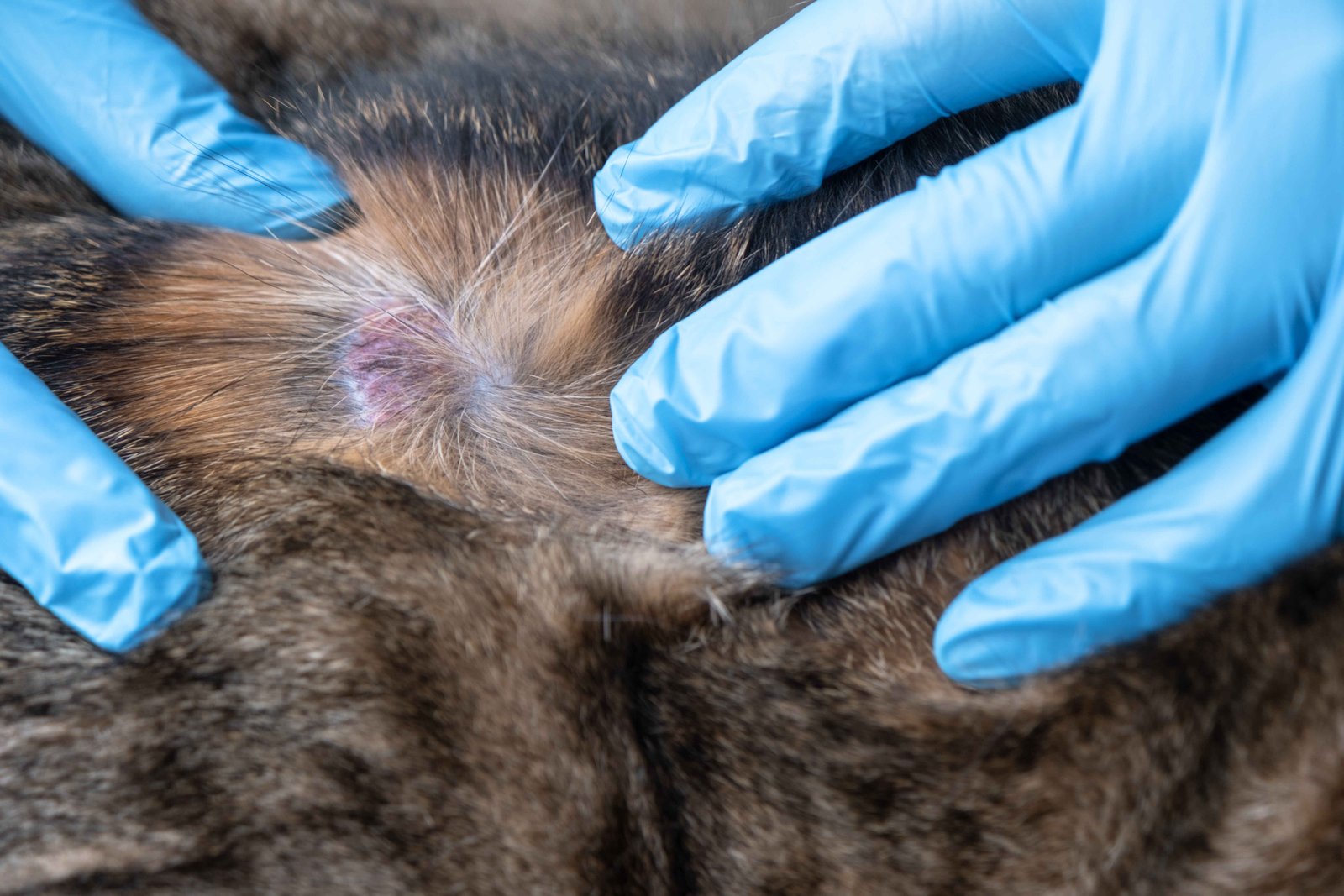


Bringing a new dog into your home is one of life’s greatest joys, but it can also feel incredibly overwhelming. Whether you’ve just adopted a bouncy puppy or a mellow senior rescue, suddenly being responsible for another living creature’s health, happiness, and behavior is a big deal. If you are reading this, you are likely looking for a comprehensive dog care guide to ensure you are doing everything right.
You are not alone in feeling this way. Every first-time dog owner asks themselves exactly how to take care of a dog properly. Most dog owners don’t struggle because they don’t care, they struggle because they follow the wrong advice. This guide fixes that. The reality is simple: a well-cared-for dog isn’t just obedient, it’s confident, calm, and deeply bonded to you. That’s the real goal of proper dog care.
While dogs require commitment, mastering a reliable daily care routine is completely achievable once you establish the right habits. We’ve designed this clear, highly practical first-time dog owner guide to strip away the confusion. We will walk you through exactly what your new best friend needs, from their daily meals to their emotional well-being. This guide is based on common patterns observed by trainers, veterinarians, and experienced dog owners.
Dog Care Guide Checklist (Quick Answer)
If you need to know the essentials at a glance, here is your ultimate beginner dog care checklist. To keep your dog healthy and happy, you must provide:
- Feeding: A high-quality, age-appropriate diet measured out twice daily.
- Water: Constant access to fresh, clean drinking water.
- Exercise: At least 30 to 60 minutes of physical activity every single day.
- Grooming: Regular brushing, nail trims, and dental care to maintain hygiene.
- Vet Care: Annual check-ups and strictly maintained parasite preventatives.
- Training: Consistent, positive-reinforcement training for basic manners.
- Mental Stimulation: Puzzles, chew toys, and varied environments to prevent boredom.
Why Most Dog Advice Fails
The problem with most dog advice online is that it treats symptoms instead of causes.
- Barking? Train it.
- Chewing? Correct it.
- Pulling? Fix the leash.
But in reality, these behaviors are usually side effects of unmet physical or mental needs. Fix the root cause, and the behavior often disappears without correction.
The Biggest Shift in Modern Dog Care
Modern dog care has shifted dramatically from strict control to empathetic understanding. Instead of forcing obedience through dominance, experienced owners focus on meeting a dog’s physical and mental needs first. Why? Because most behavioral problems disappear entirely when those core needs are fulfilled.
Here is a truth that separates good owners from great ones: Dogs don’t misbehave randomly. In most cases, behavior is communication, not disobedience. When you learn to listen to what their behavior is telling you, taking care of a dog becomes vastly easier and infinitely more rewarding.
The One Rule That Simplifies Dog Care
If you remember only one thing from this guide, let it be this: most problems in dogs are not training problems, they are unmet needs.
Before correcting a behavior, stop and ask yourself:
- Has my dog exercised enough today?
- Have they had adequate mental stimulation?
- Have I been consistent with my rules?
In most cases, simply fixing these underlying deficits removes the unwanted behavior without any need for punishment. This is the secret that transforms a stressed household into a peaceful one.
The 3 Pillars of Dog Care
To truly understand canine wellness, it helps to visualize a simple mental model. Every decision you make for your pet falls into one of three interconnected pillars. If one pillar crumbles, the others follow.
- Physical: This encompasses high-quality nutrition, appropriate cardiovascular exercise, preventative veterinary care, and grooming.
- Mental: This includes obedience training, puzzle-solving, sniffing on walks, and cognitive enrichment to prevent destructive boredom.
- Emotional: This is the foundation of your bond. It requires predictable routines, a safe environment, clear communication, and daily affection.
What Does a Dog Need Every Day?
Understanding what are the basic needs of a dog is the foundation of a happy household. Every single day, without fail, your dog needs:
- Nutritional Sustenance: Measured meals tailored to their weight and age.
- Hydration: A clean bowl of water that is changed daily.
- Potty Breaks: At least 3 to 5 opportunities to relieve themselves outdoors.
- Physical Exertion: A walk, a run, or a vigorous game of fetch to burn energy.
- Affection and Attention: Dogs are pack animals; they need daily petting, communication, and closeness with their humans to feel secure.
A pattern we often see as trainers and veterinary professionals is this: if even one of these core needs is consistently unmet, dogs don’t just become unhappy, they develop severe behavioral or health problems. Most of the frustrating issues owners face later in life can be traced directly back to neglecting one of these fundamentals.
The 3-3-3 Rule Every Dog Owner Should Know
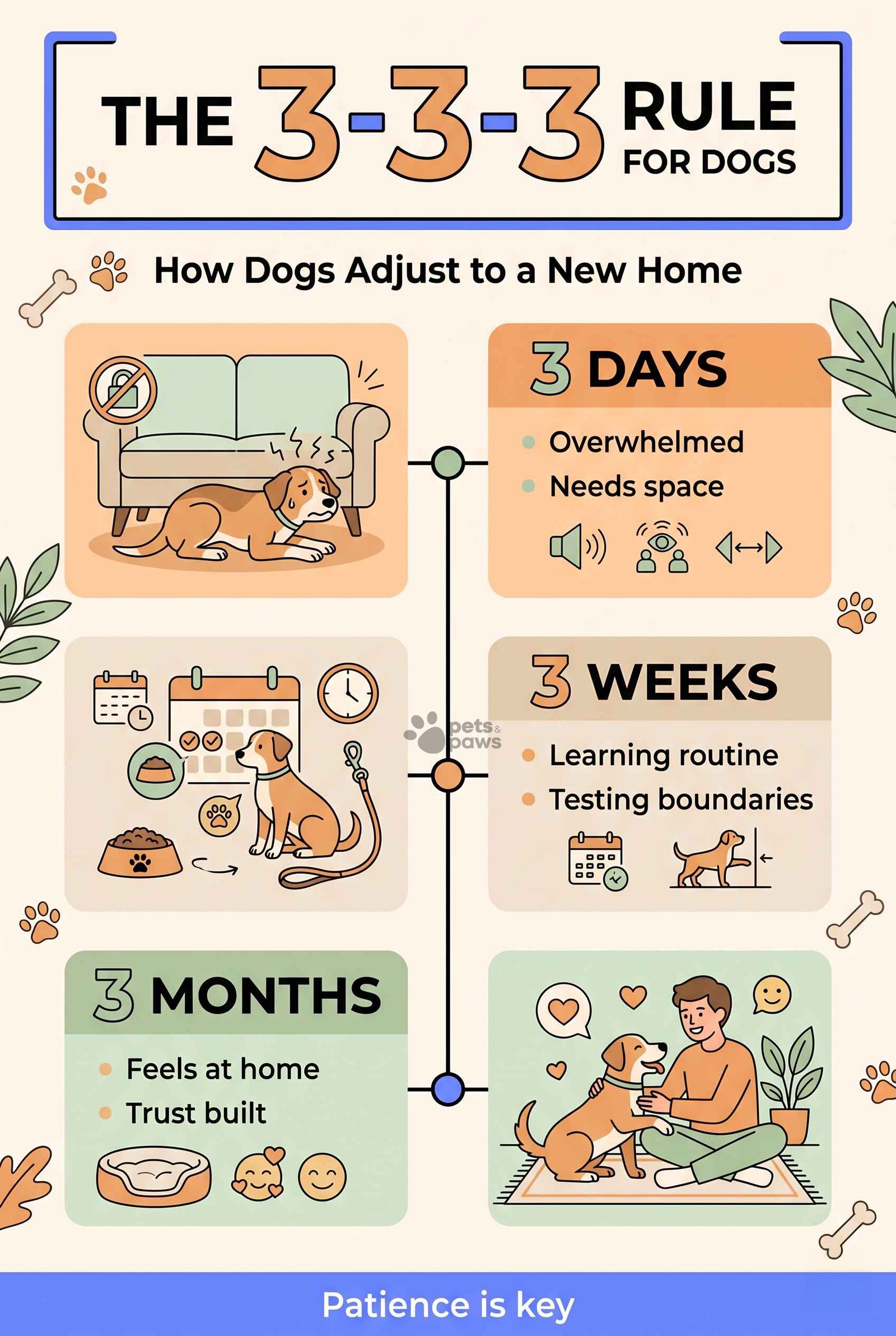
If you are bringing home a rescue dog, the 3-3-3 rule is your absolute survival guide. What is the 3-3-3 rule for dogs? It represents the psychological phases of a dog’s adaptation to a new home:
- 3 Days of Decompression: Your dog will be entirely overwhelmed. They might hide under the couch, refuse to eat, or seem completely shut down. Give them space and quiet time; do not force interaction.
- 3 Weeks to Learn the Routine: They will start to figure out your schedule. You will see their true personality emerge, but they might also start testing boundaries as they grow more comfortable.
- 3 Months to Feel at Home: By this point, the dog knows they are part of the family. A deep bond of trust has formed, and they fully understand the rules of the house.
In practice, expecting a newly adopted dog to instantly cuddle and behave perfectly on day one is a massive recipe for frustration. Patience is your best tool during these transitional months.
What Most New Dog Owners Get Wrong
Before diving into the specifics of care, it is vital to understand where most people fail. Veterinary professionals and behaviorists agree that new owners frequently make these core mistakes:
- Overfeeding: Treating food as love leads to a devastating canine obesity epidemic.
- Not Enough Exercise: Assuming a quick stroll to the end of the driveway is enough to tire out a working breed.
- Inconsistent Training: Allowing a dog on the couch one day, but yelling at them for it the next, creates massive anxiety.
- Ignoring Mental Stimulation: Forgetting that a dog’s brain needs just as much exhaustion as their legs.
- Expecting Instant Obedience: Assuming dogs understand English without putting in the weeks of repetitive, positive reinforcement required to teach them.
Feeding Your Dog Properly
What Should Dogs Eat?
What should dogs eat daily? Your dog’s primary diet should consist of a commercially balanced, high-quality kibble or wet food. For instance, growing pups need specific, concentrated nutrients found in the best puppy food for sensitive stomachs, while older dogs thrive on high-quality senior dog food. Always ensure you know exactly what dogs cannot eat, such as chocolate, grapes, onions, and xylitol. To treat your dog safely and add variety, educate yourself on what human foods are safe for dogs.
Dry Food vs Wet Food
When selecting your dog’s diet, you will inevitably face the choice between dry kibble and wet canned food. Both have distinct advantages:
- Dry Food (Kibble): Highly cost-effective, easy to store, and the crunchy texture helps scrape soft plaque off teeth. Best for general, everyday feeding.
- Wet Food: Higher moisture content helps keep dogs hydrated and is highly palatable for picky eaters. Best for senior dogs with dental issues, dogs recovering from illness, or mixed in as a high-value topper.
How Much Should You Feed a Dog?
Here is a difficult truth: a common pattern is that owners unknowingly overfeed their dogs every single day. In fact, canine obesity currently affects over 50% of pet dogs in many countries, leading to devastating joint issues and shortened lifespans. The feeding chart on the bag is a rough estimate, not a strict rule. More food does not mean a healthier dog. In fact, slightly underfeeding (keeping them lean within healthy limits) is proven to increase canine longevity far more effectively than overfeeding. You should feed your dog based on their ideal target weight, carefully measured with a standard measuring cup, and adjust based on their waistline and energy expenditure.
Feeding Schedule for Puppies vs Adults
In real-world situations free-feeding (leaving a bowl full of food out all day) makes house training incredibly difficult and destroys food motivation for training.
- Puppies (under 6 months): Require 3 to 4 small meals a day to sustain their rapid growth and stabilize blood sugar.
- Adult Dogs: Do best with 2 meals a day—once in the morning and once in the evening.
Once your dog’s nutrition is strictly under control, the next critical factor is physical activity—and this is exactly where many owners fall short.
How Much Exercise Does a Dog Need?
How much exercise does a dog need? While it varies heavily by breed, veterinary guidelines generally recommend 30 to 60 minutes of dedicated cardiovascular exercise daily.
Let’s address a major misconception: a fenced backyard is not a substitute for a walk. A dog alone in a yard will usually just sniff a bush, do their business, and lie down at the back door. You must actively engage them through walking, running, or playing fetch. If walking isn’t enough, consider low-impact alternatives, discovering the benefits of swimming for dogs is a game-changer for burning energy without stressing joints.
⚠️ Signs Your Dog Needs More Exercise
- Destroying objects or furniture
- Excessive, seemingly unprovoked barking
- Restlessness and inability to settle down
- Clingy, hyper-attached behavior
Here is a unique expert insight: one overlooked sign of insufficient exercise is not just destruction—but hyper-attachment. Dogs that don’t burn energy often become overly dependent on their owners, following them constantly from room to room and struggling to stay alone. If your dog is acting like “velcro,” they probably need a run.
Exercise Needs by Dog Type
Not all dogs are built for marathon running. Understanding your specific breed’s energy level is a crucial dog care tip to prevent both under-exercising and dangerous over-exertion:
- High-Energy Breeds (60–90+ minutes): Working and herding dogs like Siberian Huskies, Border Collies, and German Shepherds require intense, vigorous daily activity.
- Moderate-Energy Breeds (30–60 minutes): Breeds like Golden Retrievers and Boxers do well with a solid daily walk and a good game of fetch.
- Low-Energy Breeds (20–30 minutes): Giant breeds (like Great Danes) or brachycephalic dogs (like Pugs and Bulldogs) need shorter, low-impact strolls to prevent joint strain and overheating.
After a good workout, maintaining your dog’s physical exterior is the next step in responsible ownership.
How to Groom a Dog at Home
Learning how to groom a dog at home not only saves you money but also acts as a critical, hands-on health inspection.
- Brushing: Brush your dog several times a week to remove loose fur, distribute skin oils, and prevent painful mats. Understanding your dog’s coat type early can help you avoid massive, unexpected dog grooming costs later.
- Bathing: Only bathe your dog every 1 to 3 months, or when they are visibly dirty. Over-bathing strips their coat of natural, protective oils and causes severe itching.
- Nails: Trim their nails every 3 to 4 weeks. If you hear them clicking on the floor, they are too long and are actively altering the dog’s bone alignment in their paws.
- Teeth: Daily brushing is the gold standard. What owners often overlook is that active dental disease affects over 80% of dogs by age 3. Ignoring dental hygiene is dangerous. To protect their heart and kidneys from deadly oral bacteria, read our guide on taking care of your dog’s teeth.
Grooming naturally leads into broader health management, which requires a strong partnership with a veterinary professional.
Dog Health & Preventive Care
How often should you take a dog to the vet? Healthy adult dogs require a comprehensive wellness exam at least once a year. Senior dogs should be seen twice a year to monitor aging organs.
During these visits, your vet will administer core vaccinations (like Rabies and Distemper) to protect against fatal diseases. In most cases, the most crucial part of dog health is aggressive prevention. Keep your dog on vet-prescribed flea, tick, and heartworm preventatives year-round. Treating a preventable, deadly illness like heartworm is always vastly more expensive and emotionally taxing than paying for monthly preventative medications. For budget-conscious owners, explore our affordable dog care tips.
Early Warning Signs You Should Never Ignore
Because dogs instinctively hide pain, knowing what to look for is a non-negotiable part of proper dog care. Ignoring early symptoms doesn’t just delay treatment, it often turns small, manageable issues into expensive emergencies. Contact your vet immediately if you notice:
- Loss of Appetite: Skipping one meal is okay; skipping food for 24 hours is a serious red flag.
- Lethargy: Sudden unwillingness to play, walk, or even get up from their bed.
- Vomiting/Diarrhea: Especially if it lasts more than a day or contains visible blood.
- Sudden Behavior Changes: Uncharacteristic aggression, hiding, or flinching when touched usually indicates severe, hidden pain.
- Excessive Scratching: Frantic itching or chewing at paws usually points to allergies or a severe parasite infestation.
A physically healthy dog still needs direction, which brings us to the importance of behavioral foundations.
Training & Behavior Basics
Every dog needs to know basic safety commands: “sit,” “stay,” “come,” and “drop it.” When teaching these, rely strictly on positive reinforcement (high-value treats and praise) rather than physical punishment.
Dogs don’t understand commands, they understand patterns. If your cues, tone, or timing change constantly, your dog isn’t being stubborn, they’re confused.
Here is a micro-contradiction that changes everything: repeating a command like “sit, sit, sit” is one of the fastest ways to train your dog to completely ignore you. Say it once, wait for compliance, and reward heavily. If you want to dive deeper, you can explore our 5 essential tips for successful dog behavior and training.
If you are raising a young dog, it is crucial to avoid common puppy training mistakes. For house training, consistency is your best friend. Take your dog out first thing in the morning, after every meal, and right before bed. You can find highly structured advice in our dedicated guide on how to potty train your puppy.
Mental Stimulation & Emotional Care
A dog’s brain needs just as much of a workout as their body. A tired dog is a good dog, but a mentally exhausted dog is a calm dog. If your dog is destroying pillows or pacing the house, they likely lack cognitive enrichment. If you want to put a stop to the chewed-up couch when dogs are home alone, you must tire out their brain before you leave the house.
💡 Core Mental Enrichment Ideas
- 10-minute trick training sessions
- Frozen Kongs or lick mats
- “Find it” scent games with kibble
- Changing your daily walking route for new smells
Emotional care also means recognizing canine stress. Watch out for a tucked tail, pinned ears, or excessive lip licking. If you notice these behaviors, it is vital to review our dog anxiety symptoms checklist to intervene before panic sets in.
Common Problems New Dog Owners Face
New owners often panic when behavioral or health hiccups occur. Here is how to handle the most common issues:
- Nuisance Barking: Dogs bark because they are bored, territorial, or anxious. Yelling at them only makes them think you are barking too. If your dog barks excessively when left alone, it’s often a sign of unmet mental or physical needs. Here’s how to stop your dog barking effectively and safely.
- Refusing Food: A dog skipping a single meal isn’t an immediate crisis, but prolonged refusal can signal a medical blockage or severe illness. If your pet turns away from the bowl, read up on the causes and care for a dog not eating or drinking.
Dog Care Tips for Beginners
If you are looking for simple dog care tips to live by, remember these absolute rules:
- Be Consistent: Dogs thrive on predictable routines. Feed, walk, and train them at the same times every day.
- Be Patient: Your dog speaks a different language. It is your job to bridge the communication gap without anger.
- Supervise: Never leave a new dog loose in the house unsupervised until they are fully house-trained and past the chewing phase. Use a crate or a puppy playpen to keep them safe.
Dog Care Based on Breed Differences
Not all dogs require the exact same care. A high-drive Siberian Husky requires miles of running, while a French Bulldog can easily overheat and die on a simple summer walk. Furthermore, different breeds are genetically predisposed to specific ailments. Familiarizing yourself with dog health problems by breed will help you catch genetic issues—like hip dysplasia in large dogs or breathing issues in flat-faced dogs—before they become unmanageable.
Essential Supplies for Dog Owners
Before bringing your dog home, make sure you have the basics. Setting up your home correctly prevents early accidents and escapes. According to our checklist of essential supplies for new dog owners, you will absolutely need:
- A sturdy leash and a flat-buckle collar with a customized ID tag.
- Heavy-duty, stainless steel food and water bowls.
- A comfortable, appropriately sized dog bed.
- A wire or plastic crate for safe containment and potty training.
- Enzymatic cleaner to completely eliminate the odor of inevitable potty accidents.
Seasonal & Lifestyle Care
Dog care changes with the calendar. In the blazing summer, hot pavement can cause severe third-degree burns to your dog’s paw pads in seconds. Walk them only early in the morning or late at night. In the winter, wipe their paws immediately after walks to remove toxic de-icing salts. If you plan on traveling or hosting parties during the festive season, make sure to review our holiday dog safety tips to keep them secure amidst the chaos of guests, open doors, and toxic decorations.
Your Daily Dog Care Routine (Simple Plan)
To pull all of these daily habits together, you need a predictable schedule. Dogs are creatures of habit. Here is a simple, highly actionable daily framework you can adapt to your lifestyle to ensure success:
- Morning: 15–30 minute potty walk to stretch their legs, followed by their measured morning meal and fresh water.
- Afternoon: A quick midday potty break and 10–15 minutes of mental stimulation (like a puzzle toy or frozen Kong) to break up the boredom while you work.
- Evening: The primary cardiovascular exercise (30–60 minutes of walking or running), followed by their evening meal, 5 minutes of focused obedience training, and relaxing family cuddle time.
Conclusion
Understanding how to take care of a dog is a lifelong journey of learning, patience, and unwavering love. As you navigate these dog care basics, remember that nobody is a perfect pet parent on day one.
The difference between a difficult dog and an easy one is rarely luck, it’s structure, consistency, and understanding. If you focus on meeting your dog’s daily physical, mental, and emotional needs consistently, most behavior problems never appear in the first place. Good dog care isn’t complicated, but it is deliberate. Take a deep breath, grab the leash, and enjoy the incredible adventure of sharing your life with a dog!
A well-cared-for dog doesn’t just behave better, they live better. And that starts with you.
References & Further Reading
- American Veterinary Medical Association (AVMA): Pet Owner Resources & Preventative Care
- ASPCA: General Dog Care Guidelines
- Association of American Feed Control Officials (AAFCO): Understanding Pet Food and Nutritional Standards
- VCA Animal Hospitals: Preventive Health Care Guidelines for Dogs
Frequently Asked Questions (FAQ)
What is the 3-3-3 rule for dogs?
What owners often overlook is that a rescue dog will not instantly be grateful and cuddly on day one. In practice, the 3-3-3 rule explains the standard psychological adjustment period: 3 days of feeling overwhelmed and decompressing, 3 weeks to learn your routine and test boundaries, and 3 months to build trust and finally feel at home.
What are the basic needs of a dog?
A common pattern is that many assume a dog just needs food, water, and a backyard. In reality, true well-being depends on dedicated cardiovascular exercise, intense mental stimulation (like training or puzzles), a safe and comfortable shelter, and regular, proactive veterinary check-ups.
How do you show love to a dog?
Most people think hugging a dog or giving them endless treats is the best way to show affection. Here’s what actually happens: dogs interpret love through consistent structure and boundaries, gentle positive-reinforcement training, adequate daily exercise, and you speaking to them in a calm, soothing tone.
What annoys dogs the most?
In practice, humans treating dogs exactly like human babies causes immense stress. Dogs are heavily annoyed by tight hugs (which they interpret as terrifying restraint), staring directly into their eyes (which feels like a challenge), unpredictable loud noises, and being left completely alone for excessively long periods without a job to do.