
Have you ever caught a whiff of your dog’s breath and had to physically turn your head away? While it is incredibly easy to joke about “doggy breath,” that foul odor is actually one of the earliest, most reliable warning signs that your dog is dealing with hidden oral disease.
Proper dog dental care is about so much more than just a bright smile and fresh-smelling kisses. It is a vital, completely non-negotiable part of protecting their internal organs, preventing chronic daily pain, and boosting their overall longevity.
Whether you are dealing with a teething puppy chewing the living room furniture, an adult dog with yellowing teeth, or a senior dog becoming highly picky with their meals, this comprehensive guide will walk you through exactly what you need to know to protect their teeth from puppyhood to their golden years.
What Most Owners Miss About Dog Dental Care
One dangerous misconception seen repeatedly in veterinary clinics is owners waiting until their dog’s breath smells horrific before even thinking about establishing a dental routine.
Unfortunately, bad breath is often one of the later signs of decay. By the time you notice a strong, foul odor, plaque has frequently been building beneath the gumline for months or even years. Because dogs are remarkably stoic and incredibly good at hiding oral pain, regular visual checks and preventative brushing are absolutely essential to catch issues before they cause silent, daily suffering.
5 Dog Dental Care Mistakes Owners Make
Google and GPTs searches are filled with well-meaning owners looking for quick fixes. Avoid these common traps to ensure your dog’s mouth stays healthy:
- Waiting for bad breath: Assuming no odor means there is no disease developing under the gums.
- Using human toothpaste: Ingredients like fluoride cause severe stomach upset, and xylitol (a common artificial sweetener) is lethally toxic to dogs.
- Assuming dental chews replace brushing: Chews are fantastic supplements, but they physically cannot scrub the entire gumline where disease starts.
- Ignoring red gums: Healthy canine gums should be bubblegum pink (or naturally pigmented black), never angry red, swollen, or bleeding.
- Skipping annual dental exams: Only a veterinarian can take X-rays to check for hidden root decay and bone loss under the gums.
The 4 Stages of Dog Dental Disease (Periodontal Disease)
To truly grasp the importance of preventative dog dental care, you need to understand how the disease progresses. Veterinary dentists grade periodontal disease on a scale from 1 to 4.
| Stage | What is Happening | Is it Reversible? |
|---|---|---|
| Stage 1: Gingivitis | Mild redness at the gumline. Plaque is present but no attachment loss yet. | Yes. Can be completely reversed with daily brushing and a professional cleaning. |
| Stage 2: Early Periodontitis | Gums are swollen. Up to 25% loss of bone and tissue attachment around the root. | No. Damage is permanent, but progression can be stopped with vet intervention. |
| Stage 3: Moderate Periodontitis | Gums are bleeding and receding. 25-50% bone loss. Teeth may begin to loosen. | No. Requires deep scaling under anesthesia. Extractions may be necessary. |
| Stage 4: Advanced Periodontitis | Over 50% bone loss. Severe infection, root exposure, and highly mobile teeth. | No. Surgical extraction of affected teeth is mandatory to relieve severe pain. |
Why Small Dogs Often Have Worse Teeth Than Large Dogs
Many owners logically assume large breeds are more likely to develop dental problems because of their sheer bite force and diet. In reality, veterinary dentists treat severe, early-onset dental disease far more often in toy breeds like Chihuahuas, Yorkshire Terriers, and Pomeranians.
The reason comes down to basic anatomy. A 5-pound Chihuahua and a 150-pound Great Dane both have the exact same number of adult teeth: 42. However, the toy breed has exponentially less jaw space. This severe overcrowding leads to rotated teeth and tight, impossible-to-clean crevices where plaque and bacteria accumulate rapidly, making daily brushing even more critical for small dogs.
The “Picky Eater”
Consider a classic scenario often seen in veterinary practices: An 8-year-old Yorkshire Terrier suddenly becomes unusually picky with her food, frequently dropping kibble on the floor and walking away from meals she used to love.
The owner assumes the dog is simply aging and becoming fussy. However, during a routine veterinary physical, the vet discovers several loose teeth and Stage 3 periodontal disease. After a professional dental cleaning and necessary extractions, the dog returns to eating enthusiastically within days. The issue wasn’t the food; it was hidden pain.
The Hidden Dangers of Ignoring Your Dog’s Teeth
It is a highly concerning reality that by the age of three, up to 80% of dogs exhibit signs of periodontal (gum) disease. The destructive process starts when salivary proteins mix with food particles to form an invisible layer of plaque.
Within just 48 hours, undisturbed plaque hardens into calculus (tartar). This tough, cement-like substance traps harmful bacteria deep under the gumline, triggering severe inflammation.
If left untreated, this bacteria does not just stay in the mouth. Every time a dog with severe dental disease chews their food, bacteria are forced directly into their bloodstream. This systemic, ongoing infection can cause irreversible, long-term damage to major organs, particularly the heart valves, liver, and filtering units of the kidneys.
Can You Reverse Dog Dental Disease at Home?
This is a very common question, and the answer depends entirely on timing. You can only reverse Stage 1 dental disease (mild gingivitis) at home. If your dog only has a slight red line above their teeth and a thin layer of soft plaque, rigorous daily brushing can reverse the inflammation.
However, once plaque hardens into brown tartar (calculus), no amount of brushing will remove it. More importantly, if your dog has progressed to periodontitis (bone loss and receding gums), it is biologically impossible to reverse the damage at home. At that point, attempting to aggressively brush infected gums will only cause your dog severe pain and make them terrified of the toothbrush. You must seek veterinary intervention to reset their oral health baseline.
If You Only Follow One Piece of Advice…
If you feel completely overwhelmed by all the dental powders, water additives, wipes, specialized diets, and chews on the market, start with brushing.
While other products absolutely help, nothing consistently matches the mechanical effectiveness of a toothbrush used several times a week. Even 30 seconds of targeted brushing on the outer surfaces of the teeth is exponentially better than doing nothing at all.
8 Actionable Ways to Keep Your Dog’s Teeth Clean
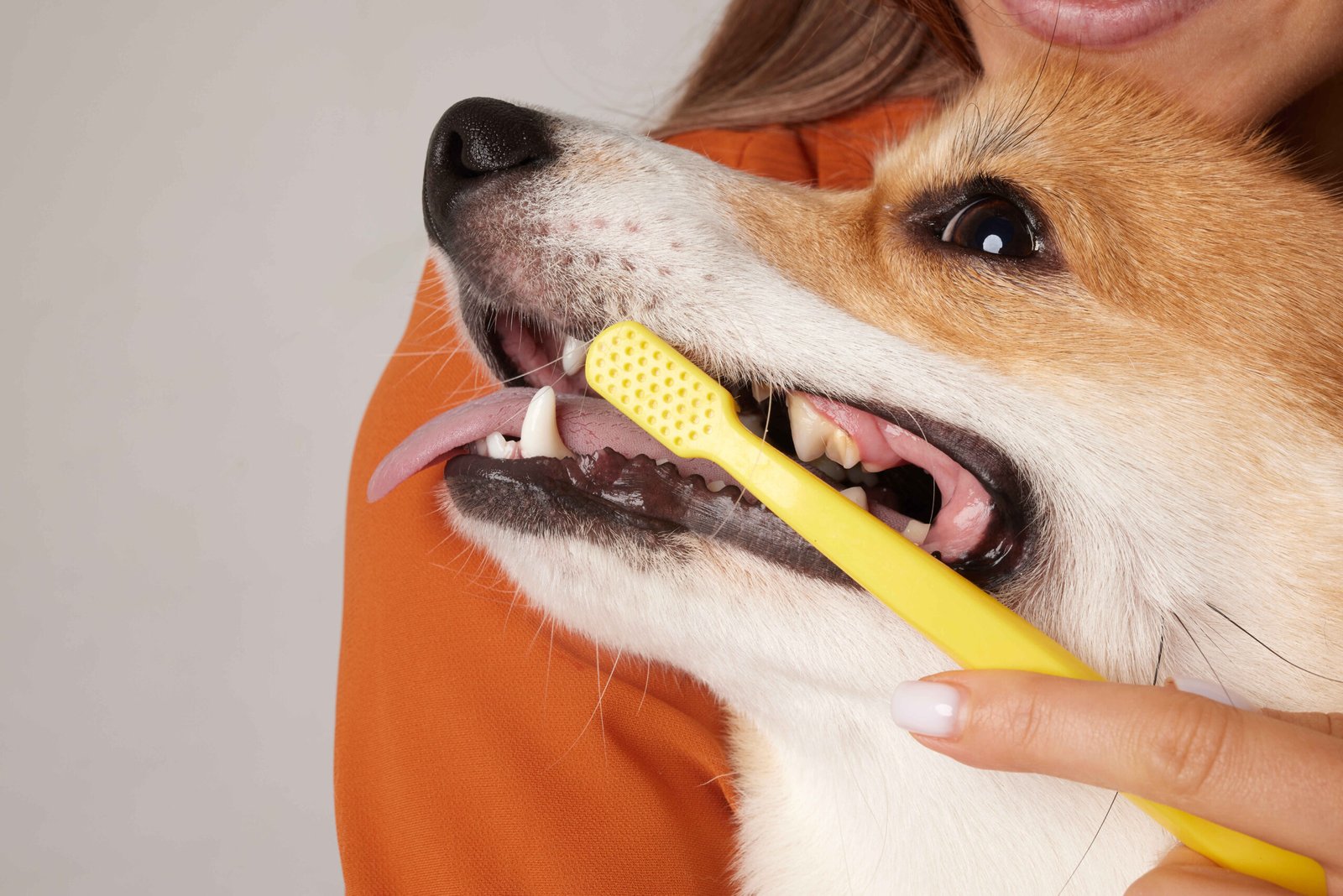
1. Daily Brushing (The Gold Standard)
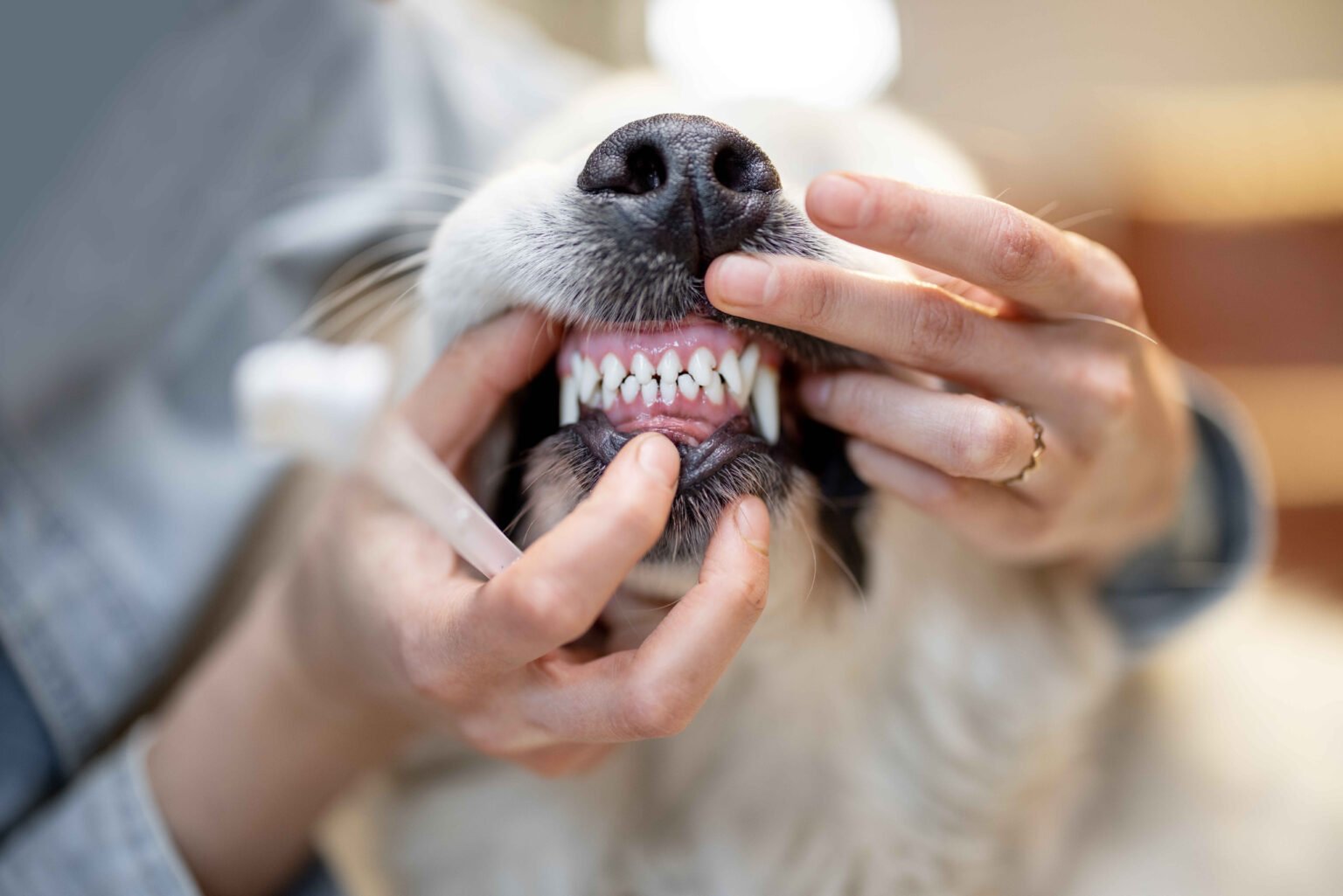
Nothing replaces the physical friction of toothbrush bristles scrubbing away sticky plaque. Aim for a minimum of three times a week to dramatically alter your dog’s oral health trajectory. Always use an enzymatic canine toothpaste formulated to be safely swallowed.
Pro Tip: The 7-Day Guide to Introducing the Toothbrush
- Day 1-2: Let your dog lick a pea-sized amount of toothpaste off your finger as a treat.
- Day 3-4: Gently lift their lip and rub the toothpaste against their gums with your bare finger.
- Day 5-6: Introduce a soft-bristled dog toothbrush. Let them lick the paste off the bristles.
- Day 7+: Lift the lip and gently brush the outside surfaces of the teeth in circular motions. Focus heavily on the back molars where tartar accumulates fastest. Keep sessions under 60 seconds!
2. Dog Dental Wipes
If your dog is absolutely terrified of a bristled brush, dental wipes are an excellent stepping stone. You wrap the textured wipe around your index finger and physically wipe the plaque off the outside of the teeth. It is less intrusive than a brush but still provides vital mechanical friction.
3. Utilize Enzymatic Water Additives
Water additives are a zero-stress supplement. These tasteless, odorless liquids contain specialized enzymes that work continuously to break down plaque and freshen breath while your dog simply stays hydrated throughout the day.
4. Invest in VOHC-Approved Dental Chews
Not all treats clean teeth. When shopping, look exclusively for the Veterinary Oral Health Council (VOHC) seal of acceptance. This guarantees the chew has undergone rigorous clinical trials proving it physically reduces plaque and tartar.
5. Choose Safe Chew Toys (The Knee-Cap Rule)
Chewing naturally scrapes teeth clean. However, follow the “Knee-Cap Rule”: If you wouldn’t want the toy hit against your own kneecap, it is too hard for your dog’s teeth. Avoid hard antlers, sterilized bones, and hard plastics to prevent painful, expensive tooth fractures.
6. Consider Prescription Dental Diets
For dogs prone to oral disease, specialized dental diets (like Hill’s t/d or Royal Canin t/d) feature a complex fibrous matrix. As the dog bites down, the large kibble holds together, acting like a squeegee that physically scrubs the tooth surface down to the gumline before breaking apart.
7. Sprinkle Seaweed-Based Dental Powders
Dietary supplements made from specific strains of kelp work systemically. The active compounds are secreted through your dog’s saliva over time, softening existing calculus and preventing new plaque from adhering to the enamel.
8. Schedule Annual Veterinary Dental Cleanings
Even with flawless at-home brushing, professional cleanings under general anesthesia are completely non-negotiable. Anesthesia is the only way a veterinarian can safely clean beneath the gumline, polish microscopic scratches out of the enamel, and take full-mouth X-rays.
Dental Care Across Life Stages: Puppy vs. Senior
Puppy Dental Care (0-1 Year)
One thing many new puppy owners notice is that their puppy suddenly starts chewing table legs, shoes, and hands around four to six months of age. In many cases, they’re simply trying to relieve teething discomfort as their 42 adult teeth push through the gums.
Provide soft, flexible chew toys chilled in the freezer to soothe inflamed gums. This is also the most critical window for handling training; gently touching their muzzle daily ensures a highly cooperative adult dog later on.
Senior Dog Dental Care (7+ Years)
Older dogs suffer the cumulative effects of a lifetime of plaque buildup. They are significantly more likely to require tooth extractions due to advanced disease. Do not fear extractions; dogs eat much more comfortably with missing teeth than they do with infected, painful ones.
Dog Tooth Extractions: What to Expect
Many owners panic when the vet calls during a dental cleaning to say a tooth needs to be pulled. Unlike humans, dogs do not typically receive root canals or crowns. The fastest, most effective way to eliminate the source of oral pain and stop the spread of bone infection is extraction.
Recovery is usually surprisingly fast. Most dogs are eating soft food the very next day. You will need to feed them canned food or heavily soaked kibble for 10 to 14 days while the extraction sites heal, and withhold all hard chew toys during this period. Once healed, their gums toughen up, and most dogs return to eating dry kibble without issue.
Natural vs. Commercial Dental Remedies
As holistic pet care rises in popularity, owners often look for natural alternatives. Be aware of the benefits and hidden risks:
- Raw Bones: Highly controversial. The American Veterinary Medical Association (AVMA) warns against them due to high risks of fractured teeth, intestinal blockages, and bacterial contamination.
- Carrots and Apples: Fantastic, natural alternatives. Frozen carrots act as an edible chew to scrape plaque, while apple slices (without toxic seeds) provide a tooth-cleaning crunch.
- Coconut Oil: Naturally antimicrobial, some use unrefined virgin coconut oil to reduce bacteria. However, it lacks the enzymatic scrubbing power of commercial toothpaste and adds unnecessary fat to the diet.
How Much Does a Professional Dog Dental Cleaning Cost?
Cost is a major concern, and it is important to budget for professional care. Because safe veterinary dentistry requires general anesthesia, the cost is naturally higher than a standard human dentist visit.
On average, a baseline cleaning (including pre-anesthetic bloodwork, IV catheter, anesthesia, scaling, polishing, and full-mouth X-rays) ranges from $300 to $800 depending on your region. If your dog requires extensive work, such as surgical extractions, nerve blocks, and post-operative pain medication, the bill can easily exceed $1,000 to $1,500. Investing in daily brushing is the single most effective way to save money on future veterinary bills.
Signs Your Dog Has Dental Disease
Do not wait for your annual vet visit if you notice any of these serious red flags in your dog’s behavior or appearance:
- Severe, foul-smelling breath (halitosis)
- Gums that are bright red, swollen, or bleed easily
- Visible yellow, brown, or gray crust on the teeth
- Dropping kibble from their mouth while trying to eat
- Favoring one side of the mouth to chew
- Pawing repeatedly at the mouth or rubbing their face on the carpet
- Excessive drooling, sometimes accompanied by blood
Conclusion
The biggest lesson I’ve learned from speaking with dog owners and veterinary professionals is that canine dental disease rarely appears overnight. It develops slowly, quietly, and often without obvious, dramatic warning signs.
Implementing a rigorous dog dental care routine may seem daunting at first, but consistency is key. Start small with a water additive or a high-quality chew, and slowly work your way up to regular brushing. A few minutes spent brushing each week may prevent years of silent discomfort, expensive surgical procedures, and unnecessary tooth loss later in your dog’s life.
Frequently Asked Questions (FAQ)
How often should I brush my dog’s teeth?
For the best results, you should brush your dog’s teeth daily. Plaque hardens into tartar in roughly 48 hours, so brushing at least three times a week is the absolute minimum requirement to effectively prevent periodontal disease from taking hold.
Is bad dog breath normal?
No, chronic bad dog breath is not normal. While a dog’s breath won’t smell like mint, a highly foul, rotting, or “fishy” odor is almost always an indicator of periodontal disease, oral tumors, or systemic issues like kidney disease that require a vet visit.
Are dental chews enough to keep my dog’s teeth clean?
No. While VOHC-approved dental chews are excellent supplements that reduce plaque and tartar buildup, they cannot replace the mechanical scrubbing action of a toothbrush or the deep, subgingival cleaning performed by a veterinarian under anesthesia.
What happens if a dog swallows human toothpaste?
Human toothpaste is highly dangerous for dogs. Swallowing fluoride can cause severe stomach upset, vomiting, and toxicity. Furthermore, many human toothpastes contain xylitol (an artificial sweetener), which causes a rapid, life-threatening drop in a dog’s blood sugar and potential liver failure. Always use dog-specific enzymatic toothpaste.
Why is anesthesia necessary for a dog dental cleaning?
Anesthesia is non-negotiable for a thorough cleaning. It keeps the dog completely still and pain-free, allowing the veterinarian to safely use sharp scaling tools beneath the gumline (where 60% of dental disease occurs) and take required dental X-rays without causing the dog severe trauma and stress.
How long does a dog dental cleaning take?
The actual procedure usually takes between 45 minutes to 2 hours depending on how many extractions are needed. However, your dog will likely spend the entire day at the clinic to allow for pre-surgical bloodwork, the procedure itself, and several hours of monitored recovery from the anesthesia.