


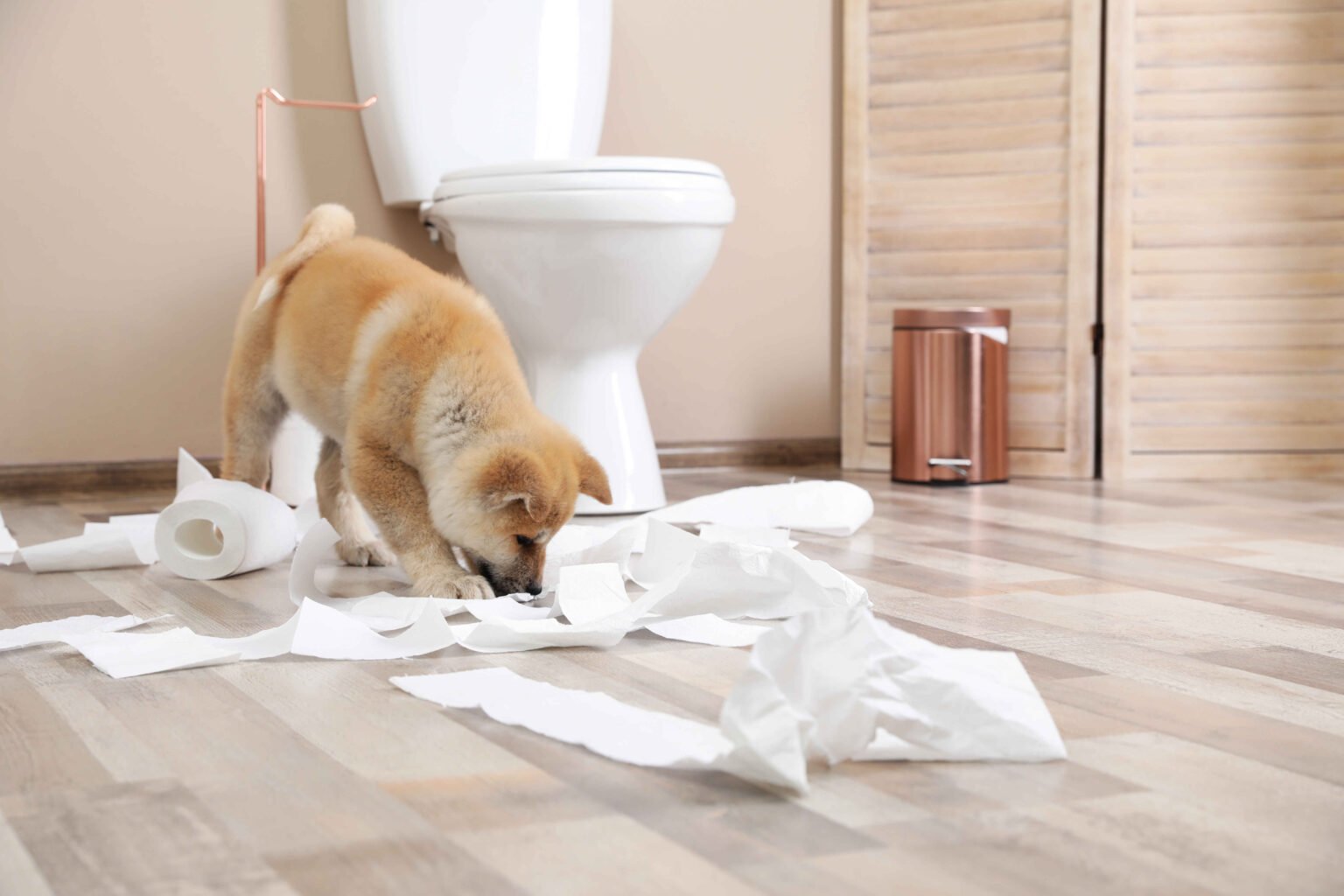
There is a specific sound that wakes a dog owner up faster than any alarm clock: the frantic scratching at the back door in the middle of the night. If you’ve ever had to rush your dog outside only to discover they have an upset stomach, you already know the stress and messy reality of canine digestive issues.
- Quick Answer: What Can I Give My Dog for Diarrhea?
- Dog Diarrhea but Acting Normal: Should You Worry?
- When Dog Diarrhea Is Usually Less Concerning
- What If My Dog Has Diarrhea for 3 Days but Acting Normal?
- The Best Dog Diarrhea Home Remedies
- Keep Your Dog Hydrated
- Feed a Bland Diet
- Consider a Vet-Approved Probiotic
- Give the Digestive System Time to Recover
- What Food Will Firm Up Dog Poop?
- How Do You Harden Loose Dog Stools?
- What Does Your Dog’s Diarrhea Look Like? (Stool Guide)
- Home Remedies You Should Avoid
- When Home Remedies Are Not Enough
- Puppy Diarrhea Requires Extra Caution
- Why Does My Dog Have Diarrhea? (Common Causes)
- How to Prevent Future Episodes of Diarrhea
- Key Takeaways
- Frequently Asked Questions (FAQ)
- What can I give my dog to stop diarrhea fast naturally?
- What home remedy is good for dogs with diarrhea?
- What stops diarrhea quickly in dogs?
- How do you settle a dog’s stomach from diarrhea?
- How do you harden loose dog stools?
- What if my dog has diarrhea for 3 days but acting normal?
- What food will firm up dog poop?
- Conclusion
- References & Scientific Further Reading
When you are staring at a mess in the yard, your first thought is almost always: “My dog has diarrhea. What can I safely do at home, and when should I stop trying home remedies and call a vet?”
You can breathe a sigh of relief knowing that mild, occasional diarrhea is incredibly common in dogs. They explore the world with their mouths, and sometimes their digestive tract just needs to hit the reset button. However, while many cases resolve quickly with simple at-home care, some require professional medical attention. If diarrhea is accompanied by other unusual symptoms, our guide on how to tell if your dog is sick can help you identify additional warning signs.
This article covers exactly what you need to know to take action today. We will walk through the safest dog diarrhea home remedies, the specific foods that help firm up loose stools, and the clear warning signs that tell you it is time to stop home treatment and contact your veterinarian.
Quick Answer: What Can I Give My Dog for Diarrhea?
If your dog has diarrhea but is acting completely normal, the best home remedy is often a short period of digestive rest followed by a bland diet. For otherwise healthy adult dogs, some veterinarians may recommend a short period of digestive rest before gradually reintroducing food. Puppies, seniors, diabetic dogs, and dogs with underlying medical conditions should be evaluated by a veterinarian before fasting.
Once you reintroduce food, feed them small, frequent meals of plain boiled chicken and white rice. You can also add a tablespoon of 100% pure canned pumpkin puree to increase their fiber intake.
Ensure they stay hydrated by providing constant access to fresh water. Do not give them human anti-diarrhea medications without a vet’s approval. If the diarrhea lasts more than 48 hours, contains blood, or is paired with vomiting and lethargy, stop using home remedies and call a veterinarian immediately.
Dog Diarrhea but Acting Normal: Should You Worry?
This is easily one of the most heavily searched scenarios. Your dog has liquid stool, but they are still running to the door for walks, wagging their tail, and acting completely like themselves. Should you worry?
When a dog has diarrhea but is “acting normal,” it means they have normal energy levels, bright and alert eyes, pink gums, and a healthy appetite. In these specific cases, monitoring your dog at home is usually a very reasonable and safe approach.
Veterinarians generally suggest that if a healthy adult dog is behaving perfectly fine aside from the loose stool, you can try supportive home care for 24 to 48 hours. Most mild cases of dietary indiscretion will resolve within this window.
However, you need to keep a close eye on their behavior. A dog can go from acting normal to severely dehydrated very quickly. If they suddenly lose their appetite, become reluctant to get out of bed, or if the diarrhea increases in frequency and urgency, the situation is getting worse. At that point, the “wait and see” period is over, and a clinical diagnosis is necessary.
When Dog Diarrhea Is Usually Less Concerning
Many times, owners can pinpoint exactly why their dog’s stomach is upset. In many cases, if you can identify a harmless trigger, the diarrhea is usually less concerning and highly likely to clear up with simple home remedies.
Examples of minor triggers include:
- One loose stool after stealing food: They grabbed a piece of plain bread or a safe human snack off the floor.
- Stress from travel: Long car rides or staying at a boarding facility can trigger stress colitis.
- New treats: You bought a new brand of training treats and gave them a few too many in one afternoon.
- Mild dietary changes: You ran out of their normal kibble and had to buy a slightly different flavor.
If you know exactly what caused the upset and it isn’t a toxic substance, supportive home care is usually all they need.
What If My Dog Has Diarrhea for 3 Days but Acting Normal?
This is where many owners get stuck. You’ve tried the chicken and rice, your dog is still playful and eating, but the diarrhea just won’t stop. What if my dog has diarrhea for 3 days but acting normal?
Duration matters heavily in veterinary medicine. Three days of liquid stool is the absolute limit for home monitoring, even if your dog seems perfectly fine. Here is why you must call the vet at this stage:
- Hidden Dehydration: Even if they are drinking water, three days of diarrhea means they are losing fluids and electrolytes faster than they can absorb them. Microscopic dehydration begins to tax their kidneys.
- Intestinal Parasites: Parasites like Giardia or Coccidia do not always make a dog lethargic right away. A dog can act completely normal while these parasites actively destroy their intestinal lining. Home remedies will never cure Giardia; it requires prescription medication.
- Food Intolerance: If it lasts three days, they may have developed an allergy or intolerance to their primary protein source, and no amount of pumpkin will fix a systemic allergic reaction.
The Best Dog Diarrhea Home Remedies
If your dog meets the criteria for home monitoring (acting normal, no blood, under 48 hours), here are the safest and most effective ways to help their digestive system recover.
Keep Your Dog Hydrated
Diarrhea causes a massive loss of fluids and electrolytes. The single most important thing you can do at home is prevent dehydration. Make sure your dog has constant, unrestricted access to fresh water.
If they are reluctant to drink plain water, you can offer them low-sodium, onion-and-garlic-free chicken bone broth to entice them. You must watch for signs of dehydration: gently pinch the skin on the back of their neck. If it snaps back into place immediately, they are hydrated. If the skin stays tented or falls back slowly, or if their gums feel dry and sticky, they need veterinary fluids.
Feed a Bland Diet
Once you are ready to reintroduce food (often after a brief period of digestive rest recommended by your vet), do not give them their normal kibble. Their intestines are inflamed and need easily digestible proteins and carbohydrates.
The gold standard is plain boiled chicken (white meat, no skin, no bones, no seasoning) mixed with plain white rice. White rice is preferred over brown rice because it is lower in fiber and easier for an inflamed stomach to break down. Feed them in small meals, offering three or four tiny portions throughout the day rather than two large meals.
Consider a Vet-Approved Probiotic
Diarrhea flushes out the good, healthy bacteria in your dog’s gut. Adding a canine-specific probiotic helps repopulate the intestinal tract with beneficial flora. Probiotics speed up recovery time, reduce intestinal inflammation, and firm up the stool much faster than a bland diet alone.
Give the Digestive System Time to Recover
Patience is a remedy in itself. You must absolutely avoid treats, dental bones, and table scraps during this recovery period. Avoid rich foods and sudden diet changes. Stick exclusively to the bland diet until the stool returns to a normal, firm consistency, then slowly transition back to their regular kibble by mixing it with the chicken and rice over several days.
What Food Will Firm Up Dog Poop?
If you are looking for specific ingredients to add to your dog’s bowl to fix a messy situation, certain foods are highly effective at absorbing excess water in the digestive tract.
Foods Often Recommended
- Plain pumpkin: This is a miracle ingredient. Add one to two tablespoons of 100% pure canned pumpkin puree (not pumpkin pie filling, which contains toxic spices and sugars). Pumpkin is rich in soluble fiber, which absorbs excess water in the intestines and adds bulk to the stool.
- Boiled chicken and white rice: As mentioned, this combination binds the stool and gives the GI tract a rest.
- Prescription gastrointestinal diets: If home cooking isn’t working, veterinarians carry highly digestible, fiber-balanced canned foods specifically designed to firm up poop quickly.
Foods to Avoid
Giving the wrong food will prolong the diarrhea indefinitely. You must completely avoid:
- Fatty foods: Fats are incredibly hard to digest and will speed up intestinal transit time, worsening the diarrhea.
- Dairy products: Most dogs are lactose intolerant. Cheese, milk, and yogurt will create more gas and liquid stool.
- Spicy foods: Never use seasoned meats or leftovers.
- Human snacks: Keep the peanut butter and hot dogs away until their stomach is 100% healed.
How Do You Harden Loose Dog Stools?
If your dog isn’t having explosive diarrhea, but rather a persistent, mushy, soft stool that is difficult to pick up on walks, you need a slightly different approach.
First, ensure you have a consistent feeding schedule. Feeding your dog at the exact same times every day regulates their digestion. Next, evaluate their fiber intake. Adding a daily spoonful of pure pumpkin or a specialized canine fiber supplement can provide the bulk needed to harden the stool.
Daily probiotics are excellent for chronic loose stools, as they constantly balance the gut microbiome. Ensure they maintain proper hydration, and if you recently changed their food, you may need to initiate a gradual return to normal food or switch to a kibble formulated for sensitive stomachs.
What Does Your Dog’s Diarrhea Look Like? (Stool Guide)
Just like vomit, the appearance of your dog’s stool provides massive clues about what is happening inside their body. Use this table to assess whether you should continue home remedies or call the clinic.
| Stool Appearance | Possible Meaning | Call Vet? |
|---|---|---|
| Soft, unformed stool | Mild stomach upset, eating too much | Usually not (Monitor) |
| Watery diarrhea | Intestinal irritation, stress, sudden food change | Monitor (Call if over 48 hrs) |
| Mucus in stool (Jelly-like) | Colon inflammation (Colitis), parasites | Sometimes (Call if persistent) |
| Bright red blood | Lower intestinal bleeding, severe irritation | Yes |
| Black, tarry stool | Digested blood from upper GI bleeding/ulcer | Yes |
| Greasy or gray stool | Malabsorption issue, pancreas or liver problems | Yes |
Home Remedies You Should Avoid
It is easy to panic and turn to the internet for a quick fix, but many popular myths can actually put your dog in danger.
The most important rule is to avoid human medications. Do not give your dog Pepto-Bismol, Imodium, or Kaopectate without explicit instructions from a veterinarian. According to PetMD’s veterinary guidelines on human medications, drugs like Imodium can actually trap dangerous toxins and bacteria inside your dog’s body, turning a mild bug into a severe infection. Furthermore, some human diarrhea medications contain salicylates (aspirin derivatives) which are highly toxic to dogs.
Avoid random internet remedies and essential oils, which are highly irritating to a dog’s liver and digestive lining. Do not use excessive supplements without a clear diagnosis. Giving medication without veterinary advice is the fastest way to complicate your dog’s recovery.
When Home Remedies Are Not Enough
There is a strict line between supportive home care and medical negligence. You must stop trying to fix the problem at home and call your vet if:
- Diarrhea lasts more than 48–72 hours.
- Blood appears (bright red streaks or jelly-like clots).
- Black stool appears (which looks like tar and indicates internal bleeding).
- Vomiting develops alongside the diarrhea.
- Your dog refuses food or water entirely for 24 hours.
- You notice severe lethargy, weakness, or inability to stand.
- Your dog shows signs of pain, such as whining, a hunched posture, or pacing.
Puppy Diarrhea Requires Extra Caution
If the patient is under six months old, the rules change entirely. You cannot take a relaxed “wait and see” approach with a puppy.
Because puppies can become dehydrated quickly, diarrhea in a young puppy warrants closer monitoring and often a call to your veterinarian, especially if symptoms persist, worsen, or are accompanied by vomiting, lethargy, or loss of appetite. Young dogs have underdeveloped immune systems, making them highly susceptible to parasites and deadly viruses like Parvovirus.
Why Does My Dog Have Diarrhea? (Common Causes)
If you find yourself constantly dealing with loose stools, it helps to understand what causes it in the first place.
Most cases of mild diarrhea are caused by simple, everyday occurrences that irritate the sensitive lining of the intestines. These include switching a dog’s kibble overnight without a gradual transition, eating something unusual off the ground, or sneaking rich, fatty table scraps. Stress from boarding or thunderstorms can also trigger loose stools.
However, chronic or severe diarrhea points to issues that need veterinary attention, such as intestinal parasites (Giardia, roundworms), bacterial infections, toxins, chronic digestive diseases like Inflammatory Bowel Disease (IBD), or even an intestinal blockage from swallowing a toy.
How to Prevent Future Episodes of Diarrhea
Once you get your dog’s gut back on track, you want to keep it that way. Practicing good digestive hygiene prevents future messes on your carpet.
Always use gradual food transitions; mix 75% old food with 25% new food, slowly shifting the ratio over 5 to 7 days. Prevent garbage scavenging by securing your trash cans and keeping your dog on a shorter leash if they like to eat things off the sidewalk. Maintain routine parasite prevention by giving them their monthly heartworm and intestinal worm chewables.
Most importantly, avoid sudden diet changes and stick to regular veterinary care to ensure their microbiome stays robust and healthy year-round.
Key Takeaways
- Mild diarrhea often improves within 24–48 hours.
- Hydration is the most important home treatment.
- Bland foods such as boiled chicken and white rice are commonly recommended.
- Blood, vomiting, lethargy, or diarrhea lasting more than a few days require veterinary attention.
- Puppies should be monitored more closely than adult dogs.
Frequently Asked Questions (FAQ)
What can I give my dog to stop diarrhea fast naturally?
To stop diarrhea fast naturally, start by consulting your vet about a brief period of digestive rest to let the intestinal inflammation calm down. Afterward, feed them a highly digestible, bland diet consisting of boiled white chicken breast and plain white rice. Adding a tablespoon of 100% pure canned pumpkin can also provide soluble fiber to help bind the stool.
What home remedy is good for dogs with diarrhea?
The most proven home remedy is combining a bland diet (chicken and rice) with a canine-specific probiotic. The bland diet gives the stomach a rest, while the probiotic actively works to restore the healthy bacteria in the gut that the diarrhea flushed away.
What stops diarrhea quickly in dogs?
Nothing stops diarrhea instantly, as the body is actively trying to expel an irritant. However, providing a brief period of digestive rest, followed by feeding a low-fat, low-fiber carbohydrate (like white rice) mixed with a lean protein, is the quickest way to settle the digestive spasms.
How do you settle a dog’s stomach from diarrhea?
Settle a dog’s stomach by providing them with a quiet, stress-free environment, ensuring they have access to plenty of fresh water to prevent dehydration, and removing all rich foods, treats, and chew bones until their bowel movements are completely solid again.
How do you harden loose dog stools?
You can harden loose stools by adding one to two tablespoons of plain canned pumpkin puree to their normal meals. The soluble fiber absorbs excess moisture. You should also ensure you are not overfeeding your dog, as giving them too much kibble is a common cause of soft, mushy stools.
What if my dog has diarrhea for 3 days but acting normal?
If your dog has diarrhea for 3 days, even if they are acting completely normal, you need to call a veterinarian. Three days of liquid stool can lead to hidden dehydration, and it strongly indicates an underlying issue, such as an intestinal parasite like Giardia, that requires prescription medication to cure.
What food will firm up dog poop?
Foods that firm up dog poop are low in fat and easily digestible. White rice, boiled potatoes, plain boiled chicken, lean ground turkey, and pure pumpkin puree are the best options. Avoid all dairy, high-fat meats, and heavily seasoned foods.
Conclusion
Dealing with canine digestive issues is an unfortunate, yet entirely normal, part of pet ownership. In most cases, mild diarrhea often improves with simple, supportive care at home. Prioritizing hydration, implementing a brief period of digestive rest, and transitioning to a bland diet are usually the safest and most effective first steps.
However, you know your dog better than anyone else. If your instincts tell you something is wrong, or if you encounter red flags like persistent diarrhea, blood, vomiting, or lethargy, do not hesitate to step away from the home remedies. Reaching out for professional veterinary attention is always the best way to ensure your dog recovers quickly and comfortably.
References & Scientific Further Reading
- American Kennel Club (AKC): A Survival Guide for Dog Diarrhea
- PetMD: Can You Give a Dog Imodium for an Upset Stomach?
- VCA Animal Hospitals: Diarrhea in Dogs
- Merck Veterinary Manual: Diarrhea in Dogs and Digestive Disorders
- American Veterinary Medical Association (AVMA): Household Hazards and Human Medications