
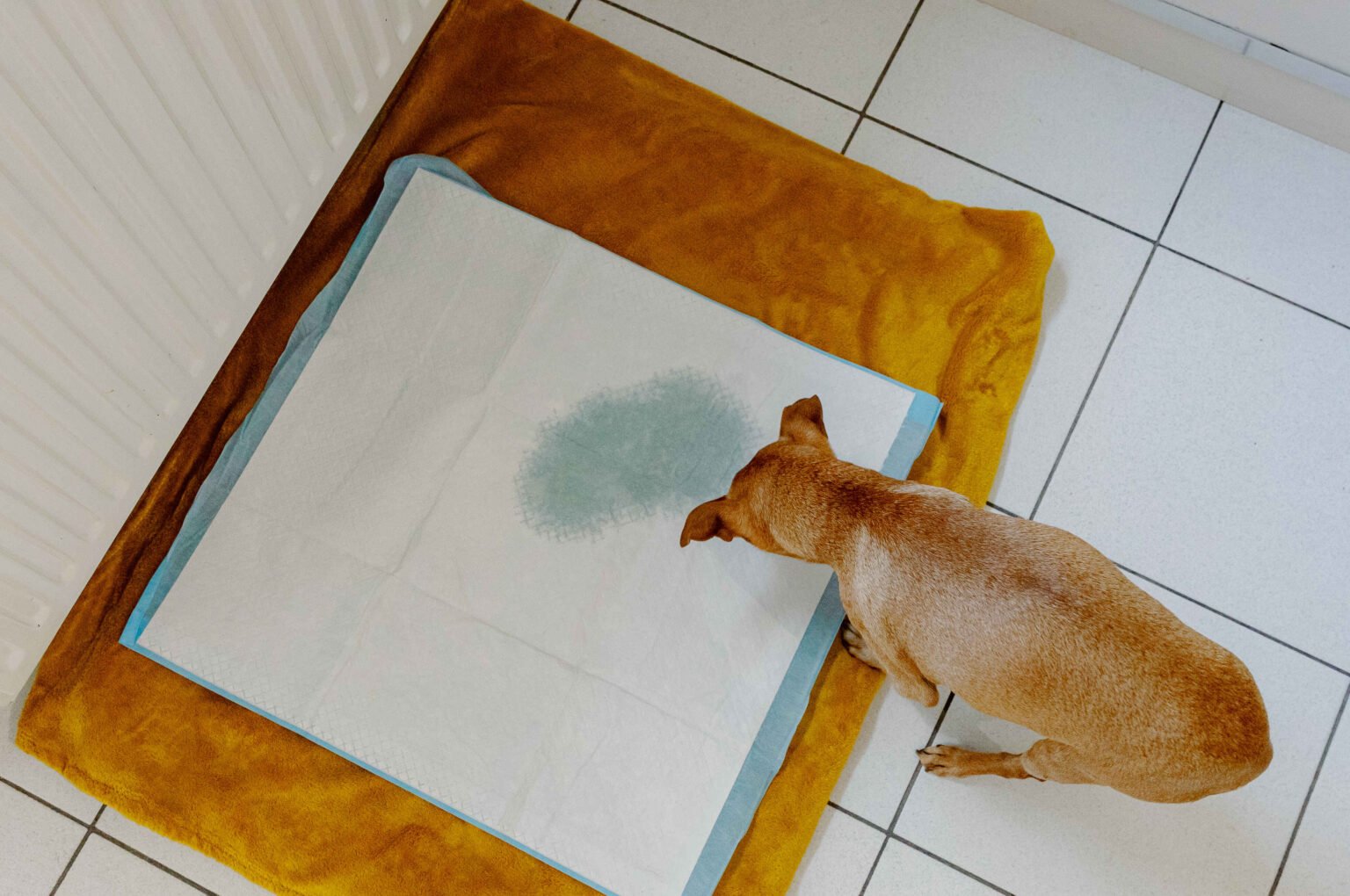
Dog UTI symptoms can include frequent attempts to urinate, straining, discomfort, blood in the urine, genital licking, and new accidents indoors. These signs are reasons to contact a veterinarian, but they do not confirm an infection. Bladder stones, obstruction, and other urinary disorders can look similar.
Emergency: if your dog repeatedly tries to urinate but passes no urine, seek veterinary care immediately. Passing only drops with repeated straining also needs urgent assessment. Do not wait for a home remedy or a urine sample. The American College of Veterinary Surgeons explains why urinary obstruction is dangerous.
Recognizing a change in bathroom habits
Compare what you see with your dog’s usual routine. A single accident does not explain the cause, while a new pattern of repeated attempts, discomfort, or altered urine deserves attention.
| Observation | Detail to report |
|---|---|
| More frequent trips outside | Whether each attempt produces a normal stream, a small amount, or only drops |
| Straining or prolonged squatting | Whether urine actually comes out and whether your dog cries or appears distressed |
| New accidents | Whether they happen while awake, asleep, or on the way outside |
| Pink, red, cloudy, or unusually strong-smelling urine | When the change began; appearance alone cannot identify bacteria |
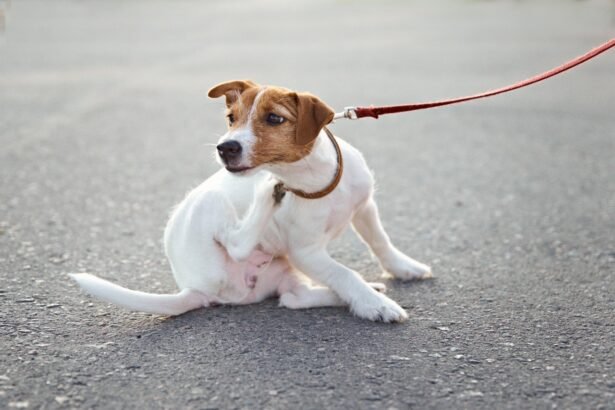
| Repeated genital licking | Any visible irritation or other urinary changes |
| Changes in thirst, appetite, or energy | Whether these started before or alongside the urinary problem |
Do not punish accidents or restrict drinking water to prevent them. If you cannot tell whether your dog is straining to pass urine or stool, describe the behavior to the clinic rather than assuming constipation.
What is a UTI?
A urinary tract infection involves microbes, usually bacteria, in the urinary system. Bacterial cystitis is an infection involving the bladder. Cystitis means bladder inflammation, which can also have noninfectious causes. Infection higher in the urinary tract requires different assessment and management.
The Merck Veterinary Manual’s guide to urinary infections in dogs explains why a urine sample and veterinary evaluation matter. A dog’s symptoms, sex, age, or previous UTI do not establish the diagnosis of a new episode.
Other problems that can resemble a UTI
- Bladder stones or a blockage: may cause blood, repeated attempts, or difficulty passing urine. Inability to urinate is an emergency.
- Incontinence: leakage while resting may reflect a problem with urine storage rather than an infection.
- Increased urine production: changes in drinking and larger urine volumes can accompany conditions such as diabetes or kidney disease.
- Prostate or other urinary disease: your veterinarian may consider these depending on the dog’s history and examination.
- Behavioral changes: marking or house-training problems may be relevant, but pain or a sudden change should not be dismissed as bad behavior.
For related observations, see our guides to excessive thirst and signs of diabetes in dogs. Neither guide can determine the cause of your dog’s symptoms.
How a veterinarian checks for infection
Your vet will ask about the symptoms, previous episodes, medications, and other health conditions. Urinalysis assesses urine properties and microscopic findings. A bacterial culture can identify bacterial growth and help guide antibiotic selection. Collection method and handling affect interpretation, so ask the clinic whether they want a sample collected at home or will collect one themselves.
Blood tests or imaging may be appropriate when the findings suggest stones, underlying illness, or a more complicated problem. The Merck professional guidance on bacterial cystitis describes diagnosis and management. Test results must be interpreted alongside the dog’s clinical signs.
Preparing for the appointment
Use this short handover note when calling the clinic. It helps communicate observations; it is not a home diagnostic test.
- Last normal urination: date and approximate time.
- Current output: normal stream, small amounts, drops, none, or uncertain.
- Changes: pain, blood, accidents, licking, thirst, appetite, vomiting, or reduced energy.
- History: previous urinary infections, stones, diabetes, or other diagnosed conditions.
- Products given: all medicines, supplements, and anything tried for this episode.
If the clinic requests a sample, follow its instructions about the container, collection, storage, and delivery time. Note when it was collected. Do not delay emergency assessment to obtain one, and do not give leftover antibiotics before discussing the situation with the vet.
Treatment and follow-up
Treatment depends on the diagnosis. When antibiotics are indicated, the veterinarian chooses the medicine and duration for that dog. Do not use another pet’s prescription, change the dose, or stop or extend treatment yourself. Ask what improvement to expect, when to call if it does not happen, and whether follow-up testing is needed.
Home observation can support treatment, but cranberry products, household remedies, and human urinary medicines do not replace diagnosis and an appropriate treatment plan. Keep fresh water available, provide opportunities to toilet, and record whether the normal urine stream and usual behavior return.
What if urinary symptoms return?
Contact the clinic instead of automatically repeating the last treatment. A recurrence may involve a new infection, an unresolved problem, stones, or another condition. Bring previous test results and treatment dates if you have changed clinics.
Ask: Was infection confirmed? Is a culture needed? Could an underlying condition explain the recurrence? What should trigger an urgent visit? These questions make the next step clearer without assuming every episode has the same cause.
Sources and editorial information
- American College of Veterinary Surgeons: Urinary Obstruction in Dogs
- Merck Veterinary Manual: Infectious Diseases of the Urinary System in Dogs
- Merck Veterinary Manual: Bacterial Cystitis in Small Animals
Updated October 14, 2026: Consolidated overlapping symptom guidance, brought the obstruction warning forward, and added a clinic handover checklist. This is general educational information, not an individual diagnosis. Source citations do not imply that the source authors reviewed or endorsed this article. See our editorial policy.