
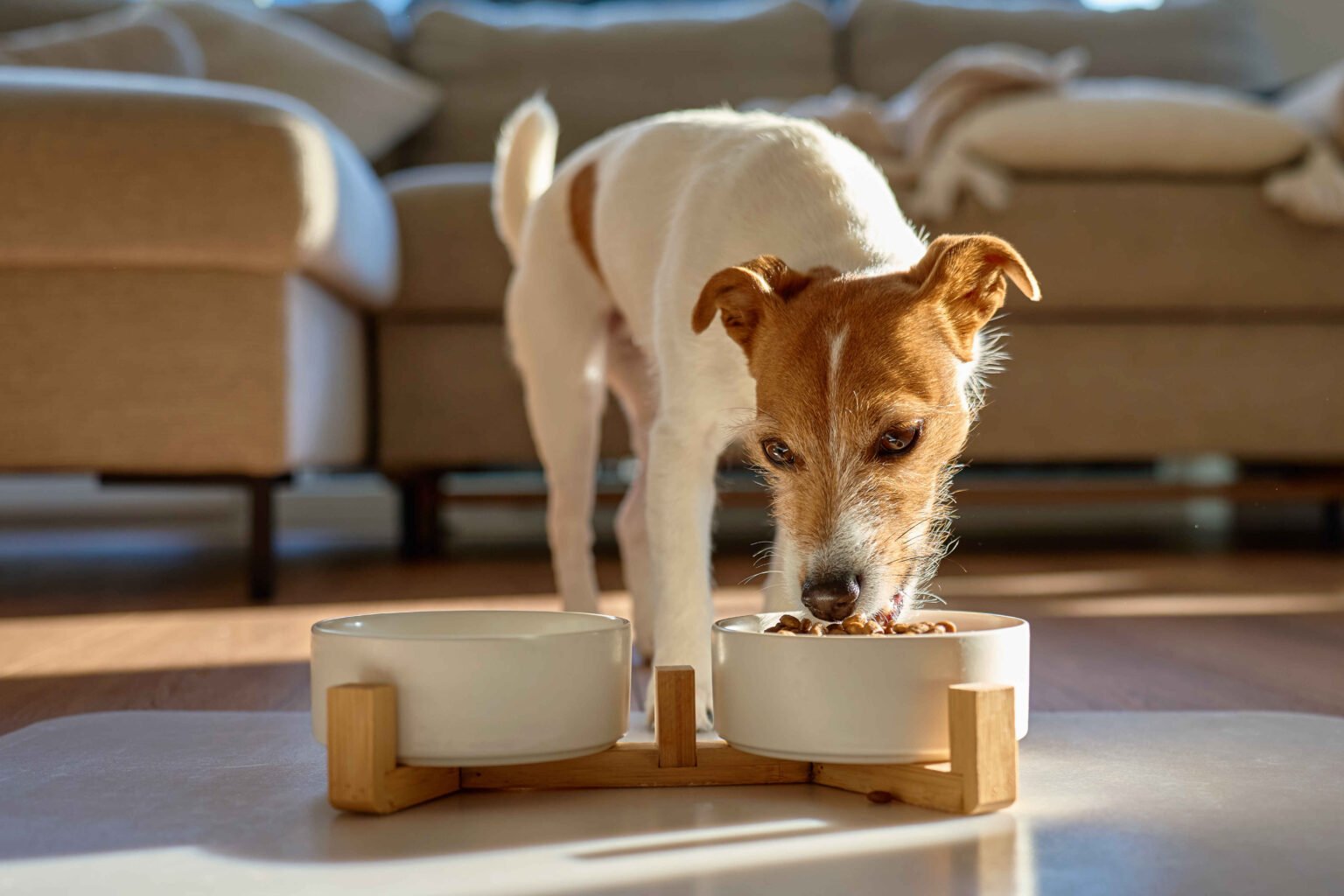
Dog seasonal eating habits can change with temperature, activity, routine, and lifestyle, but not every dog responds to seasonal changes in the same way. Changes in indoor versus outdoor exposure can all affect appetite and calorie needs, meaning the response varies significantly from dog to dog. If you notice a shift in your dog’s appetite when the weather changes, it is much more helpful to evaluate their daily lifestyle rather than assuming their diet is governed by a strict biological rule.
Understanding the actual drivers behind your dog’s changing appetite will help you make safe, practical decisions about their nutrition year-round.
Dog seasonal eating habits fluctuate with temperature, activity, routine, and lifestyle. Some dogs eat less during hot weather because they are less active, while dogs that spend more time outdoors in cold weather may need additional calories. However, not every dog needs seasonal diet changes, so food intake should be adjusted based on body condition and activity rather than the season alone.How Dog Seasonal Eating Habits Change With the Seasons
Seasonal changes can affect a dog’s appetite, but these shifts are not universal. A dog living primarily outdoors in a region with harsh winters and scorching summers will experience much more significant metabolic shifts than an indoor dog living in a climate-controlled apartment.
When evaluating your dog’s eating habits, it is essential to consider their specific environment, age, breed, and daily activity rather than relying on broad generalizations. A shift in appetite is usually a practical response to how many calories the dog is currently burning, rather than an automatic reaction to the time of year.
Why Some Dogs Eat Less in Summer
Many owners notice their dogs leaving kibble behind during the hotter months. There are several practical reasons why a dog’s appetite may decrease during the summer.
Hot Weather and Appetite
Hot weather can reduce a dog’s appetite. Many dogs become less active in high temperatures and may prefer to rest rather than eat a large meal. The combination of heat, reduced activity, and changes in routine can therefore lead some dogs to eat less during summer.
Reduced Activity
High temperatures often dictate shorter walks, less intense play sessions, and more time spent sleeping in the shade or air conditioning. With a substantial decrease in energy expenditure, dogs simply do not require as many calories to maintain their body weight. If your dog is moving less, they will naturally want to eat less.
Changes in Daily Routine
Summer often brings changes to household schedules. Family vacations, children being home from school, or shifting daily walk times to the early mornings and late evenings to avoid the midday heat can all disrupt a dog’s normal feeding routine. Dogs thrive on predictability, and schedule shifts can temporarily affect their desire to eat.
When Reduced Summer Appetite Is Normal
If your dog skips a meal during the hottest part of the day but eats well in the cooler evening, maintains a healthy body weight, drinks plenty of water, and exhibits normal energy levels for the temperature, a slight reduction in appetite is generally a normal response to the environment.
Why Some Dogs Eat More in Winter
Conversely, some dogs seem hungrier when the temperatures drop. This is typically driven by an increase in energy output rather than an automatic seasonal response.
Cold Temperatures
Dogs that spend substantial time outdoors in cold temperatures may need more calories because they use additional energy to maintain body temperature. The actual increase depends on the dog’s size, coat, activity, environmental conditions, and overall health.
Increased Outdoor Activity
Some dogs, particularly those bred for colder climates, are invigorated by cold weather. If your dog plays harder, hikes longer, and runs more frequently in the snow than they do during the humid summer, their caloric needs will increase proportionately to their activity level.
Working and Outdoor Dogs
Dogs that actively work outdoors, such as livestock guardians, hunting dogs, or sled dogs, experience a genuine increase in caloric requirements during the winter. Their bodies must sustain rigorous physical activity while simultaneously combating the cold, which requires a substantial increase in daily food intake.
Why Indoor Dogs May Not Need Extra Calories
A dog that spends most of its time inside a heated home does not face the same metabolic demands as an outdoor working dog. If their winter routine consists of quick bathroom breaks in the yard followed by resting indoors, they are not burning extra calories to stay warm. Increasing their food simply because it is winter outside will likely lead to unnecessary weight gain.
Do All Dogs Need More Food in Winter?
Assuming that every dog needs “winter bulking” is a common misconception. Caloric needs depend heavily on individual factors, and automatically increasing a dog’s portion sizes can lead to obesity.
| Dog Lifestyle / Breed | Expected Winter Caloric Needs |
|---|---|
| Indoor / Sedentary Dogs | Usually the same or less if weather prevents normal walks. |
| Working / Outdoor Dogs | Increase based strictly on workload and weather severity. |
| Northern / Double-Coated Breeds | Adjust to match their naturally increased winter activity. |
| Small / Short-Coated Dogs | May need closer monitoring because cold weather can reduce outdoor activity. |
| Senior Dogs | Monitor closely; cold weather can aggravate arthritis, causing them to move less and gain weight quickly. |
How Dog Seasonal Eating Habits Affect Food Intake
Rather than guessing based on the season, use objective measures to determine if your dog’s diet requires adjusting.
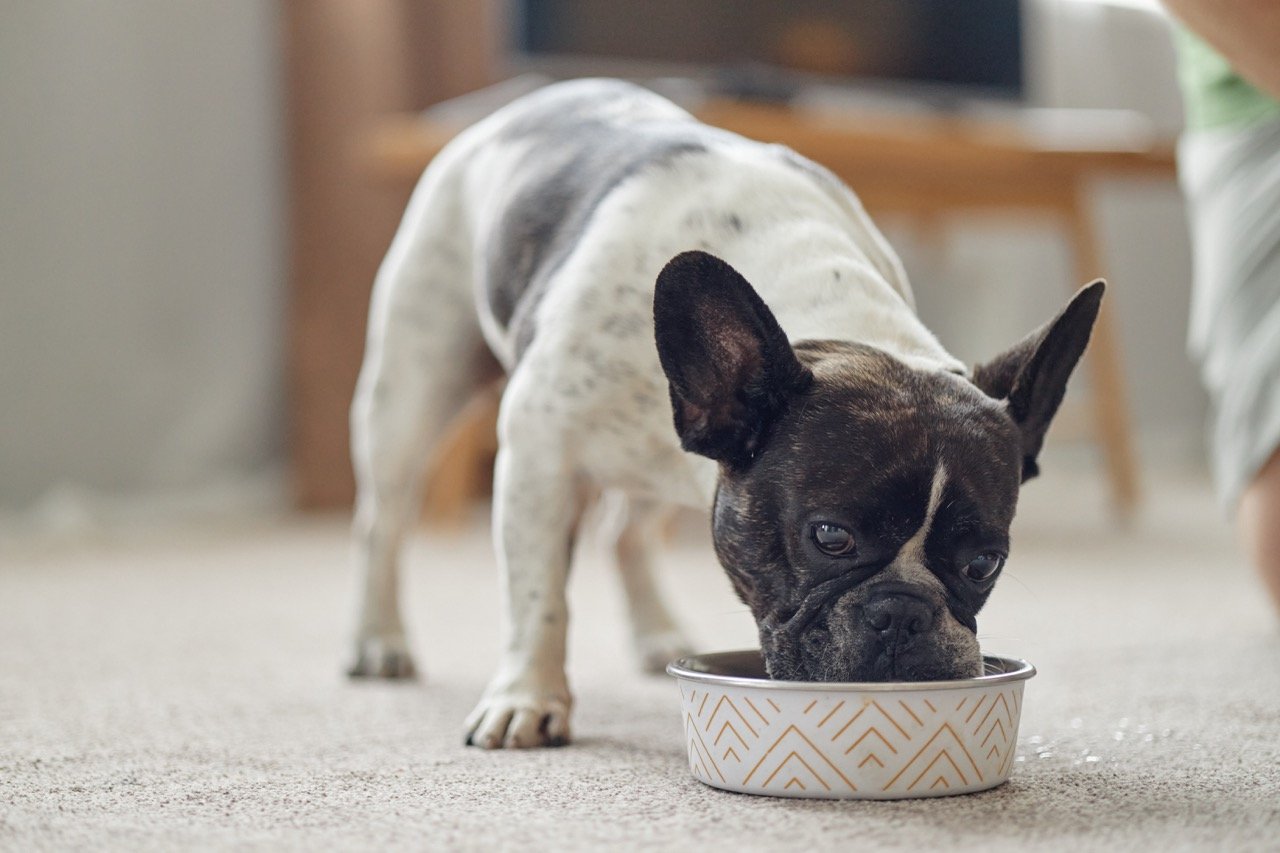
Body Weight
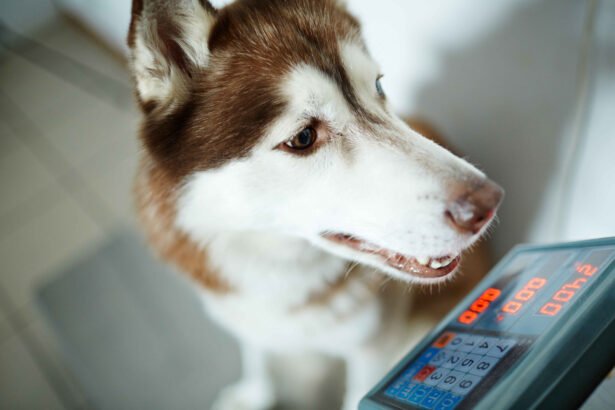
Weigh your dog regularly. Sudden drops or spikes in weight indicate a mismatch between calorie intake and energy expenditure. If your indoor dog is gaining weight in December, their portions likely need to be reduced, not increased.
Body Condition Score (BCS)
Following guidelines from veterinary organizations like the World Small Animal Veterinary Association (WSAVA), the Body Condition Score (BCS) is a useful way to assess whether your dog is carrying too much or too little body fat. You should be able to feel their ribs with gentle pressure, without a thick layer of fat obscuring them. When viewed from above, your dog should have a visible waistline behind their ribs. If you lose the ability to easily feel the ribs, the dog is likely overfed.
Activity Level
Always match food intake to how much your dog is actually moving. If winter weather restricts your usual two-mile walk to a quick trip down the street, their daily calories should reflect that decrease in physical activity.
Stool Quality
Consistently loose, large, or frequent stools can sometimes indicate overfeeding or an inability to properly digest the volume of food provided. A sudden change in stool quality should always be discussed with a veterinarian.
Should You Change Your Dog’s Food With the Seasons?
Usually, you do not need to switch to a completely different brand or formulation of food simply because summer or winter arrives. A high-quality, nutritionally balanced diet is appropriate year-round. What may need adjustment is the amount of food provided. Switching foods frequently can cause unnecessary gastrointestinal upset.
Summer & Winter Diet Management Strategies
How to Manage Your Dog’s Diet in Summer
Managing a dog’s diet in hot weather is primarily about hydration, safety, and accommodating reduced activity levels.
- Fresh water: Ensure constant access to clean, cool water to prevent dehydration. Wash water bowls frequently, as bacteria multiply rapidly in warm weather.
- Feeding during cooler periods: If the midday heat suppresses your dog’s appetite, offer meals during the cooler early morning or late evening hours.
- Monitoring appetite: Keep track of how much they are actually eating to ensure they are receiving essential nutrients over the course of the week.
- Avoiding unnecessary treats: Resist the urge to compensate for a skipped meal by offering high-calorie treats, which can unbalance their diet and promote picky eating habits.
- Heat safety: Never force a dog to eat or exercise in extreme heat. Allow them to rest and eat when they are comfortable. If your dog is eating less because of the heat, focus first on providing fresh water and offering their normal food during cooler parts of the day.
How to Manage Your Dog’s Diet in Winter
Winter diet management focuses on preventing weight gain in sedentary dogs and supporting the energy needs of highly active ones.
- Monitor weight carefully: Indoor dogs are highly prone to winter weight gain if their activity decreases but their portions remain the same.
- Account for increased activity: If your dog exercises heavily in the cold or works outdoors, discuss safe calorie adjustments with your veterinarian.
- Don’t automatically increase portions: Avoid the assumption that all dogs need extra winter calories. Assess the specific dog in front of you.
- Keep water available: Hydration is just as important in winter. Ensure outdoor water bowls do not freeze, and monitor indoor water intake, as forced-air heating can dry out the indoor environment.
- Consider indoor temperature: A warm house negates the need for extra calories dedicated to thermoregulation.
When a Seasonal Appetite Change Is a Warning Sign
It is easy to blame a loss of appetite on a hot summer day or a change in routine, but owners must remain vigilant for signs of underlying illness. A persistent change in eating habits should never be ignored. Warning signs that require immediate medical attention include:
Persistent appetite changes can sometimes indicate an underlying health problem. See our Dog Health Guide for more information.
When to Contact Your Veterinarian
A dog that refuses food should be monitored closely, but there is no single waiting period that applies to every dog. Contact your veterinarian promptly if the appetite loss is sudden, persistent, or accompanied by vomiting, diarrhea, lethargy, pain, weakness, excessive thirst, or other unusual symptoms. Puppies, senior dogs, and dogs with existing health conditions may need attention sooner.
If you believe your dog’s activity level warrants a change in their daily caloric intake, your veterinarian can help you calculate the appropriate portion size to maintain a healthy Body Condition Score safely.
Ultimately, navigating dog seasonal eating habits takes a sharp eye, observation, and an understanding of your unique dog’s lifestyle.
Sources & References
- American Kennel Club (AKC): Guidelines on Dog Nutrition and Feeding Practices.
- World Small Animal Veterinary Association (WSAVA): Global Nutrition Guidelines and Body Condition Score Framework.
- VCA Animal Hospitals: Nutrition and General Feeding Guidelines for Dogs.
Frequently Asked Questions (FAQ)
Do dogs eat less in hot weather?
Yes, it is common for dogs to eat less in the heat. As temperatures rise, many dogs naturally reduce their activity levels. Because they are resting more and their bodies require less energy to maintain an optimal core temperature, their caloric needs temporarily decrease.
Should I feed my dog more in the winter?
You should only feed your dog more in the winter if their activity level increases significantly or if they spend a large portion of their time working or living outdoors in the cold. Indoor dogs living in heated homes usually do not need extra food and may actually require less if bad weather prevents their normal daily walks.
Why is my dog skipping meals in the summer?
Heat can suppress appetite by making dogs feel lethargic and by reducing the body’s need to generate heat through digestion. If your dog skips a meal but acts normally, drinks plenty of water, and eats later when the temperature cools down, it is usually not a cause for concern.
How do I know if my dog is at a healthy weight?
The best way to assess weight is by using the Body Condition Score (BCS). You should be able to feel your dog’s ribs easily without pressing hard through a thick layer of fat. When viewed from above, the dog should have a visible waistline just behind the ribs. If you cannot feel the ribs, the dog is likely overweight.
Is it safe to change my dog’s feeding schedule in the summer?
Yes, adjusting feeding times can be very helpful. Shifting meals to the cooler early morning and late evening hours can encourage a dog with a heat-suppressed appetite to eat comfortably.
Can I give my dog warm food in the winter?
Adding a splash of warm water or dog-safe, unseasoned broth to dry kibble can make the food more appetizing and help increase their hydration. However, serving warm food is not biologically necessary for keeping an indoor dog warm.
When should I worry about my dog not eating?
A dog that refuses food should be monitored closely, but there is no single waiting period that applies to every dog. Contact your veterinarian promptly if the appetite loss is sudden, persistent, or accompanied by vomiting, diarrhea, lethargy, pain, weakness, excessive thirst, or other unusual symptoms. Puppies, senior dogs, and dogs with existing health conditions may need attention sooner.