
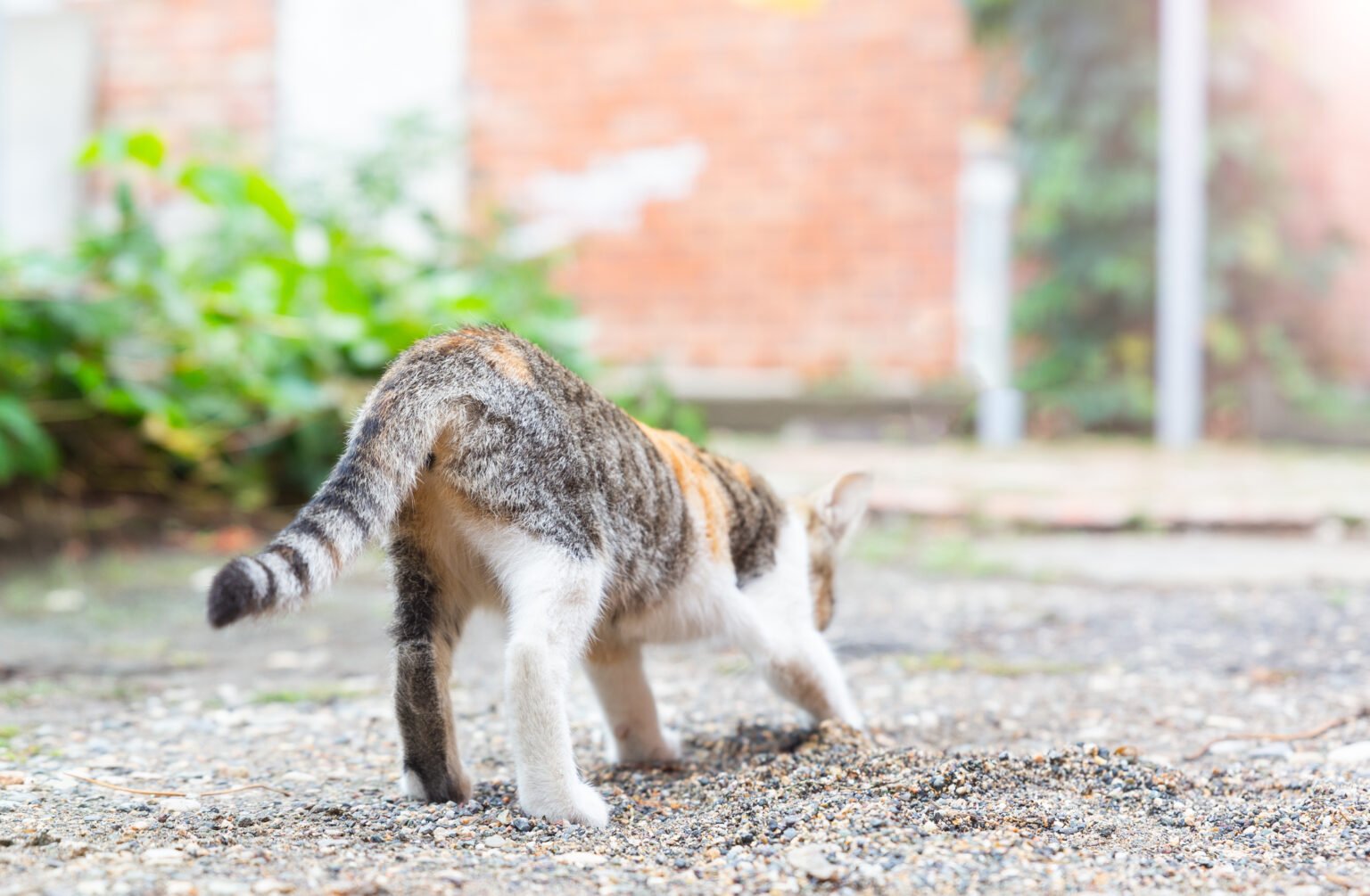
Cleaning the litter box is part of daily life for any feline owner, but noticing unformed, loose, or watery stool can quickly cause concern. Cat diarrhea is not a disease itself; rather, it is a clinical sign that something is disrupting your cat’s gastrointestinal tract. The causes can range from a mild, temporary dietary upset to a severe underlying illness.
Because digestive symptoms overlap heavily, evaluating the consistency, frequency, color, and duration of the diarrhea is critical for figuring out the next steps. This comprehensive guide will help you understand common cat diarrhea causes, what you can safely do at home, and exactly when to seek veterinary care.
Note: If your cat is exhibiting multiple gastrointestinal signs, refer to our broader guide on Cat Digestive Problems: Symptoms, Causes, Treatment & What to Do.
What Is Cat Diarrhea?
Diarrhea is characterized by the rapid movement of fecal matter through the intestines, resulting in unformed, loose, or watery stool. When the intestines are inflamed or irritated, they either fail to absorb water properly or actively secrete excess fluid into the bowel, preventing the formation of a normal, firm stool.
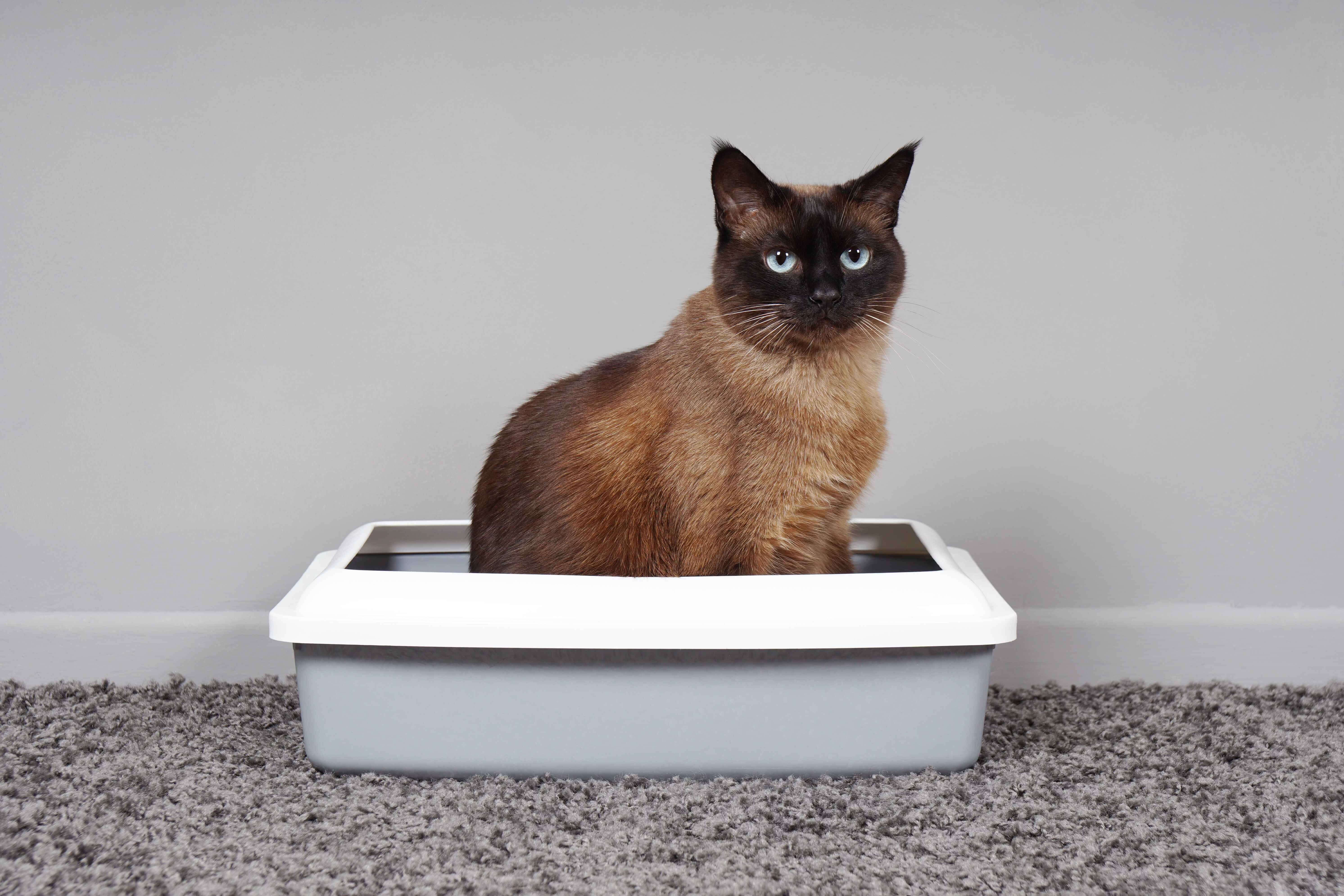
Normal cat feces should be dark brown, firm (but not rock hard), and log-shaped. Any significant deviation in consistency, frequency, color, or duration indicates a disruption in normal digestive health.
What Does Cat Diarrhea Look Like?
Paying close attention to what the diarrhea looks like provides vital clues for your veterinarian. You may notice:
- Loose or watery stool: Ranging from a soft, pudding-like consistency to completely liquid.
- Increased frequency: Making multiple urgent trips to the litter box within a few hours.
- Mucus: A jelly-like, shiny coating on the stool, often indicating inflammation in the lower intestine (colon).
- Fresh blood: Bright red streaks or drops (hematochezia), typically signaling lower intestinal irritation or bleeding.
- Black or tarry stool: Very dark stool (melena) can indicate digested blood from bleeding higher up in the digestive tract (stomach or small intestine). The Merck Veterinary Manual notes this as a potential sign of upper GI bleeding.
- Changes in stool color: Pale, yellow, or green stools can point to liver, gallbladder, or rapid transit issues.
- Small, frequent bowel movements: Often associated with large-bowel diarrhea (colitis).
- Straining: Pushing forcefully (tenesmus), which owners sometimes mistake for constipation.
Common Causes of Cat Diarrhea
Finding the correct cat diarrhea treatment requires identifying the root cause. Veterinarians generally look for the following common culprits:
- Sudden diet changes: Switching a cat’s food abruptly disrupts the gut microbiome.
- Food intolerance: A biological inability to digest certain ingredients, such as dairy.
- Food allergies: An immune response to a specific protein (e.g., chicken, beef, or fish).
- Eating inappropriate food: Ingesting spoiled food, toxic plants, or human table scraps (dietary indiscretion).
- Stress: Moving, loud noises, or new pets can trigger stress colitis.
- Intestinal parasites: Such as Giardia, coccidia, roundworms, and tapeworms.
- Infections: Bacterial (e.g., Salmonella, Campylobacter) or viral (e.g., Feline Panleukopenia, FeLV) infections.
- Inflammatory Bowel Disease (IBD): Chronic inflammation of the digestive tract, common in middle-aged and older cats.
- Pancreatic disease: Conditions like pancreatitis or Exocrine Pancreatic Insufficiency (EPI).
- Liver disease: Disrupts the production of bile and toxins clearance.
- Other systemic illnesses: Kidney disease, hyperthyroidism, and certain cancers can all cause diarrhea as a secondary symptom.
Why Does My Cat Have Diarrhea but Act Normal?
It can be confusing when you see a mess in the litter box, yet your cat is running around the house playing. If your cat has diarrhea but is still eating and drinking, they are likely experiencing a mild, localized upset.
A “cat diarrhea but acting normal” scenario is often triggered by eating something mildly irritating, a recent sudden diet change, or early-stage intestinal parasites. While a normal energy level is a good sign that the cat is not in immediate, life-threatening danger, normal behavior does not automatically mean the underlying cause is completely harmless. You should still monitor them closely to ensure the diarrhea resolves.
What Causes Diarrhea in Indoor Cats?
Many owners wonder how an indoor cat gets sick. Indoor cat diarrhea is very common and can be caused by:
- Diet and Stress: Sudden food changes, food intolerances, and stress from household changes affect indoor cats just as much as outdoor cats.
- Parasites: Indoor cats can contract parasites from potting soil, eating household insects (like flies or cockroaches), or from microscopic parasite eggs you accidentally track inside on your shoes.
- Hairballs: Frequent grooming can lead to hair blockages or severe irritation in the GI tract.
- Medications: Certain prescription medications, particularly antibiotics, disrupt the natural gut flora and cause diarrhea.
- Chronic Gastrointestinal Disease: Conditions like IBD or hyperthyroidism develop internally, regardless of whether a cat goes outside.
What Can I Give a Cat for Diarrhea?
When looking up what can you give a cat for diarrhea, it is crucial to remain conservative. The wrong medication can be fatal.
Do NOT give human medications. Never give your cat Pepto-Bismol, Imodium (loperamide), or Kaopectate without explicit veterinary instruction. Many human antidiarrheals contain salicylates (aspirin derivatives) or ingredients that are highly toxic to felines.
If you are wondering what can I give a cat for diarrhea safely, the only acceptable over-the-counter options include ensuring they have access to fresh water, feeding a vet-approved bland diet, or administering a specifically formulated feline probiotic recommended by your veterinarian to help restore healthy gut bacteria. For actual cat diarrhea tablets or prescription-strength kaolin/pectin binders, you must obtain a prescription from your vet.
Cat Diarrhea Treatment at Home
If your cat is an adult, fully vaccinated, acting completely normal, and has no other symptoms, you can attempt cat diarrhea treatment at home for 24 to 48 hours.
- Hydration: Diarrhea causes rapid fluid loss. Ensure your cat has access to multiple bowls of fresh water or a running water fountain.
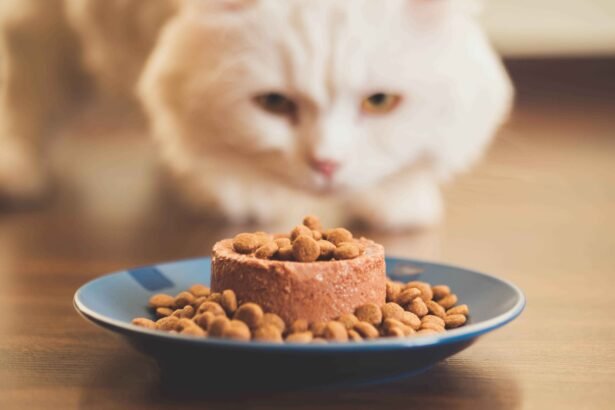
- Appropriate Diet: Do not starve your cat. Withholding food for more than 24 hours can cause fatal liver complications in felines (hepatic lipidosis). Instead, feed small, frequent meals of a highly digestible, bland diet (like boiled, unseasoned chicken breast and white rice) if your vet approves, or a prescription gastrointestinal diet. This is a great time to review the best cat food options for sensitive stomachs.
- Avoid Sudden Food Changes: Do not rapidly switch their regular kibble in an attempt to fix the stomach.
- Monitor Stool and Behavior: Keep a close eye on the litter box. If the diarrhea worsens, turns bloody, or the cat becomes lethargic, home care is no longer appropriate.
How to Stop Diarrhea in Cats
Owners frequently search for how to stop diarrhea in cats fast. However, there is no universal “stop” button because successful treatment depends entirely on the underlying cause.
If the diarrhea is caused by worms, you must use a targeted dewormer. If it is caused by a chicken allergy, you must transition to a novel protein diet. If it is caused by bacterial overgrowth, prescription antibiotics or probiotics are required. Masking the symptom without treating the root cause will only lead to the diarrhea returning. The fastest way to stop it is to get an accurate veterinary diagnosis.
Cat Diarrhea and Vomiting
If you notice cat diarrhea and vomiting simultaneously, your level of concern should rise immediately. This combination dramatically increases the risk of severe, rapid dehydration.
Cat diarrhea throwing up can indicate a severe gastrointestinal infection, ingestion of a toxic plant or chemical, pancreatitis, or an intestinal obstruction (such as swallowing string). A cat losing fluids from both ends cannot stay hydrated and requires prompt veterinary assessment, often including subcutaneous or intravenous fluid therapy.
Cat Diarrhea From Parasites
Parasites are a major cause of gastrointestinal upset, especially in younger cats.
- Tapeworms: Often contracted by ingesting infected fleas. If you notice cat diarrhea tapeworm segments (which look like small grains of rice around the anus), your vet will prescribe a specific dewormer like praziquantel.
- Roundworms: Common in kittens, causing a pot-bellied appearance and loose stool.
- Giardia & Coccidia: Microscopic single-celled protozoa that cause highly contagious, foul-smelling, and persistent watery diarrhea. The Cornell Feline Health Center provides excellent resources on managing and treating these stubborn parasites.
Over-the-counter dewormers do not kill all types of parasites. A veterinarian must analyze a stool sample to prescribe the correct medication.
How Long Should a Cat Have Diarrhea Before Going to the Vet?
Knowing how long should a cat have diarrhea before going to the vet depends on the cat’s age and overall health.
- Mild, isolated diarrhea in a healthy adult: If the cat is acting normally, you can monitor them at home for 24 to 48 hours.
- Persistent diarrhea: If the loose stool lasts longer than 48 hours without improvement, schedule a vet visit.
- Recurrent diarrhea: If the diarrhea comes and goes over several weeks, it indicates a chronic condition (like IBD or food allergies) that requires medical management.
- Diarrhea in kittens: Kittens have virtually no fluid reserves. Diarrhea can become fatal quickly. See a vet within 12 to 24 hours.
- Diarrhea in senior cats: Older cats are highly prone to kidney disease and dehydration. Do not wait longer than 24 hours. You can read more in our guide on how to keep a senior cat healthy.
- Diarrhea accompanied by other symptoms: If accompanied by vomiting, lethargy, or blood, go to the vet immediately.
When Is Cat Diarrhea an Emergency?
Do not wait for a scheduled appointment if you observe any of the following critical warning signs:
- Significant amounts of fresh red blood in the stool
- Black, tarry, or extremely dark stool (indicating upper GI bleeding)
- Repeated, forceful vomiting
- Severe lethargy, weakness, or sudden collapse
- Severe abdominal pain (vocalizing when picked up, or walking hunched over)
- Visible signs of severe dehydration (sunken eyes, pale gums, sticky saliva)
- Complete refusal to eat or drink for more than 24 hours
- Suspected ingestion of a toxin, poison, or linear foreign body (like thread or yarn)
- Rapid deterioration of their overall condition
How Do Veterinarians Diagnose Cat Diarrhea?
To pinpoint the exact cause, your veterinarian will utilize a structured diagnostic process:
- Medical history: Asking about diet, treats, medications, and symptom duration.
- Physical examination: Palpating the abdomen for pain, masses, or fluid, and checking hydration levels.
- Fecal examination: Testing a stool sample (fecal float and smear) for worms, Giardia, and abnormal bacteria.
- Blood tests: To check for systemic diseases like hyperthyroidism, kidney failure, or liver issues.
- Urinalysis: Used alongside bloodwork to evaluate organ function.
- Imaging: X-rays to look for blockages or foreign bodies, or an ultrasound to examine the thickness of the intestinal walls and the health of the pancreas.
- Additional testing: Specialized blood panels for pancreatitis (fPLI) or B12/folate levels to test for malabsorption.
How to Prevent Cat Diarrhea
While you cannot prevent every illness, you can protect your cat’s gastrointestinal tract with these best practices:
- Gradual food transitions: Always switch to a new cat food slowly over a 7 to 10-day period.
- Consistent diet: Avoid feeding them a rotating carousel of different rich treats or human table scraps.
- Parasite prevention: Keep your cat on year-round, vet-approved parasite control.
- Avoiding inappropriate foods: Keep toxic plants, dairy products (most cats are lactose intolerant), and household chemicals securely out of reach.
- Stress reduction: Provide a calm environment with vertical spaces and predictable routines.
- Good hygiene: Clean litter boxes daily to prevent the spread and reinfection of parasites.
- Regular veterinary care: Annual or bi-annual checkups help catch systemic diseases before they cause chronic diarrhea.
Frequently Asked Questions
What can I give a cat for diarrhea?
Do not give human medications like Pepto-Bismol or Imodium, as they can be highly toxic to felines. Provide plenty of fresh water to prevent dehydration. Your veterinarian may prescribe a specific feline probiotic, a prescription anti-diarrheal, or a specialized highly digestible veterinary diet.
What can I do at home if my cat has diarrhea?
If your adult cat is acting completely normal and has no other symptoms, ensure they have access to plenty of water. You can temporarily offer small meals of a highly digestible, bland diet (if approved by your vet) and monitor their litter box closely for 24 to 48 hours.
What food will stop diarrhea in cats?
There is no single “magic” food. If the diarrhea is caused by dietary indiscretion, a prescription bland diet can soothe the gut. If it is caused by a food allergy, a novel protein or hydrolyzed protein diet is required. Always transition foods gradually.
How do I stop diarrhea in cats?
Diarrhea is stopped by accurately diagnosing and treating the underlying cause. This may require targeted dewormers for parasites, antibiotics for bacterial infections, steroids for Inflammatory Bowel Disease (IBD), or dietary changes for food intolerances.
Can cat diarrhea go away on its own?
A mild, acute case of diarrhea caused by a minor dietary upset or a stressful event may resolve on its own within 24 to 48 hours. However, if it persists longer, contains blood, or is accompanied by vomiting, it requires veterinary intervention.
What if my indoor cat has diarrhea?
Indoor cats are still highly susceptible to diarrhea. They can experience stress colitis, develop food allergies, suffer from chronic diseases like hyperthyroidism or IBD, or contract parasites tracked inside on shoes or from ingested household insects.
What should I do if my cat has diarrhea but is acting fine?
If they are still playing, eating, and drinking normally, monitor them closely for 24 to 48 hours while ensuring they stay hydrated. If the loose stool persists beyond two days, or if they suddenly become lethargic, schedule a veterinary appointment.
How long should a cat have diarrhea before going to the vet?
A healthy adult cat should be seen if diarrhea persists for more than 48 hours. However, kittens, senior cats, or cats showing additional symptoms like vomiting, lethargy, or blood in the stool should be taken to the vet immediately.
Why does my cat have diarrhea but is still eating and drinking?
A cat that is still eating and drinking is likely experiencing a mild, localized gastrointestinal upset rather than a severe systemic illness. Early-stage parasites, mild food intolerances, or sudden diet changes often cause loose stool without immediately destroying the cat’s appetite.
What is the most common cause of diarrhea in cats?
The most frequent causes include sudden dietary changes, eating inappropriate items (dietary indiscretion), intestinal parasites (like roundworms or Giardia), food intolerances, and stress.
Can worms or parasites cause diarrhea in cats?
Yes, intestinal parasites are a leading cause of diarrhea, especially in kittens and outdoor cats. Giardia, coccidia, roundworms, and tapeworms can all severely irritate the intestinal lining, causing foul-smelling, loose, or watery stool.
Why is my cat having diarrhea and vomiting?
The combination of vomiting and diarrhea indicates a more severe gastrointestinal disruption. It can be caused by severe gastroenteritis, an intestinal blockage (foreign body), pancreatitis, toxins, or systemic organ failure. This combination causes rapid dehydration and requires prompt veterinary care.
What does unhealthy cat poop look like?
Unhealthy stool lacks a firm, log-like shape. It may be overly soft (like pudding), completely watery, contain jelly-like mucus, show bright red streaks of blood, or appear black and tarry. Pale or unusually colored stools also indicate digestive issues.
Can stress cause diarrhea in cats?
Yes. Felines are highly sensitive to their environments. A sudden change in routine, moving to a new home, loud noises (like fireworks), or the introduction of a new pet can trigger stress colitis, resulting in acute diarrhea.
Key Takeaways
- Diarrhea is a symptom, not a disease: It can be caused by simple diet changes, parasites, stress, or chronic systemic illnesses.
- Hydration is critical: Diarrhea causes rapid fluid loss. Ensure your cat has access to plenty of fresh water.
- Do not use human medications: Human antidiarrheals are highly toxic to cats. Never medicate your cat without veterinary approval.
- Monitor closely: If a healthy adult cat has mild diarrhea but acts normal, monitor for 24-48 hours.
- Know the emergencies: If diarrhea is accompanied by vomiting, severe lethargy, black/tarry stool, or fresh blood, seek emergency veterinary care immediately.