
Yes, Keeping a cat in a small apartment can work very well when the environment is designed around your cat’s physical and behavioral needs.
Instead of relying on expansive floor plans, a cat’s wellbeing depends on usable territory, environmental enrichment, security, and predictable access to resources. A thoughtfully designed small apartment that caters to these instincts can often provide a much more stimulating and comforting home than a massive, empty house.
In this guide, we will explore the practical setup required to successfully keep a cat in a small apartment. From maximizing vertical territory and managing the litter box to preventing boredom and keeping your space clean, you will learn how to build an environment where your cat can truly flourish.
Is Keeping a Cat in a Small Apartment a Good Idea?
Apartment living can work exceptionally well for cats because they are agile animals that navigate the world in three dimensions. Their natural behavioral repertoire involves climbing to observe their surroundings, hiding to feel secure, scratching to maintain claws and mark territory, playing to simulate hunting, and resting.
When these needs are met, a small apartment provides a safe, comfortable, and controlled environment. The key to success is prioritizing the quality of the environment over the square footage.
However, individual cat needs must be considered. While a relaxed, senior cat or a moderately active adult cat will likely adapt beautifully to a small space, a highly energetic breed (like a Bengal) or a very young, hyperactive kitten may require significantly more dedicated, structured exercise to remain happy in a compact home.
What Matters More Than Apartment Size?
To fully support your cat’s physical and psychological health, your apartment layout should prioritize:
- Vertical territory: Utilizing wall space and tall furniture.
- Hiding places: Ensuring privacy and security.
- Exercise: Providing outlets for energy.
- Mental stimulation: Preventing boredom and frustration.
- Food, water, and litter resources: Placing these appropriately to avoid stress.
What Does a Cat Need in a Small Apartment?
To successfully keep a cat in a small apartment, you must optimize the space you have to meet their species-specific needs.
Vertical Space
Building “up” is the most effective way to increase usable territory in a small apartment without losing your own living space. Vertical space gives your cat a sense of control and safety.
- Invest in a tall, sturdy cat tree with multiple levels.
- Install dedicated cat shelves along a wall to create a feline pathway.
- Allow your cat safe access to the tops of bookshelves or wardrobes to expand their territory.
Safe Hiding Places
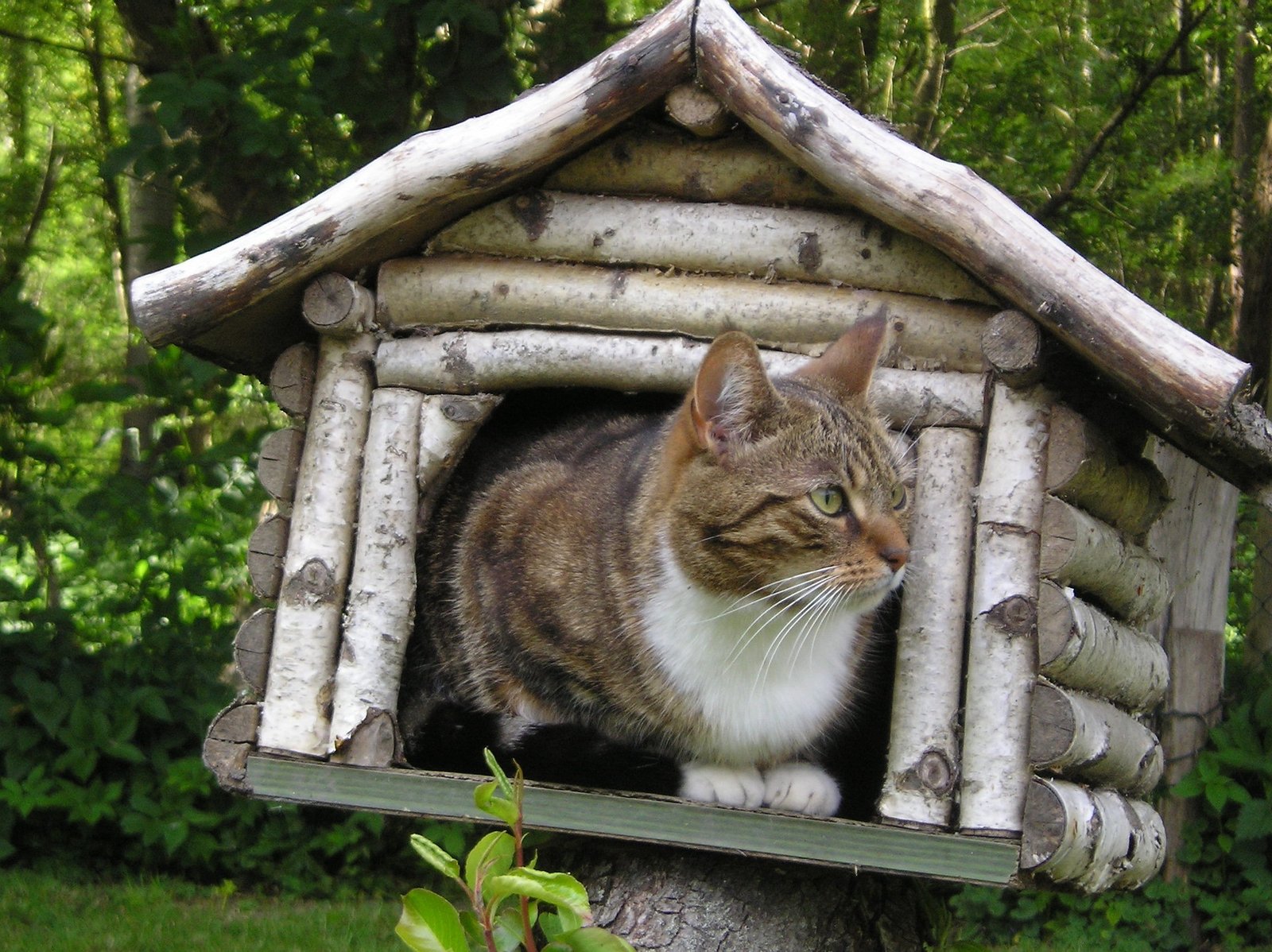
Cats need safe spaces to retreat when they feel overwhelmed, tired, or simply want privacy.
- Provide covered, “cave-style” beds.
- Leave clean cardboard boxes out for exploration.
- Utilize play tunnels or clear out a quiet, low-traffic corner under a bed or in a closet specifically for the cat.
Scratching Areas
Scratching is a necessary, natural behavior. Without appropriate outlets, your cat will likely turn to your furniture.
- Provide tall, sturdy scratching posts that allow the cat to stretch fully.
- Offer a mix of horizontal (cardboard) and vertical (sisal rope) scratchers.
- Strategically place scratchers near the areas where the cat sleeps, as they often stretch and scratch upon waking.
Comfortable Sleeping and Resting Areas
Cats spend a significant portion of their day sleeping. Provide multiple resting options in warm, quiet locations. Allow the cat to choose their preferred sleeping locations rather than forcing them to use one specific bed.
Window Access and Visual Stimulation
Windows provide essential mental stimulation for indoor cats, acting as feline television. Watching birds, insects, and outdoor movement keeps them engaged.
- Create a window perch or place a cat tree near a secure window.
- Ensure all windows and balcony doors have sturdy, cat-proof screens to prevent dangerous falls.
Food and Water Stations
In a small apartment, resources must be placed carefully.
- Keep food and water accessible but in a quiet location.
- Avoid placing food and water bowls directly next to the litter box; cats instinctively prefer not to eat where they eliminate.
- If possible, separate the water bowl from the food bowl, as many cats prefer their water source to be in a different location.
Do Cats Get Bored in Small Apartments?
Boredom can occur in any home, but its effects are often more noticeable in small apartments. If a cat has no outlet for their natural energy and hunting instincts, they can become deeply frustrated.
Signs Your Cat May Be Bored
- Excessive vocalization (meowing or yowling).
- Destructive scratching on furniture, walls, or carpets.
- Over-grooming (licking themselves bare).
- Restlessness, pacing, or waking you up repeatedly at night.
- Reduced interest in normal activities or lethargy.
How to Keep an Indoor Cat Entertained
Organizations like the RSPCA highlight the importance of play, scratching opportunities, food-based enrichment, and regular human interaction for indoor cats to prevent boredom.
- Interactive toys: Use wand toys and feather teasers to simulate the hunt-catch-kill cycle.
- Puzzle feeders: Ditch the standard bowl and make your cat work for their food using puzzle toys, which engages their brain.
- Hunting/play activities: Toss small mice toys for them to chase or hide kibble around the apartment for them to “forage.”
- Toy rotation: Do not leave all toys out at once. Rotate them every few days to keep them novel and exciting.
How Much Exercise Does a Cat Need in a Small Apartment?
A completely sedentary lifestyle can lead to obesity and joint issues. Indoor cats require structured activity to stay physically fit.
Simple Ways to Increase Activity
Rather than following a rigid schedule, aim for regular interactive play throughout the day, adjusting the amount and intensity to your cat’s age, health, temperament, and preferences.
- Encourage climbing and jumping by using wand toys near the cat tree.
- Use food puzzles to make them move while eating.
- Schedule high-energy interactive play right before their meals to satisfy their natural hunting instincts.
How to Manage the Litter Box in a Small Apartment
Litter box management is critical in compact spaces, as odors and messes become apparent very quickly.
Where Should You Put the Litter Box?
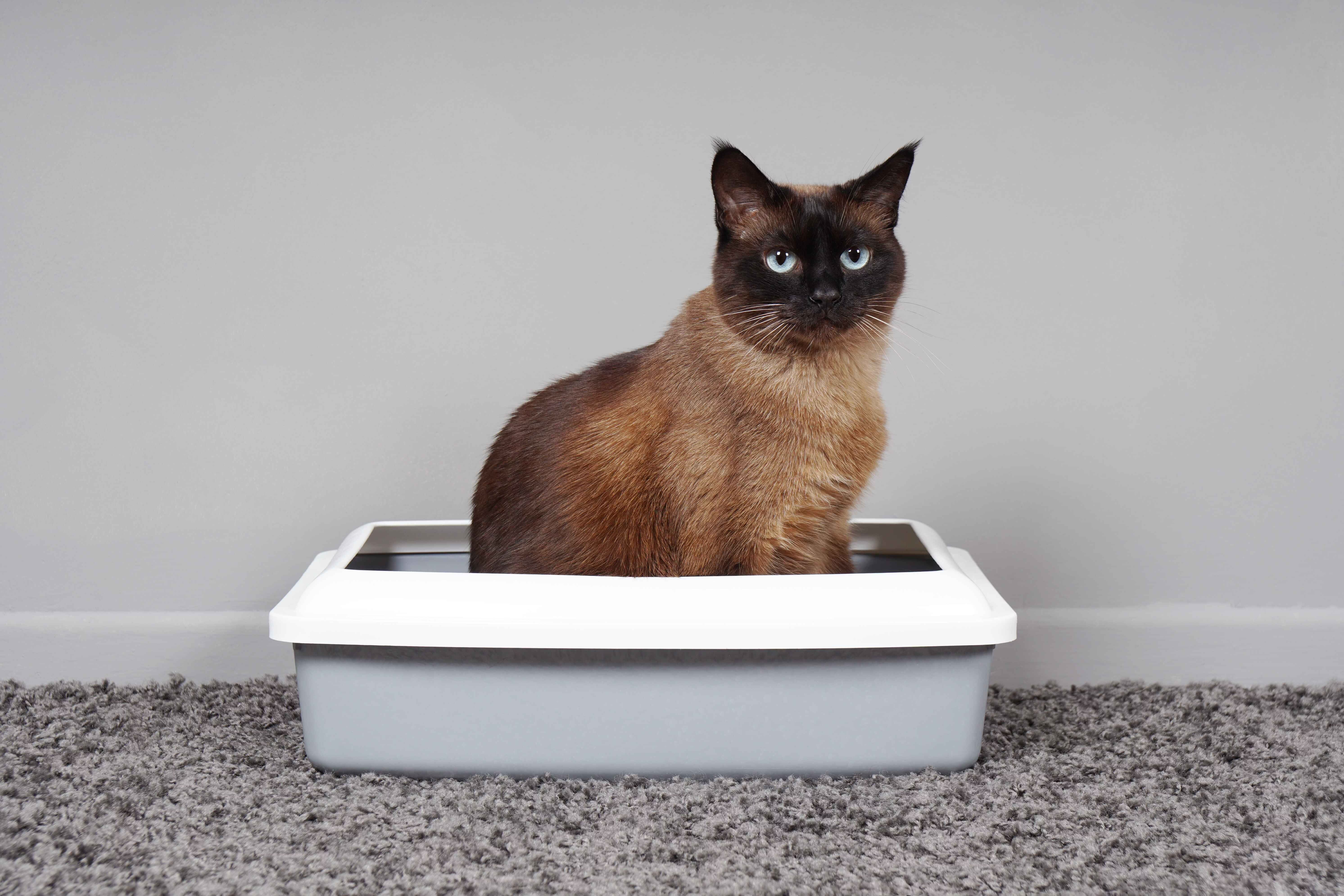
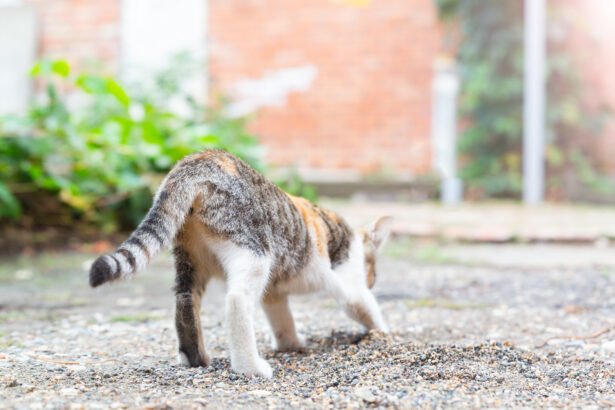
Choose a quiet but accessible location, such as a bathroom or a low-traffic corner. Avoid placing the box in high-traffic hallways or next to noisy appliances like washing machines. Ensure the cat has a clear exit path from the box so they do not feel trapped.
How to Control Litter Box Odor
Odor control relies entirely on consistency. Scoop the litter box at least once or twice a day. Completely empty the box, wash it with mild soap, and replace the litter regularly. Maintain good ventilation in the room, and avoid masking odors with strongly scented air fresheners, which can irritate your cat and cause them to avoid the box.
How Many Litter Boxes Do You Need?
The general veterinary guideline recommended by experts like the Cornell Feline Health Center is one litter box per cat, plus one extra. In a small apartment with one cat, finding room for two boxes can be challenging. If you can only accommodate one large box, you must be exceptionally diligent about keeping it immaculately clean.
For more information about litter-box problems and appropriate setup, see the Cornell Feline Health Center’s guide to feline house-soiling.
Can Two Cats Live in a Small Apartment?
Yes, but the setup becomes significantly more important. Success depends heavily on the individual personalities of the cats and ensuring they never feel forced to compete for space or resources.
Resources for Multiple Cats
You must provide distinct, separated areas for:
- Multiple litter boxes.
- Separate food and water stations to prevent resource guarding.
- Multiple resting areas, high perches, and hiding places.
Signs Two Cats Are Not Getting Along
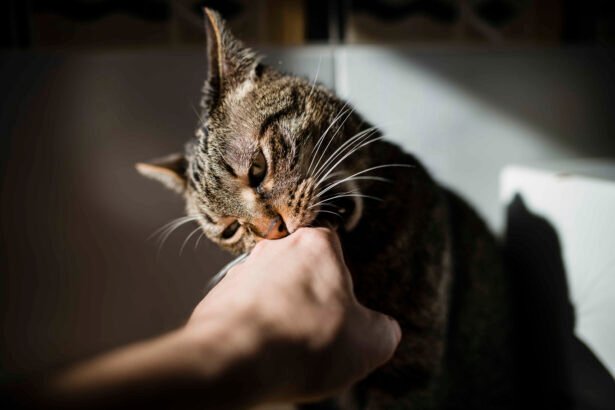
Watch for signs of conflict, such as persistent chasing, one cat blocking the other’s access to resources (like sitting in front of the litter box hallway), hiding, vocal fighting, or urinating outside the litter box.
What Size Apartment Is Enough for a Cat?
There is no arbitrary square-footage number that defines a suitable home for a cat. Trying to define a strict minimum size ignores how cats actually utilize their environment.
A smaller apartment that features an excellent layout, vertical territory, well-distributed resources, and high levels of enrichment can fully satisfy a cat. The focus should always be on the individual cat’s characteristics, their ability to express natural behaviors, and your commitment to daily interaction, rather than the dimensions of the floor plan. Keeping a cat in a small apartment requires more attention to enrichment because limited floor space can reduce opportunities for exploration and activity.
How to Set Up a Small Apartment Before Bringing Home a Cat
Preparation makes the transition much smoother for a new cat.
Create a Safe Base
The RSPCA recommends establishing a safe room or base camp when a cat first arrives. Confine them initially to a quiet space with their food, water, litter box, a hiding place, scratching opportunities, and elevated space. This prevents them from becoming overwhelmed.
Cat-Proof the Apartment
Ensure the small space is safe by securing windows and balcony doors with strong screens, tidying loose electrical cords, blocking small openings behind appliances, and removing toxic houseplants.
Build Vertical Territory
Have your cat tree or wall shelves installed and ready before the cat arrives so they can immediately begin mapping their territory.
Establish a Daily Routine
Cats thrive on predictability. Establish a consistent daily routine for feeding, play, rest, and grooming as quickly as possible.
How to Keep a Small Apartment Clean With a Cat
Living in close quarters requires consistent cleaning habits to maintain a comfortable environment for both of you.
Litter Box Cleaning
Daily scooping is non-negotiable. Use a high-quality litter mat outside the box to catch tracked litter before it spreads across the apartment floor.
Managing Cat Hair
Brush your cat regularly to capture loose hair. Vacuum carpets, rugs, and furniture frequently, and keep lint rollers readily available.
Cleaning Food and Water Areas
Use a silicone mat under food and water bowls to catch spills, and wash the bowls daily to prevent bacteria buildup and odors.
Ventilation and Odor Control
Open safe, screened windows regularly to allow fresh air to circulate. Maintaining a clean environment is the most effective way to manage odors without resorting to chemical sprays.
How to Tell If Your Cat Is Happy in a Small Apartment
Monitoring your cat’s behavior will tell you if your apartment setup is successfully meeting their needs.
Signs Your Cat Is Adapting Well
- Normal, consistent appetite.
- Normal grooming habits.
- Engaging in regular play and displaying curiosity.
- Resting comfortably in open areas or on elevated perches.
- Consistent, appropriate litter box use.
- Seeking interaction and affection appropriately.
Signs Your Cat May Be Stressed
- Persistent hiding.
- Sudden aggression toward you or other pets.
- Excessive grooming, leading to bald patches.
- Changes in appetite.
- Vocalizing distressfully.
When to Contact a Veterinarian
If you notice sudden behavioral changes, such as urinating outside the litter box, aggression, excessive grooming, or appetite changes, do not automatically assume the apartment is the cause. Cornell notes that underlying medical problems can contribute significantly to house-soiling and other behavioral changes. Always consult a veterinarian to rule out illness first.
Small Apartment vs. Large Home: Does Size Really Matter for Cats?
More floor space isn’t automatically better for a cat. A large home provides more room to run, but if that home lacks vertical space, scratching posts, and human interaction, the cat will likely be bored and unfulfilled. Conversely, a small apartment that maximizes usable territory, provides privacy, ensures easy access to resources, and includes daily, structured play fully meets a cat’s physical and psychological needs.
Small Apartment Cat Care Checklist
- [ ] Vertical climbing space (cat tree or shelves) installed.
- [ ] Safe, quiet hiding places available.
- [ ] Sturdy scratching posts provided.
- [ ] Comfortable sleeping areas offered.
- [ ] Safe window access or perching opportunity created.
- [ ] Interactive toys (wand toys, puzzles) ready for use.
- [ ] Commitment to regular interactive play.
- [ ] Litter box placed in a quiet, accessible location.
- [ ] Food and water stations separated from the litter area.
- [ ] Windows and balconies properly secured.
Conclusion
Cats can live happily in small apartments when their environment provides opportunities to climb, hide, scratch, play, rest, and access their resources comfortably. Instead of focusing on a specific square-footage number, focus on creating usable territory and meeting your individual cat’s physical and behavioral needs.
Further Reading
- RSPCA: Looking after indoor and house cats
- Cornell Feline Health Center: Feline Behavior Problems — House Soiling
- Cornell Feline Health Center: Choosing and Caring for Your New Cat
- RSPCA: Creating a Good Home for Cats
Frequently Asked Questions
Can I keep a cat in a studio apartment?
Yes, cats can live very happily in studio apartments. Because the space is open, it is especially important to provide vertical climbing structures, like a tall cat tree, and to ensure the litter box is kept impeccably clean.
Do cats get bored in small apartments?
Cats can get bored in any home if they lack mental and physical stimulation. In a small apartment, daily interactive play, puzzle feeders, and window access are essential to prevent boredom and destructive behaviors.
What size apartment is enough for one cat?
There is no strict minimum square footage for a cat. A compact apartment can be perfectly adequate if it is well-designed with vertical territory, scratching posts, safe hiding spots, and appropriate locations for resources.
Can two cats live in a small apartment?
Yes, but it requires careful management. You must ensure there are enough separate resources (multiple litter boxes, food stations, and resting spots) so the cats do not feel forced to compete for space.
Do cats need vertical space in an apartment?
Absolutely. Vertical space dramatically increases a cat’s usable territory, provides necessary exercise, and gives them a secure vantage point to observe their environment.
How can I keep my cat entertained in a small apartment?
Keep your cat entertained by engaging in regular interactive play with wand toys, using food puzzle toys, rotating their solo toys to keep them novel, and providing a comfortable perch near a secure window.
How do I control litter box smell in a small apartment?
The most effective way to control odor is aggressive consistency: scoop the box at least once or twice a day, completely replace the litter and wash the box regularly, and maintain good ventilation in the room.
How do I know if my cat is stressed in an apartment?
Signs of stress or medical issues include persistent hiding, urinating outside the litter box, excessive grooming, changes in appetite, or sudden aggression. Always consult a veterinarian if you notice these signs.