
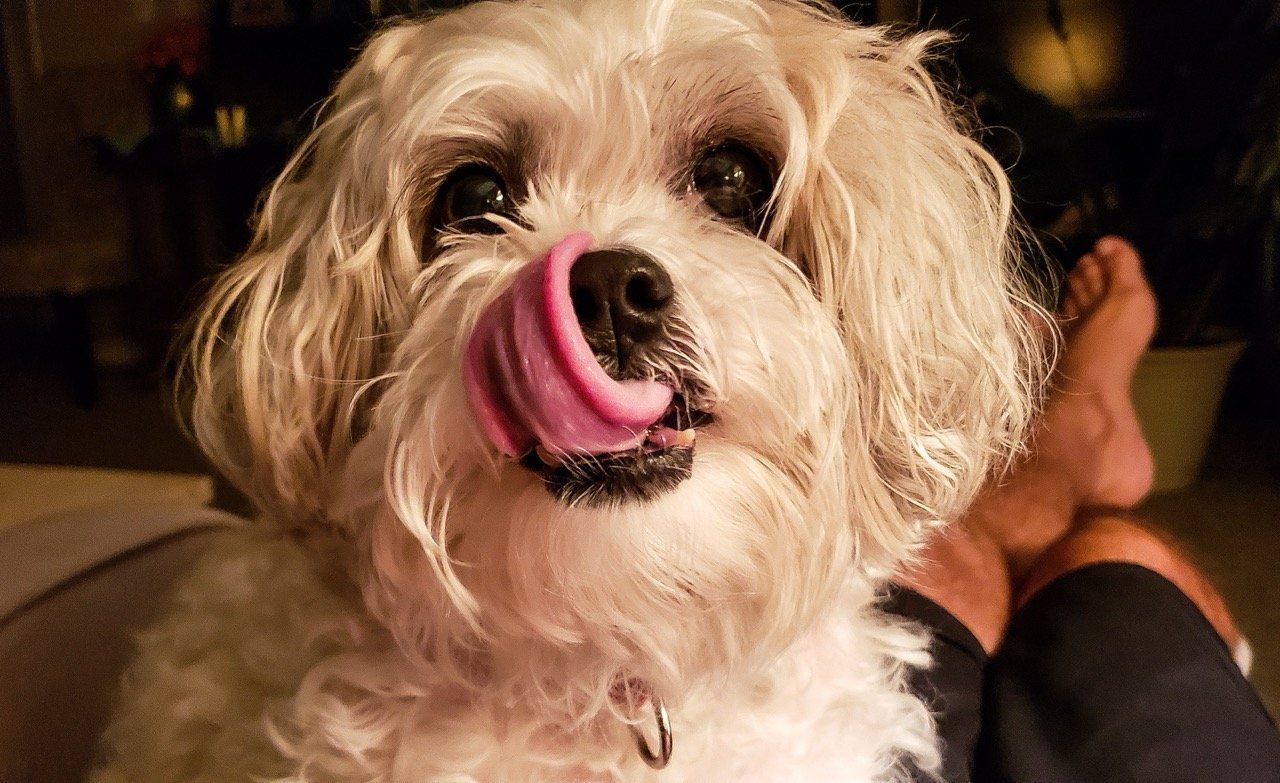
If you pay close attention to your furry best friend, you will notice they perform a lot of quirky little behaviors throughout the day. One of the most common, yet frequently misunderstood, actions is the quick swipe of the tongue over the snout.
As pet parents, deciphering the true dog licking nose meaning is crucial for understanding what our pets are trying to tell us. A simple nose lick might mean they are trying to catch the scent of a hidden treat, or it could be a subtle plea for space because they are feeling anxious. In this complete behavioral guide, we are going to break down exactly what this common habit means, why dogs do it, and the red flags that tell you it’s time to call the vet.
Dogs lick their nose to keep it moist and improve their sense of smell. It can also be a calming signal when they feel stressed, a way to clean their nose, or a sign of an underlying health issue if the behavior becomes excessive.
Dog Nose Licking Behavior Explained
To truly grasp the dog behavior meaning behind this action, you have to look at both biology and psychology. Dog nose licking behavior is a fascinating mix of pure instinct and learned response.
Biologically, it is a hardwired instinct that ensures their primary sensory organ, their nose, is functioning at 100% capacity. Psychologically, it plays a massive role in canine body language. Dogs cannot use words to de-escalate a tense situation, so they rely on micro-movements, like a quick flick of the tongue, to broadcast their emotional state to other dogs and humans.
Why Do Dogs Lick Their Nose? (Quick Answer)
If you need a fast answer, here are the primary reasons behind this canine behavior:
- Improves sense of smell: A wet nose catches scent particles better.
- Keeps nose clean and moist: Prevents dry, cracked skin.
- Signals stress or anxiety: Often used to appease threats.
- Acts as a calming behavior: Helps them self-soothe in new situations.
- Removes food or debris: Cleaning up after a messy meal.
- May indicate health issues: Excessive licking can point to nausea or dental pain.
| Reason | What It Means |
|---|---|
| Smell enhancement | Helps trap scent particles |
| Cleaning | Removes food or debris |
| Stress signal | Indicates anxiety or discomfort |
| Anticipation | Expecting food or reward |
| Health issue | Could signal nausea or pain |
The Real Reason: It Helps Dogs Smell Better
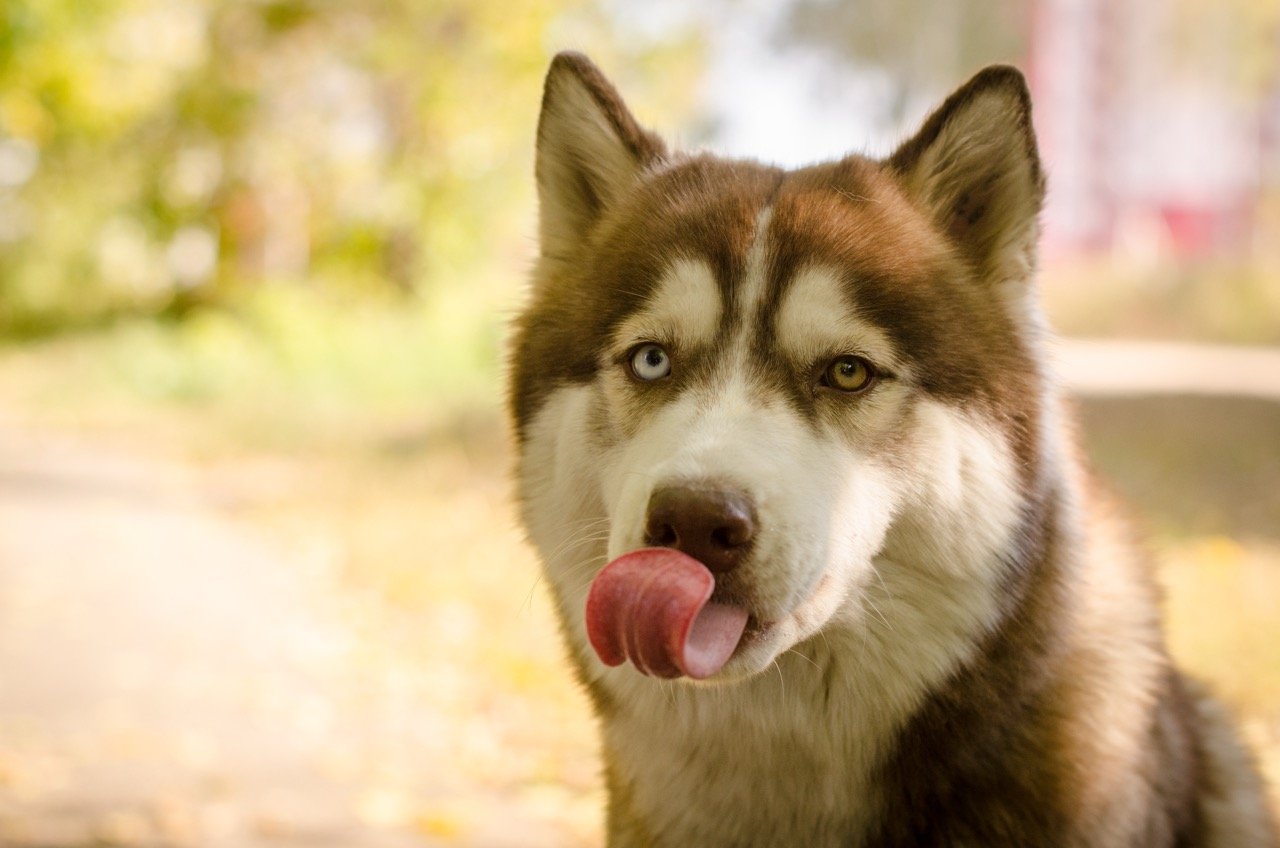
While humans rely heavily on sight, dogs experience the world primarily through their noses. Their sense of smell is tens of thousands of times more powerful than ours, and nose-licking is a built-in biological tool that supercharges this ability.
When a dog licks its nose, it deposits a thin layer of moisture. Moisture acts like a magnet, trapping tiny scent particles floating in the air.
According to veterinary research on canine olfaction, once those particles are trapped on the wet nose, the dog’s tongue sweeps them into their mouth and pushes them up toward the roof of the mouth. This is where a special sensory receptor called the vomeronasal organ (or Jacobson’s organ) is located. This organ allows dogs to quite literally “taste” smells, processing complex chemical messages and pheromones from other animals.
Is It Normal for Dogs to Lick Their Nose?
It is perfectly natural to wonder if your dog’s habits are healthy. To put your mind at ease, we must draw a clear line between standard biology and potential warning signs.
Normal Nose Licking
In most everyday scenarios, this is a completely harmless, functional action. Normal nose licking occurs:
- Immediately after eating or drinking.
- During intense sniffing sessions on a walk.
- As an occasional, relaxed response to waking up from a nap.
Abnormal Nose Licking
However, the behavior crosses the line into abnormal territory when it becomes:
- Constant and frantic, occurring without any obvious trigger.
- Obsessive, to the point where the dog interrupts play or sleep to lick.
- Paired with physical symptoms like drooling, whining, or pacing.
Why Does My Dog Keep Licking His Nose?
If you find yourself asking, “why does my dog lick his nose so much?” or “why is my dog licking his nose non-stop?”, you are likely witnessing a shift from normal behavior to a physical or emotional response. When a dog keeps licking its nose repeatedly, it usually means they are trying to manage an immediate discomfort. Dog licking nose constantly is most often a direct response to gastrointestinal nausea (feeling sick to their stomach), localized facial pain, or an escalating stressful environment.
7 Reasons Why Dogs Lick Their Nose
Beyond biological scent-gathering, nose licking serves several behavioral and practical purposes. If you are wondering exactly why do dogs lick their nose in different scenarios, here is the breakdown:
1. To Improve Their Sense of Smell
Keeping the nose damp is the number one way your dog enhances their olfactory superpowers. They are actively gathering data about their environment.
2. To Clean Food or Dirt
Dogs are messy eaters. A quick lick is the easiest way to wipe away a stray crumb, a blade of grass, or a lingering drop of water.
3. As a Calming Signal
In the complex world of dog communication signals, nose licking is a classic appeasement gesture. Dogs use these micro-expressions to de-escalate tension and communicate, “I am not a threat.”
4. When They Feel Stressed or Anxious
In a loud, crowded environment, this is a self-soothing mechanism, similar to a human biting their nails or fidgeting when nervous.
5. Communication With Humans or Dogs
If you are holding a camera too close to their face, they may lick their nose to politely ask for some personal space.
6. After Eating or Anticipating Food
Pavlovian conditioning is real! If you are holding a high-value treat, they might lick their nose in eager anticipation.
7. Because of Medical Issues
A dog that cannot stop licking may be experiencing underlying medical discomfort, such as nausea or severe allergies.
👉 Quick tip: If your dog licks its nose occasionally, it’s completely normal. But if it happens constantly for minutes at a time, it’s worth investigating further.
Why Dogs Lick Their Nose When You Talk to Them
Have you ever noticed your dog licking their nose right after you ask them a question or give a command? This specific scenario is a fascinating quirk of canine cognition.
When you speak directly to your dog, they are actively processing your communication. Nose licking in this context indicates high attention and slight anticipation. They are trying to decipher your tone—are you about to offer a treat, a walk, or a gentle correction? The lick is a physical manifestation of their brain working overtime to understand your intent while remaining politely submissive.
Do Dogs Lick Their Nose When Stressed?
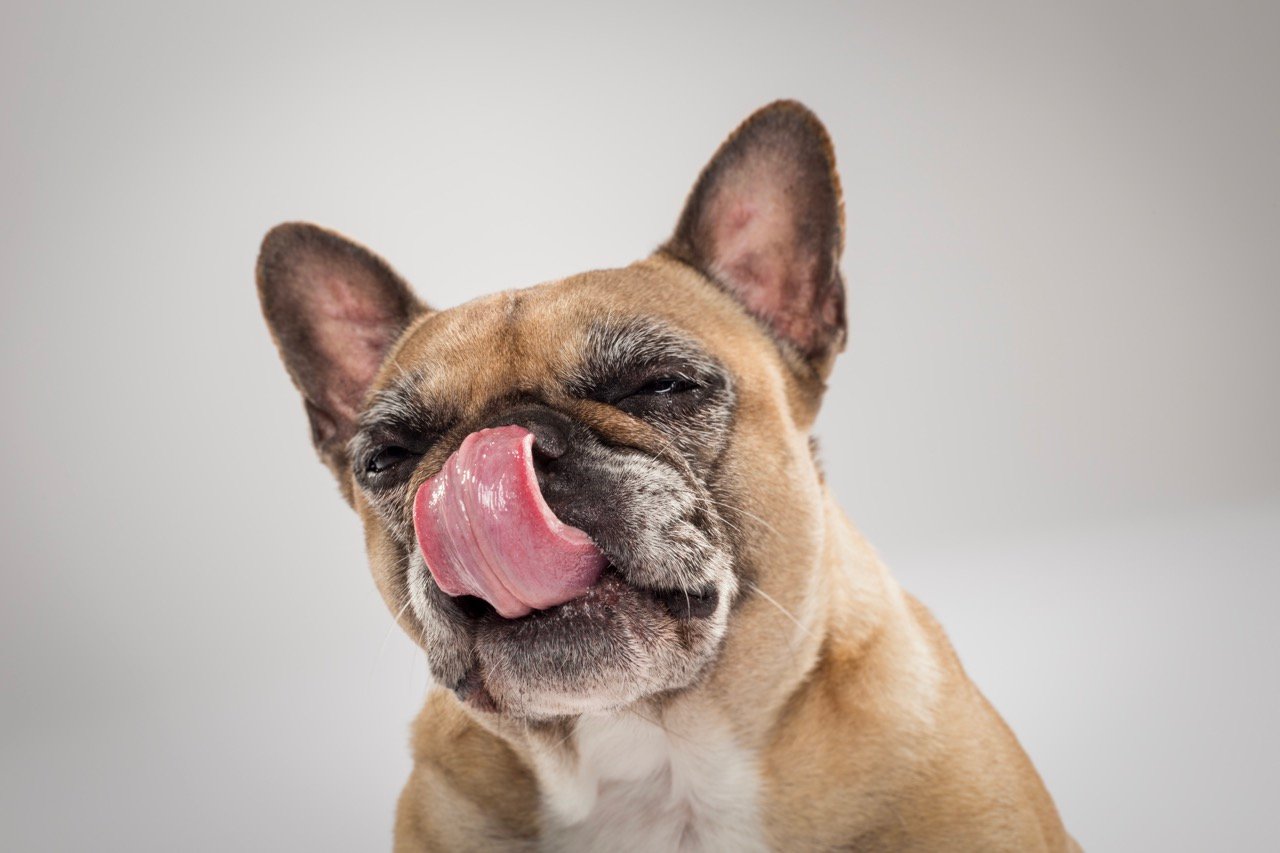
Yes, dogs often lick their nose as a calming signal when they feel stressed or uncomfortable.
Veterinary behaviorists refer to this as a “displacement behavior,” and it is one of the most common dog stress signals. It is a dog’s way of coping with conflicting emotions or mild anxiety. You will frequently observe these dog anxiety signals during events like thunderstorms, veterinary visits, or forced hugs. If accompanied by yawning or pinned-back ears, your dog is actively asking to be removed from the situation.
When Should You Be Concerned?
🚨 Medical Checklist: When to Call the Vet
If the nose licking is accompanied by any of the following symptoms, consult your veterinarian:
- Excessive, frantic licking: Licking that interrupts sleep or play.
- Dry, cracked, or bleeding nose: Indicates hyperkeratosis or an autoimmune issue requiring proper dog skin problems treatment.
- Vomiting or nausea: Drooling, swallowing hard, and lip licking often precede vomiting.
- Scratching or allergies: Pawing at the face or rubbing the snout on the carpet.
- Behavior changes: Lethargy, hiding, or sudden aggression.
Excessive Nose Licking in Dogs: Causes & Warning Signs
If the behavior is completely out of the ordinary, one of these hidden medical issues is likely to blame for the excessive nose licking in dogs:
- Allergies: Environmental allergens cause itchy, inflamed nasal passages. This behavior can sometimes be linked directly to severe dog allergies symptoms.
- Dental Problems: A broken tooth or inflamed gums can cause dental pain in dogs, leading to excess saliva and a dog licking excessively.
- Nausea: Just like humans salivate before they are sick, dog nausea symptoms prominently feature smacking lips and heavy nose licking.
- Infections: Bacterial or fungal infections in the nasal folds cause discharge and severe irritation.
- Pain: Dogs mask pain incredibly well. Repetitive licking can be a coping mechanism for localized facial pain or a severe headache.
Do Dogs Lick Their Nose to Show Love?
Not exactly, nose licking is more about communication and comfort than human-like affection.
When a dog licks your face or hands, that is an instinctual bonding behavior. However, when a dog licks their own nose, they are not blowing you a kiss. They are either processing your scent, cleaning their face, or utilizing calming signals in dogs to ensure your interaction remains peaceful.
Does Nose Licking Help Dogs Smell Better?
Yes, it improves scent detection by keeping the nose moist and collecting odor particles.
A wet surface captures microscopic scent molecules far better than a dry one. By licking their nose, dogs ensure their primary sensory tool is operating at peak efficiency.
Do All Dogs Lick Their Nose?
Yes, nose licking is a universal, completely normal canine behavior shared by all breeds. However, some dogs do it more noticeably than others. Brachycephalic (flat-faced) dogs, such as Pugs and French Bulldogs, often struggle with nasal fold dermatitis or dry noses, prompting them to lick more frequently to clear debris or moisten the skin.
Why Do Dogs Lick Their Nose After Eating?
There are three primary reasons your dog’s tongue works overtime after a meal: Food Residue (cleaning their face), Taste Memory (savoring the flavor), and Anticipation (hoping for a second helping).
Dog Licking vs Lip Licking: What’s the Difference?
While they look similar, paying attention to the exact motion can tell you a lot about your dog’s internal state.
- Nose Licking: A quick swipe upward toward the nostrils. This is usually normal, used for scent gathering, cleaning, or minor appeasement.
- Lip Licking: A horizontal swipe along the sides of the mouth (the flews). This is much more frequently associated with stress, anxiety, or nausea. If your dog is smacking their lips repeatedly, they are likely feeling sick to their stomach.
How to Stop Excessive Nose Licking (If Needed)
You should never punish a dog for licking their nose, as it is a natural biological function. However, if the behavior has become obsessive, you need to address the root cause:
- Rule out medical issues: Have your vet check their teeth, throat, and gastrointestinal tract.
- Reduce stress triggers: Create a safe, quiet space for them to retreat to during loud events or gatherings.
- Improve their environment: If winter air or mild allergies are drying out their nose, utilize safe home remedies for itchy dogs, like a pet-safe snout soother balm, to heal cracked skin.
- Veterinary Consultation: For severe behavioral anxiety or chronic allergies, a vet can prescribe medications that eliminate the discomfort causing the repetitive licking.
Final Thoughts
Understanding exactly why do dogs lick their nose opens up a fascinating window into how they experience the world. Usually, it just means your dog’s incredible scent-tracking machine is working perfectly, or they are politely trying to keep the peace. By learning to read these subtle cues, you can build a deeper, more trusting bond with your dog, stepping in to offer comfort or medical care exactly when they need it most.
References & Scientific Further Reading
- American Kennel Club (AKC): Why Are Dogs’ Noses Wet? The Science Behind Canine Olfaction
- VCA Animal Hospitals: Canine Communication: Interpreting Dog Language and Displacement Behaviors
- PetMD: Why Is My Dog Licking His Lips? Causes of Canine Nausea and Stress
Frequently Asked Questions (FAQ)
What does it mean if a dog licks its nose?
If a dog licks its nose, it usually means they are trying to keep it moist to enhance their sense of smell, or they are cleaning off food. However, in tense situations, it acts as a calming signal to communicate that they are slightly stressed but mean no harm.
Do dogs lick their nose when stressed?
Yes. Veterinary behaviorists recognize nose and lip licking as displacement behaviors. Dogs use these subtle body language cues to self-soothe and diffuse tension when they feel anxious, overwhelmed, or frightened.
Why does my dog keep licking his nose constantly?
Constant, frantic licking is usually a sign of an underlying physical issue, not a behavioral one. The most common causes are severe nausea, dental pain, allergies causing nasal inflammation, or a painful sore inside the mouth.
Is excessive nose licking a sign of illness?
It can be. While occasional licking is normal, excessive nose licking is a prominent symptom of gastrointestinal upset (nausea), dental disease, or upper respiratory infections that cause nasal discharge.
Why does my dog lick his nose at night?
If your dog repeatedly licks his nose at night, it could be due to dry air in the home drying out his snout, mild anxiety, or acid reflux causing nausea when he lies down to sleep. If it disrupts his rest, a vet check is recommended.
Should I worry if my dog licks his nose a lot?
You should only worry if the licking becomes obsessive, frantic, or is accompanied by other symptoms like vomiting, lethargy, pawing at the face, or a bleeding, cracked snout. These are signs of pain or illness.
Do dog licks actually mean kisses?
When a dog licks you, it is an instinctual bonding and grooming behavior that indicates affection—much like a kiss. However, when a dog licks their own nose, it is a functional behavior for scent-gathering or stress relief, not a sign of affection.
Why do dogs push their head into you?
Dogs push their heads into you as a profound sign of affection, trust, and a desire for physical closeness. It is their way of marking you with their scent glands while seeking security and attention from their pack leader.
Do dogs sense sadness?
Yes, dogs are incredibly attuned to human emotions. They can read our body language, hear changes in our vocal tone, and actually smell the chemical changes in our sweat that occur when we are sad, stressed, or crying.
Does nose licking help a dog smell better?
Yes, it improves scent detection significantly. A wet nose catches tiny odor particles floating in the air. When the dog licks its nose, it transfers those particles into its mouth to be processed by the vomeronasal organ, allowing them to effectively “taste” the smell.