
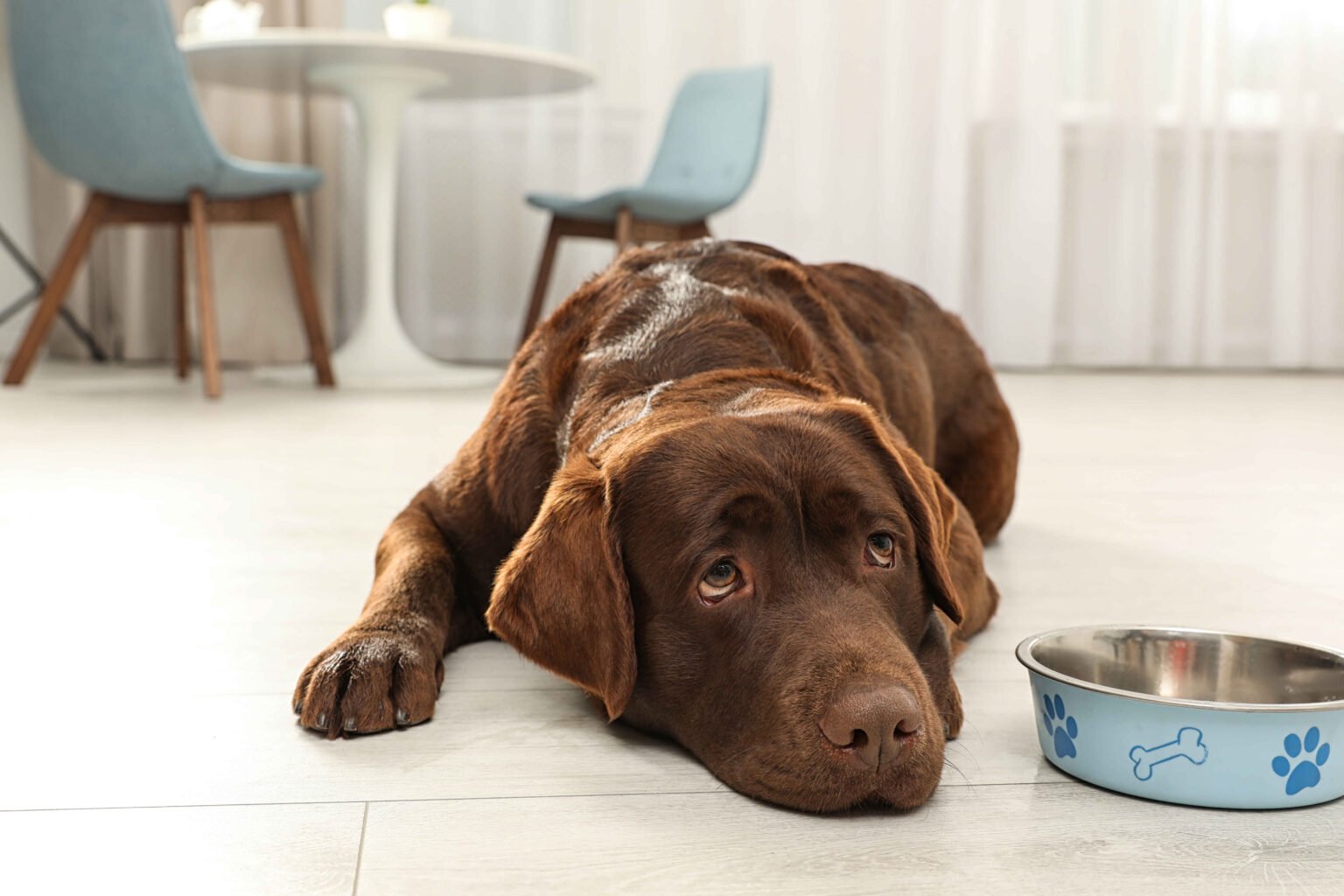
When a dog suddenly not eating or drinking, it is easy to assume they are simply being picky. A noticeable change in appetite or water intake can sometimes have a relatively minor explanation, but it can also be an early sign of an underlying health problem.
A dog may refuse food because of nausea, dental pain, stress, a sudden food change, or an upset stomach. Refusing water deserves particular attention because dogs can become dehydrated when they are not drinking, especially if vomiting, diarrhea, fever, or another illness is also present.
Veterinary guidance emphasizes that loss of appetite is a symptom rather than a diagnosis. VCA Animal Hospitals explains that dogs can experience true loss of appetite or may want to eat but be unable to do so comfortably because of problems affecting the mouth, chewing, swallowing, or gastrointestinal tract.
The key is to look at the whole picture rather than focusing only on the food bowl. Changes in energy, behavior, bathroom habits, vomiting, diarrhea, pain, or breathing can help determine whether your dog needs veterinary attention.
Quick Answer: What Should I Do If My Dog Is Not Eating or Drinking?
Check your dog’s overall condition rather than relying on a fixed number of hours without food or water. If your dog is also vomiting repeatedly, cannot keep water down, has severe diarrhea, appears painful or weak, has a swollen abdomen, develops abnormal gum color, or may have swallowed a foreign object or toxin, contact a veterinarian promptly. Do not force food or water into a seriously ill dog.
Why Is My Dog Not Eating?
There are many possible reasons a dog may suddenly lose interest in food. Some are temporary, while others require veterinary evaluation.
1. Nausea or Gastrointestinal Upset
Digestive problems are among the common reasons dogs stop eating. Nausea can occur after eating something unusual, changing foods too quickly, developing an intestinal infection, or experiencing another gastrointestinal problem.
Your dog may also drool more than usual, lick their lips, swallow repeatedly, vomit, or appear uncomfortable around food.
If vomiting is also occurring, our guide on why dogs vomit provides more information about possible causes and warning signs.
2. Dental or Mouth Pain
A dog can be hungry but still refuse food because chewing hurts. Dental disease, broken teeth, oral injuries, gum inflammation, or other problems inside the mouth can make eating uncomfortable.
Pay attention if your dog approaches the food bowl but backs away, prefers soft food, chews on only one side of the mouth, drools excessively, paws at their face, or develops unusually bad breath.
If your dog seems interested in food but cannot comfortably chew, a veterinary examination is appropriate.
3. Pain Elsewhere in the Body
Pain does not have to originate in the digestive system or mouth. Dogs experiencing significant pain from an injury, inflammation, or another medical condition may lose interest in food and normal activities.
Reluctance to move, unusual posture, hiding, restlessness, whining, or suddenly becoming withdrawn can be more informative than an untouched food bowl.
If you notice several changes at once, reviewing the signs your dog may be sick can help you identify other symptoms worth discussing with your veterinarian.
4. Stress, Anxiety, or Environmental Changes
Emotional stress can temporarily affect a dog’s appetite. Moving to a new home, visitors, travel, loud noises, a new pet, changes in routine, or separation from an owner can all affect eating behavior.
Stress becomes a less convincing explanation when appetite loss occurs alongside repeated vomiting, diarrhea, marked lethargy, obvious pain, or abnormal breathing. In these situations, an underlying medical problem should be considered.
5. Kidney, Liver, or Other Systemic Disease
Some illnesses affect the entire body and can cause nausea, weakness, dehydration, and appetite changes. Kidney disease, liver disease, infections, metabolic disorders, and other systemic conditions can all affect eating and drinking behavior.
This is why persistent appetite loss should not automatically be dismissed as pickiness. If the change continues or is accompanied by other symptoms, a veterinarian may need to perform an examination and diagnostic tests to determine the cause.
6. Medication Side Effects
Some medications can cause nausea, sleepiness, gastrointestinal upset, or reduced appetite.
If your dog’s eating or drinking habits changed after starting a medication, contact the prescribing veterinarian before stopping, changing, or adding medication yourself.
7. Food Changes or Food Aversion
A sudden change in food can make some dogs reluctant to eat. Dogs may also refuse a particular food after associating it with an unpleasant episode of nausea.
If your dog otherwise appears healthy and continues drinking normally, returning to a familiar, appropriate diet and making future food changes gradually may help.
Avoid repeatedly changing foods throughout the day because doing so can make it harder to determine whether your dog’s condition is improving.
Why Is My Dog Not Drinking Water?
Water refusal deserves particular attention because dogs continually lose fluids through normal body functions. Fluid loss increases with vomiting, diarrhea, panting, fever, or certain illnesses.
However, a dog that appears not to drink from their water bowl is not necessarily receiving no water. Dogs eating wet or canned food consume a considerable amount of moisture through their meals, so they may naturally drink less from the bowl.
The more concerning situation is a clear change from your dog’s normal drinking pattern combined with other signs of illness.
If your dog refuses water and is also vomiting, has diarrhea, appears very weak, seems painful, or cannot keep fluids down, contact a veterinarian promptly.
Signs Your Dog May Be Dehydrated
Dehydration can develop when a dog is losing fluids faster than they can replace them. It is particularly concerning when reduced drinking occurs together with vomiting or diarrhea.
Possible signs of dehydration include:
- Dry or sticky gums
- Reduced energy or unusual weakness
- Sunken-looking eyes
- Excessive panting
- Reduced urination
- Loss of skin elasticity
- Increasing lethargy
Home checks can provide useful clues, but they cannot reliably determine how severe dehydration is in every dog. A veterinarian can assess hydration status more accurately and provide fluids when necessary.
If diarrhea is also present, our guide to dog diarrhea and home care covers what owners can monitor and when diarrhea requires veterinary attention.
What If My Dog Is Not Eating but Is Still Drinking?
A dog that continues drinking is generally less concerning than one refusing both food and water, but appetite loss still deserves attention if it persists.
Possible explanations include mild gastrointestinal upset, dental pain, stress, medication side effects, food aversion, or an underlying illness.
If your dog is otherwise bright, comfortable, and behaving normally, you can monitor them closely for other changes. However, persistent refusal to eat, especially when accompanied by vomiting, diarrhea, lethargy, pain, or other symptoms, warrants veterinary advice.
What If My Dog Is Drinking Water but Not Eating?
This situation can occur with mild digestive upset, dental problems, nausea, stress, or food-related issues. Drinking water is reassuring compared with refusing both food and fluids, but it does not rule out illness.
Watch your dog closely for additional symptoms. If they begin vomiting the water they drink, become weak, develop diarrhea, show signs of pain, or continue refusing food, contact your veterinarian.
What If My Dog Is Not Eating or Drinking?
Refusing both food and water is more concerning than skipping a meal alone.
When a dog refuses water, dehydration can become a significant concern, particularly if they are also losing fluids through vomiting or diarrhea. The situation is even more important to address in puppies, older dogs, and dogs with existing medical problems.
Do not force large amounts of water into your dog’s mouth. A dog that is nauseated or weak can accidentally inhale fluids, creating an additional risk.
When Should I Call the Vet?
The decision to contact a veterinarian should depend on both the appetite change and the other symptoms your dog is experiencing.
Contact your veterinarian promptly if your dog:
- Refuses water
- Repeatedly vomits
- Has persistent or severe diarrhea
- Has blood in the vomit or stool
- Is extremely lethargic or weak
- Shows obvious signs of pain
- Has difficulty breathing
- Has pale, gray, blue, or otherwise abnormal-looking gums
- Has a swollen or painful abdomen
- Cannot keep water down
- Has collapsed or appears severely unwell
- May have eaten a toxic substance or foreign object
Puppies deserve particular caution because they can become dehydrated and develop other complications more quickly than healthy adult dogs.
What You Can Do at Home While Monitoring Your Dog
If your adult dog has skipped a meal but is otherwise bright, comfortable, and drinking normally, close observation may be reasonable initially.
Make sure fresh water is always available and keep your dog’s environment quiet and comfortable.
If your dog is interested in eating but seems reluctant, avoid repeatedly offering large numbers of different foods. This can make it difficult to identify what is helping and may further upset the stomach.
For a dog with mild digestive upset, follow your veterinarian’s advice regarding diet and feeding. Dogs with persistent vomiting, diarrhea, or other concerning symptoms may need professional assessment rather than home treatment.
What You Should Not Do
When a dog stops eating or drinking, owners often search for quick home remedies. Some approaches can make the situation worse.
- Do not give human medication without veterinary instructions.
- Do not force food into a nauseated or distressed dog.
- Do not force large amounts of water into the mouth.
- Do not assume the problem is behavioral if other physical symptoms are present.
- Do not keep changing foods repeatedly in an attempt to make your dog eat.
- Do not delay veterinary care when serious warning signs appear.
How Veterinarians Investigate Appetite or Water Changes
When a dog has persistent appetite loss or changes in drinking behavior, the veterinarian will generally begin by taking a history and performing a physical examination.
The examination may include checking the dog’s mouth, gums, hydration status, temperature, abdomen, heart, lungs, and overall condition.
Depending on the symptoms, the veterinarian may recommend additional diagnostic tests such as blood work, urine testing, fecal testing, or imaging.
The goal is not simply to make the dog eat again. It is to identify and treat the underlying reason for the change.
Dog Not Eating or Drinking: What Different Combinations Can Mean
| What you notice | What it may suggest |
|---|---|
| Not eating + vomiting | Nausea, gastrointestinal disease, obstruction, or another illness |
| Not eating + difficulty chewing | Dental, mouth, jaw, or swallowing problem |
| Not eating + diarrhea | Gastrointestinal illness, dietary upset, infection, or another condition |
| Not eating + abdominal pain | Gastrointestinal disease, obstruction, or another painful condition |
| Not drinking + vomiting | Increased risk of dehydration and need for prompt veterinary assessment |
| Not eating + weakness | Systemic illness, dehydration, pain, or another significant problem |
| Not eating + possible toxin exposure | Potential poisoning requiring immediate professional advice |
These combinations are general clinical clues, not diagnoses. Several different conditions can produce the same symptoms.
Frequently Asked Questions
Why is my dog suddenly not eating?
A dog may suddenly stop eating because of nausea, gastrointestinal upset, dental pain, physical pain, stress, medication side effects, a food change, infection, or another underlying medical condition. If appetite loss persists or occurs with other symptoms, contact your veterinarian.
How long can a dog go without eating?
There is no single safe time limit that applies to every dog. A healthy adult dog that skips one meal but remains active, comfortable, and hydrated may simply be monitored. Puppies, senior dogs, dogs with medical conditions, and dogs showing other symptoms require more cautious assessment.
Why is my dog not drinking water?
A dog may drink less because they are receiving moisture from wet food, but a sudden refusal to drink can also occur with nausea, illness, pain, or other health problems. If your dog refuses water and is also vomiting, has diarrhea, or appears weak, contact a veterinarian promptly.
Can stress cause a dog to stop eating?
Yes. Stress caused by travel, moving, visitors, changes in routine, loud noises, or other environmental changes can temporarily reduce appetite. However, physical symptoms should not automatically be attributed to stress.
Should I be worried if my dog skips one meal?
Skipping one meal is not necessarily an emergency in an otherwise healthy adult dog that is drinking, active, and behaving normally. Monitor for additional symptoms and changes in behavior. Persistent appetite loss or significant accompanying symptoms warrant veterinary advice.
When is a dog not eating or drinking an emergency?
Seek urgent veterinary care if refusal of food or water occurs with repeated vomiting, severe diarrhea, blood, collapse, extreme weakness, difficulty breathing, abnormal gum color, a swollen or painful abdomen, seizures, or suspected poisoning or foreign-object ingestion.
Can I give my dog water with a syringe?
Only do this if your veterinarian has specifically advised you to and has explained the appropriate technique. Forcing water into the mouth of a weak, vomiting, or poorly coordinated dog can result in aspiration.
What should I do if my dog may have eaten something poisonous?
Do not wait for severe symptoms to develop. Contact your veterinarian or an animal poison-control service and provide information about what your dog may have swallowed, approximately how much, and when the exposure occurred. ASPCA Animal Poison Control provides guidance for pet owners dealing with suspected toxic exposures.
Conclusion
A dog that suddenly stops eating or drinking should not automatically be assumed to be picky. Appetite and water intake can change because of relatively minor issues such as stress or a food change, but they can also be affected by dental disease, gastrointestinal problems, pain, infection, medication side effects, and systemic illness.
The most useful thing you can do is look at the complete picture. Monitor your dog’s energy, behavior, drinking, urination, stool, vomiting, gums, and signs of pain rather than focusing only on whether the food bowl is empty.
If your dog refuses water, develops multiple symptoms, becomes weak or lethargic, or simply does not seem like themselves, it is safer to contact your veterinarian rather than relying on home treatment alone.
References & Further Reading
- VCA Animal Hospitals – Anorexia in Dogs
- Merck Veterinary Manual – Introduction to Digestive Disorders of Dogs
- Merck Veterinary Manual – Disorders of the Stomach and Intestines in Dogs
- American Veterinary Medical Association – Pet Dental Care
- American Veterinary Medical Association – Household Hazards
- ASPCA Animal Poison Control Center – Animal Poison Control
Editorial note: Animastica articles provide general pet-care information and are not a substitute for veterinary diagnosis or treatment. Veterinary references are provided so readers can review the underlying information themselves.