

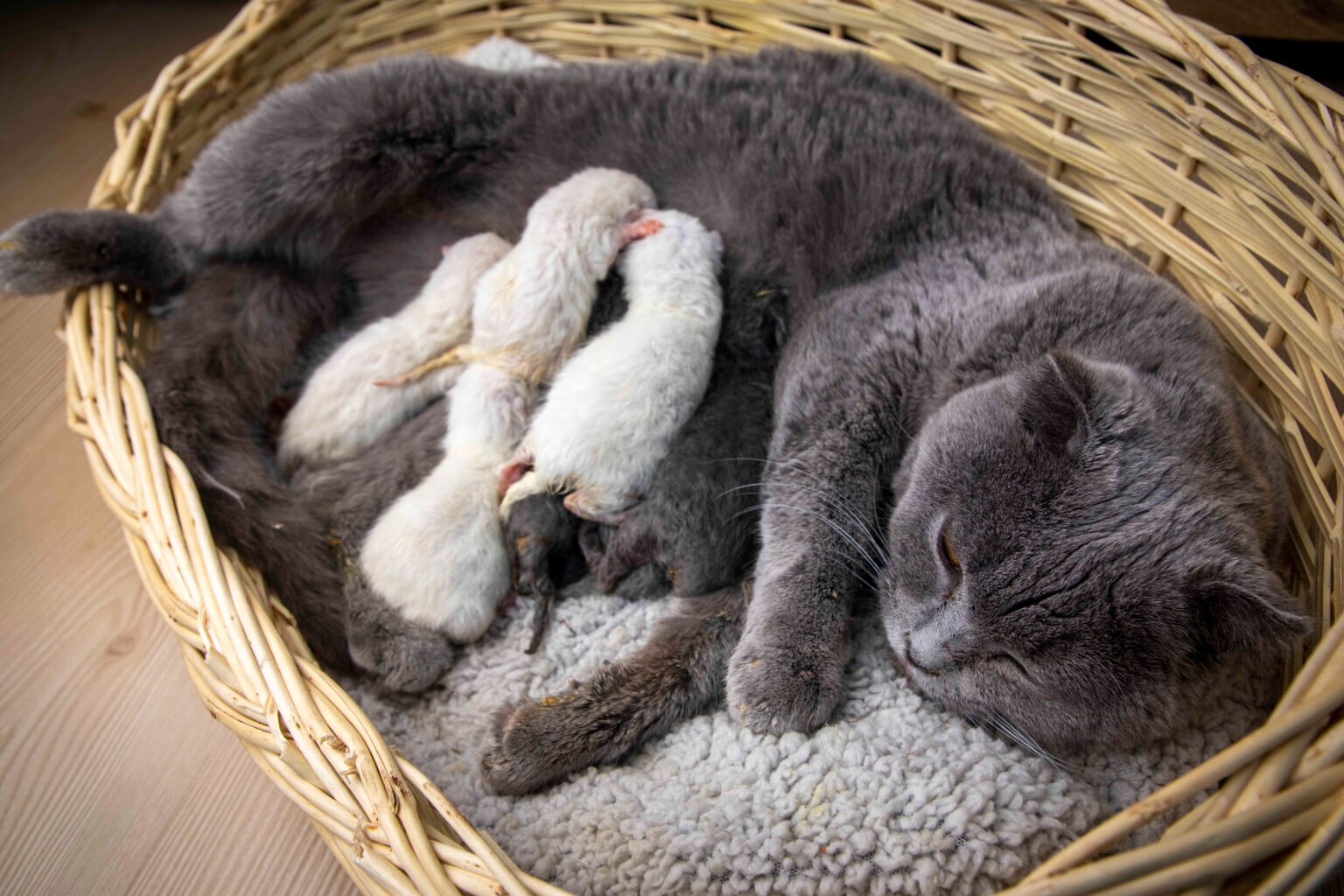
How many kittens can a cat have? Most cats give birth to several kittens in a litter, but litter size can vary considerably depending on the cat’s age, breed, health, reproductive history, and other factors.
If you are caring for a pregnant cat or simply curious about feline biology, understanding what to expect during birth is essential. In this guide, we will cover the average litter size, what to expect from first litters, the largest possible litters on record, and how many litters a cat can safely have in her lifetime. We will also explore feline pregnancy length, the various factors affecting litter size, what happens during unusually large litters, and exactly when pregnancy or birth requires veterinary attention.
The average litter size for a cat is 3 to 5 kittens. However, it is completely normal for a cat to have as few as one kitten or as many as eight or more, depending on her genetics, age, health, and previous reproductive history.
How Many Kittens Can a Cat Have in One Litter?
When asking how many kittens are usually in a litter, the standard veterinary consensus points to an average of 3 to 5 kittens. However, this is just an average, and normal variation is incredibly common.
Some litters are naturally smaller, consisting of only one or two kittens. This frequently happens if the mother is experiencing her very first pregnancy, or depending on her age and health. On the other end of the spectrum, some litters are much larger, sometimes reaching six, eight, or even more kittens. The difference between an average litter and a maximum litter is significant, and while large litters are well-documented, exceptionally large litters are relatively unusual and can present unique challenges for the mother cat.
How Many Kittens Are Usually in a First Litter?
If a cat is pregnant for the very first time, her body is still adjusting to the reproductive process. So, how many kittens are in a first litter?
First litters are often smaller than later litters, but there is considerable individual variation. A first-time mother can have a small litter or several kittens, so litter size alone does not indicate whether the pregnancy is progressing normally. Because she may not be fully physically mature, her reproductive output can differ from a cat that has had previous pregnancies.
Is a First Litter Usually Smaller?
Yes. Due to the mother’s youth and incomplete physical maturity during her first reproductive cycle, a first litter is typically smaller than the litters she may have later in life.
What Determines How Many Kittens a Cat Has?
Litter size is not a random number; it is influenced by multiple biological and environmental factors rather than a single predictable rule.
Age of the Mother Cat
Age can influence litter size, but there is no single age range that guarantees a particular number of kittens. Very young or older cats may have different reproductive outcomes, while individual health, genetics, and reproductive history also matter.
Breed and Genetics
Breed and genetics can influence litter size, but differences between individual cats can be substantial. Breed alone cannot reliably predict how many kittens a particular cat will have.
Overall Health and Nutrition
A cat’s physical condition prior to and during mating significantly impacts fetal development. A well-nourished, healthy cat living in a low-stress environment is more likely to carry a larger number of fetuses to term than a malnourished or sick cat.
Previous Pregnancies
A cat’s reproductive history is a strong indicator of litter size. A queen’s second, third, and fourth litters are generally larger than her first.
Timing and Reproductive Factors
Cats are induced ovulators, meaning mating stimulates ovulation. Queens may mate multiple times during an estrous period, but the number of matings should not be used to predict the final litter size. Fertilization, embryo development, maternal health, genetics, and other reproductive factors all influence how many kittens are ultimately born.
Size and Development of the Litter
Even if multiple eggs are fertilized, biological factors influence survival in utero. Sometimes, a fetus may fail to develop and is naturally reabsorbed by the mother’s body, which reduces the final number of kittens born.
How Can You Find Out How Many Kittens Your Cat Is Carrying?
If you suspect your cat is pregnant, a veterinarian can help determine the size of the litter.
An ultrasound can confirm pregnancy and assess fetal viability, and it is most useful earlier in the pregnancy. However, late-pregnancy radiographs (X-rays) are more useful for counting fetal skeletons and determining the actual litter size, as noted in the Merck Veterinary Manual. Counting kittens before birth is not always perfectly accurate, but a veterinary examination provides the safest and most reliable estimate of how many kittens to expect.
How Many Kittens Can a Cat Have at Once?
When people ask how many kittens can a cat have at once, they are referring to a single pregnancy and delivery cycle. While 3 to 5 is average, a single pregnancy can yield 8, 9, or even 10 kittens in robust, highly fertile cats.
However, unusually large litters create intense physical demands. The mother’s uterus has limited space, meaning kittens in very large litters are often born at a lower birth weight. Very large litters can create additional risks during delivery. Large litters require closer monitoring because some kittens may struggle to compete for milk, warmth, or access to the mother. Providing dedicated newborn kitten care becomes critical when a mother is overwhelmed.
What Is the Largest Number of Kittens a Cat Can Have?
While the average is modest, the absolute biological limits are astonishing.
Exceptionally large litters occasionally make headlines, but these record cases shouldn’t be treated as normal expectations. It is also important to remember that anecdotal claims online may not always be reliable. There is a distinct difference between a documented, scientifically verified record and a typical biological outcome.
Can a Cat Really Have More Than 10 Kittens?
Yes. While it is rare for the average house cat, litters of 10 to 12 kittens do occasionally occur, particularly in certain breeds or highly fertile mixed-breed cats.
Can a Cat Have 15 or More Kittens?
Yes, though it is incredibly unusual. The largest officially recorded domestic cat litter was 19 kittens, born in 1970 to a Burmese/Siamese cat in Oxfordshire, England. Four kittens were stillborn, leaving 15 survivors. Litters of this magnitude are extraordinary biological anomalies, not everyday occurrences.
How Many Kittens Can a Cat Have in Her Lifetime?
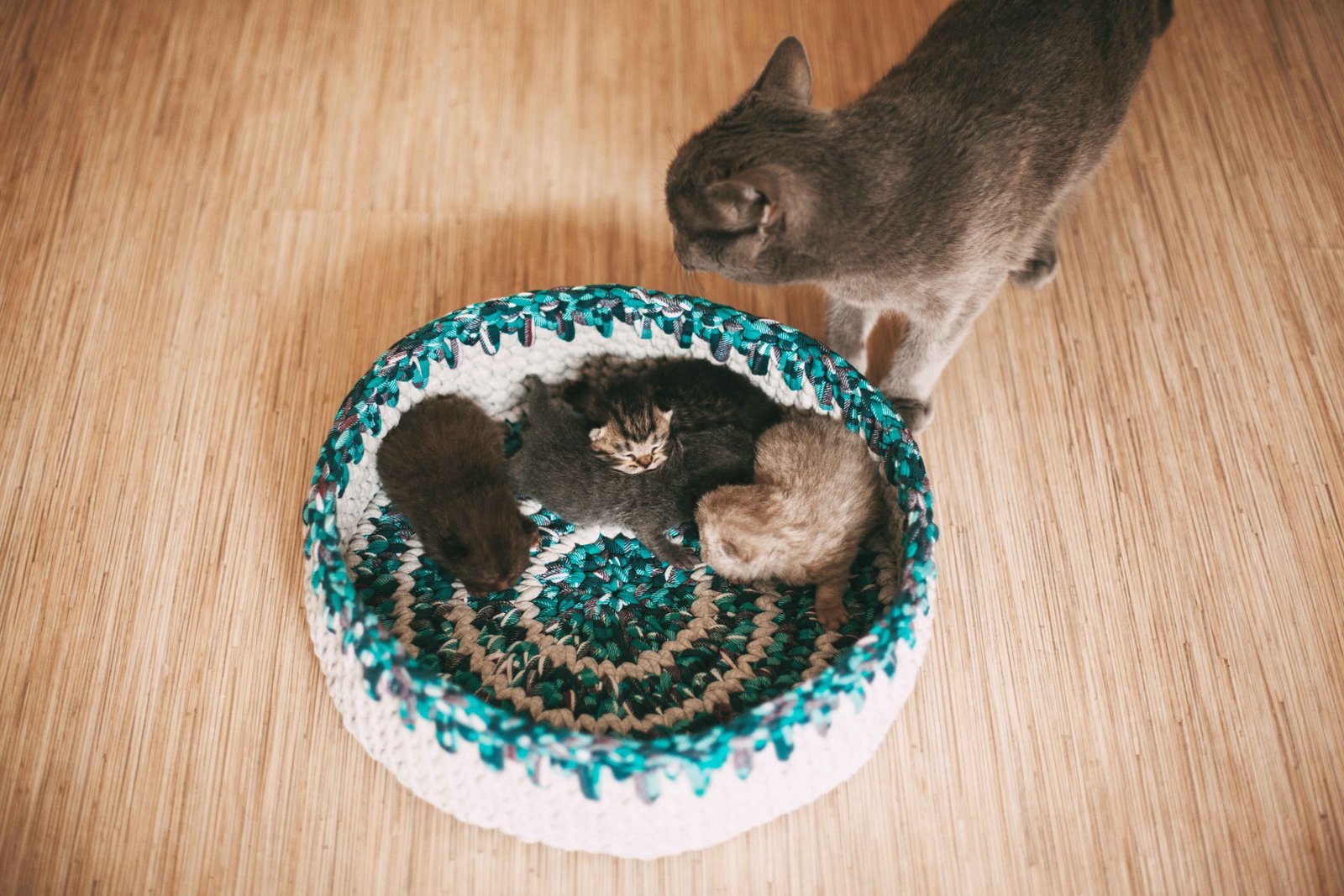
A female cat’s reproductive capacity over her lifetime is immense. Cats are highly efficient reproducers; they can go into heat multiple times a year and can even become pregnant again while still nursing a current litter.
An unspayed female can have multiple litters during her reproductive life, so the lifetime number can become very large if pregnancies occur repeatedly. However, there is no single meaningful lifetime maximum because reproductive frequency, health, age, breeding management, and survival all vary between cats.
Repeated, back-to-back pregnancies take a severe physical toll on the mother’s health. Responsible breeding should always prioritize maternal and kitten welfare, and unplanned reproduction can rapidly increase the number of cats needing homes.
What cat gave birth to 420 kittens?
A tabby cat named Dusty from Texas is recorded by Guinness World Records as having produced 420 kittens during her breeding life. Her final litter, born in 1952, consisted of one kitten. This is a historical record and should not be interpreted as a normal or healthy reproductive target for domestic cats.
How Long Is a Cat Pregnant?
Understanding the timeline of birth is just as important as knowing the litter size. So, how long is a cat pregnant?
A cat’s pregnancy lasts about nine weeks, with gestation commonly reported at around 63–66 days. The exact length can vary, and the breeding date does not always correspond precisely to conception or ovulation. Because of this variation, predicting the exact due date at home can be quite difficult.
How Can You Tell How Far Along a Cat Is?
You may notice observable signs such as the nipples becoming swollen and pink around week 3, noticeable weight gain, and an expanding abdomen. However, veterinary examination is far more reliable than trying to estimate the pregnancy stage at home.
What Month Do Cats Usually Give Birth?
While indoor cats can give birth at any time of the year, outdoor and community cats are strongly influenced by the seasons. They usually begin going into heat as daylight hours increase in the spring. Consequently, cats typically give birth from early spring through late summer.
Does Litter Size Change as a Cat Gets Older?
Yes. A cat’s reproductive output generally peaks when she is a healthy young adult and gradually declines as she enters her senior years. Older cats are also at a higher risk for pregnancy and delivery complications.
Can a Cat Have Too Many Kittens?
From a welfare and medical standpoint, a litter can indeed be “too large” for a mother to safely manage.
Maternal exhaustion is a primary concern. Nursing a large litter drains the mother’s caloric and calcium reserves rapidly. This intense depletion can lead to dangerous postpartum emergencies like eclampsia in cats (a life-threatening drop in blood calcium) or cat mastitis (painful inflammation or infection of the mammary glands).
Because the number of kittens can exceed the number of functional nipples available at any one time, larger litters may require closer monitoring to make sure every kitten is nursing adequately. The smaller or weaker kittens may be pushed aside by their larger siblings, leading to a failure to thrive. Supplemental feeding is often necessary to ensure the entire litter survives, making veterinary advice incredibly important.
What Should You Do If Your Cat Is Expecting a Large Litter?
If an ultrasound or X-ray confirms your cat is expecting a large litter, practical preparation is essential.
Prepare a Safe Birthing Area
Set up a quiet, warm, and secure nesting or queening box in a low-traffic area of the home before her due date. Line it with clean, washable blankets or puppy pads.
Monitor the Mother
Feed a complete, nutritionally balanced diet formulated for kittens or for pregnancy and lactation. Pregnant and nursing queens have substantially higher energy requirements, particularly while nursing a large litter. During labor, observe her from a respectful distance to ensure she is not struggling.
Make Sure Every Kitten Is Nursing
Once born, ensure every kitten successfully latches onto a nipple. In large litters, you may need to gently rotate the kittens, allowing the smaller ones guaranteed time to nurse while the larger ones sleep.
Watch for Weak or Failing Kittens
Kittens that are lethargic, constantly crying, or failing to gain weight need immediate intervention. This rapid decline is often referred to as fading kitten syndrome, and it requires swift medical and nutritional support.
Know When to Contact a Veterinarian
Have your veterinarian’s emergency number ready. If the mother is pushing unproductively, bleeding excessively, or seems extremely weak, do not hesitate to call.
What Happens After a Large Litter Is Born?
The work doesn’t stop once the kittens arrive. You must check that all kittens are nursing effectively. Monitoring their daily weight using a digital kitchen scale is the best way to track their health.
Ensure the nesting area maintains adequate warmth, as newborn kittens cannot regulate their own body temperature. Watch the mother’s behavior closely. Exhaustion or pain can sometimes lead to maternal neglect. If you are wondering why a cat is rejecting her kittens, it is often tied to severe stress, illness, or a litter that is too large for her to care for.
If you notice signs that a kitten isn’t getting enough milk (crying, weight loss, weakness), you will need to step in with a commercial kitten milk replacer. Establishing a strict kitten feeding schedule is necessary to safely hand-raise or supplement the overflow kittens.
When Should You Call a Veterinarian?
Because this is a critical medical event, avoid managing potentially serious complications yourself. Seek veterinary care immediately if you observe any of the following warning signs:
- Prolonged or difficult labor (straining for more than 30-60 minutes without producing a kitten).
- Significant distress, weakness, or collapse in the mother.
- Abnormal, foul-smelling, or heavy bleeding discharge.
- A kitten becoming cold, weak, or unresponsive.
- A mother actively refusing to care for or nurse her kittens.
- Kittens that are persistently crying or failing to nurse.
References & Further Reading
- Merck Veterinary Manual: Management of the Neonate in Dogs and Cats
- Merck Veterinary Manual: Metritis in Small Animals
- Cornell Feline Health Center: Caring for Your New Cat (Health and Reproduction)
Frequently Asked Questions About How Many Kittens a Cat Can Have
How many kittens can a cat have in one litter?
A cat usually has between 3 and 5 kittens in a single litter, though litters can range anywhere from 1 to 8 or more kittens depending on the cat’s health, breed, and age.
How many kittens are usually in a first litter?
First litters are often smaller than later litters, but there is considerable individual variation. A first-time mother can have a small litter or several kittens.
Can a cat have 10 kittens?
Yes. While it is higher than the average, it is biologically possible for a robust and highly fertile cat to give birth to 10 kittens in a single litter.
Can a cat have 15 kittens?
Yes, but it is extremely rare. Litters of 15 or more kittens have been documented in official records, but they are extraordinary biological anomalies.
What is the largest litter a cat has ever had?
The largest officially recorded domestic cat litter was 19 kittens, born in 1970 to a Burmese/Siamese cat in Oxfordshire, England. Four kittens were stillborn, leaving 15 survivors.
What cat gave birth to 420 kittens?
A tabby cat named Dusty from Texas is recorded by Guinness World Records as having produced 420 kittens during her breeding life. This is a historical record, not a safe biological expectation.
How many kittens can a cat have in her lifetime?
An unspayed female can have multiple litters during her reproductive life, so the lifetime number can become very large. However, there is no single meaningful lifetime maximum because reproductive frequency, health, and age vary between cats.
How long is a cat pregnant?
A cat’s pregnancy lasts about nine weeks, with gestation commonly reported at around 63–66 days. The exact length can vary depending on when conception actually occurs.
How many kittens can a cat have at once?
In a single pregnancy, a cat averages 3 to 5 kittens, but healthy cats can sometimes safely carry and deliver up to 8 or 9 kittens.
Do older cats have fewer kittens?
Yes. A cat’s reproductive output typically declines as she enters her senior years, resulting in smaller litters.
Do cats have more kittens in their second litter?
Often, yes. A queen’s second, third, and fourth litters are generally larger than her very first litter.
Is a one-kitten litter normal?
Yes, “singleton” litters are completely normal, especially in very young cats, senior cats, or during a cat’s first pregnancy.
Is a large litter dangerous for the mother cat?
A very large litter can increase the risk of delivery complications, maternal exhaustion, and postpartum issues like calcium depletion (eclampsia) or mammary inflammation (mastitis).