


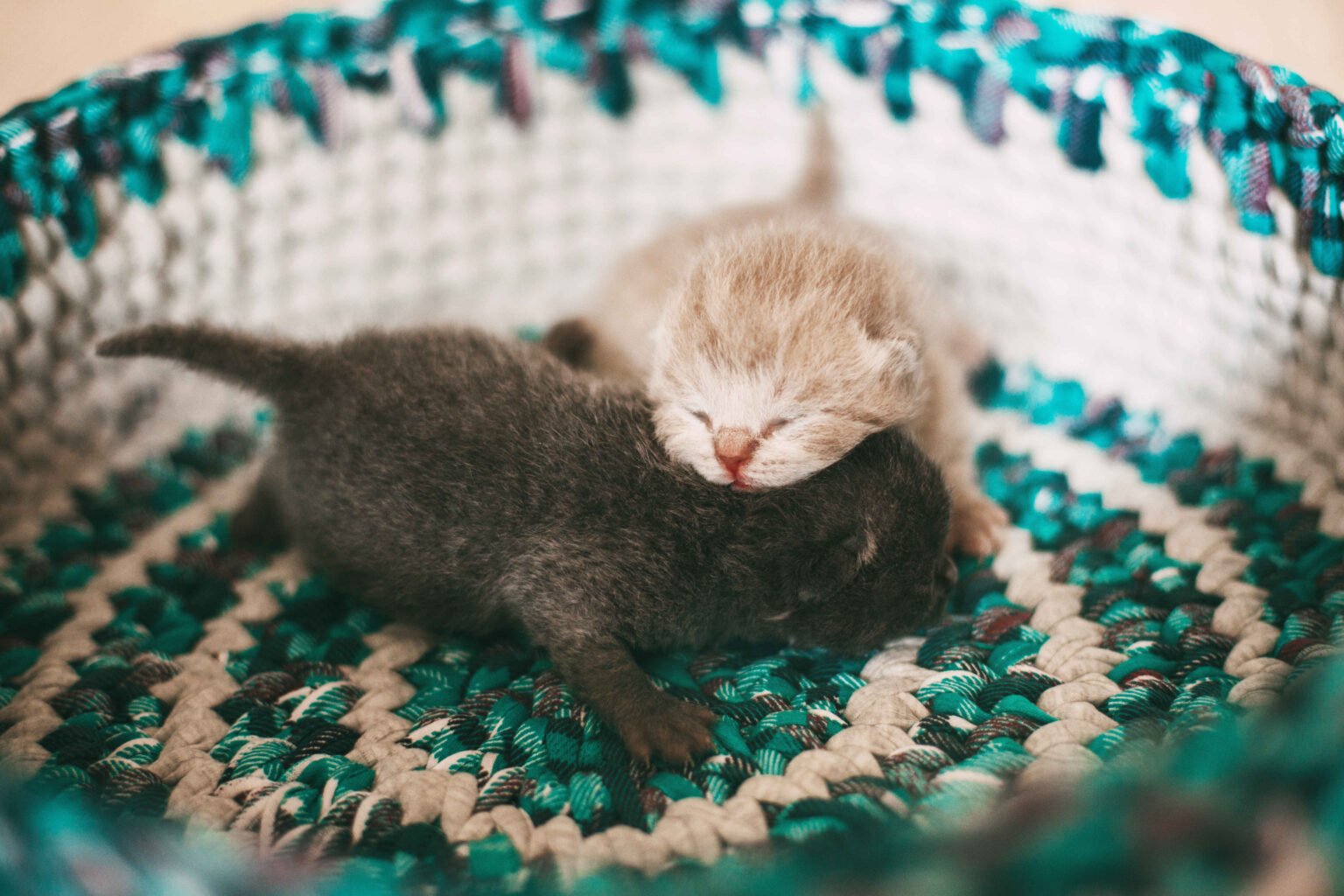
Bringing a litter of kittens into the world is an extraordinary event, but providing proper newborn kitten care requires dedication, careful observation, and specialized knowledge. Neonatal kittens are born completely dependent. They are deaf, blind, and have a very limited ability to regulate their own body temperature or eliminate waste without assistance. Because of these intense vulnerabilities, they require specialized care to survive and thrive.
- 1. What Do Newborn Kittens Need to Survive?
- 2. Newborn Kitten Care During the First 24 Hours
- Nursing and Colostrum
- Staying Warm and Mother-Kitten Bonding
- Should You Touch Newborn Kittens?
- What Should Healthy Newborn Kittens Look Like?
- 3. Newborn Kitten Care Week by Week
- 4. How to Feed a Newborn Kitten
- 5. How to Keep Newborn Kittens Warm
- 6. Do Newborn Kittens Need Help Going to the Bathroom?
- 7. How to Care for an Abandoned Newborn Kitten
- 8. How Long Can Newborn Kittens Be Without Their Mother?
- 9. What If the Mother Cat Rejects Her Kittens?
- 10. Why Do Cats Move Their Kittens?
- 11. Common Problems in Newborn Kittens
- 12. Newborn Kitten Care: When to Call a Veterinarian
- 13. Newborn Kitten Care Checklist
- Sources & References
- Frequently Asked Questions (FAQ)
- How long can newborn kittens survive without their mother?
- What is the 3-3-3 rule for kittens?
- Do newborn kittens need milk immediately?
- How long after birth can you touch kittens?
- What should you not do with newborn kittens?
- Can a 1-week-old kitten survive without its mother?
- How do you keep a newborn kitten alive without its mother?
- Where should a kitten sleep on the first night?
- What is the hardest age for a kitten?
When a healthy mother cat (the queen) is present and actively caring for her litter, she will handle the vast majority of the work. Your primary role will be to monitor her health, provide a safe and quiet environment, and ensure the kittens are developing normally. However, if the mother is absent, experiencing medical complications, or physically unable to nurse, human intervention becomes an immediate necessity.
Whether you are supporting a nursing mother cat or taking on the demanding role of a surrogate parent for an orphaned litter, this comprehensive guide covers everything you need to know. We will explore what kittens fundamentally need to survive, detail their week-by-week development, explain proper feeding protocols, and show you how to recognize when a kitten needs emergency veterinary attention.
Proper newborn kitten care centers on five critical elements: providing a consistent source of indirect warmth, ensuring adequate nutrition (via mother’s milk or specialized formula), maintaining hydration, helping the kittens eliminate waste, and closely monitoring their daily weight and development to catch early signs of illness.
1. What Do Newborn Kittens Need to Survive?
Before diving into the week-by-week specifics, it is vital to understand the foundational pillars of neonatal care. According to veterinary guidelines published in the Merck Veterinary Manual, a newborn kitten’s survival generally hinges on five essential requirements:
- Warmth: Kittens cannot effectively regulate their body temperature for the first few weeks of life. They rely heavily on their mother, their littermates, or a safe artificial heat source to prevent hypothermia.
- Milk/Nutrition: Neonates have virtually no energy reserves. They require frequent feedings of mother’s milk or a specialized feline milk replacer to prevent life-threatening low blood sugar (hypoglycemia).
- Hydration: Kittens are composed of a high percentage of water and can become dehydrated rapidly if they stop nursing or suffer from diarrhea.
- Help with Elimination: Newborns generally lack the muscle control to urinate or defecate on their own. The mother naturally stimulates them by licking; orphans require humans to gently mimic this process.
- Safety and Monitoring: A quiet, draft-free environment is essential. Daily monitoring of their weight and behavior is one of the most reliable ways to catch early signs of a health decline.
2. Newborn Kitten Care During the First 24 Hours
The first 24 hours of a kitten’s life help set the trajectory for their long-term health and immune system development.
Nursing and Colostrum
Within the first few hours of birth, kittens should begin nursing to ingest colostrum. Colostrum is a specialized fluid produced by the mother just before her regular milk comes in. It provides essential maternal antibodies that help protect the kittens from infectious diseases. Because a kitten’s intestinal tract can only absorb these crucial antibodies effectively during the first 12 to 24 hours, early nursing is vital for their survival.
Staying Warm and Mother-Kitten Bonding
Immediately after birth, the mother typically cleans the kittens, removing the amniotic sac and stimulating their first breaths. The kittens will intuitively crawl toward her warmth. The nesting box should be kept in a quiet, dimly lit room to promote this early bonding and prevent the mother from becoming overly stressed.
Should You Touch Newborn Kittens?
If the mother is attentive and the kittens are nursing and quiet, it is generally best to leave them undisturbed. Unnecessary handling can cause maternal stress and disrupt the bonding process.
Handling is usually only appropriate when necessary for their health, such as quickly checking their daily weight, changing heavily soiled bedding, or intervening if a kitten is pushed away and becomes cold. Always wash your hands thoroughly before touching neonates, as their immune systems are still developing.
What Should Healthy Newborn Kittens Look Like?
During the first 24 hours, healthy kittens generally display the following behaviors:
- Nursing behavior: They will actively root around for a nipple and latch on securely.
- Warm body: They should feel comfortably warm to the touch.
- Regular movement: When separated from the mother, they should actively wiggle and vocalize to find their way back.
- Quiet resting: Between feeding sessions, a healthy litter typically sleeps peacefully in a warm pile. Continuous, frantic crying can be a warning sign that they are cold, hungry, or in distress.
3. Newborn Kitten Care Week by Week
Tracking newborn kitten development helps you provide age-appropriate care and identify when milestones are missed or delayed.
Week 1: Birth to 7 Days
During the first week, kittens are highly dependent. Their eyes and ears are closed, and the umbilical cord stump typically dries up and falls off around day three to five.
- Feeding: They nurse frequently, often every two to three hours.
- Sleeping: They spend the vast majority of their time sleeping and growing.
- Temperature: They require a warm environment, as they cannot retain body heat well.
- What to monitor: Daily weight gain is critical. Healthy kittens generally gain about 10 to 15 grams per day (or 50 to 100 grams per week), according to resources from the Cornell Feline Health Center.
Week 2: 8–14 Days
Development becomes more physically visible during the second week.
- Eye development: Their eyes will begin to open, usually between 7 and 14 days. All kittens are born with blue eyes, and their early vision is blurry. Never force a kitten’s eyelids open.
- Increased movement: They will begin to crawl with a bit more coordination, though they generally cannot yet stand or walk.
- Continued dependence: They still rely entirely on a milk diet and require maternal warmth and stimulation.
Week 3: 15–21 Days
The third week marks the beginning of early environmental awareness.
- Walking development: Kittens will often start to stand and take their first wobbly steps.
- Increased awareness: Their ear canals open completely, allowing them to respond to sounds.
- Early exploration: Tiny baby teeth (incisors) will start to erupt through the gums, and they may begin clumsy play with littermates.
Week 4: 22–28 Days
At four weeks old, kittens start becoming much more active.
- Beginning weaning: You can typically start introducing a shallow dish of a “slurry” kitten formula mixed with ultra-soft, high-protein kitten wet food.
- Play behavior: Running, pouncing, and wrestling become regular daily activities.
- Litter training: They generally gain the ability to eliminate on their own. You can introduce a shallow litter pan with a non-clumping, kitten-safe litter.
Weeks 5–8
The final weeks of early kittenhood focus on solid foods, independence, and socialization.
- Solid-food transition: They will gradually transition away from milk and onto a diet of solid kitten food.
- Socialization: Positive, gentle interaction with humans and exposure to normal household sounds are critical for their behavioral development during this window.
- Veterinary care: Around 6 to 8 weeks of age, kittens should visit the veterinarian for their first comprehensive examinations, core vaccinations, and deworming.
4. How to Feed a Newborn Kitten
When considering what to feed newborn kittens, the approach depends entirely on whether the mother is nursing them or if you are providing orphan care.
If the Mother Is Nursing
Mother’s milk is the ideal nutritional source. Your primary role is to ensure the mother is eating a high-calorie, nutrient-dense diet to support her lactation. Monitor the litter; if a kitten fails to gain weight, they may not be nursing successfully and could require veterinary assessment and supplemental feeding.
If the Mother Is Absent
Orphaned kittens require careful human intervention and a specialized feeding routine.
- Kitten Milk Replacer: Use a high-quality commercial Kitten Milk Replacer (KMR).
- Bottle Feeding: Use a pet-specific nursing bottle. The hole in the nipple should be just large enough for milk to drip slowly when inverted. For proper techniques.
- Feeding Position: Avoid feeding a kitten on its back like a human baby, as this increases the risk of inhaling fluid into the lungs (aspiration). Feed the kitten resting on its stomach, with its head slightly elevated.
- Feeding Frequency: Kittens under one week old generally need to be fed every 2 to 3 hours. As they grow, feedings can gradually be spaced further apart. It is highly recommended to follow a structured kitten feeding schedule for age-appropriate volumes.
What Should You NOT Feed Newborn Kittens?
Cow’s milk lacks the proper nutritional balance for felines and contains lactose levels that can cause severe diarrhea. In neonates, diarrhea can quickly become life-threatening due to dehydration. Avoid cow’s milk, improvised homemade formulas, and inappropriate human foods.
5. How to Keep Newborn Kittens Warm
Because neonates cannot shiver effectively, they lose body heat rapidly. Providing safe, indirect warmth is essential.
Safe Ways to Provide Warmth
If the mother is not present, you must provide an artificial heat source. Common methods include a microwaveable pet heating disc or a pet-specific heating pad set to “low.”
Creating a Warm Nesting Area
Place the heat source under a thick blanket in the nesting box. Crucially, the heat source should only cover half of the box. Kittens must be able to crawl away to a cooler area if they become too warm, as overheating can be dangerous.
Never Feed a Severely Chilled Kitten
If a kitten feels cold to the touch and is unresponsive, do not attempt to force-feed it. A cold kitten’s digestive tract slows down, and they may lack the reflex to swallow safely. You must gradually warm the kitten first using indirect heat and seek emergency veterinary guidance before offering food.
6. Do Newborn Kittens Need Help Going to the Bathroom?
Yes. During the first few weeks, kittens generally do not eliminate voluntarily.
The mother cat stimulates her kittens to eliminate by licking their genital and anal regions after feeding. If you are providing orphan kitten care, you must mimic this process. After every meal, use a warm, slightly damp cotton ball or soft tissue to gently rub the kitten’s lower abdomen and genital area. This stimulation encourages them to urinate and defecate.
7. How to Care for an Abandoned Newborn Kitten
Finding a tiny, crying kitten alone is stressful, but taking actionable, appropriate steps can save their life.
First, assess if the kitten is truly abandoned. Mother cats frequently leave their kittens in a hidden nest while they hunt, or they may be in the middle of moving the litter. Unless the kitten is in immediate danger, observe the nest quietly from a distance. The ASPCA notes that mothers often return, and keeping the kitten with its mother offers the best chance of survival.
If human intervention is necessary:
- Provide Warmth: Gently wrap the kitten in a blanket and apply a safe, indirect heat source.
- Feed Appropriately: Once warmed and responsive, begin bottle-feeding with KMR.
- Stimulate to Eliminate: Help them go to the bathroom after feeding.
- Seek Veterinary Care: Orphaned outdoor kittens are susceptible to respiratory infections and parasites and should be examined by a vet.
8. How Long Can Newborn Kittens Be Without Their Mother?
Because newborn kittens have very limited energy reserves and poor thermoregulation, they generally cannot survive long without their mother. A kitten under a week old typically needs to nurse every 2 to 3 hours. If a mother has been absent for more than a few hours and the kittens are crying continuously or feeling cold, human intervention is likely needed to prevent hypoglycemia and hypothermia.
9. What If the Mother Cat Rejects Her Kittens?
In some distressing scenarios, a mother cat may actively push away one kitten or ignore her entire litter. This can happen due to maternal illness (like mastitis), severe environmental stress, or an instinctual response to a kitten with a congenital defect.
If you notice the mother refusing to nurse, ignoring their cries, or acting aggressively, you should intervene by keeping the kittens warm, checking if they have nursed, and contacting a veterinarian for advice on supplemental feeding. To better understand the various triggers for this behavior, you can review why a cat might reject her kittens.
10. Why Do Cats Move Their Kittens?
It is common for a mother cat to pick her kittens up by the scruff and relocate them. She may be seeking a safer, cleaner location, moving away from loud noises or household traffic, or adjusting to temperature changes. If the new spot is safe, it is usually best to let her settle. If you are concerned about constant relocations, understanding why cats move their kittens can help you decide if you need to adjust her environment.
11. Common Problems in Newborn Kittens
Even with attentive care, neonates can experience sudden health complications. Knowing the warning signs allows you to seek timely veterinary help.
- Fading Kitten Syndrome: Kittens that fail to thrive may be experiencing fading kitten syndrome, which is a general term for a rapid decline caused by underlying issues like hypothermia or infection. Immediate veterinary assessment is required.
- Poor Feeding: Dropping off the nipple quickly, inability to latch, or refusing a bottle.
- Dehydration: Skin that remains “tented” when gently pinched at the back of the neck.
- Respiratory Distress: Open-mouth breathing, gasping, or nasal discharge.
12. Newborn Kitten Care: When to Call a Veterinarian
Seek Veterinary Help If a Newborn Kitten:
- Is unusually weak, limp, or unresponsive.
- Cannot nurse or lacks a suckle reflex.
- Feels cold to the touch and cannot be safely warmed.
- Has visible difficulty breathing.
- Has persistent vomiting or diarrhea.
- Stops gaining weight or loses weight.
- Appears severely dehydrated.
- Is being rejected or attacked by the mother cat.
13. Newborn Kitten Care Checklist
Use this scannable checklist to ensure you are meeting a neonatal kitten’s daily needs:
Every Day, Make Sure You:
- ✓ Check warmth: Ensure the nesting area is draft-free and the indirect heat source is safe.
- ✓ Observe feeding: Confirm that kittens are latching successfully or taking appropriate formula amounts.
- ✓ Monitor behavior: Ensure the kittens sleep quietly between feeds and are not isolated or crying constantly.
- ✓ Monitor elimination: Check that the mother is cleaning them, or manually stimulate orphans after feeds.
- ✓ Check weight: Weigh the kittens daily to confirm steady growth.
- ✓ Keep the nest clean: Change soiled bedding promptly.
Sources & References
- Merck Veterinary Manual: Management of the Neonatal Kitten
- Cornell Feline Health Center: Kitten Development and Care Guidelines
- ASPCA: Newborn Kitten Care, Bottle Feeding, and Emergency Protocols
Frequently Asked Questions (FAQ)
How long can newborn kittens survive without their mother?
Newborn kittens are incredibly fragile and have limited energy reserves. A kitten under a week old generally needs to nurse every 2 to 3 hours. Without maternal warmth and nutrition, a neonate can suffer from hypothermia and low blood sugar very rapidly, making prompt human intervention vital if the mother does not return.
What is the 3-3-3 rule for kittens?
The 3-3-3 rule is a general guideline for adopting an older kitten or adult cat, suggesting it takes 3 days to decompress, 3 weeks to learn your routine, and 3 months to feel completely at home. For newborn kittens, development is tracked by weekly physical milestones, such as opening their eyes and beginning to walk.
Do newborn kittens need milk immediately?
Yes. Kittens should ideally nurse within the first few hours of life to receive colostrum, which contains essential maternal antibodies. Delayed feeding can lead to dangerous drops in blood sugar.
How long after birth can you touch kittens?
If the mother is present and caring for the litter, you should avoid handling the kittens for the first week or two unless necessary for their health (such as weighing them). Unnecessary handling can cause maternal stress.
What should you not do with newborn kittens?
You should avoid feeding them cow’s milk, avoid force-feeding a cold or unresponsive kitten, and avoid feeding them while they are on their backs. Additionally, keep them away from loud noises, drafts, and other household pets.
Can a 1-week-old kitten survive without its mother?
Yes, a 1-week-old kitten can survive, but it requires intensive human care. They will need a safe artificial heat source, regular bottle-feeding with kitten formula, and manual stimulation to help them go to the bathroom.
How do you keep a newborn kitten alive without its mother?
To care for an orphaned kitten, you must provide indirect warmth, feed them commercial kitten milk replacer every few hours, keep their environment clean, and stimulate them to eliminate waste after meals. Veterinary guidance is strongly recommended.
Where should a kitten sleep on the first night?
A newborn kitten should sleep in a secure, high-sided box lined with clean blankets in a draft-free, quiet room. If orphaned, provide a heating pad set on low under half of the bedding so the kitten can regulate its temperature by crawling toward or away from the warmth.
What is the hardest age for a kitten?
The first two to three weeks of life are often the most demanding and perilous. During this neonatal period, kittens are unable to regulate their body temperature, completely dependent on milk, and highly susceptible to infections and rapid health declines.