
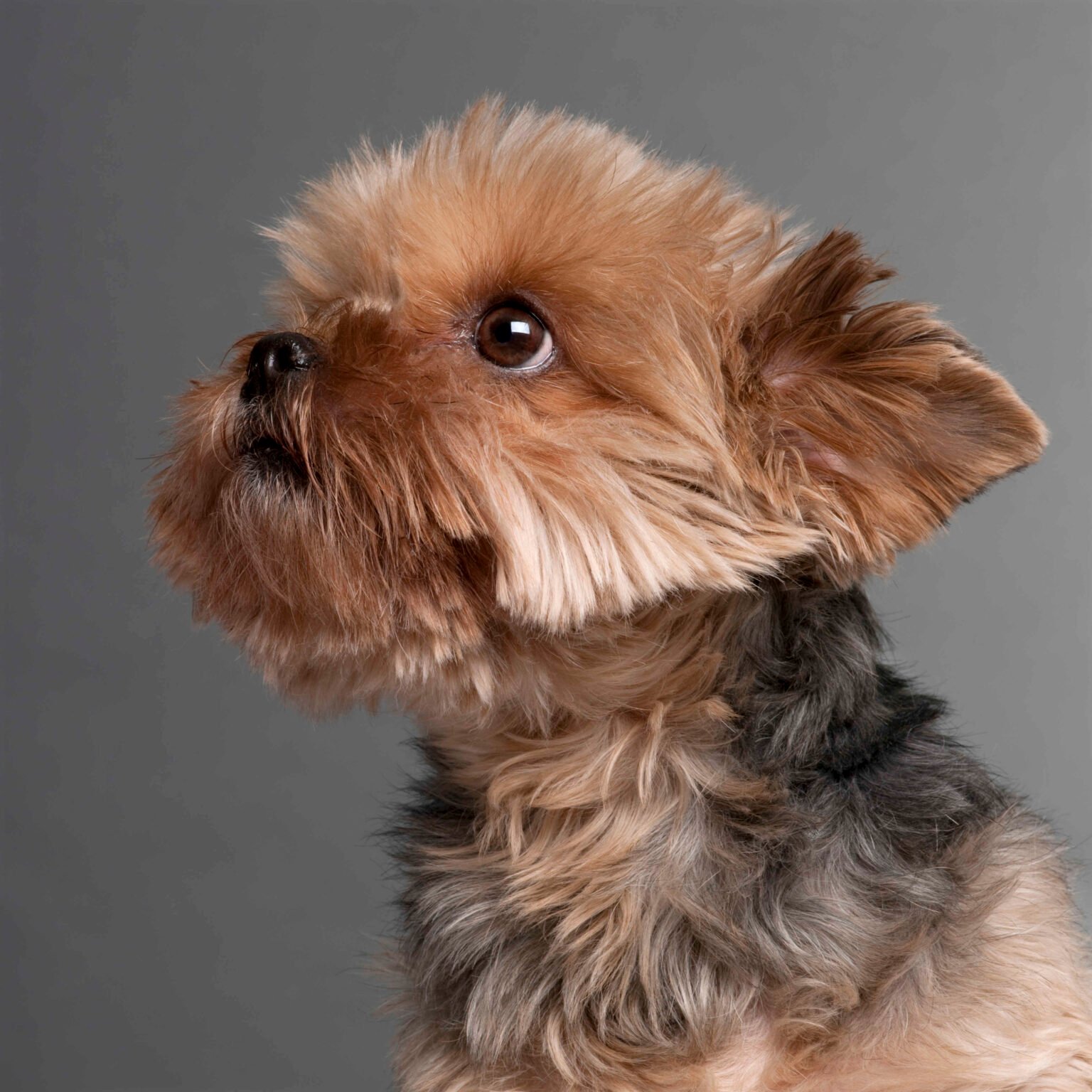
Yorkipoo dogs are small, intelligent, and highly interactive companion pets. If you are looking for a devoted friend, this popular designer mixed breed, created by crossing a Yorkshire Terrier with a Toy or Miniature Poodle, might be exactly what you are searching for.
While their adorable appearance is often the first thing that catches a prospective owner’s eye, keeping and taking care of a Yorkipoo involves much more than just admiring their cute faces. Because they combine the lively, alert nature of a terrier with the brilliant mind of a poodle, they thrive in homes that can provide engaging training, consistent mental stimulation, and plenty of affection. They also require dedicated grooming and proactive dental care to stay healthy.
In this complete breed guide, we will cover everything you need to know about the Yorkipoo. From understanding their varying sizes and coat types to managing their vocal tendencies, grooming requirements, and potential health risks, this guide will help you determine if this spirited little dog is the right fit for your lifestyle.
A Yorkipoo is a small mixed-breed dog resulting from crossing a Yorkshire Terrier with a Toy or Miniature Poodle. They are generally known for being affectionate, intelligent, and energetic companions. While they often have low-shedding coats, they require frequent, dedicated grooming and are prone to dental issues and separation anxiety.
What Is a Yorkipoo?
A Yorkipoo (sometimes spelled Yorkie Poo or Yorkie-Poo) is not a purebred dog recognized by major kennel clubs like the American Kennel Club (AKC). Instead, they are what is commonly referred to as a “designer breed” or a deliberate mixed breed.
They are created by breeding a purebred Yorkshire Terrier with either a purebred Toy or Miniature Poodle. The goal of this cross is typically to combine the bold, affectionate personality of the Yorkie with the high intelligence and low-dander coat of the Poodle.
Because Yorkipoos are a mixed breed, there is no strict breed standard. This means that Yorkipoos can vary considerably in appearance, size, coat texture, and temperament, even within the same litter. Some puppies may lean heavily toward their terrier heritage, while others may closely resemble a Poodle.
The Yorkipoo at a Glance
- Height: Generally 7 to 15 inches at the shoulder.
- Weight: Generally 5 to 15 pounds.
- Lifespan: Typically 10 to 15 years.
- Coat: Can be straight, wavy, or curly; usually low-shedding.
- Energy Level: Moderate to high.
- Trainability: High, but can be stubborn.
- Grooming Needs: High; requires regular brushing and professional trimming.
- Apartment Suitability: Excellent, provided barking is managed.
- Barking Tendency: Moderate to high (they are alert watchdogs).
Yorkipoo Size and Appearance
Because they are a crossbreed, predicting the exact adult size and look of a Yorkipoo puppy can be challenging.
How Big Does a Yorkipoo Get?
A Yorkipoo’s adult size depends heavily on the Poodle parent. If the Yorkshire Terrier was crossed with a Toy Poodle, the resulting Yorkipoo will likely be very small, often weighing between 5 and 10 pounds. If the cross involved a Miniature Poodle, the Yorkipoo may grow slightly larger, typically weighing between 10 and 15 pounds. They usually stand between 7 and 15 inches tall at the shoulder.
Yorkipoo Coat Types
The coat texture of a Yorkipoo is highly variable. Depending on which parent’s genes are more dominant, a Yorkipoo may have:
- A straight coat: Silky and fine, resembling the Yorkshire Terrier.
- A curly coat: Dense and tightly coiled, resembling the Poodle.
- A wavy coat: A soft, scruffy blend of both textures (this is the most common).
Yorkipoo Coat Colors
Their coats can come in a wide variety of solid colors or complex combinations, including black, white, apricot, red, silver, gray, brown, and tan. Many Yorkipoos feature the classic black-and-tan or blue-and-tan “saddle” markings of their Yorkie parent, often fading or changing slightly as the dog matures.
What Does a Yorkipoo Look Like?
Physically, Yorkipoos usually have a compact, sturdy little body. Their faces often feature dark, expressive eyes and a dark nose. Their ears can be erect and pointy like a Yorkie’s or floppy and folded over like a Poodle’s. Their tails are usually carried high and may have a slight curve.
Yorkipoo Temperament and Personality
The Yorkipoo is known for being an interactive, lively, and deeply devoted companion.
Are Yorkipoos Affectionate?
Yes. Both parent breeds were bred specifically for companionship, and the Yorkipoo excels at this job. They typically love being near their owners, whether that means sitting on your lap on the couch or following you from room to room.
Are Yorkipoos Good With Children?
Yorkipoos can be wonderful family pets, but their small size means they are physically fragile. They do best in homes with older, respectful children who understand how to handle a small dog gently. Toddlers or overly rambunctious children can easily injure a Yorkipoo accidentally. All interactions between small children and dogs should be closely supervised.
Are Yorkipoos Good With Other Dogs?
With proper early socialization, Yorkipoos generally get along well with other dogs. However, because they often have a bold “big dog” terrier personality trapped in a tiny body, they may fearlessly challenge larger dogs. Owners must monitor their interactions to ensure they don’t get hurt during rough play.
Can Yorkipoos Live With Cats?
In most cases, yes. Because Yorkipoos are small, they usually integrate very well into households with cats, especially if they are introduced properly at a young age.
Do Yorkipoos Bark a Lot?
Yes, Yorkipoos can be quite vocal. They inherit the alert, watchdog nature of the Yorkshire Terrier. They will readily bark to let you know someone is at the door, if they hear strange noises, or if they are feeling playful. If you live in an apartment with strict noise rules, early training to a “quiet” command is essential.
Can Yorkipoos Develop Separation Anxiety?
Because their primary goal in life is to be with their people, Yorkipoos can struggle with prolonged isolation. If left alone for long hours every day, they can develop severe separation anxiety, which often manifests as destructive chewing, pacing, or excessive barking.
Are Yorkipoos Good for First-Time Dog Owners?
The Yorkipoo is often considered a great choice for novice owners, but they do come with specific challenges.
Why They Can Be Good for Beginners:
- Their small size makes them easy to physically manage.
- They are highly intelligent and usually eager to learn.
- They respond very well to positive reinforcement training.
- They adapt well to various living situations, including apartments.
What First-Time Owners Need to Be Ready For:
- The financial cost and time commitment of professional grooming.
- Managing their tendency to bark.
- Preventing and managing separation-related problems.
- Committing to a strict, daily dental care routine.
- Providing adequate daily exercise and mental stimulation.
Overall, if a first-time owner is prepared for the grooming and training commitments, a Yorkipoo can be an incredibly rewarding first dog.
Yorkipoo Grooming and Coat Care
One of the most important things to know before getting a Yorkipoo is that their coat requires significant maintenance.
How Often Should You Brush a Yorkipoo?
Because their hair grows continuously (like a Poodle’s) rather than shedding out, it is highly prone to tangling and severe matting. A Yorkipoo should be brushed thoroughly several times a week, and ideally every day. You must comb all the way down to the skin to prevent painful mats from forming against their body.
How Often Does a Yorkipoo Need Professional Grooming?
Unless you are skilled at clipping a dog’s coat yourself, a Yorkipoo will typically need to visit a professional groomer every 4 to 8 weeks for a haircut, bath, and sanitary trim.
Yorkipoo Bathing
They generally need a bath every 3 to 4 weeks using a gentle, dog-safe shampoo. Over-bathing can strip their skin of natural oils, leading to dryness and irritation.
Eye and Facial Hair Care
The hair around a Yorkipoo’s eyes grows quickly and can cause severe irritation or trap tear stains. This hair must be carefully trimmed or wiped daily with a damp cloth to prevent eye infections.
Ear Care
Like Poodles, Yorkipoos often grow hair inside their ear canals, which can trap moisture and debris. Their ears should be checked weekly for redness or odor and cleaned regularly with a vet-approved ear cleanser to prevent bacterial or yeast infections.
Nail Trimming
Their nails should be trimmed every few weeks. If you can hear their nails clicking on hard floors, they are too long and need to be clipped or ground down.
Dental Care
Small dogs are notoriously prone to severe dental disease. You must brush their teeth using a pet-safe toothpaste several times a week to remove soft plaque before it hardens into tartar. For a complete guide on establishing a routine, see our article on How to Take Care of Your Dog’s Teeth.
Are Yorkipoos Hypoallergenic?
The Yorkipoo is frequently marketed as a “hypoallergenic” dog, but this term requires clarification.
No dog is truly 100% hypoallergenic. Allergic reactions in humans are triggered by proteins found in a dog’s dander (dead skin cells), saliva, and urine, not simply by the dog’s fur. However, because the Yorkipoo typically has a low-shedding coat (inheriting traits from the Poodle and the Yorkie, both of which have hair rather than a traditional fur undercoat), they release significantly less dander into the environment than heavy-shedding breeds.
While many allergy sufferers do very well with Yorkipoos, individual allergy responses vary greatly. If you have severe allergies, it is highly recommended to spend time with the specific dog or puppy before committing to adoption.
How Much Exercise Does a Yorkipoo Need?
While they are small, Yorkipoos are not couch potatoes. They need appropriate exercise to stay physically fit and mentally satisfied.
Daily Walks
A Yorkipoo’s exercise needs vary according to their age, size, health, and individual energy level. Generally, one or two brisk 20-to-30-minute walks per day are sufficient to keep them physically healthy.
Indoor Play
Because of their small stature, much of their physical exercise can actually be accomplished indoors. A spirited game of fetch down a hallway or a tug-of-war session in the living room is excellent supplemental exercise.
Mental Stimulation
Physical exercise is only half the equation; their Poodle heritage means they have active brains that need a job to do. Provide mental enrichment through puzzle toys, lick mats, snuffle mats, or by teaching them new tricks.
Signs Your Yorkipoo Needs More Activity
If your Yorkipoo is pacing, barking excessively, chewing furniture, or displaying hyperactivity at night, they likely need more physical outlets or mental challenges during the day.
Avoid Overexercising a Small Dog
Be mindful of their limits. Small dogs have to take many more steps to cover the same distance as a large dog. Avoid forcing them to run long distances, and be extremely careful exercising them in hot weather.
Training a Yorkipoo
Training a Yorkipoo is usually a fun and rewarding experience.
Are Yorkipoos Easy to Train?
Yes, but their intelligence doesn’t automatically mean training is effortless. Because they inherit the brainpower of the Poodle and the bold curiosity of the Yorkshire Terrier, they learn very quickly. However, they can sometimes display a stubborn, independent streak. Consistency is key.
House Training
Like many small breeds, house training a Yorkipoo can sometimes take a bit longer than a large breed. Their tiny bladders mean they need frequent trips outside. Crate training and establishing a strict bathroom schedule are highly effective strategies.
Basic Obedience
They quickly understand basic commands (sit, stay, come, leave it) and often love performing fun tricks. Their eagerness to please means they focus well when properly motivated.
Positive Reinforcement
Always use positive reinforcement. Giving them high-value training treats and enthusiastic praise will make them eager to learn. Harsh scolding or physical corrections will only lead to fear and a stubborn refusal to cooperate.
Barking and Alert Behavior
Because they are prone to alert barking, training a “quiet” command early in their life is highly recommended to prevent nuisance barking from becoming a fixed habit.
Socialization
Proper socialization during puppyhood is vital. Expose them to a wide variety of people, sights, sounds, and other safe animals so they grow up to be confident adults rather than fearful or reactive dogs.
Feeding a Yorkipoo
Proper nutrition provides the fuel for your Yorkipoo’s active lifestyle.
What Should a Yorkipoo Eat?
Feed your Yorkipoo a high-quality, commercially prepared dog food that meets AAFCO standards for complete and balanced nutrition. Diets formulated specifically for small or toy breeds are often ideal, as the kibble size is smaller and easier for their tiny jaws to chew.
How Much Should a Yorkipoo Eat?
There is no universal amount to feed a Yorkipoo. The correct portion depends entirely on their body weight, age, activity level, and the calorie density of the specific food you choose. Always follow the feeding guidelines on the dog food packaging and adjust the portions based on your dog’s Body Condition Score (BCS).
How Often Should a Yorkipoo Eat?
Adult Yorkipoos generally do well with two measured meals a day. Toy-sized puppies may need to be fed three to four small meals a day to prevent hypoglycemia (a dangerous drop in blood sugar).
Treats and Weight Management
Treats should make up no more than 10% of their daily caloric intake. Because Yorkipoos are so small, even a few extra treats a day can quickly lead to weight gain. Obesity in small dogs places immense stress on their delicate joints and internal organs.
Yorkipoo Health Problems
As a mixed breed, a Yorkipoo can inherit health risks associated with either the Yorkshire Terrier or the Poodle. While mixed breeds are sometimes considered to have “hybrid vigor,” having a genetic risk does not mean a particular dog will definitely develop the condition, but owners should be aware of the possibilities.
Dental Disease
This is the most common health issue in small breeds. Their tiny mouths often lead to overcrowded teeth, which trap plaque and rapidly develop tartar. Without proactive dental care, this leads to painful periodontal disease and tooth loss.
Patellar Luxation
This is a common orthopedic issue in small dogs where the kneecap (patella) periodically slips out of its normal groove. You may notice your dog occasionally “skipping” or holding one hind leg up for a few steps before putting it back down. Severe cases may require surgical correction, as outlined by VCA Animal Hospitals.
Eye Problems
Yorkipoos can be prone to various inherited and age-related eye conditions, including cataracts and Progressive Retinal Atrophy (PRA), a genetic condition that eventually leads to blindness.
Allergies and Skin Problems
They can suffer from environmental allergies (atopy) or food allergies, which typically manifest as intensely itchy skin, excessive paw licking, or chronic ear infections.
Tracheal Collapse
Small breeds are susceptible to a weakening of the cartilage rings in the windpipe, leading to a condition called tracheal collapse. Symptoms include a harsh, dry, “honking” cough. Using a well-fitted harness instead of a neck collar for walks can help prevent pressure on their delicate trachea.
Other Parent-Breed Health Risks
Depending on their genetics, they may also be at risk for conditions like Legg-Calve-Perthes disease (a hip joint issue), hypothyroidism, or epilepsy. Regular veterinary screening is the best way to catch these issues early.
Yorkipoo Lifespan
Like most small designer dogs, the Yorkipoo typically enjoys a long lifespan. You can generally expect them to live anywhere from 10 to 15 years.
Factors That Affect Lifespan
A dog’s lifespan is influenced by genetics, but environmental factors play a massive role. Maintaining a lean body weight, providing excellent dental care to prevent systemic infections, feeding a balanced diet, providing daily exercise, and keeping up with preventive veterinary care all significantly improve a Yorkipoo’s chances of living a long, healthy life.
Yorkipoo Veterinary and Preventive Care
Routine medical care is essential for catching silent issues early and keeping your Yorkipoo healthy.
- Puppy Vaccinations: Puppies require a series of core vaccinations (like DHPP and Rabies) to protect them from fatal diseases.
- Parasite Prevention: They must be kept on year-round, vet-approved preventatives for fleas, ticks, and heartworms.
- Routine Wellness Visits: Adult dogs should see the vet annually for a physical exam, heartworm test, and fecal screening.
- Dental Examinations: Your vet will evaluate their teeth annually to determine if a professional dental cleaning under anesthesia is necessary.
- Senior Screening: As they age, senior dogs (usually 8 years and older) may require bloodwork and urine screening every six months to monitor organ function.
- Spaying/Neutering: Discuss the appropriate time to spay or neuter your Yorkipoo with your veterinarian to prevent reproductive cancers and unwanted litters.
Yorkipoo Puppy Care
Bringing a Yorkipoo puppy home requires significant preparation and dedication.
Choosing a Healthy Yorkipoo Puppy
Because they are a designer breed, Yorkipoos are frequently sold by unscrupulous backyard breeders and puppy mills. It is crucial to find a reputable breeder who prioritizes health and temperament. A responsible breeder will provide health records and proof of genetic testing for the parent dogs, and they will allow you to see where the puppies are raised. Alternatively, consider adopting a Yorkipoo from a breed-specific rescue.
Puppy Care Basics
Puppies need frequent meals, strict supervision to prevent chewing hazards, and an immediate start to house training and socialization. Begin handling their paws, ears, and mouth from day one to prepare them for a lifetime of necessary grooming and routine dental care.
Is a Yorkipoo Right for You?
Deciding to bring a Yorkipoo into your home requires an honest assessment of your lifestyle.
A Yorkipoo May Be a Good Fit If You:
- Want a small, highly interactive companion dog.
- Can commit the time and money for regular professional grooming.
- Have the time and patience for positive reinforcement training.
- Can provide daily companionship and mental stimulation.
- Live in an apartment and are willing to manage their vocal tendencies.
A Yorkipoo May Not Be a Good Fit If You:
- Are away from home for very long periods, triggering separation anxiety.
- Do not want to deal with high-maintenance coat care.
- Need a very quiet, independent dog.
- Do not want to maintain a strict daily dental care routine.
- Have very young, rambunctious children.
Yorkipoo Cost of Ownership
Before committing, consider the financial realities of owning a Yorkipoo. The costs extend far beyond the initial purchase or adoption fee.
You must budget for:
- Grooming: Professional haircuts every 4 to 8 weeks.
- Veterinary Care: Annual exams, vaccines, and unexpected illnesses.
- Dental Care: Professional veterinary dental cleanings (often needed annually for small breeds).
- Parasite Prevention: Monthly flea, tick, and heartworm medications.
- Food: High-quality small breed dog food.
- Supplies: Crates, beds, harnesses, toys, and grooming tools.
- Insurance/Emergency Fund: Pet insurance or a dedicated savings account for medical emergencies.
Frequently Asked Questions About Yorkipoos
How big does a Yorkipoo get?
Their size depends heavily on whether the Poodle parent was a Toy or a Miniature. Generally, a full-grown Yorkipoo will weigh between 5 and 15 pounds and stand roughly 7 to 15 inches tall at the shoulder.
How long do Yorkipoos live?
Yorkipoos typically have a lifespan of 10 to 15 years. Providing excellent preventive veterinary care, maintaining a lean body weight, and prioritizing dental hygiene can help them live a long, healthy life.
Are Yorkipoos hypoallergenic?
No dog is 100% hypoallergenic, as allergies are triggered by dander and saliva. However, Yorkipoos usually have low-shedding coats that produce less dander, making them a better choice for many allergy sufferers. Individual reactions will vary.
Do Yorkipoos bark a lot?
They can be quite vocal. They inherit an alert, watchdog nature from the Yorkshire Terrier and will often bark at strange noises or visitors. Early training can help manage excessive nuisance barking.
Are Yorkipoos good with children?
Yorkipoos do best with older, respectful children who understand how to handle small dogs gently. Because they are fragile, they can be accidentally injured by toddlers during rough play. All interactions should be supervised.
Are Yorkipoos good with cats?
In most cases, yes. Because Yorkipoos are small and generally sociable, they usually integrate well into households with cats, especially if they are introduced properly and positively at a young age.
Are Yorkipoos easy to train?
They are highly intelligent and usually eager to learn, making them quite trainable with positive reinforcement. However, they can have a stubborn streak, so consistency and patience are required.
How much exercise does a Yorkipoo need?
They require moderate exercise. One or two brisk 20-to-30-minute walks per day, combined with indoor play and mental enrichment (like puzzle toys or trick training), are usually sufficient to keep them healthy and happy.
How often does a Yorkipoo need grooming?
Their coat requires high maintenance. They need thorough brushing several times a week to prevent severe matting, and they typically require professional grooming (a haircut, bath, and sanitary trim) every 4 to 8 weeks.
What health problems are common in Yorkipoos?
They can inherit health risks from both parent breeds. Common concerns for the Yorkipoo include severe dental disease, patellar luxation (slipping kneecaps), eye conditions (like cataracts or PRA), tracheal collapse, and various allergies.
References & Further Reading
- American Kennel Club (AKC): Poodle (Toy) Breed Information and Health
- American Kennel Club (AKC): Yorkshire Terrier Breed Information and Health
- VCA Animal Hospitals: Luxating Patella in Dogs
- American Veterinary Medical Association (AVMA): Pet Dental Care Guidelines
- ASPCA: Dog Nutrition and Feeding Tips